
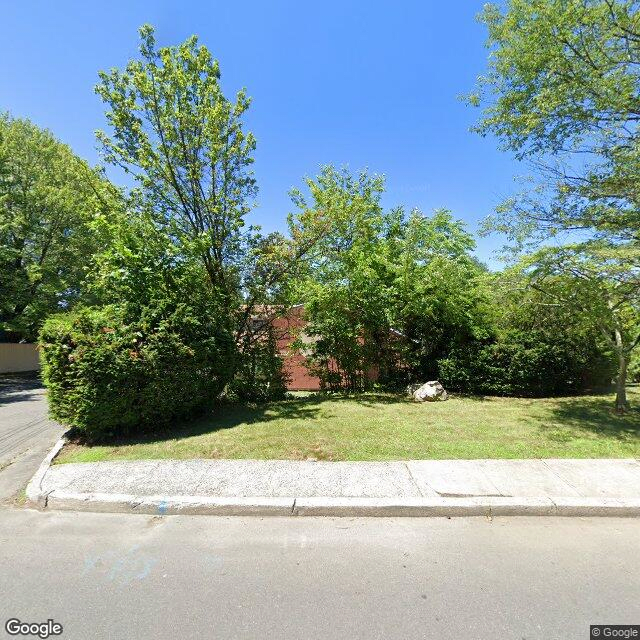
11 Prospect Street, Spring Valley, NY 10977
To contact a resident: (845) 356-2440
For more information about senior living options: (866) 208-4318
Overall Review of New Golden Acres Sp LLC
Pros
 The administrator at The New Golden Acres was wonderful to the resident.
- The administrator did everything she could to help.
- The administrator has worked hard to make The New Golden Acres a loving and good place for the residents to live.
Cons
 The family member had a lot of problems there.
- The place is the absolute worst the reviewer has ever seen.
- The reviewer’s skin crawled from how upset they were with the place.
- It felt as though no one was working or supervising the place at all.
- The reviewer suggested finding another place to live for someone they care about, if possible.
Review
New Golden Acres Sp LLC in Spring Valley, NY is best suited for families seeking a small, hands-on setting where a reform-minded, resident-focused administrator can drive meaningful improvements. The community reads as a place with room to grow, prioritizing visible leadership and a home-like atmosphere over corporate polish. It appeals to families that value personal attendance, ongoing communication, and a sense that care quality can be strengthened through proactive management. In practical terms, it works for those who are willing to engage closely with the administration and monitor progress as changes unfold.
At the same time, not every family will find this a fit. For those who insist on unwavering staffing stability, perfectly predictable routines, and consistently strong supervision around the clock, there are safer bets elsewhere. The mixed feedback from two families demonstrates a core risk: governance and staffing can swing enough to shape daily life and safety. When loved ones require steady oversight or have behavioral or mental health needs that demand robust management, the possibility of lapses becomes a legitimate deal-breaker. In such cases, exploring facilities with longer-standing reputations for reliability and well-documented supervision is prudent.
The strongest positive signal is the presence of a new administrator who reportedly brings genuine care and hard work to the role. Effective leadership can transform morale, speed responsiveness to care needs, and knit a more cohesive care plan. If that leadership remains consistent and gains traction with the staff, families can expect improved communication, more personalized attention, and clearer, better-structured routines. In smaller settings, a proactive administrator often translates into faster problem resolution and a more tangible sense of accountability.
Yet the darker note is impossible to ignore. One reviewer framed the facility as the worst they had encountered, focusing on a perceived lack of staff oversight and supervision. That type of impression raises legitimate worries about day-to-day safety, medication handling, and the reliability of activities and care schedules. Even with a reform-minded administrator, such concerns suggest that turnover, training gaps, or insufficient supervisory layers may still be influencing outcomes. For newer or more complex needs, these signals cannot be dismissed and must be addressed before assuming risk.
Balancing the upside of an energized leadership against the downside of supervisory concerns requires a disciplined, evidence-based approach. If the current administrator’s influence holds and staff engagement improves, the positives, responsive care, warmth, and a workable daily rhythm, can offset earlier flags. Families should test this trajectory by requesting a detailed, written care plan, observing shift changes, and seeking concrete commitments on staffing coverage, supervision processes, and escalation protocols. Without tangible reassurance on these points, the risk remains too high for those prioritizing predictability and safety.
Bottom line: New Golden Acres may be a viable option for families willing to engage actively, visit often, and monitor ongoing improvements in a smaller, less impersonal setting. It is less suitable for those needing guaranteed consistency and robust, 24/7 oversight from day one. Alternatives with longer-standing reputations for reliability should be considered if safety and predictability dominate the decision criteria. A structured visit, clear questions about staff ratios, supervision protocols, and the administrator’s anticipated persistence will illuminate whether this community can meet specific care goals or if a different option better fits the situation.
 Assisted Living
 Activities on-site
 Devotional services off-site
 Indoor common areas
 Westchester Cty (18 miles away)
 Ambulatory care
 Diabetic care
 Meals provided





 Medicare Coverage for Assisted Living: An In-Depth Exploration
 Choosing the Right Senior Care: A Detailed Exploration of Assisted Living and Nursing Homes
 Understanding the True Cost of Assisted Living in 2025: A Comprehensive Guide