
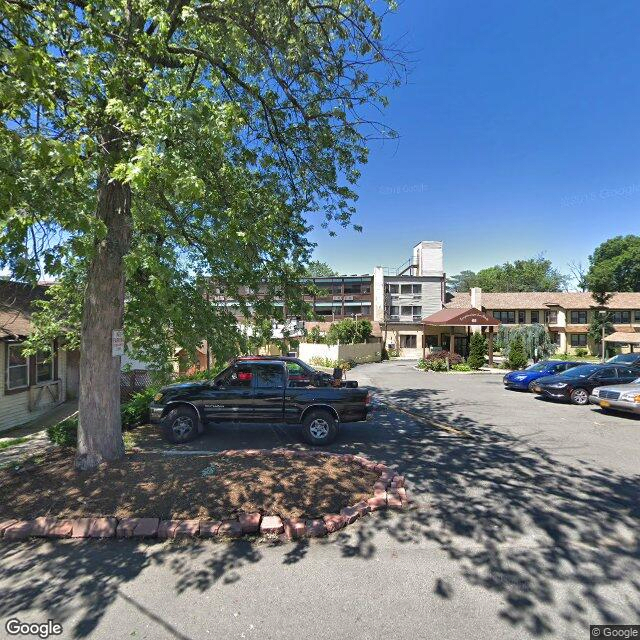
65 Lafayette St., Spring Valley, NY 10977
To contact a resident: (845) 356-7700
For more information about senior living options: (866) 208-4318
Evergreen Court Costs & Pricing
Evergreen Court offers a range of accommodation options at competitive price points compared to both Rockland County and the broader New York state averages. For semi-private rooms, costs vary from $1,400 to $3,300, significantly lower than the county average of $4,453 and the state average of $4,389. Studio options at Evergreen Court range from $1,800 to $3,900, again undercutting both regional benchmarks of approximately $4,897 for Rockland County and $4,532 for New York state. One-bedroom units are priced between $2,200 and $5,900 - still more affordable than the county's average of $5,200 and notably less than the statewide average of $4,307. Lastly, two-bedroom accommodations range from $2,500 to $6,300 while offering a more budget-friendly alternative to Rockland's average of $5,710 and New York's average of $4,786. These pricing structures reflect Evergreen Court's commitment to providing quality care without compromising on affordability.
| Floor plans | Evergreen Court | Rockland County | New York |
|---|---|---|---|
| Semi-Private | $1,400 to $3,300 | $4,453 | $4,389 |
| Studio | $1,800 to $3,900 | $4,897 | $4,532 |
| 1 Bedroom | $2,200 to $5,900 | $5,200 | $4,307 |
| 2 Bedrooms | $2,500 to $6,300 | $5,710 | $4,786 |
Assisted Living communities with a similar price nearby
-
from -$175 / mo
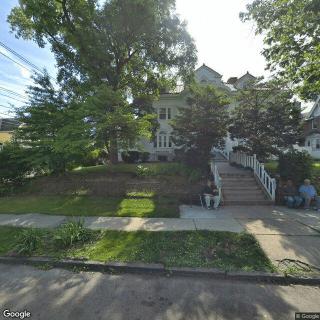
Chester Hill Adult Home
$1,225 to $1,317 / month17.3 miles away -
About the same
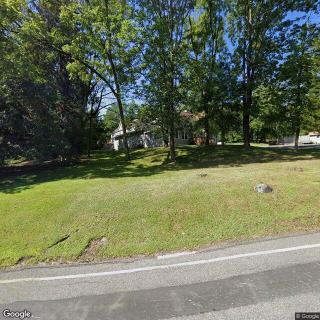
Green Briar Residential Health
$1,400 to $1,600 / month22.2 miles away -
About the same
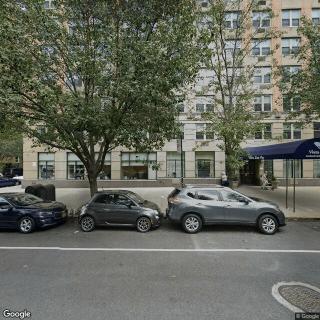
Lott Community Home Health Care
$1,367 / month22.5 miles away -
from -$175 / mo
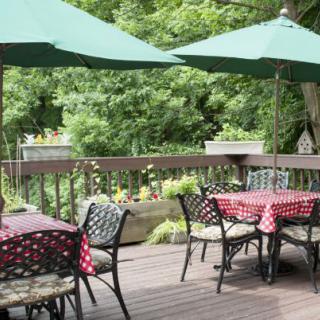
Promenade at Tuxedo Place
$1,225 to $3,900 / month9.3 miles away -
from +$175 / mo
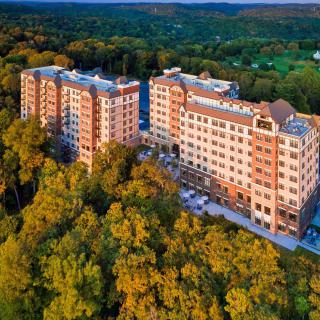
The Club at Briarcliff Manor
$1,575 to $14,500 / month11.0 miles away
Overall Review of Evergreen Court
Cons
 The facility is described as having no heat, leaving people indoors in coats because it is very cold.
- The room is reported to feel about 40 degrees.
- There is no hot water in the shower or sink, preventing bathing for multiple days.
- The reviews indicate strong dissatisfaction and do not recommend the facility.
- The reviews claim that most patients have mental illness.
Review
Evergreen Court in Spring Valley is best considered for families that must operate on a tight budget and are prepared to supervise care closely in an environment where basic operational standards are uncertain. The four reviews available depict a setting where climate control and daily utilities are not consistently reliable, and resident needs may not be consistently addressed by staff. This is not a community judged by amenities; it is a facility where the practical realities of maintenance and governance drive the daily experience. For anyone prioritizing stability and predictable comfort, this is not the first choice.
Alternatives should be on the table for anyone evaluating Evergreen Court. Those who demand dependable heating, warm showers, and safe, dignified hygiene should look to higher-functioning options. Families seeking robust clinical oversight, memory care, or specialized mental-health supports will likely find more suitable environments elsewhere. The repeated note that the resident population appears to have significant mental-health needs adds a layer of complexity that requires a facility with explicit programs and trained staff. In short, this community seems misaligned with needs that demand reliable safety and structured care.
From a decision standpoint, there are virtually no clearly defined pros cited in the reviews. The few mentions of programming or staff capabilities are overshadowed by the most serious red flags. The lack of heat, inadequate hot water, and the resulting discomfort and hygiene concerns eclipse any potential upside. Without credible advantages such as stable programming, timely maintenance, or proactive resident engagement, a decision to proceed here rests on financial constraints alone, not on quality of life or safety assurances.
The main cons unfold in real, tangible risks. Rooms described as around 40 degrees signal chronic exposure to cold, which can precipitate health issues for older adults. The absence of hot water for days directly impairs basic hygiene and dignity, creating a vulnerable environment for infections and skin problems. The combination of cold interiors and delays in routine tasks like bathing points to systemic maintenance gaps. When coupled with a resident population that appears to have significant mental-health needs, the potential for agitation, miscommunication, and unmet care goals intensifies. These are not minor inconveniences; they are safety and health risks.
On the path to a smarter choice, several red flags should be thoroughly tested during visits. Ask for current boiler status and a verifiable heating uptime history, not generic assurances. Request room-by-room temperature checks during different times of day. Probe the maintenance response cadence for urgent issues and verify hot-water reliability at all fixtures. Speak with residents and their families about daily routines, medication supervision, and mental-health supports. Inspect housekeeping schedules, meal service consistency, and staff-to-resident ratios. A facility with transparent, trackable systems will stand in stark contrast to Evergreen Court's reported gaps.
In sum, Evergreen Court represents a high-risk option unlikely to meet the needs of most seniors, especially those with strong requirements for warmth, hygiene, and mental-health stability. The main draw, the possibility of a very low-cost setting, never justifies the ongoing hazards described in the reviews. Alternatives that offer reliable climate control, consistent hot water, timely maintenance, and clear clinical oversight should be pursued first. If any exploration proceeds, it should be with precise, written commitments on temperature, water, and care protocols, and with concrete visit notes from current residents. The prudent course is to move toward safer, more predictable settings rather than accept the current risk profile.
 Assisted Living
 Activities on-site
 Devotional services off-site
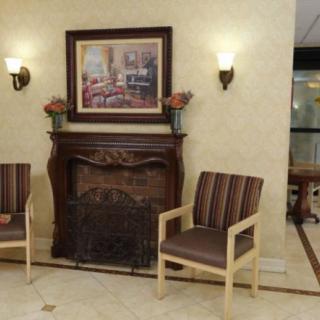
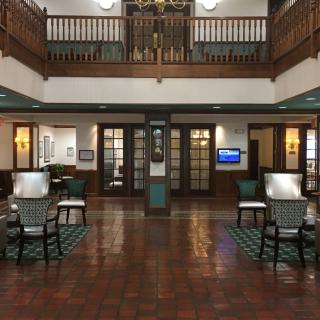
 Indoor common areas
 Westchester Cty (18 miles away)
 Ambulatory care
 Diabetic care
 Kosher
 Some staff are friendly and management resolves issues.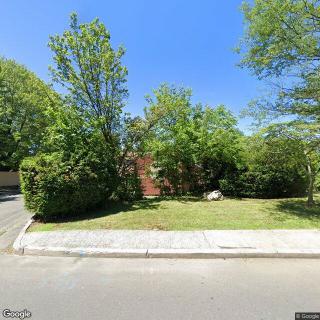
 Choosing the Right Senior Care: A Detailed Exploration of Assisted Living and Nursing Homes
 Understanding the True Cost of Assisted Living in 2025: A Comprehensive Guide
 Understanding Medicaid Coverage for Assisted Living: A Comprehensive Guide