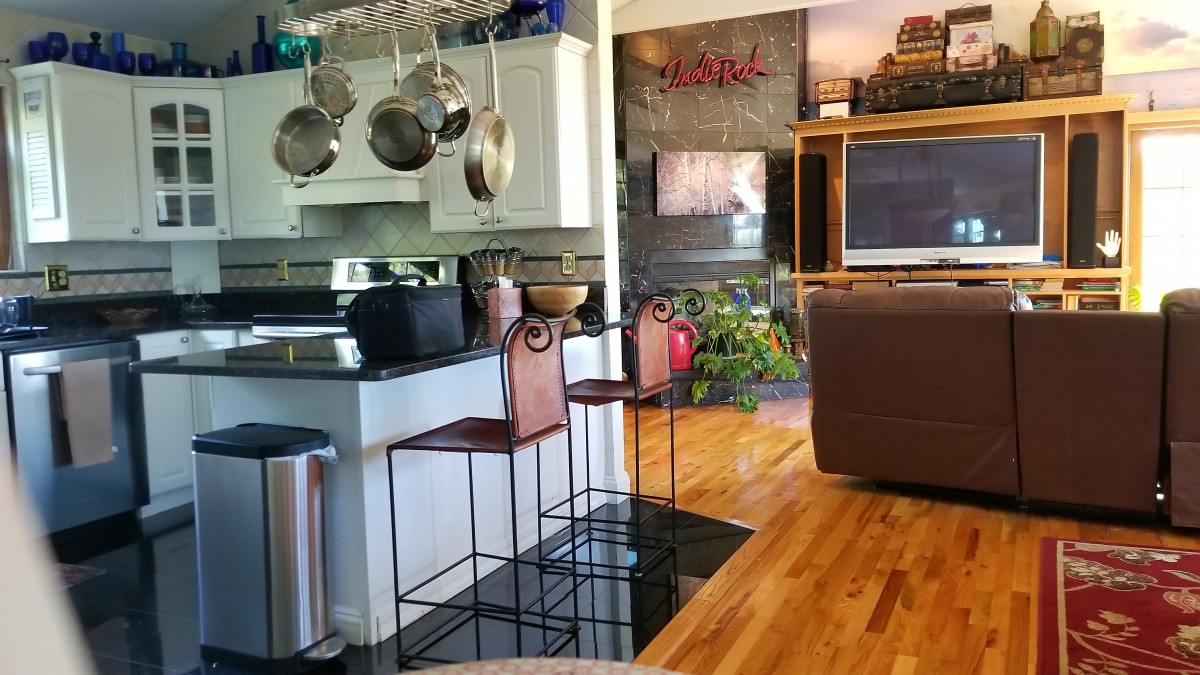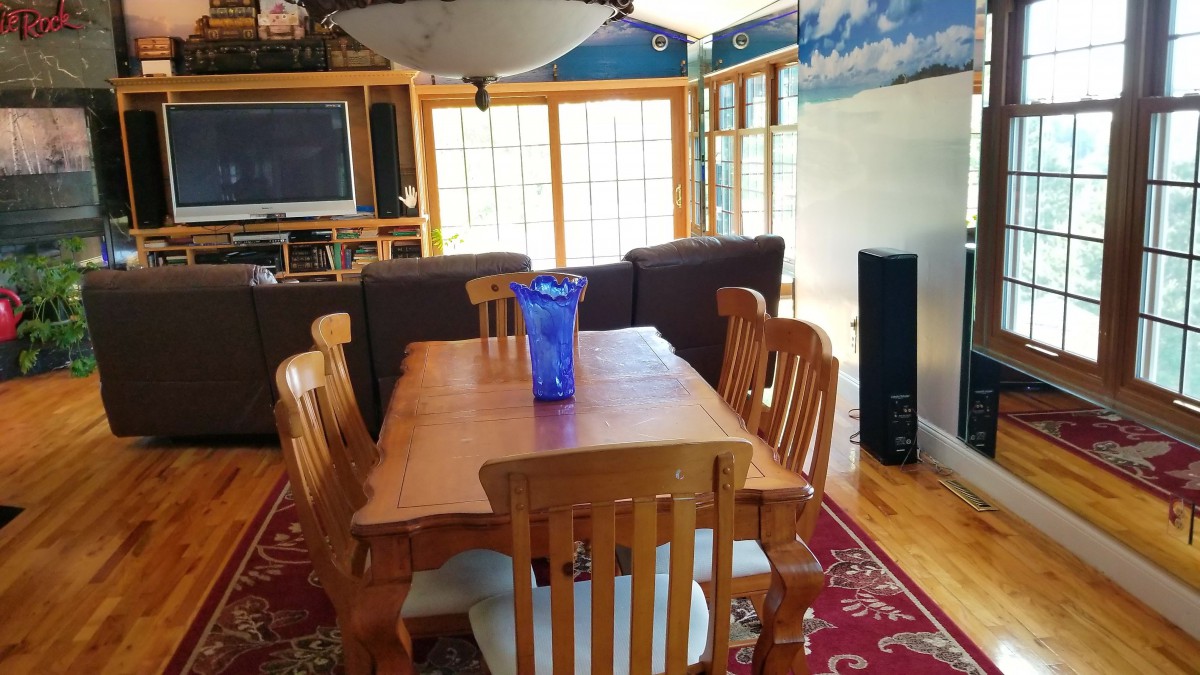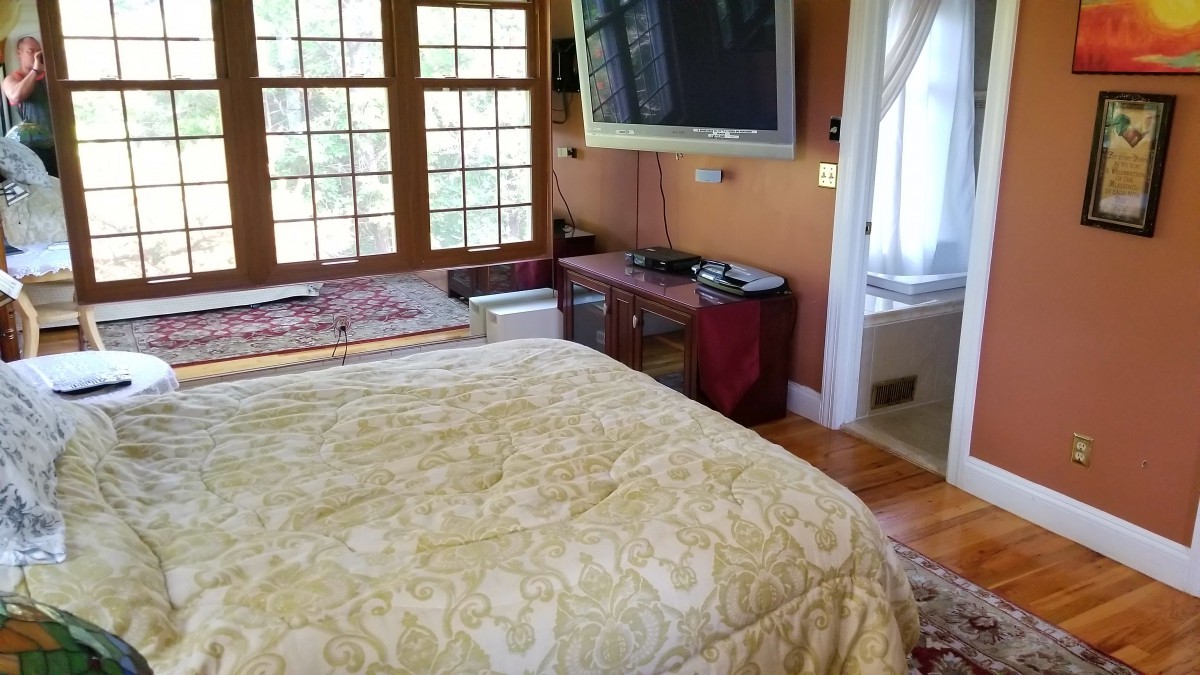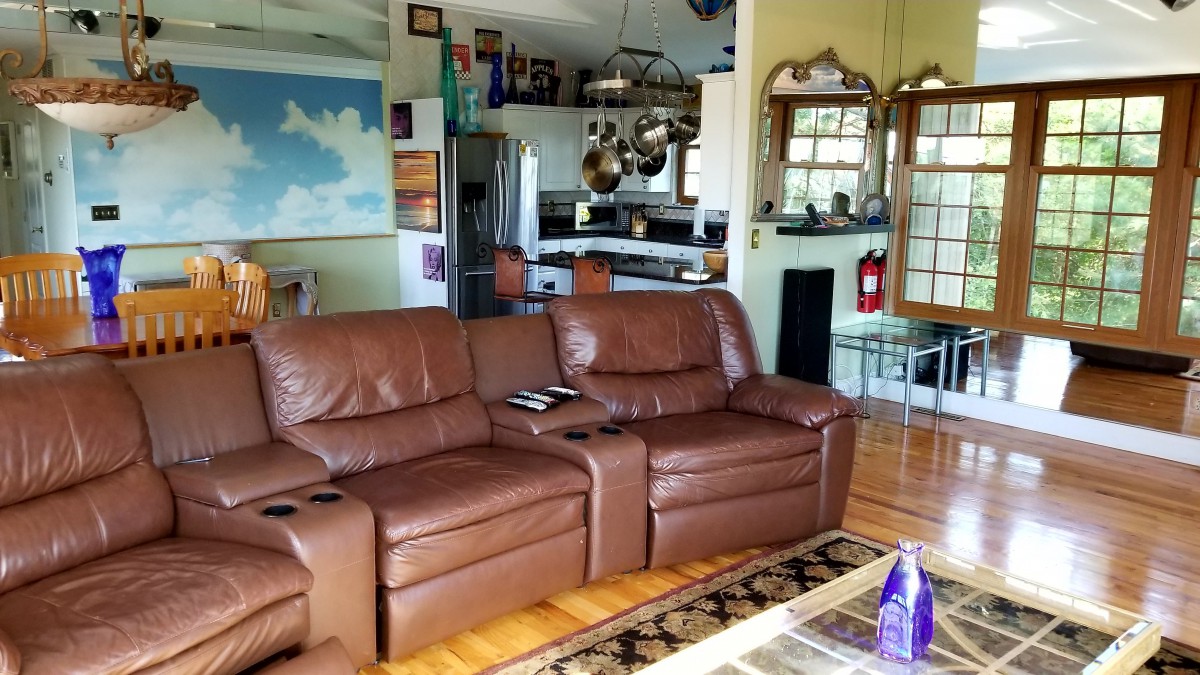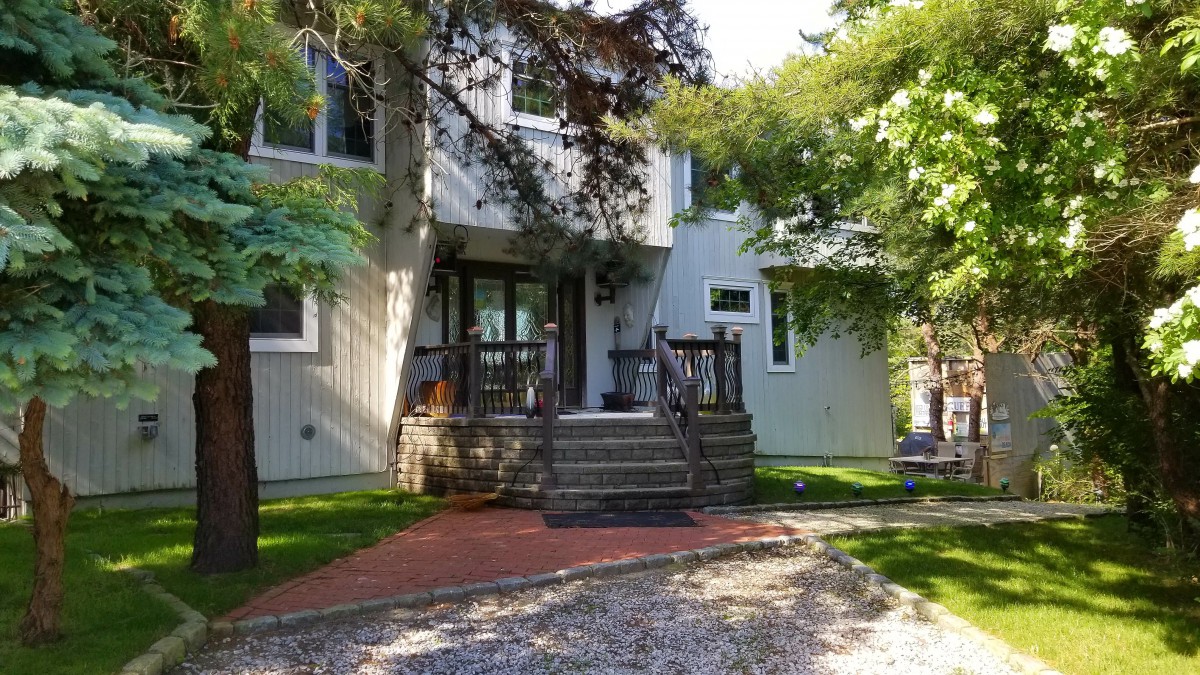
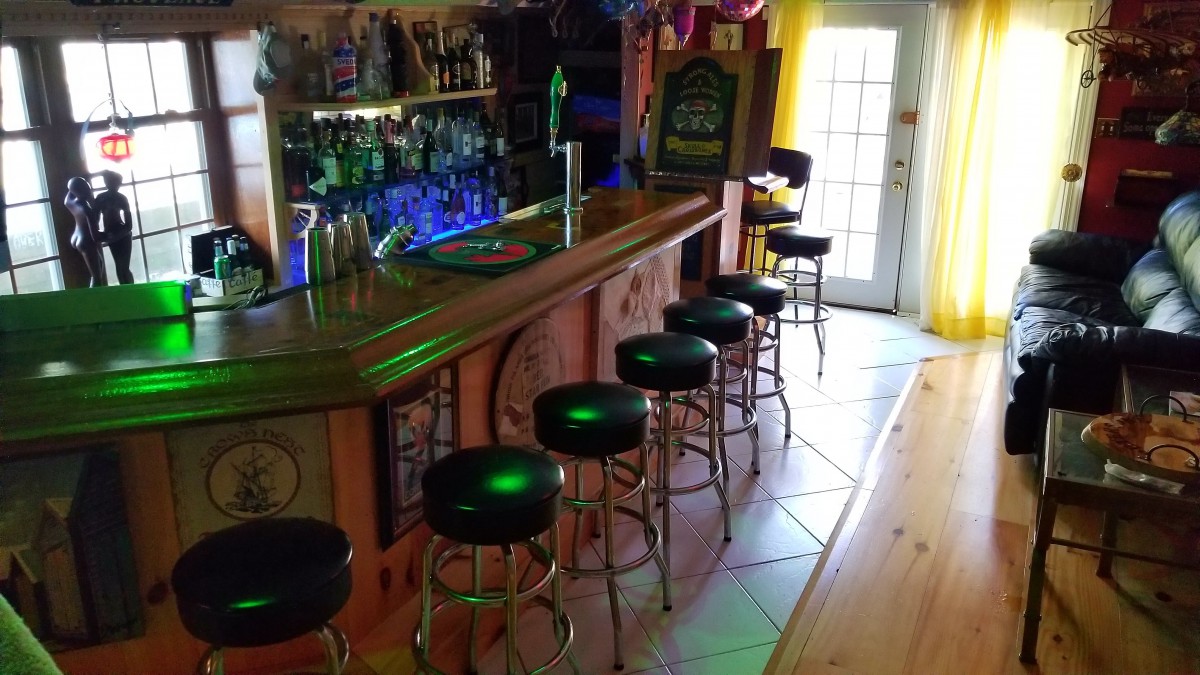
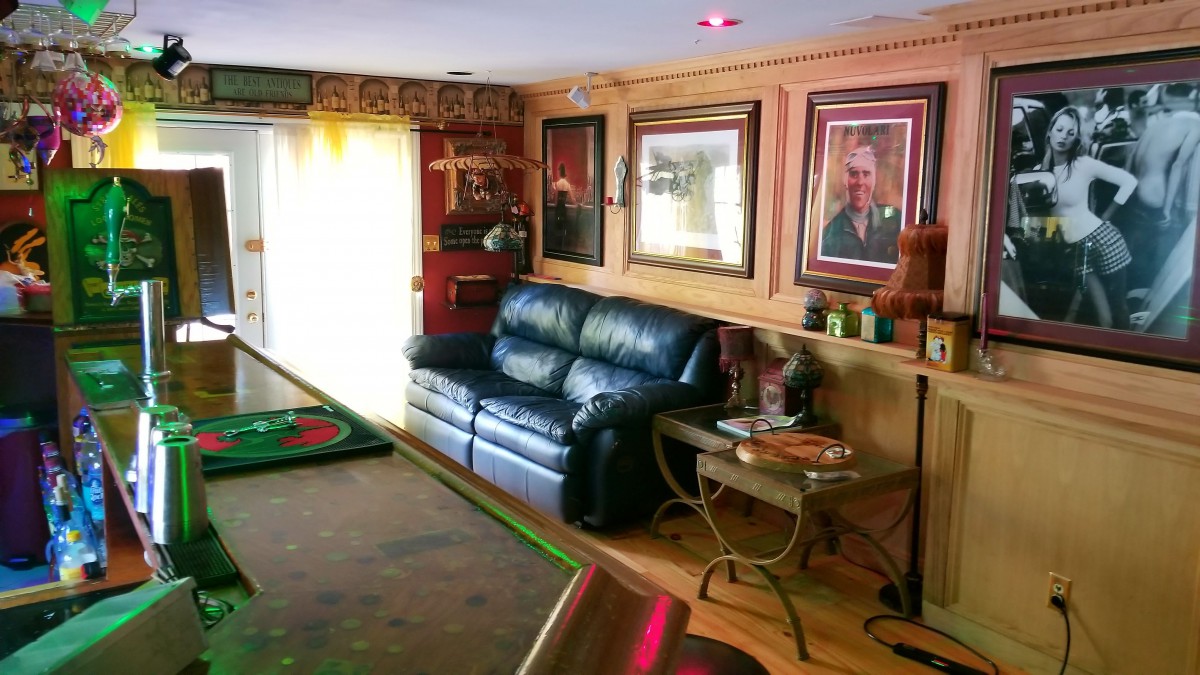
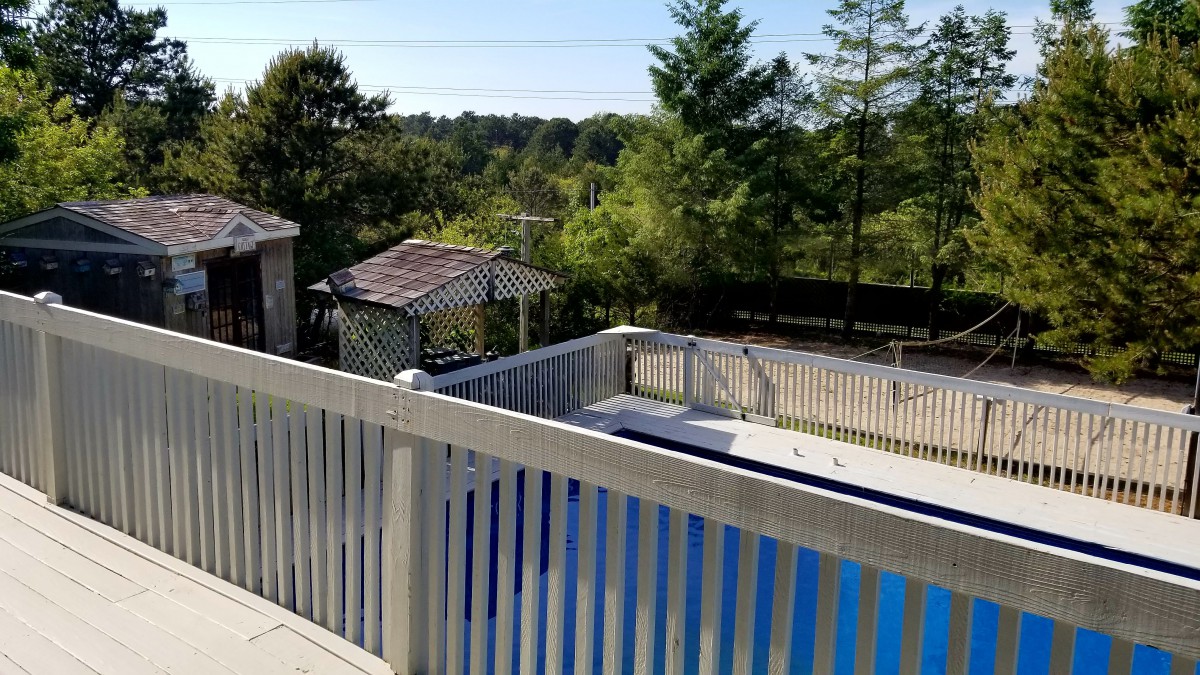


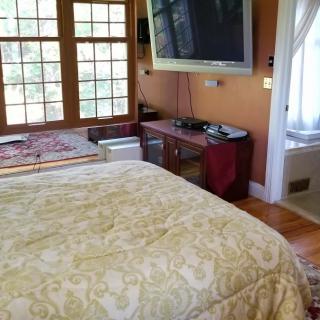
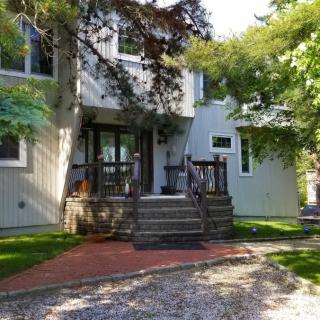
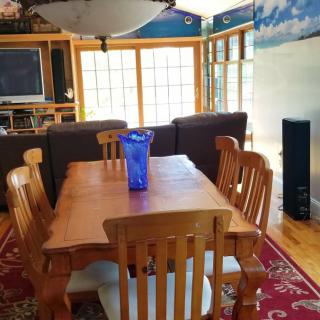
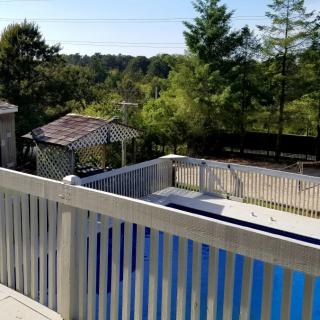
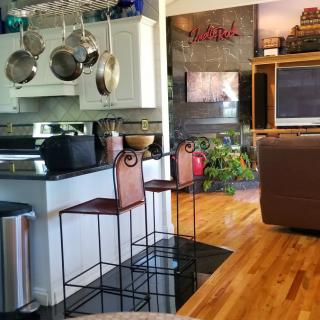

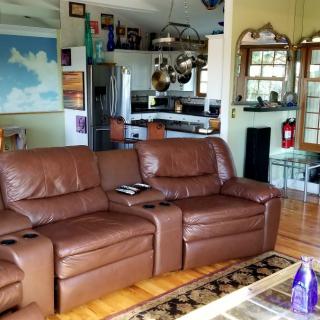
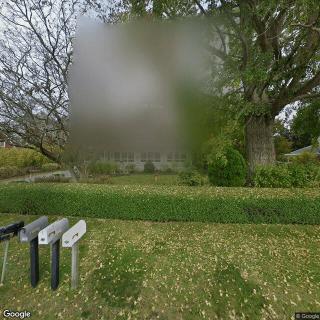
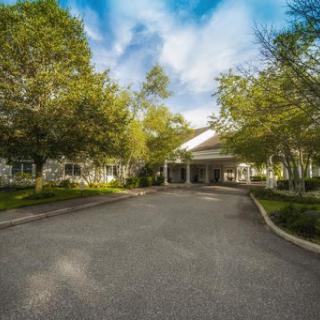
85 Blackwatch Ct, Southampton, NY 11968
For more information about senior living options: (866) 208-4318
Senior Home Foundation Costs & Pricing
The Senior Home Foundation offers competitive pricing for private room accommodations, with a monthly cost of $4,000. This is notably lower than the average rates in Suffolk County, which stand at $4,234, and even more affordable compared to the broader state average of $5,159 for similar facilities in New York. By choosing Senior Home Foundation, residents not only enjoy substantial savings but also benefit from a high standard of care and comfortable living arrangements tailored to meet their needs. This positions the foundation as a viable option for seniors seeking quality care without the financial strain often associated with other facilities in the region.
| Floor plans | Senior Home Foundation | Suffolk County | New York |
|---|---|---|---|
| Private | $4,000 | $4,234 | $5,159 |
Senior living communities with a similar price nearby
-
About the same
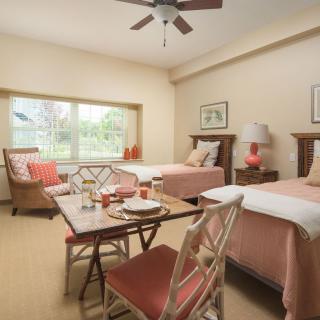
The Villa At Westhampton
$4,100 to $8,100 / month15.0 miles away -
from +$195 / mo

Peconic Bay Skilled Nursing Facility
$4,195 to $6,616 / month13.8 miles away -
from +$500 / mo

Angels by the Bay
$4,500 to $5,500 / month21.3 miles away
Overall Review of Senior Home Foundation
Pros
 Families have nothing but great things to say about Artful Home Care's care.
- The care provided by Artful Home Care is amazing, and they accommodated families during the holiday season.
- The staff are fantastic, with great communication with administration.
Review
Senior Home Foundation in Southampton, NY is best suited for families seeking a warm, closely managed assisted living option that can flexibly coordinate care with trusted outside providers. The community appears to attract residents whose care needs are well met by a strong, personable staff and a responsive administration that can collaborate with familiar care partners. For families prioritizing a hands-on, relationship-driven approach and a setting where care continuity is achievable through partner agencies, this community presents a compelling fit.
Those who may want to consider alternatives include families seeking a turnkey, fully in-house care model with extensive in-house clinical staff on site, or those needing specialized memory-care programming and a broader spectrum of on-site medical oversight. Additionally, if affordability or a more expansive campus with abundant programming and amenities is a central priority, other communities in the region may better meet those expectations. In short, this option shines when external caregiver coordination is a strength, but may be less ideal for residents who want everything managed entirely in-house from day one.
The strongest positives here center on quality caregiving and administrative cohesion. The joint emphasis on high-caliber staff and clear, proactive communication with administration creates a practical comfort for families worried about ongoing supervision and responsiveness. The ability to accommodate families during holiday seasons signals a commendable level of flexibility and person-centered planning, reducing the stress that comes with predictable caregiver disruption during peak family times. When care needs shift, the combination of attentive staff and reliable administrative support tends to translate into smoother transitions and fewer care gaps.
However, the reviews also reveal notable gaps that potential residents should weigh. There is limited detail about in-house clinical depth, on-site specialty programming, or the full breadth of amenities beyond the caregiving relationships highlighted. Relying on an external home-care partner can be a strength, but it also raises questions about consistency, availability, and how care plans are aligned between the facility and the outside agency. The absence of explicit information about memory-care capabilities, daily activity calendars, dining options, and room-to-community engagement can leave families needing more assurances before committing.
Given these dynamics, the decision hinges on care philosophy and practical logistics. For families already comfortable with a preferred home-care partner or those who value seamless coordination between facility staff and external caregivers, Senior Home Foundation offers a credible, reliable framework. Pros offset potential drawbacks by delivering dependable staff interactions, transparent administration communication, and flexible care planning that can adapt to holidays and special occasions. The real value lies in ongoing, attentive collaboration between the facility and any care partners the family chooses to engage.
Practical next steps for an informed choice include arranging a guided visit focused on care coordination processes, staff-to-resident ratios, and how external caregiver schedules are integrated into daily routines. Prospective residents should request concrete examples of care plans, usual response times, and a tour of in-house resources that would support medical oversight if needed. Speak with current residents or families about holiday-season experiences, and probe pricing structures to understand what is bundled with board and care versus what would require add-ons through a partner agency. Armored with these details, families can determine whether the existing strengths sufficiently align with the resident’s needs and the family’s expectations for continuity, responsiveness, and peace of mind.
 Board and Care Home
 Air-conditioning
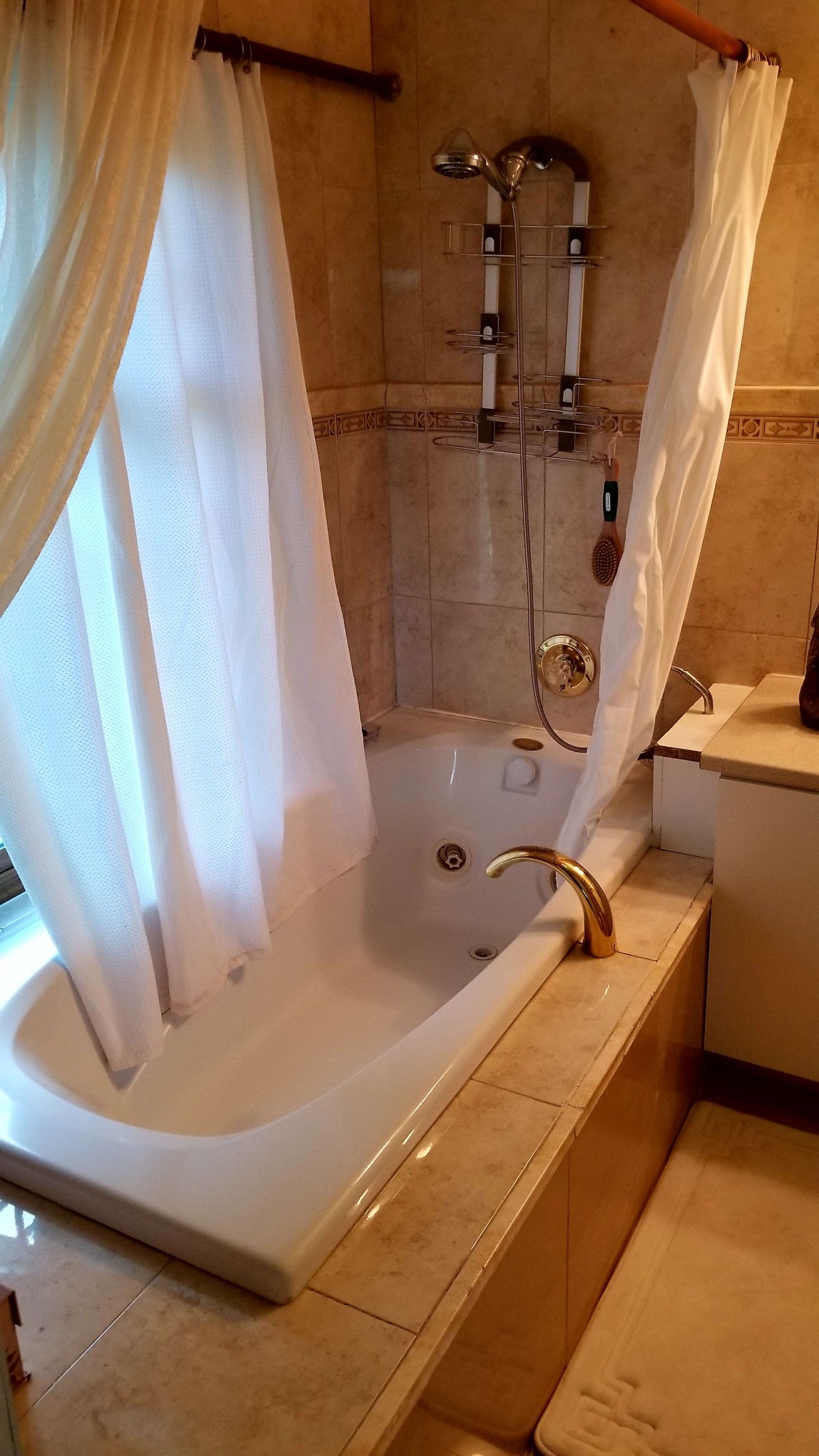
 Bath tubs
 Indoor common areas
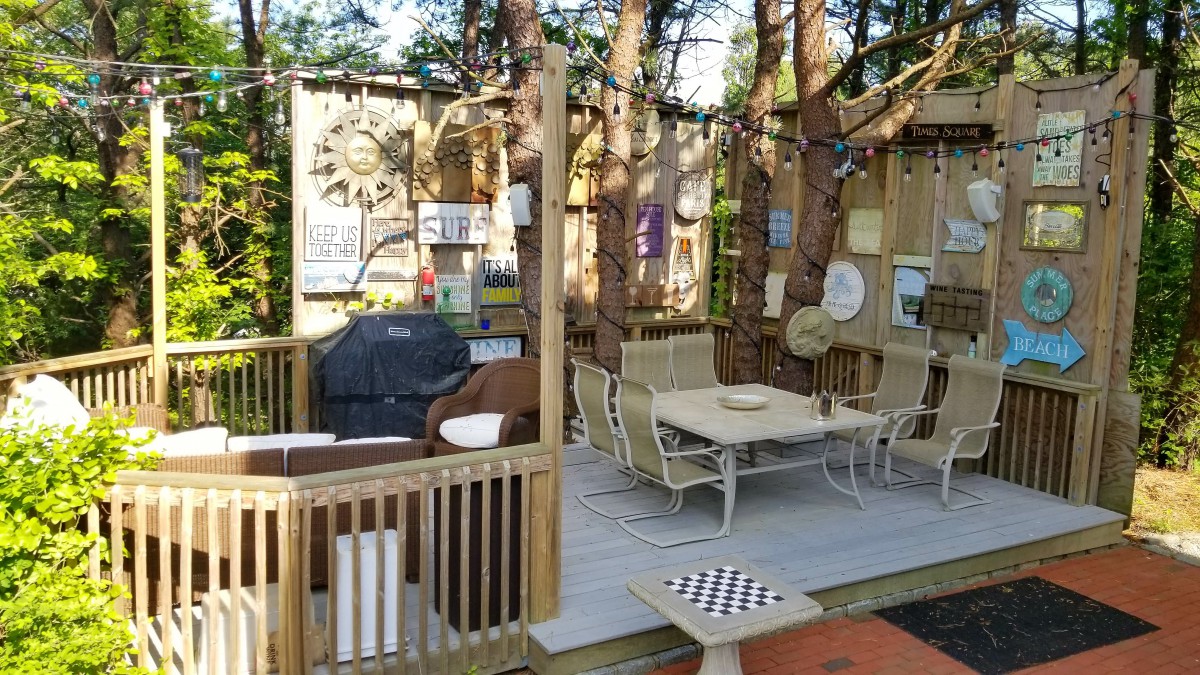
 Outdoor common areas
 Private
 Swimming pool / hot tub
 Wi-Fi/high-speed internet available
 Medication management
 Meals provided
 BBQs or picnics
 Holiday parties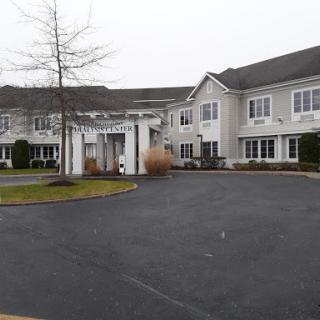




 Comprehensive Look at Senior Blood Pressure Charts: Normal and Elevated Levels by Age
 Top Canine Companions for Older Adults
 Comprehensive Guide to Blood Pressure Charts for Older Adults: Understanding Normal and High Readings by Age