
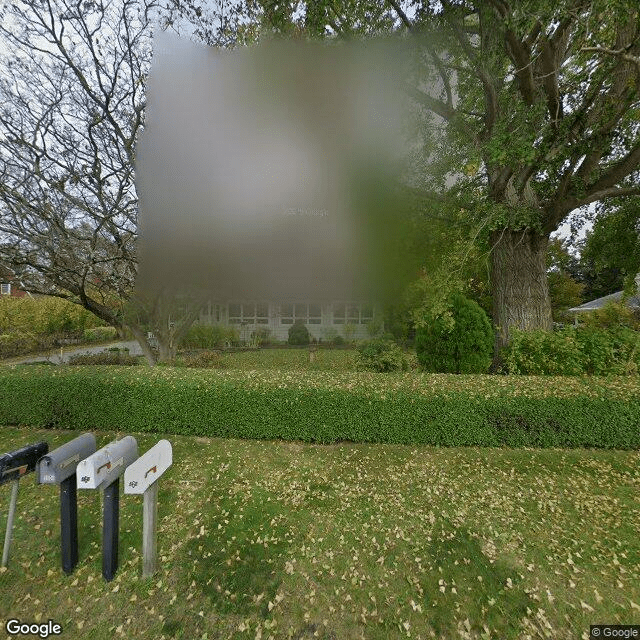
555 New Suffolk Road, Cutchogue, NY 11935
For more information about senior living options: (866) 208-4318
Peconic Retreat Adult Home Costs & Pricing
Peconic Retreat Adult Home offers competitive pricing for its residential services, particularly when compared to the broader market in Suffolk County and the state of New York. For a semi-private room, residents pay $2,400 per month, significantly lower than the county average of $3,706 and the state average of $4,389. Similarly, the cost for a private room at Peconic Retreat is $2,600, which stands in stark contrast to Suffolk County's average of $4,234 and New York's average of $5,159. This pricing structure not only makes Peconic Retreat an attractive option for those seeking adult home care but also reflects a commitment to providing quality services at accessible rates within a challenging economic landscape.
| Floor plans | Peconic Retreat Adult Home | Suffolk County | New York |
|---|---|---|---|
| Semi-Private | $2,400 | $3,706 | $4,389 |
| Private | $2,600 | $4,234 | $5,159 |
Overall Review of Peconic Retreat Adult Home
Pros
 The facility offers the best cost option so far among comparable options.
- It has a smaller number of residents than other facilities, creating a more intimate setting.
- Its location is not bad at all, making it conveniently situated.
- The staff are compassionate, effective, and experienced in caring for residents.
- Joseph Corso and his staff create a wonderfully nurturing and home-like environment.
- Local family ownership adds to a genuine, homelike atmosphere.
Cons
 Mom has been on the waiting list for many months.
- There are colder winters.
- The facility's cost requires one to be rather wealthy in order to afford it.
Review
This community is best suited for families seeking an intimate, home-like setting for an older relative where personal attention from a small, local team matters more than bustling amenities. Peconic Retreat Adult Home operates with a hands-on, family-owned ethos that many caregivers find reassuring: a quiet, nurturing environment, a smaller resident population, and a sense that care feels personalized rather than impersonal. It stands out for those who can afford premium, private-pay care and who value the security of a tightly run operation with experienced, compassionate staff. The setting is not about flash; it’s about a calm, interconnected community where staff know residents well and the atmosphere feels like a careful balance of independence and support.
Families should consider alternatives if rapid placement is essential, if a broader social calendar and more expansive programming are priorities, or if budget constraints make the price point challenging. Long wait lists, including reports of months before placement, mean this is not a solution for urgent moves. For someone needing more extensive on-site medical staffing on a 24/7 basis or a larger campus with more resident interactions and diverse activities, a bigger facility may deliver the immediacy and breadth of services that a smaller home cannot. In short, the trade-off is clear: Peconic Retreat excels in warmth and attentiveness but may fall short for those who require quick placement or a broader, more varied community life.
The strongest pro is the intimate, “home away from home” feel created by Joseph Corso and the local team. Families repeatedly note the nurturing, professional atmosphere and the sense that residents are genuinely cared for. The small size translates into higher staff visibility, which can translate into quicker recognition of needs and a more consistent care approach. The facility’s licensing and professional operation round out the picture, adding a layer of confidence that regulations are met and care is conducted responsibly. For families prioritizing trust, transparency, and a respectful environment over scale and splash, this setting delivers.
These advantages offset several key drawbacks when the priority is a stable, respectful home for someone who does not require a bustling, large-scale campus. The cost, while labeled affordable within the local market, is still a meaningful consideration; it reflects the expectation of individualized attention and the ability to hire supplemental help if needed. The “best cost option” label within the options under consideration suggests relative value in an area with higher living costs, but it does not erase the reality that private, intimate care remains a premium choice. The result is a strong fit for families who plan ahead financially and want the reassurance that staff won’t overlook a loved one, even if the trade-off is fewer residents and a slower admissions timeline.
From a decision-making standpoint, Peconic Retreat should be viewed as a strategic fit for a specific profile: an older adult who thrives in a small, homey environment, where staff know names, routines, and preferences. If ongoing social variety, expansive programming, or immediate placement are non-negotiables, alternatives deserve serious consideration. For families who can budget for premium private-pay care and who want a setting that feels personal and well-managed, the positives, intimacy, trust, and attentive care, overcome the penalties of limited capacity and the months-long wait. The key is aligning expectations with the facility’s strengths: a nurturing, low-key setting that prioritizes consistent care over scale.
In the end, the decision hinges on timing, budget, and care philosophy. If the aim is a serene, family-like home with dependable staff and the willingness to wait for a slot, Peconic Retreat delivers with commendable clarity. If speed, breadth of social opportunities, or lower price points drive the choice, explore other options that offer larger campuses, more robust activity calendars, or quicker admission processes. Families should actively discuss the expected routine, the plan for around-the-clock needs, and the financial feasibility with the administrative team to ensure the fit is durable, not just desirable.
 10 resident community capacity
 Assisted Living
 Board and Care Home
 Activities off-site
 Beautician on-site
 Cable or satellite TV
 Devotional services on-site
 Dining room
 Fully furnished
 Garden
 Housekeeping services
 Indoor common areas
 Move-in coordination
 Outdoor common areas
 Private
 Respite or short term stays offered
 Telephone
 Wi-Fi/high-speed internet available
 24-hour supervision
 Ambulatory care
 Assistance with bathing
 Assistance with dressing
 Assistance with transfers
 Diabetes diet
 High acuity care
 Incontinence care
 Meal preparation and service
 Medication management
 Special dietary restrictions
 Transportation arrangement (medical)
 Transportation to doctors appointments






 How and When Medicaid May Cover Assisted Living Costs
 A Detailed Exploration of Assisted Living Medicaid Waivers Across the United States
 Comprehensive Residential Support and Assisted Living Solutions for Individuals with Disabilities