
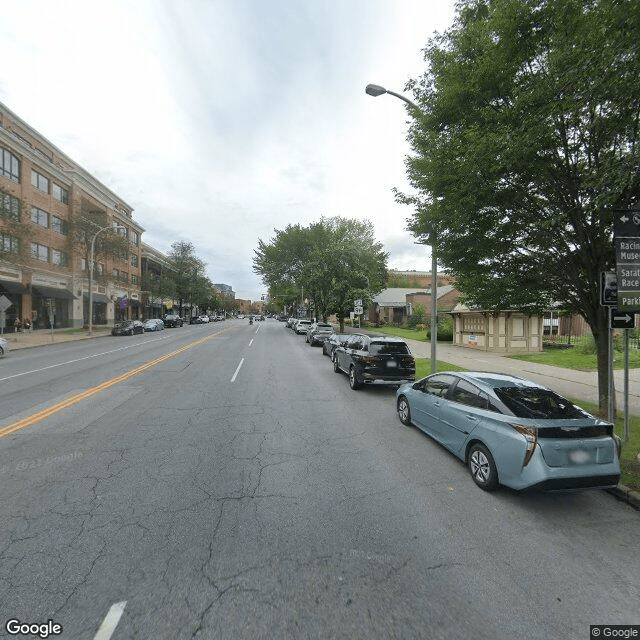
PO Box 3451, Saratoga Springs, NY 12866
To contact a resident: (518) 584-5885
For more information about senior living options: (866) 208-4318
Overall Review of Home Helpers and Direct Link
Pros
 Home Helpers has improved, with better trainings for caregivers.
- Caregiver training is now better, indicating progress.
Cons
 The agency has had no-shows, no calls, and constant turnover with new caregivers and no consistency in staff.
- The staff show little knowledge of procedures and do not log calls or notes in the care carts.
- Caregivers are inexperienced and bring personal drama into the caregiving situation.
- They excuse unprofessionalism by saying it’s not a good match.
- Aside from one caregiver, the overall experience has been awful.
- They would advise others to keep looking for a more reliable agency, as there is no confidence in this agency’s reliability.
Review
Home Helpers and Direct Link in Saratoga Springs is best suited for families that need non-medical in-home support and can actively supervise care, coordinate schedules, and hold an agency to a high standard of accountability. The core value proposition now leans on improved caregiver training, signaling a deliberate move toward more competent aides, particularly for clients with dementia or mobility challenges. In practice, this means the service can function as a practical aid for daily tasks, companionship, and basic mobility assistance, so long as families are prepared to supervise, verify notes, and insist on dependable coverage rather than treating it as a fully hands-off solution.
The group that may want to consider alternatives includes families facing very high reliability demands or complex medical oversight. For dementia care requiring strict routines, high-frequency back-up coverage, and meticulous documentation, alternatives with more robust care coordination and longer track records may offer greater peace of mind. Larger, established in-home care networks or a true assisted living path, where staff scheduling, care coordination, and medical oversight are integrated and less dependent on family-driven monitoring, often deliver steadier continuity for high-needs cases.
A key pro, the improving emphasis on caregiver training, does offset some risk, but not enough to erase the main drawbacks. Better training can translate into safer handling, better recognition of dementia cues, and more respectful interactions, which is meaningful for quality of life. Yet this improvement sits alongside ongoing concerns about staffing reliability and consistency. Reports of missed visits, frequent staff turnover, and a revolving door of aides historically undermined confidence and disrupted care routines. Even with enhanced training, the lack of established, consistent teams and clear hand-offs remains a defensible reason to pause and scrutinize the agency’s actual operations before committing long-term.
The critical questions families should insist on before committing are concrete and practical. Ask for how the agency will guarantee back-up coverage when a regular caregiver is unavailable, what the caregiver-to-client matching process looks like, and who supervises care plans day-to-day. Require a formalized notes-and-logs system so every visit is documented and accessible to family members or a designated point of contact. Confirm who reviews care plans, how changes are communicated, and what escalation steps exist for unprofessional behavior or miscommunications. In short, demand evidence of durable systems, not promises, around scheduling, documentation, and staff supervision.
Cost and risk considerations flow from the reliability questions. When a provider struggles with consistent attendance or communication, families may incur hidden costs in the form of extra transportation, time spent coordinating care, and the emotional toll of uncertainty. The positive angle, better-trained caregivers, can gradually reduce some risks and improve interactions with a dementia-diagnosed loved one, but it does not eliminate the need for vigilant oversight and a workable backup plan. Prospective clients should plan for an initial trial period characterized by tight performance milestones, review checkpoints, and a clear exit or switch-by-date if measurable reliability foundations are not solidly in place.
The bottom line is pragmatic: Home Helpers and Direct Link can be a viable option for families that are prepared to lead and verify the care process, particularly when dementia training is prioritized and regular oversight is possible. It is not the best fit for those who cannot tolerate gaps in coverage or who require airtight consistency and comprehensive coordination with medical care. For families in need of steady staffing and proven reliability, exploring alternatives, especially providers with formal care management and documented continuity practices, will be the prudent course. If proceeding, enter with a concrete oversight plan, clear performance metrics, and a defined timeline for reassessment to ensure the arrangement truly protects safety, peace of mind, and daily quality of life.
 Albany Cty (23 miles away)

 Financing Long-Term Nursing Home Care Through Social Security: A Thorough Exploration
 Essential Knowledge on Pneumonia in Older Adults
 Exploring Palliative Care in the Home: A Comprehensive Overview