Wesley Health Care Center in Saratoga Springs, NY

Save

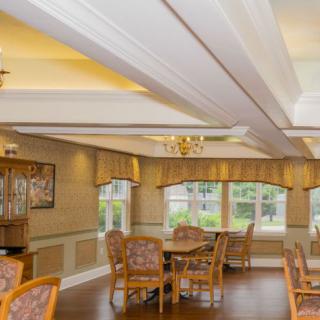
  • Interior

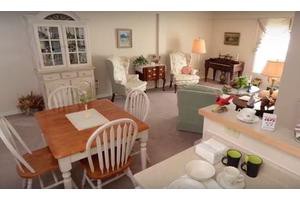
    A cozy living room with a traditional dining area and comfortable seating.
  • Building

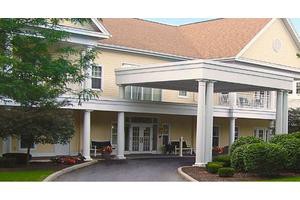
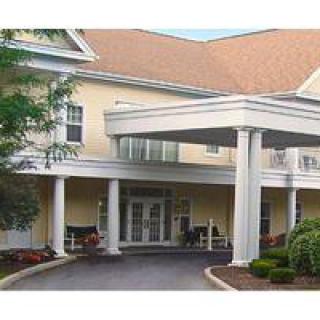
    Front entrance of a building with columns and landscaping.
  • Architecture

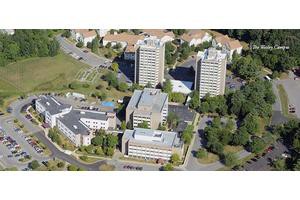
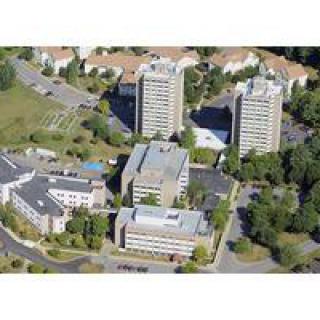
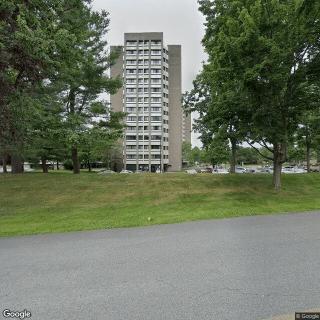
    Aerial view of a cluster of tall buildings surrounded by trees and urban infrastructure.
  • Trees

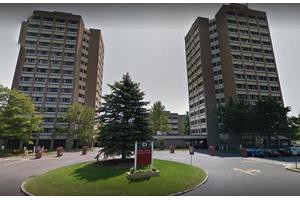
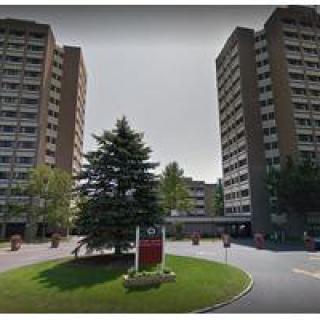
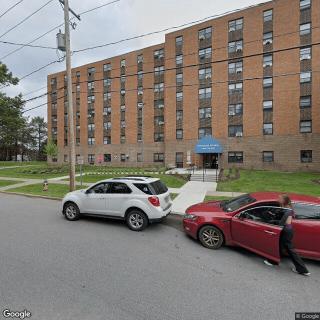
    Two tall residential apartment buildings with a central entrance sign and trees in the foreground.
  • Landscaping

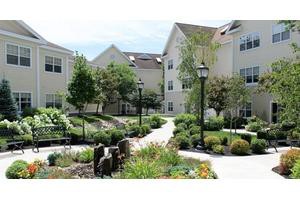
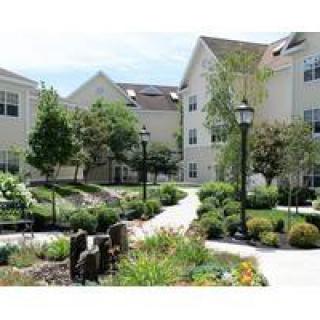
    A well-landscaped apartment complex featuring a curving pathway and lush greenery.
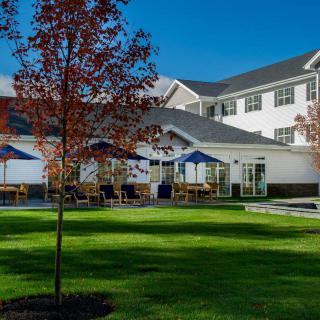
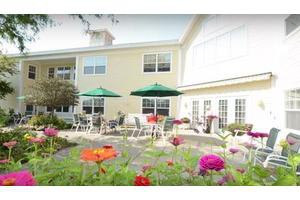
  • Garden

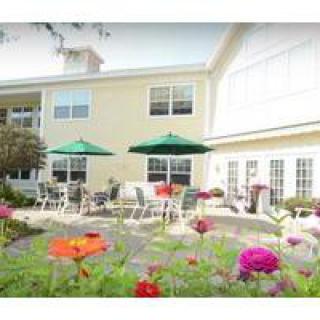
    A charming outdoor patio area with colorful flowers and umbrella-shaded seating.

Wesley Health Care Center in Saratoga Springs, NY

131 Lawrence Street, Saratoga Springs, NY 12866

For more information about senior living options: (844) 490-3973

3.3 from 82 reviews
5 stars
33
4 stars
13
3 stars
7
2 stars
3
1 stars
26

Active Adult Communities (55+) Assisted Living Independent Living Skilled Nursing Facility

Wesley Health Care Center Costs & Pricing

Wesley Health Care Center offers competitive pricing on its accommodations compared to the broader market in Saratoga County and New York State. For instance, a studio room at Wesley is priced at $720 per month, which is significantly lower than the county average of $3,644 and the state average of $4,532. Similarly, a one-bedroom unit costs $782 at Wesley, again undercutting both the county's average of $3,200 and the state's $4,307. For those seeking more space, a two-bedroom option is available for $942 per month - a price that stands in stark contrast to the Saratoga County average of $2,153 and New York State's average of $4,786. These figures highlight Wesley Health Care Center's commitment to providing affordable living options without sacrificing quality care for its residents.

Floor plansWesley Health Care CenterSaratoga CountyNew York
Studio$720$3,644$4,532
1 Bedroom$782$3,200$4,307
2 Bedrooms$942$2,153$4,786

What level of care are you interested in?

Assisted Living

Memory Care

Independent Living

Skilled Nursing Facility

Continuing Care Retirement Community (CCRC)CCRC

Other


Request a tour at Wesley Health Care Center

    Overall Review of Wesley Health Care Center

    Pros

    • pro They treated her with love, respect, and compassion, doing a phenomenal job.
    • pro The staff provided compassionate care that residents appreciate.
    • pro The facility is clean, well maintained, and has a welcoming environment.
    • pro The therapists were awesome and highly capable.
    • pro The nurses and nursing staff were caring, attentive, and excellent.
    • pro The environment is bright, cheerful, and comfortable.
    • pro The campus offers a variety of activities, including social events, beauty services, and music.
    • pro The rooms are large and the facility provides ample spaces, with easy parking.
    • pro The PT staff are fabulous and instrumental in helping residents walk again.
    • pro The Wesley Community provides a continuum of care from independent living to nursing care.

    Cons

    • pro The facility has terrible communication; questions and calls go unanswered.
    • pro It is chronically short-staffed, leading to neglected patients and delays in care.
    • pro Nurses are often unavailable or unresponsive, with tasks pushed to aides.
    • pro The care provided is inconsistent and sometimes substandard, with dirty rooms and insufficient supervision.
    • pro Food is frequently served cold or inedible, and dietary requests are ignored.
    • pro Some staff are rude or unprofessional, including administrative personnel.
    • pro There are reports of missing belongings and poor handling during transfers between facilities.
    • pro The cost of care is very high, with complaints that it is not worth the price given the quality.

    Review

    Wesley Health Care Center is best suited for families seeking a campus-style continuum of care in Saratoga Springs that can support a loved one through short-term rehabilitation and then transition to longer-term nursing or assisted living if needed. The unit cluster reads as a rehab-first environment with access to memory care and independent living options on the same campus, making it attractive to families who want one coordinated setting rather than multiple transfers. The best-fit resident is someone who values robust physical therapy, a lively activity calendar, and the possibility of moving between care levels without leaving the campus, provided there is a willing advocate on the family side to navigate care coordination.

    Those who should consider alternatives include families prioritizing consistently flawless communication and immediately responsive nursing care. Several reviews flag persistent gaps in answering questions, returning calls, and coordinating with families, including admissions and administrative staff. For residents who require tight day-to-day oversight, fast response to call bells, or sustained attention from nurses and aides, Wesley may feel fragile. Cost sensitivity also matters: multiple comments point to high private-pay costs, which can be a significant factor when quality and reliability do not meet expectations.

    The strongest positives here center on rehabilitation and skilled therapy. Several reviewers sing the praises of dedicated therapists and the head nurse, with particular admiration for physical and speech therapy teams that helped patients regain mobility and confidence. The campus's size, cleanliness, and the presence of a broad set of services - outpatient therapy, pool therapy, dining options, beauty parlor, social events - create a supportive rehab milieu. When care teams gel, families report real relief: patients leave with improved function, and the environment can feel hopeful and well-organized. These advantages do not erase shortcomings, but they provide meaningful offsets for families whose priority is recovery and structured activities.

    The principal concerns loom large for decision-makers who weigh safety, dignity, and consistency. Recurrent complaints focus on slow or nonresponsive communication, understaffing, and perceived gaps in clinical care - ranging from missed call-bell responses to questions about medications and daily needs. Some families recount neglect, disorganization, or rude interactions with staff, while others acknowledge compassionate individuals who still contend with a system stretched thin. Cleanliness and maintenance concerns surface in a minority of stories, and a few families describe disjointed experiences where hospital-level coordination did not fully translate to the nursing home setting. These risks are nontrivial when a loved one depends on timely help and steady oversight.

    Cost and the broader care philosophy further color the calculus. Several reviews note that the facility is expensive relative to similar options, and some families describe frustration with billing and administrative processes. Yet others emphasize tangible, high-quality elements - bright, open floors, renovated spaces, a strong activities program, and a sense of community that can make daily life more rewarding. Prospective residents should quantify the value proposition against the risk of inconsistent staffing and the possibility of variable day-to-day care. In short, the financial commitment must be paired with a clear plan for monitoring care and ensuring escalation channels are always reachable.

    Ultimately, the decision hinges on balancing recovery-oriented strengths against reliability gaps. For families prioritizing aggressive PT/OT, a broad continuum of care, and an engaging social environment, Wesley delivers meaningful gains and a reassuring care network when staff are aligned. For those who demand unwavering communication, flawless staffing, and consistently spotless execution, alternatives may prove more dependable. The prudent path is to visit with a focused checklist: tour both rehab and Hathorn/Hawthorn areas, speak with frontline caregivers and the head of nursing, request typical response times, and assess whether the financial package aligns with anticipated outcomes. A well-chosen match will hinge on whether the rehab-focused strengths can be sustained by dependable day-to-day care and transparent family communication.

    Features

    Housing

    • 356 resident community capacity 356 resident community capacity

    Types of Care

    • Active Adult Communities (55+) Active Adult Communities (55+)Active Adult Communities provide seniors with opportunities for socialization, activities, and wellness programs tailored to their needs. These communities offer a sense of belonging and security while promoting an active and independent lifestyle for those aged 55 and older.
    • Assisted Living Assisted LivingAssisted living facilities provide crucial support and care for seniors who may need help with daily tasks such as medication management, bathing, and meal preparation. These communities offer a safe and comfortable environment where seniors can maintain their independence while receiving the assistance they need to thrive in their golden years.
    • Independent Living Independent LivingIndependent living communities are important for seniors because they offer a safe and supportive environment where older adults can live independently while still having access to amenities and services that enhance their quality of life. These communities provide social opportunities, recreational activities, and assistance with daily tasks, promoting overall well-being and allowing seniors to maintain their independence for as long as possible.
    • Skilled Nursing Facility Skilled Nursing FacilitySkilled Nursing Facilities are crucial for seniors as they provide round-the-clock medical care, rehabilitation services, and assistance with daily activities. These facilities ensure that seniors receive the specialized care they need to maintain their health and well-being as they age.

    Pets

    • Cats allowed Cats allowed"Pet friendly" senior living communities are important for seniors because pets provide companionship, reduce feelings of loneliness and depression, promote physical activity and mental stimulation, and offer a sense of purpose and responsibility. Pets can improve overall well-being and quality of life for seniors in many ways.
    • Dogs allowed Dogs allowed"Pet friendly" senior living communities are important for seniors because pets provide companionship, reduce feelings of loneliness and depression, promote physical activity and mental stimulation, and offer a sense of purpose and responsibility. Pets can improve overall well-being and quality of life for seniors in many ways.

    Amenities

    • Activities off-site Activities off-siteEngaging in off-site activities is crucial for seniors to maintain social connections, stay active, and stimulate their minds. It promotes overall well-being and helps combat feelings of isolation and loneliness.
    • Activities on-site Activities on-siteActivities on-site are important for seniors because they provide opportunities for socialization, mental stimulation, physical activity, and overall well-being. Engaging in activities can help seniors stay active, maintain their independence, and improve their quality of life.
    • Air-conditioning Air-conditioningAir conditioning is important for seniors as they are more vulnerable to heat-related illnesses and may have underlying health conditions that make it difficult for them to regulate their body temperature. It helps to keep them comfortable, safe, and healthy in hot weather.
    • Beautician on-site Beautician on-siteHaving a beautician on-site at a senior living community is important for seniors as it allows them to easily access grooming and personal care services, boosting their self-esteem and overall well-being. It also provides convenience and helps seniors maintain their sense of independence and personal style.
    • Beauty salon Beauty salonBeauty salons are important for seniors because they provide a space for them to feel pampered, socialize, and maintain their personal grooming and hygiene. Regular visits to a beauty salon can help boost seniors' self-esteem and overall well-being.
    • Cable or satellite TV Cable or satellite TVCable or satellite TV is important for seniors because it provides entertainment, news, and companionship, helping to combat loneliness and boredom. It also offers a wide range of programming options tailored to different interests and preferences.
    • Computer center Computer centerA computer center is essential for seniors as it provides access to technology, communication tools, and resources that can enhance their daily lives. It allows them to stay connected with loved ones, engage in online activities, and learn new skills, ultimately promoting socialization and mental stimulation.
    • Devotional services off-site Devotional services off-siteDevotional services off-site are important for seniors as they provide spiritual nourishment, social engagement, and a sense of community outside of the senior living facility. This can enhance overall well-being and help combat feelings of isolation and loneliness often experienced by older adults.
    • Devotional services on-site Devotional services on-siteDevotional services on-site provide seniors with spiritual support and a sense of community, as well as an opportunity for reflection and guidance during their senior living experience. This can promote emotional well-being and connection to others, leading to a more fulfilling and enriching lifestyle in their later years.
    • Dining room Dining roomDining rooms are important for seniors as they provide a space for socialization, connection, and nutritious meals. They offer opportunities for residents to bond over shared meals, foster a sense of community, and promote healthy eating habits. Dining rooms also ensure that seniors have access to well-balanced meals tailored to their dietary needs and preferences.
    • Fitness room Fitness roomHaving a fitness room in a senior living community is essential for seniors to stay active, maintain their physical health, and improve their overall well-being. Regular exercise can help prevent falls, reduce the risk of chronic diseases, and promote mental sharpness. It also provides social opportunities for residents to connect with others and enjoy a sense of community.
    • Fully furnished Fully furnishedFully furnished senior living communities are important for seniors because they provide convenience, comfort, and a hassle-free moving experience. Seniors can easily settle into their new living space without the stress of having to buy and move furniture. This allows them to focus on enjoying their new home and community.
    • Gaming room Gaming roomGaming rooms are important for seniors as they provide a fun and engaging environment for socializing, cognitive stimulation, and physical activity. Games can improve memory, problem-solving skills, and overall mental well-being while fostering friendships and reducing feelings of isolation.
    • Garden GardenGardens are important for seniors as they provide a peaceful and therapeutic environment for relaxation, physical activity, and socialization. Being in nature has been shown to reduce stress, improve mood, and promote overall well-being. Gardens also offer opportunities for seniors to engage in gardening activities, which can improve mobility, flexibility, and cognitive function. Additionally, gardens create a sense of community and connection with others who share a passion for plants and outdoor spaces.
    • Housekeeping services Housekeeping servicesHousekeeping services are important for seniors because they help maintain a clean and safe living environment, promote independence, and reduce the risk of accidents or illnesses. Additionally, having assistance with household chores can alleviate physical strain and allow seniors to focus on other aspects of their well-being.
    • Indoor common areas Indoor common areasIndoor common areas are crucial for seniors as they provide a space for socialization, recreation, and community engagement, promoting overall well-being and reducing feelings of isolation and loneliness.
    • Kitchenette KitchenetteKitchenettes are important for seniors living in senior living communities because they provide the convenience and independence of being able to prepare simple meals and snacks in the comfort of their own living space. This can help promote a sense of autonomy and well-being for seniors, allowing them to maintain some level of control over their dietary choices and daily routines.
    • Move-in coordination Move-in coordinationMove-in coordination is important for seniors because it helps ease the transition into their new living environment. It ensures that all logistics, such as packing, organizing movers, and setting up utilities are taken care of, allowing seniors to focus on settling in and adjusting to their new home. Having a smooth move-in process can alleviate stress and anxiety, making the transition smoother and more enjoyable for seniors.
    • Outdoor common areas Outdoor common areasOutdoor common areas are important for seniors as they provide a space for socialization, physical activity, and relaxation. Being outside in nature can improve mood and overall well-being, while also encouraging movement and engagement with others. These spaces can help combat feelings of isolation and promote a sense of community among residents.
    • Outdoor space Outdoor spaceOutdoor spaces are important for seniors as they provide opportunities for physical activity, social interaction, exposure to natural light and fresh air, and a sense of connection to nature. Having access to outdoor spaces can improve overall well-being and quality of life for older adults living in senior communities.
    • Private bathrooms Private bathroomsPrivate bathrooms are important for seniors in senior living communities because they provide independence, dignity, and comfort. Having a private bathroom allows seniors to maintain their personal hygiene routines without the need for assistance, promoting a sense of autonomy and privacy. Additionally, private bathrooms help prevent the spread of infections and provide a safe and clean environment for seniors to navigate safely.
    • Restaurant-style dining Restaurant-style diningRestaurant-style dining is important for seniors because it allows them to enjoy delicious, nutritious meals in a social and upscale setting. This enhances their dining experience, promotes healthy eating habits, and fosters socialization with fellow residents, ultimately contributing to their overall well-being and quality of life.
    • Small library Small librarySmall libraries are important for seniors as they provide access to a variety of reading materials, including books, newspapers, and magazines. This can help stimulate their minds, keep them engaged, and provide a sense of community through book clubs and other social activities. Additionally, reading has been shown to improve cognitive function and overall mental well-being in older adults.
    • Telephone TelephoneTelephones are important for seniors as they provide a lifeline for communication with loved ones, emergency services, and healthcare providers. They offer a sense of security and independence, enabling seniors to stay connected and access assistance when needed.
    • Wellness center Wellness centerWellness centers are important for seniors because they offer a variety of programs and services that promote physical, mental, and emotional well-being. These centers provide opportunities for exercise, socialization, education, and relaxation, helping seniors maintain their overall health and quality of life.
    • Wi-Fi/high-speed internet available Wi-Fi/high-speed internet availableWi-Fi/high-speed internet is important for seniors to stay connected with loved ones, access online resources, and participate in virtual activities to combat feelings of loneliness and isolation. It also allows them to easily manage healthcare needs, access entertainment, and engage in lifelong learning opportunities.

    Transportation

    • Albany Cty (24 miles away) Albany Cty (24 miles away)
    • Community operated transportation Community operated transportationCommunity operated transportation is crucial for seniors as it provides them with the means to access essential services, social activities, and medical appointments. It allows seniors to maintain their independence and quality of life by ensuring they can participate in activities outside of their homes. Additionally, community-operated transportation services offer a safe and reliable way for seniors to travel without having to rely on family or friends for assistance.
    • Transportation arrangement Transportation arrangementTransportation arrangements are crucial for seniors as they may face challenges with driving, mobility, or access to public transportation. Having reliable transportation services ensures that seniors can easily attend appointments, social activities, and maintain their independence and quality of life.
    • Transportation arrangement (non-medical) Transportation arrangement (non-medical)Transportation arrangements are essential for seniors as they provide access to essential services, activities, and social interactions outside the home. This service helps maintain independence, mobility, and overall well-being for seniors who may have limited transportation options.
    • Transportation to doctors appointments Transportation to doctors appointmentsTransportation to doctors appointments is crucial for seniors as it ensures they have access to necessary medical care and support, promoting their health and well-being. It allows them to receive timely treatment, monitor existing conditions, and address any new health concerns efficiently. Additionally, transportation services can help seniors maintain their independence and quality of life by enabling them to stay connected with their healthcare providers.

    Care Services

    • 12-16 hour nursing 12-16 hour nursing12-16 hour nursing care is crucial for seniors in order to ensure around-the-clock monitoring, timely medication administration, and prompt response to any health concerns or emergencies. This level of care helps to promote the overall well-being and safety of seniors living in senior living communities.
    • 24-hour call system 24-hour call system24-hour call systems are important for seniors because they provide peace of mind and immediate assistance in case of emergencies. This technology ensures that help is always available, promoting safety and security for elderly individuals living alone or in assisted living facilities.
    • 24-hour supervision 24-hour supervision24-hour supervision is important for seniors to ensure their safety, well-being, and access to immediate assistance in case of emergencies or health issues. This constant support provides peace of mind for both seniors and their loved ones, allowing them to age in place with dignity and security.
    • Activities of daily living assistance Activities of daily living assistanceActivities of daily living assistance are important for seniors because they provide essential support with tasks such as eating, bathing, dressing, and mobility. This assistance helps seniors maintain their independence, dignity, and overall quality of life as they age.
    • Ambulatory care Ambulatory care"Ambulatory care services provide essential medical support and treatment to seniors without requiring hospitalization, allowing them to maintain their independence and quality of life while managing chronic conditions or receiving routine medical care."
    • Assistance with bathing Assistance with bathingAssistance with bathing is crucial for seniors as it helps maintain personal hygiene, prevents infections, and ensures their overall well-being and comfort. It also provides a sense of dignity and independence for seniors who may struggle with this task on their own.
    • Assistance with dressing Assistance with dressingAssistance with dressing is important for seniors because it helps maintain their independence, promotes personal hygiene, prevents accidents and injuries, and improves overall quality of life. This service ensures that seniors can continue to dress comfortably and confidently, despite any physical limitations they may have.
    • Assistance with transfers Assistance with transfersAssistance with transfers is crucial for seniors as it helps prevent falls and injuries, maintains their independence, and ensures they can safely navigate their living environment. It also provides peace of mind for both seniors and their loved ones.
    • Diabetes diet Diabetes dietA diabetes diet is crucial for seniors as it helps manage blood sugar levels, reduce risks of complications, and improve overall health and well-being. By following a balanced and nutritious diet tailored to their specific needs, seniors can better control their diabetes and enhance their quality of life.
    • High acuity care High acuity careHigh acuity care is important for seniors because it provides specialized medical attention and support for individuals with complex medical needs. This level of care ensures that seniors receive the appropriate treatment and assistance to maintain their health and quality of life as they age.
    • Meal preparation and service Meal preparation and serviceMeal preparation and service are crucial for seniors as they may have limited mobility or energy to cook nutritious meals. Having access to healthy and convenient food options can ensure they are getting the proper nutrition needed to maintain their overall health and well-being.
    • Medication management Medication managementMedication management is crucial for seniors to ensure they are taking the right medications at the correct dosages and times. This helps prevent adverse drug interactions, reduces the risk of medication errors, and promotes overall health and well-being. Proactive management also allows for adjustments as needed based on changing health conditions or new prescriptions.
    • Mental wellness program Mental wellness programMental wellness programs are essential for seniors as they promote cognitive stimulation, emotional support, and social engagement. These programs help prevent isolation, depression, and cognitive decline, ultimately enhancing the overall quality of life for older adults.
    • Special dietary restrictions Special dietary restrictionsSpecial dietary restrictions are important for seniors because age-related changes in metabolism and health conditions can make it difficult for their bodies to process certain foods. By following a diet tailored to their specific needs, seniors can maintain their overall health and well-being, manage chronic conditions, and reduce the risk of complications such as malnutrition or food interactions with medications.

    Dining

    • Diabetes diet Diabetes dietA diabetes diet is crucial for seniors as it helps manage blood sugar levels, reduce risks of complications, and improve overall health and well-being. By following a balanced and nutritious diet tailored to their specific needs, seniors can better control their diabetes and enhance their quality of life.
    • Meals provided Meals provided"Meals provided" are crucial for seniors in assisted living communities as it ensures they have access to nutritious, balanced meals without the stress of meal planning and preparation. This can help promote overall health and well-being for seniors who may have limited mobility or cognitive abilities.
    • Special dietary restrictions Special dietary restrictionsSpecial dietary restrictions are important for seniors because age-related changes in metabolism and health conditions can make it difficult for their bodies to process certain foods. By following a diet tailored to their specific needs, seniors can maintain their overall health and well-being, manage chronic conditions, and reduce the risk of complications such as malnutrition or food interactions with medications.
    • Vegetarian VegetarianA vegetarian diet is important for seniors because it can help lower the risk of chronic diseases, maintain a healthy weight, and provide essential nutrients needed for aging bodies. Additionally, plant-based diets are often easier on digestive systems and can contribute to overall well-being in older adults.

    Activities

    • Activities off-site Activities off-siteEngaging in off-site activities is crucial for seniors to maintain social connections, stay active, and stimulate their minds. It promotes overall well-being and helps combat feelings of isolation and loneliness.
    • Activities on-site Activities on-siteActivities on-site are important for seniors because they provide opportunities for socialization, mental stimulation, physical activity, and overall well-being. Engaging in activities can help seniors stay active, maintain their independence, and improve their quality of life.
    • Community-sponsored activities Community-sponsored activitiesCommunity-sponsored activities are important for seniors as they provide opportunities for social interaction, mental stimulation, and physical activity. These activities can help improve overall well-being, combat loneliness and isolation, and promote a sense of belonging and purpose among older adults.
    • Concierge services Concierge servicesConcierge services are essential for seniors as they provide assistance with daily tasks and errands, enhance their quality of life by offering convenience and personalized care, and promote a sense of safety and security.
    • Devotional activities offsite Devotional activities offsiteDevotional activities offsite are important for seniors because they provide social engagement, spiritual growth, and a sense of community outside of their living environment. This can improve overall well-being, mental health, and combat feelings of isolation or loneliness.
    • Devotional activities on-site Devotional activities on-siteDevotional activities on-site provide seniors with a sense of community, spiritual fulfillment, and emotional support, promoting overall well-being and a positive sense of purpose in their lives.
    • Fitness programs Fitness programsFitness programs are crucial for seniors as they help improve strength, flexibility, balance, and overall well-being. Staying active can reduce the risk of chronic diseases, improve mental health, and enhance quality of life in older adults.
    • Planned day trips Planned day tripsPlanned day trips are important for seniors because they offer opportunities for socialization, mental stimulation, and physical activity. They provide a change of scenery and help seniors stay engaged and connected to their community, promoting overall well-being and quality of life.
    • Resident-run activities Resident-run activitiesResident-run activities are important for seniors as they encourage social interaction, creativity, and a sense of autonomy. These activities empower seniors to stay engaged and active in their community while fostering meaningful connections with their peers.
    • Scheduled daily activities Scheduled daily activitiesScheduled daily activities are important for seniors because they provide structure, socialization, mental stimulation, and physical activity. Engaging in regular activities can improve overall well-being and quality of life for seniors living in a community setting.

    Description

    Wesley Health Care Center in Saratoga Springs, NY, offers a comprehensive range of care services for seniors in a warm and inviting environment. Our assisted living community provides personalized assistance with daily activities, ensuring that residents have the support they need while maintaining their independence.

    Our amenities are designed to enhance the quality of life for our residents. We offer a variety of on-site activities and programs to keep residents engaged and active. Our spacious indoor common areas provide comfortable spaces for socializing and relaxation, while our outdoor common areas and gardens offer opportunities for fresh air and nature walks. For those who enjoy technology, we provide Wi-Fi/high-speed internet access and a computer center.

    Residents can enjoy delicious meals in our dining room with restaurant-style dining options. Our chefs accommodate special dietary restrictions, including vegetarian diets. Additionally, our beauty salon and beautician on-site ensure that residents always feel their best.

    Transportation is made convenient with our community-operated transportation service and coordination for non-medical appointments. We also offer transportation arrangements to nearby doctors' appointments.

    Our dedicated staff provides 24-hour supervision and assistance with daily activities such as bathing, dressing, transfers, and medication management. We prioritize the mental wellness of our residents by offering a mental wellness program. Additionally, we cater to high acuity care needs and diabetes diets.

    Residents can participate in a variety of activities both on-site and within the local community. From fitness programs to planned day trips, there is something for everyone's interests and preferences. Residents also have the opportunity to engage in devotional services both on-site and off-site.

    With numerous cafes, parks, pharmacies, physicians, restaurants, theaters, hospitals around the neighborhood - all nearby Wesley Health Care Center - our residents have easy access to a wide range of services outside of our community.

    At Wesley Health Care Center's assisted living community in Saratoga Springs, NY, we strive to provide personalized care with an array of amenities and services to create a comfortable and enriching environment for our residents.

    Nearby Places of Interest

    Physicians

    • Saratoga Family Health (0 miles)
    • Saratoga Obstetrics & Gynecology Associates (0.2 miles)
    • Saratoga Ob. Gyn. Associates (0.2 miles)
    • Saratoga Springs Plastic Surgery - Steven Yarinsky, MD (0.2 miles)
    • Saratoga Osteopathy (0.2 miles)
    • Saratoga Bone & Joint Center (0.3 miles)
    • Saratoga-Schenectady Gastro Associates (0.5 miles)

    Restaurants

    • Eddie F's (0.2 miles)
    • Forno Bistro (0.4 miles)
    • The Country Corner Cafe (0.4 miles)
    • 15 Church (0.4 miles)
    • Pint Sized (0.4 miles)
    • The Springs (0.4 miles)
    • The Olde Bryan Inn (0.5 miles)

    Hospitals

    • Saratoga Hospital (0.4 miles)
    • Community Care Pediatrics Of Saratoga (3.2 miles)
    • Good Shepherd Retirement Center (7.3 miles)

    Theaters

    • Criterion Cinemas 11 & BTX (0.4 miles)

    Parks

    • Franklin Square (0.5 miles)
    • High Rock Park (0.5 miles)
    • Congress Park Carousel (0.7 miles)
    • Saratoga Spa State Park (2.3 miles)
    • Saratoga Spa State Park- North Gate Booth (2.4 miles)
    • Shenantaha Creek Park (8.8 miles)

    Pharmacies

    • Menges & Curtis (0.5 miles)
    • Fallon Wellness Pharmacy (0.5 miles)
    • CVS Pharmacy (0.7 miles)
    • Rite Aid (1.3 miles)
    • Walmart Pharmacy (2.3 miles)
    • Walgreens (2.4 miles)
    • Rite Aid (2.4 miles)

    Cafes

    • Saratoga Coffee Traders (0.5 miles)
    • Uncommon Grounds Coffee & Tea (0.6 miles)
    • Bailey's Cafe (0.7 miles)
    • Kru Coffee (1 miles)

    Transportation

    • Saratoga Springs station (1.1 miles)

    Frequently Asked Questions

    How much does it cost to live at Wesley Health Care Center in Saratoga Springs, NY?
    Where is Wesley Health Care Center?
    Does Wesley Health Care Center allow residents to have pets?
    What photos are available for Wesley Health Care Center in Saratoga Springs, New York?

    Nearby Communities

    • Embury Apartments Inc

      Embury Apartments Inc

      Saratoga Springs, NY

      4.5 from 13 reviews
       

      pro Well-maintained apartments with attentive staff and on-site amenities.
    • Woodlawn Commons

      Woodlawn Commons

      Saratoga Springs, NY

      4.6 from 7 reviews
       

      pro Quality facilities with attentive staff and diverse amenities.

    • Senior Solutions Worldwide

      Senior Solutions Worldwide

      Saratoga Springs, NY

      4.5 from 45 reviews
       

      pro Proximity to cafes, parks, pharmacies, physicians, restaurants, transportation, theater, and hospitals enhances convenience and well-being.

    • Home Helpers and Direct Link

      Home Helpers and Direct Link

      Saratoga Springs, NY

      3.3 from 3 reviews
       

      pro Caregiver training is improving and some staff are reliable.

    • Raymond Watkin Apts

      Raymond Watkin Apts

      Saratoga Springs, NY

      2.5 from 2 reviews
       

      pro Excellent proximity to amenities and healthcare.

    • Westview Apartments

      Westview Apartments

      Saratoga Springs, NY

      3.8 from 9 reviews
      $815 to $975 / month

      pro Accessible, senior-friendly layout with an elevator, ample parking, and well-maintained facilities.

    • Prestwick Chase At Saratoga

      Prestwick Chase At Saratoga

      Saratoga Springs, NY

      4.2 from 10 reviews
       

      pro Clean, well-maintained facilities with friendly, helpful staff.

    • Summit at Saratoga

      Summit at Saratoga

      Saratoga Springs, NY

      4.6 from 74 reviews
      $1,910 to $2,460 / month

      pro Warm, friendly staff with a vibrant activities calendar and clean, inviting spaces.

    • Peregrine Senior Living at Clifton Park

      Peregrine Senior Living at Clifton Park

      Clifton Park, NY

      4.3 from 53 reviews
      $6,480 to $7,880 / month

      pro Clean, modern community with attentive staff and varied activities.

    Related Resources

    • assisted living insuranceAssisted Living Expenses and Long-Term Care Insurance: A Comprehensive Exploration

      The article discusses assisted living expenses, the importance of long-term care insurance in covering these costs, and various financing options, highlighting the need for careful policy review and early planning to address potential needs. It also clarifies common misconceptions about Medicare and private health insurance limitations regarding long-term care coverage.

    • how to pay for assisted livingSecuring Financial Support for Assisted Living: A Comprehensive Overview

      Assisted living facilities offer crucial support for older adults needing help with daily activities but come with varying and significant costs, which can be financed through personal savings, government assistance programs, long-term care insurance, and home equity options. Professional guidance from experts can aid families in navigating these financial complexities to establish a sustainable budgeting approach for assisted living services.

    • assisted living for seniors on social securitySocial Security Benefits and Assisted Living: Navigating Options Across the U.S.
      Assisted living costs often exceed Social Security benefits, necessitating a combination of funding sources like state aid and Medicaid. Understanding the interaction between Social Security programs and available financial support is essential for affording such care.


    Get Pricing Ask A Question Schedule A Tour Contact Senior Advisor