
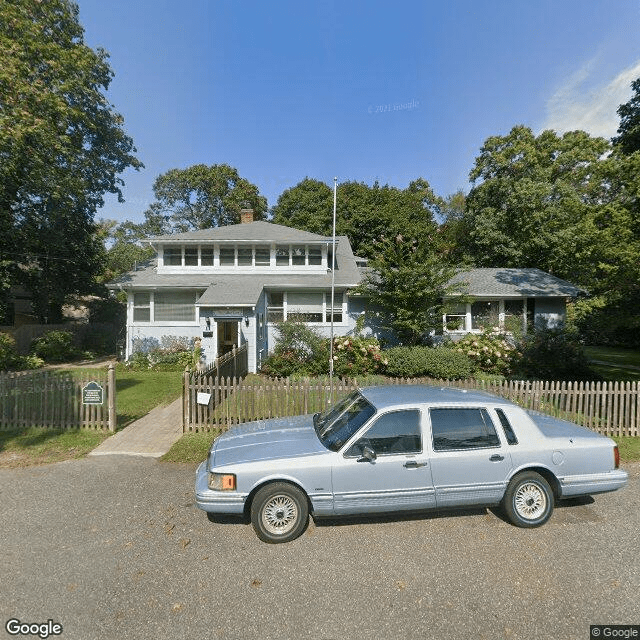
11 Wittridge St., Lake Ronkonkoma, NY 11779
To contact a resident: (631) 588-4755
For more information about senior living options: (866) 208-4318
Hidden Gem Home for Adults Costs & Pricing
Hidden Gem Home for Adults offers a cost-effective option for semi-private room accommodations at $2,250 per month. This rate is significantly lower than the average costs in Suffolk County, where similar services typically run about $3,706 monthly, and substantially less than the New York state average of $4,389. By providing competitive pricing without compromising care quality, Hidden Gem Home positions itself as an appealing choice for families seeking affordable adult care solutions in a region where expenses can be quite high.
| Floor plans | Hidden Gem Home for Adults | Suffolk County | New York |
|---|---|---|---|
| Semi-Private | $2,250 | $3,706 | $4,389 |
Assisted Living communities with a similar price nearby
-
from +$330 / mo
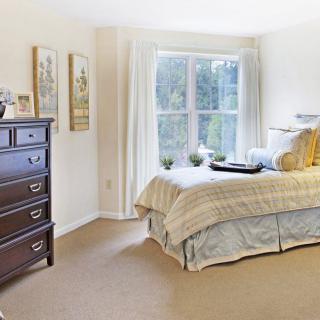
Sunrise of Dix Hills
$2,580 to $6,000 / month12.2 miles away -
from +$150 / mo
Babylon Beach House
$2,400 to $7,082 / month14.3 miles away -
from -$150 / mo

Amber Court of Westbury
$2,100 to $5,700 / month23.8 miles away -
from +$240 / mo
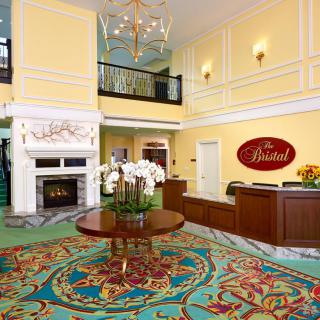
The Bristal At Massapequa
$2,490 to $8,000 / month19.0 miles away -
from +$250 / mo
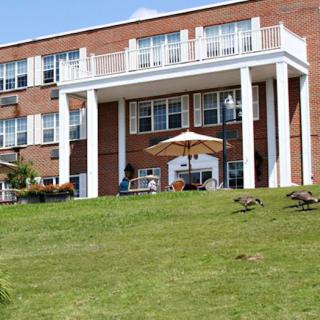
The Lake Shore Assisted Living Residence
$2,500 to $4,500 / month0.6 miles away
Overall Review of Hidden Gem Home for Adults
Pros
 The care team is professional, attentive, and truly kind-hearted.
- The facility is spotlessly clean, and the resident’s room feels more like an apartment.
- The staff is caring and hardworking.
- The staff takes a personal interest in the well-being of every resident.
- The administrator is described as the absolute best, ensuring operations run smoothly and addressing problems immediately.
- The facility is considered a great value for the money.
Cons
 The family was not happy with her care at the Hidden Gem.
- The Hidden Gem could not handle her dementia.
- The Hidden Gem basically dumped her off.
- The Hidden Gem refused to reimburse any funds.
- The Hidden Gem was basically thieves, ripping families off.
- It was the worst experience of the family’s life, and they advised others to stay away.
- The Hidden Gem sent her to the hospital within a week, thinking she had a UTI.
Review
Hidden Gem Home for Adults in Lake Ronkonkoma is best suited for seniors who prize a clean, apartment-like living environment paired with hands-on, genuinely compassionate care. This community appeals to families seeking visible, attentive staff who treat residents with warmth and respect, and who want frequent, clear updates on health, medications, and daily well-being. The rooms and common areas are described as homey and well-kept, reinforcing a sense of dignity and personal space rather than an institutional feel. For residents who value straightforward oversight, a proactive administrator, and a neighborhood vibe where care staff know residents by name, Hidden Gem offers a compelling combination of comfort and daily reliability.
However, a clear counterbalance is necessary for families weighing alternatives. Those confronting advanced dementia or complex behavioral needs may want to compare facilities with specialized memory-care programs and higher staff-to-resident ratios. Budget-conscious families should scrutinize what is included in “for the money” and assess whether additional personalized services or private-pay options are affordable long-term. Potential residents who require stringent medical protocols, more robust clinical oversight, or formal, transparent refund and transfer policies may find other options more reassuring. The mix of highly positive experiences and highly negative outliers signals that care quality can vary by case and by administrative handling.
The strongest pros center on the care team’s professional, attentive, and compassionate approach. Families note consistent communication about health and medications, which reduces uncertainty at a vulnerable time. The staff’s genuine kindness and hard-working ethos come through in daily interactions, and the administrator is repeatedly praised for operational smoothness and prompt problem-solving. Cleanliness and a residential ambience, where a resident’s room feels like an apartment rather than a locked-down space, add tangible value, especially for residents who prefer dignity and autonomy within a supportive framework. Taken together, these elements create a foundation that often offsets routine challenges with measurable peace of mind and a sense of belonging.
Yet the cons, real and painful for some families, cannot be dismissed. One family’s experience alleges a rushed hospital transfer, a misdiagnosis concern, and an admission that proved emotionally costly and financially contentious when it came to refunds. Such episodes cast a shadow over the otherwise favorable reputation and highlight the risk that dementia care needs or rapid medical events may exceed what the facility can safely absorb. These reports underscore the necessity of verifying the facility’s dementia-specific capabilities, emergency transfer protocols, and explicit, binding policies on refunds and care adjustments before committing. A prudent prospective resident will demand detailed care plans, physician involvement records, and a transparent incident-tracking process.
Decision-making guidance hinges on a careful match of needs to what Hidden Gem actually delivers. For residents who are mostly stable, require routine assistance, and thrive on personalized attention within a clean, welcoming setting, this community represents a strong value proposition. Families should, however, actively verify the facility’s capacity to handle memory impairment and behavioral challenges, request current care schedules, and seek direct conversations with the administrator and front-line caregivers. Visiting with current residents, reviewing care plans, and requesting a clearly written policy on incident responses and refunds will prevent souring experiences from becoming perceived norm. The aim is to emerge with a confident expectation grounded in concrete policies, not hopeful generalities.
In sum, Hidden Gem Home for Adults stands as a practical, well-regarded option for seniors who prioritize intimate, compassionate care in a tidy, apartment-like setting and who can tolerate the possibility of variability in dementia-related responses. It rewards families who invest upfront in due diligence, demanding clarity on medical oversight, transfer procedures, and financial protections. For those whose needs include robust memory-care programming, or whose risk tolerance demands ironclad guarantees, pursuing alternatives with formal memory-care tracks and stronger incident-resolution guarantees is prudent. A candid, in-person assessment is the decisive next step, with emphasis on care plans, administrator accessibility, and a transparent understanding of what happens when the unexpected occurs.
 Assisted Living
 Activities on-site
 Devotional services off-site
 Indoor common areas
 Long Island - MacArthur (2 miles away)
 Ambulatory care
 Diabetic care
 Meals provided



 Comprehensive Insights into Activities of Daily Living (ADLs) and Their Assessment
 Medicare Coverage for Assisted Living: An In-Depth Exploration
 Your Comprehensive Guide to Luxury Assisted Living: Elevated Facilities, Amenities, and Costs