
141 Middle Neck Road, Sands Point, NY 11050
For more information about senior living options: (866) 208-4318
Overall Review of HKNC Headquarters
Pros
 The facility has nice rooms.
- They provide wonderful training as sighted-guide, co-navigator, and Deaf-Blind interpreter, along with valuable information about vision loss.
- They provide quality care at its best, with friendly, knowledgeable staff and a top-of-the-line medical facility.
- They deliver great service to humanity.
- The staff are very helpful and knowledgeable.
- The staff and facility are tremendous.
- The center helps people with disabilities from all around the country.
- They do great work for the sight-impaired.
Cons
 The reviewer claims the Helen Keller law office only helps the blind and the dead and won’t assist the general public.
- The reviewer says HKNC treated students like children and attempted to brainwash them.
- The reviewer states staff entered their room without permission when there was no emergency.
- The reviewer alleges HKNC falsely claimed to be the only training center for deaf-blind people.
- The reviewer describes HKNC as a failure and says they would never return for training.
- The reviewer accuses HKNC of using regional reps to coerce students and of brainwashing VR counselors.
- The reviewer asserts HKNC broke the laws and should shut down.
- The reviewer notes facility/service issues such as no cellphone service, unfriendly staff at the residence hall, bad laundry, and cold water.
Review
HKNC Headquarters in Sands Point is best suited for Deaf-Blind adults who want deep, structured training and access to highly specialized services that support independence. The programmatic backbone is built around tactile communication, sighted-guide and Deaf-Blind interpretation, and hands-on skill development that translates to real-world independence. For families seeking a center with a long-running reputation, substantial resources, and a national footprint, HKNC offers a distinctive, purpose-built ecosystem that can accelerate pathways to employment, home living, and community participation. This is a setting where residents repeatedly note the value of the comprehensive curriculum and the availability of knowledgeable staff who understand the intersection of vision loss and hearing impairments.
The strongest positives here lie in the staff expertise and the scope of services. Reviewers consistently highlight friendly, knowledgeable instructors and clinicians, plus top-tier facilities that underscore serious medical and rehabilitative work. The center’s training pieces, ranging from technical interpreting credentials to hands-on independence coaching, are repeatedly described as meaningful and mission-driven. The iCanConnect network and related supports appear accessible, and the overall impact on participants who engage deeply with the programs is palpable. For families prioritizing a robust, evidence-based continuum of care that blends technology-aided communication with practical independence training, HKNC delivers demonstrable value.
However, the experience is not without significant caveats. Several former participants describe a climate that can feel controlling or invasive: instances of grooming or “treatment like a child” during training, and reports of room entries or supervision that cross personal boundaries. Complaints extend to interpersonal dynamics that miss the mark on respect and autonomy, including perceived slow responsiveness, awkward social culture, and some staff interactions that come off as chilly or dismissive. A subset of reviews also alleges aggressive external recruiting tactics by regional representatives and concerns about how training reports and records are generated or shared. Logistics in the residence and daily life, noisy or cold conference spaces, uneven laundry service, and inconsistent comfort in living areas, add a practical stress factor for residents pursuing longer stays.
These strengths and weaknesses must be weighed against each other in light of individual priorities. The core pros, deep specialization, staff expertise, and a national network of services, can offset the cons for families whose primary goal is to equip a Deaf-Blind adult with marketable skills, confidence in daily living, and access to advanced assistive technologies. For someone who values privacy, autonomy, and a consistently nurturing day-to-day environment, the cons may loom larger and become decision-making drivers. In short, HKNC’s impact is profound for the right person, but the experience hinges on personal tolerance for a tightly run, resource-rich program that may feel institutional at times.
Alternatives deserve explicit consideration for those who question the fit. There are other centers around the country that provide Deaf-Blind training and related services, with some reviewers preferring or recommending options like Tactile Communications or smaller programs that emphasize private pacing and a less centralized institutional vibe. Families prioritizing a less intense, more individualized approach, greater emphasis on personal privacy, or a testing-of-wit between independence training and day-to-day life in a less formal setting may find these alternatives more aligned with their expectations. It is prudent to compare curricula, staff engagement styles, and post-training outcomes across programs before deciding.
For families leaning toward HKNC, the practical course of action is clear: probe the day-to-day realities beyond the brochure. Seek specifics on privacy protections, room access protocols, and how student feedback is incorporated into program design. Ask about the cadence of evaluations, the role of VR counselors, and the transparency of training reports. Inquire about living accommodations, maintenance responsiveness, and the availability of quiet, well-equipped spaces for study and rest. If the aim is to secure intensive, disability-centered training with a proven track record and a national network, HKNC remains a compelling option, but only when the family accepts the trade-offs that accompany a high-resource, mission-driven program.
 52 resident community capacity
 Assisted Living
 Respite Care
 Air-conditioning
 Beauty salon
 Cable or satellite TV
 Computer center
 Dining room
 Fitness room
 Fully furnished
 Gaming room
 Garden
 Housekeeping services
 Kitchenette
 Move-in coordination
 Outdoor space
 Private bathrooms
 Restaurant-style dining
 Small library
 Telephone
 Wellness center
 Wi-Fi/high-speed internet available
 LaGuardia (11 miles away)
 Community operated transportation
 12-16 hour nursing
 24-hour call system
 Activities of daily living assistance
 Assistance with bathing
 Assistance with dressing
 Assistance with transfers
 Diabetes diet
 Medication management
 Mental wellness program
 Special dietary restrictions
 Concierge services
 Planned day trips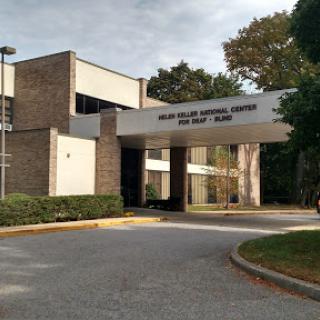





 Beyond the Bingo Hall: 50+ Enriching Activities for Seniors in Assisted Living
 Understanding the Distinctions: Assisted Living and Memory Care Explained
 Guiding Elderly Parents Who Refuse Assisted Living: 6 Practical Steps