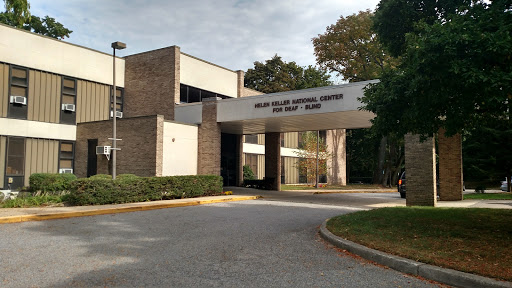
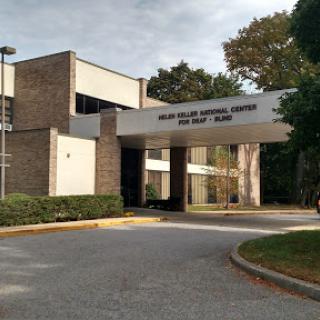
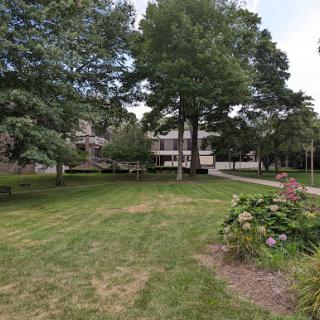
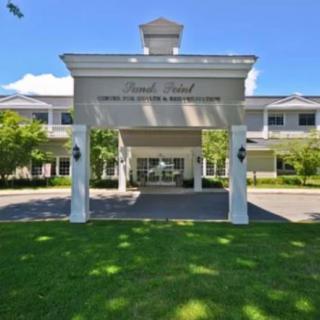
111 Middle Neck Road, Sands Point, NY 11050
For more information about senior living options: (866) 208-4318
Overall Review of Helen Keller National Center
Pros
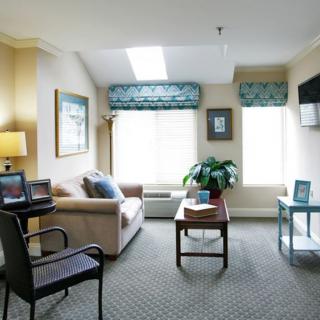
 The rooms are nice.
- They provided wonderful training as a sighted-guide/co-navigator and Deaf-Blind interpreter, along with valuable information about vision loss.
- They provide quality care with friendly, knowledgeable staff and a top-of-the-line medical facility.
- They offer great service to humanity.
- The staff are very helpful and knowledgeable.
- The staff and facility are tremendous.
- They are great people who do an amazing job with people.
- The center helps people with disabilities from all around the country.
- The facility serves deaf and blind adults who need training.
- The people who work in iCanConnect are very helpful.
- They do great work for the sight-impaired.
- The reviewer had an incredible experience helping a deaf-blind young man.
Cons
 HKNC treated the student like a child.
- HKNC tried to brainwash them.
- HKNC claimed to be the only training center in the country, a claim the reviewer called a lie.
- HKNC attempted to make false statements about them and their guide dog to cause trouble and risk losing the dog.
- HKNC apparently dislikes it when participants advocate for themselves.
- The training at HKNC was a total failure, in the reviewer’s view.
- HKNC uses regional representatives as salespeople to force new students to attend and brainwashes VR counselors to refer students.
- HKNC broke the laws and should shut down.
- There was no cellphone service and residence-hall staff were unfriendly; showers were inconsistent and furniture was lightweight and easily broken.
- The reviewer did not recommend returning to HKNC.
Review
Helen Keller National Center in Sands Point, NY is best suited for Deaf-Blind and visually impaired adults who want structured training aimed at real independence. The center functions as a high-access learning environment with specialized programs, adaptive technology, and a national consultative network that supports skill-building beyond traditional caregiving. It appeals to individuals seeking long-range growth, how to navigate daily living, communication, and community participation, rather than a routine senior-living residence. That focus makes HKNC a compelling choice for those who want to invest in autonomous living with professional guidance, even if it means a departure from conventional assisted living models.
Yet, potential residents should consider alternatives if the priority is steady, round-the-clock medical care, constant custodial support, or a more conventional residential setting. Some families may prefer facilities with predictable meal schedules, consistently friendly residence-hall environments, and private, on-site healthcare teams trained primarily in routine elder care. For those needing intensive medical supervision or a more traditional living experience without a specialized Deaf-Blind curriculum, other options may deliver more immediate comfort and privacy without the expectation of intensive training.
The strongest positives center on expertise and purpose. Reviewers repeatedly praise the staff as knowledgeable and responsive, and the center’s mission in Deaf-Blind education is backed by a track record of meaningful training and “top of the line” facilities. Rooms are described as pleasant, and the overall environment is positioned as a supportive venue for learning independent living, technology use, and navigate-without-assistance strategies. The breadth of services, ranging from learning about different vision-loss realities to practical supports in daily life, helps residents translate classroom skills into practical, lasting independence.
At the same time, several reviews flag notable drawbacks that cannot be ignored. A portion of former participants report feeling infantilized or subjected to a controlling or overbearing atmosphere, including claims of privacy violations and coercive dynamics during training. There are inconsistent experiences with daily life logistics, cellphone service gaps, uneven dining and laundry quality, and sometimes subpar maintenance in living spaces. Complaints about staff timeliness and interpersonal tone, as well as cold or uncomfortable spaces (like overly chilly conference rooms) show that the environment can vary by program and shift. These concerns suggest that HKNC’s strengths are highly levered to individual experiences and the specifics of the program chosen.
The key question becomes how the pros balance the cons in practice. For families prioritizing Deaf-Blind or vision-impaired independence, HKNC’s tailored training, assistive tech, and access to a nationwide support network offer a level of specialized capability few other centers provide. However, the potential downsides, privacy concerns, paternalistic dynamics, and variable day-to-day living quality, mean that enrollment should be preceded by thorough due diligence. Prospective participants should request current resident perspectives, seek direct conversations with program staff about rights and autonomy, and, if possible, arrange a trial period to observe daily routines and privacy safeguards before committing.
In deciding whether HKNC is the right match, weigh the central goal: meaningful, self-directed living for Deaf-Blind and vision-impaired adults versus a traditional, physician-led assisted-living experience. For those whose aim isto build practical independence with guided support and access to specialized resources, HKNC presents a rare, purpose-driven opportunity. For others, especially those needing steady medical care, predictable everyday routines, or a more conventional residential culture, alternatives may deliver greater comfort with less risk to autonomy. A careful site visit, candid conversations with alumni or current residents, and explicit agreements about privacy, schedule, and rights will illuminate whether HKNC’s distinctive model delivers the right balance of growth and security.
 52 resident community capacity
 Assisted Living
 Air-conditioning
 Beauty salon
 Cable or satellite TV
 Computer center
 Dining room
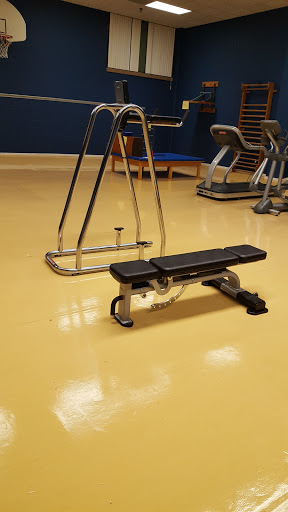
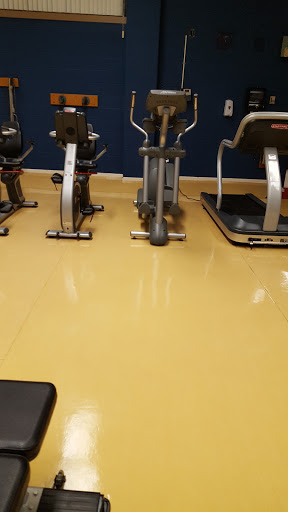
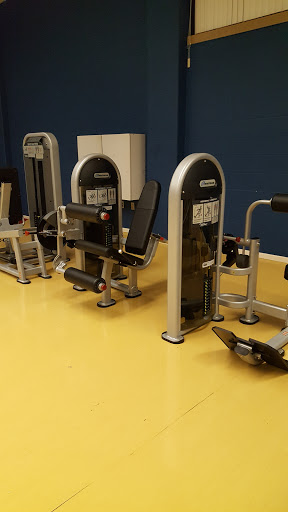
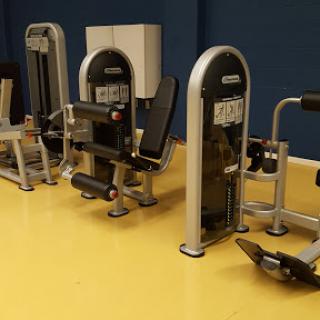
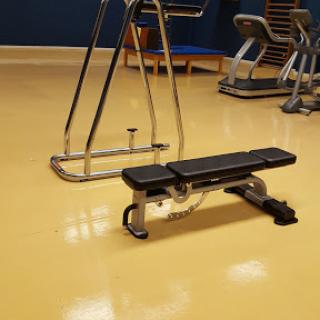
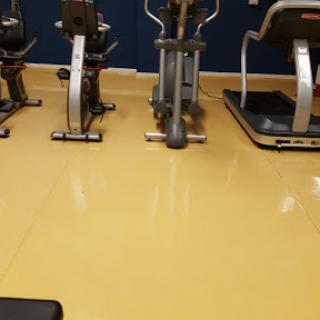
 Fitness room
 Fully furnished
 Gaming room
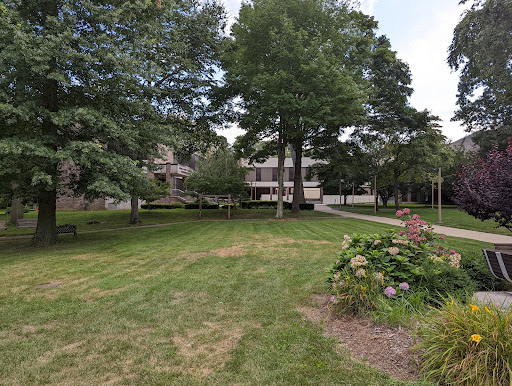
 Garden
 Housekeeping services
 Kitchenette
 Move-in coordination
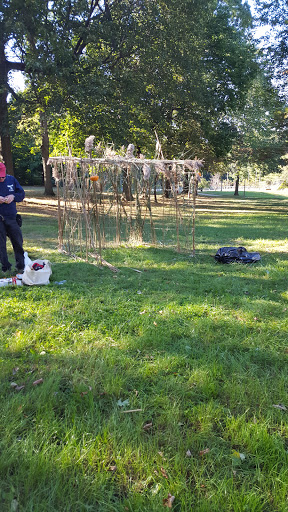
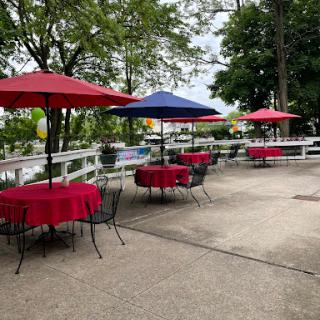
 Outdoor space
 Private bathrooms
 Restaurant-style dining
 Small library
 Telephone
 Wellness center
 Wi-Fi/high-speed internet available
 LaGuardia (11 miles away)
 Community operated transportation
 24-hour call system
 Activities of daily living assistance
 Assistance with bathing
 Assistance with dressing
 Assistance with transfers
 Diabetes diet
 Medication management
 Special dietary restrictions
 Concierge services
 Planned day trips




 Social Security Benefits and Assisted Living: Navigating Options Across the U.S.
 An Extensive Exploration of the VA Aid and Attendance Benefit
 Senior Transition Services: Understanding Their Role, Cost, and Importance