

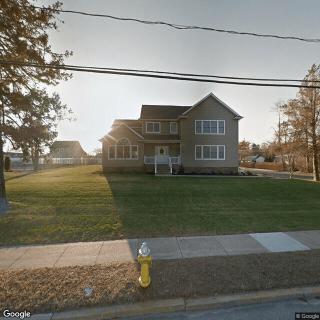
34 Sunset Lane, Patchogue, NY 11772
To contact a resident: (631) 730-8500
For more information about senior living options: (866) 208-4318
Overall Review of Nannies for Grannys
Pros
 The agency helped the family find care for their father with Parkinson's.
- From the first phone conversation, the agency was refreshingly different from other agencies.
- They made every effort to completely understand what was needed.
- They found incredibly skilled, phenomenally caring aides to help their father.
- The aides and the office staff were completely available for anything that would come up.
- Their experience and compassion met every challenge and kept their father comfortable to the end.
- The family highly recommends this agency for loved ones in need.
- Nannys for Grannys has been professional, caring, and extremely helpful.
- The caregivers have been caring, professional, and always on time.
- Their service gives families peace of mind knowing loved ones are in good care.
- The caregivers really cared about their loved ones' well-being and displayed it daily.
- The agency is recommended for quality health care services.
Cons
 The company is a joke; it is unorganized and unprofessional, with no regard for compliance or patient safety, and it constantly breaks the law.
- A worker stole time and abandoned the client's mother, then returned to demand full hours, which was disgusting.
- The company is terrible and does not deliver on its claims of good communication or top service.
- The company dropped an elderly client with no warning, and the aides and office staff showed attitudes.
- The client left for another agency due to unprofessionalism and poor staff attitude.
Review
Nannies for Grannys is best suited for families seeking in-home senior support delivered with warmth, attentiveness, and practical hands-on care, especially when a loved one has a progressive condition like Parkinson’s and needs daily assistance with activities, reminders, and comfort in familiar surroundings. This agency shines for households that prioritize compassionate, skilled aides who can adapt as needs evolve and who value an office team that coordinates care and remains accessible for urgent questions. When the goal is preserving independence at home while safeguarding dignity and comfort, the right caregiver match and reliable day-to-day support can create real peace of mind.
Those weighing alternatives should recognize that this model may not fit every family profile. If operating with strict, uniform staffing and formalized oversight is non-negotiable, or if the preference is for guaranteed continuity with a single manager overseeing care, other providers with more rigid governance may be preferable. For clients requiring 24/7 live-in coverage with guaranteed staffing, or dealing with complex behavioral or dementia issues needing specialized, tightly controlled programs, exploring a larger, more regulated home-care outfit or a facility-based option could reduce risk. In short, where organizational reliability and predictable coverage are paramount, alternatives deserve serious consideration.
On the upside, the strongest draw is the caliber of the caregivers themselves. Multiple families recount caregivers who are genuinely compassionate, capable with daily living tasks, and able to adjust as medical needs intensify. The office staff often emerges as responsive and helpful, with clear efforts to match the right person to the situation and to stay available when questions arise. This caregiver-centered strength translates into meaningful daily comfort for seniors and measurable relief for anxious relatives who want to know their loved one is in capable hands.
Yet the strength of caregiving is unevenly supported by organizational performance. A recurring concern across reviews is disorganization and inconsistent professionalism in the office and governance. Several accounts describe episodes where the agency failed to provide reliable oversight, or where staff practices ran afoul of expectations around compliance and safety. Disturbing reports include theft or manipulation of time, abrupt drops of clients without warning, and broadly inconsistent communication. These vulnerabilities threaten the very stability families seek and can erode trust when a crisis arises and the supposed systems fail to deploy a timely, appropriate response.
Families considering this agency should build guardrails into the engagement from day one. Demand a formal, written care plan with explicit caregiver assignments, backup coverage, and a clear escalation path for missed visits or care gaps. Require comprehensive background checks and credential validation for every caregiver, plus a documented policy for substitution and continuity of care. Insist on routine, documented progress updates and a predictable schedule, with a clearly defined root-mean-square for what happens if a caregiver is unavailable. A trial period with a primary caregiver and a concrete contingency plan helps inoculate against abrupt transitions that compromise safety and comfort.
Bottom line: Nannies for Grannys can deliver standout warmth, competence, and genuine peace of mind when the right caregiver is in place and the local office executes well. It is a compelling fit for families who can actively supervise care, value bedside manner and dependable day-to-day reliability, and are prepared to manage organizational risks with explicit agreements and vigilant oversight. For households where absolute consistency, rigorous compliance, and guaranteed, seamless coverage are non-negotiable, exploring alternatives remains a prudent step. In Patchogue, the agency’s strongest asset is the depth of caregiver relationships and the real comfort they bring, tempered by the imperative to address governance and staffing reliability with disciplined, ongoing oversight.
 Long Island - MacArthur (5 miles away)






 In-Home Care Costs in 2025: A Detailed State-by-State Exploration
 Understanding Home Health Care: A Comprehensive Guide
 Home Health Care Demystified: A Comprehensive Guide for Families and Caregivers