
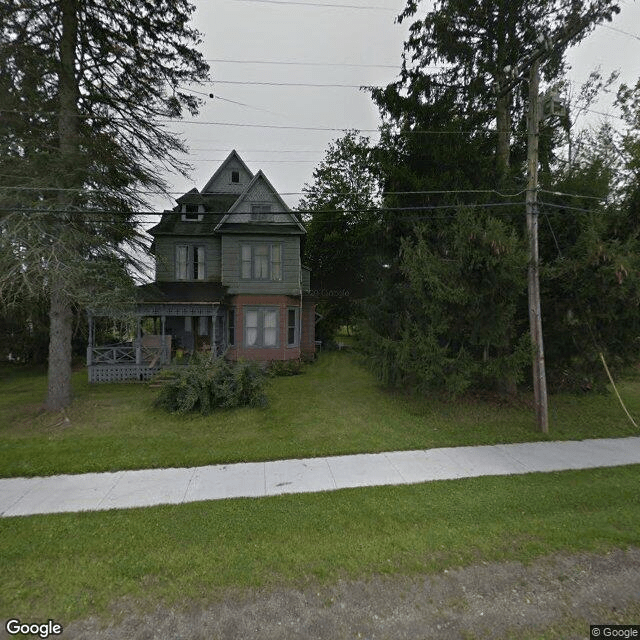
12 Gifford Ave., Jamestown, NY 14701
To contact a resident: (716) 338-0500
For more information about senior living options: (866) 208-4318
Comfort Today Costs & Pricing
Comfort Today offers private room accommodations at a monthly cost of $2,790, which is significantly more affordable compared to the average rates in Chautauqua County at $3,637 and even lower than the broader state average of $5,159. This pricing strategy positions Comfort Today as a competitive option for those seeking quality care without the financial strain often associated with similar facilities. By providing a comfortable living environment at a reasonable price, Comfort Today meets the needs of residents while ensuring they receive exceptional service.
| Floor plans | Comfort Today | Chautauqua County | New York |
|---|---|---|---|
| Private | $2,790 | $3,637 | $5,159 |
Senior living communities with a similar price nearby
-
from -$390 / mo
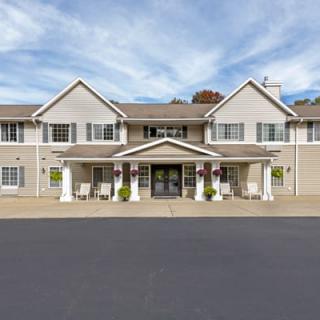
Brookdale Lakewood
$2,400 to $6,800 / month1.3 miles away -
About the same

Cambridge Warren Retirement Community
$2,850 to $4,100 / month18.5 miles away -
from -$185 / mo

WCA Home
$2,605 / month24.1 miles away -
from -$290 / mo
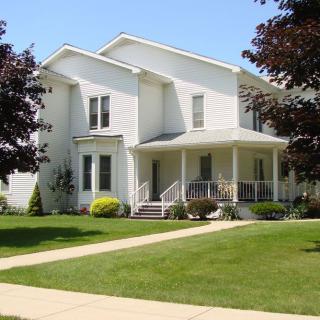
Randolph Manor
$2,500 to $4,000 / month16.2 miles away -
from -$340 / mo
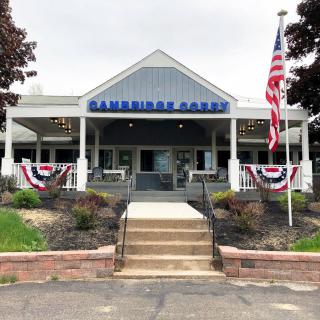
Cambridge Corry Retirement Community
$2,450 to $5,545 / month21.0 miles away
Overall Review of Comfort Today
Pros
 The staff are very caring and they plan lots of great activities for everyone.
- The facility is clean and the grounds are beautiful.
- The program provides good stimulation for residents with dementia and gives them stories to share afterward.
- The respite provided is extremely helpful for caregivers.
- The facility is excellent, and the staff are highly regarded for their kindness.
- The food is better here than at other facilities.
- The place is great and the games are enjoyable.
Cons
 Sandy B. thinks the help could be improved.
- Sandy B. says there needs to be more staff.
Review
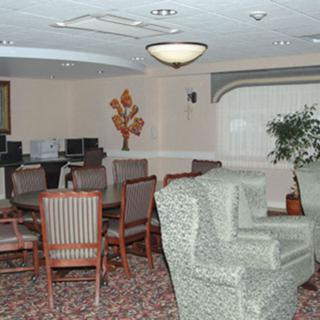
Comfort Today in Jamestown, NY is best suited for families seeking an inviting, activity-rich assisted living option that can deliver meaningful daytime engagement for a loved one coping with dementia while providing dependable respite for caregivers. The environment emphasizes engagement, social interaction, and a bright, clean setting. The program calendar is packed with planned activities that spark conversation and memories, and residents report tangible benefits in mood and storytelling after visits. The combination of warmth from staff and a well-kept campus makes it a practical choice for families who want a hands-on, hopeful path rather than a sterile or purely clinical experience.
Those who should consider alternatives are families whose loved one requires heavier medical supervision, constant monitoring, or a more structured memory-care program with dedicated dementia specialists on site. While Comfort Today earns praise for kindness and connection, at least one reviewer flagged the need for more staff, which can influence response times and hands-on assistance during busy periods. For residents needing intensive care tasks, around-the-clock assistance, or a strict medical routine, a facility with a deeper clinical footprint may provide safer, more predictable coverage and reassurance for families.
Among the strongest positives are a caring staff, a friendly community, and a robust activity lineup. Residents form friendships quickly, meals are a highlight, and the setting, clean facilities and well-kept grounds, supports a pleasant daily routine. For a loved one with dementia, the ability to share stories and receive thoughtful stimulation every day can slow withdrawal and promote cognitive engagement. The respite experience is repeatedly described as helpful for caregivers, a crucial factor for families managing fatigue and caregiver burnout. The social energy and personalized attention translate into meaningful days rather than lonely routines.
Yet the hedge against these strengths is the staffing question. The recurring note about needing more help signals that response times, assistance with daily tasks, and coverage during peak hours may not be as seamless as hoped. Still, the care philosophy, kindness, personal attention, and a social, activity-forward environment, means many of these gaps are mitigated by attentive staff who know residents well. The environment, nutrition, and social life help offset occasional gaps, especially for families seeking a non-institutional, home-like feel within a supportive community that values daily engagement over formal rigidity.
Actionable steps for families are clear. Arrange a firsthand visit, observe how staff interact with residents, and specifically ask about staff-to-resident ratios, shift coverage, and the availability of aides during mealtimes and activity times. Inquire about respite options, what care tasks are included, and how dementia-friendly programming adapts to different levels of need. Consider proposing a short-term respite stay as a litmus test to see how well the resident responds to the routines, social setting, and staff approach before making a longer commitment.
Overall, Comfort Today presents a practical and compassionate option for families prioritizing engagement, social connection, and a warm, humane atmosphere for a loved one with dementia. It shines where meaningful activities, personal warmth, and caregiver relief align with priorities, delivering a lived experience that can be worth the choice for many. For those whose care needs are more intensive or require stronger, more consistent staffing, alternatives with deeper clinical support or dedicated memory-care units should be compared to avoid gaps in care. With deliberate visits and clear questions, families can determine whether Comfort Today is the best fit or if another community would better align with the level of oversight and specialization required.
 Day Program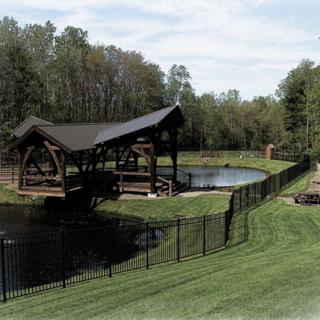


 Fecal Incontinence in Older Adults: A Comprehensive Guide
 Recognizing the Journey: Understanding and Navigating Anticipatory Grief
 Encouraging Participation in Adult Day Care: A Guide to Supporting a Hesitant Parent