
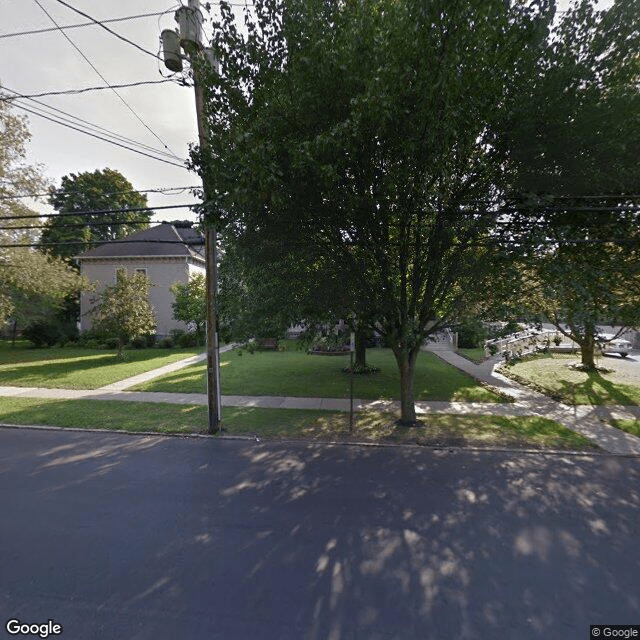
134 Temple Street, Fredonia, NY 14063
To contact a resident: (716) 672-7961
For more information about senior living options: (866) 208-4318
WCA Home Costs & Pricing
WCA Home offers a competitive pricing structure for its studio accommodations, with a monthly cost of $2,605. This rate stands in stark contrast to the average costs within Chautauqua County, which are $4,061, and even more so compared to the broader New York state average of $4,532. By providing such an affordable option, WCA Home positions itself as an attractive choice for those seeking quality care and comfortable living arrangements without the financial burden commonly associated with similar facilities in the region. This strategic pricing not only underscores WCA Home's commitment to accessible care but also highlights its dedication to serving the local community effectively.
| Floor plans | WCA Home | Chautauqua County | New York |
|---|---|---|---|
| Studio | $2,605 | $4,061 | $4,532 |
Assisted Living communities with a similar price nearby
-
from -$205 / mo
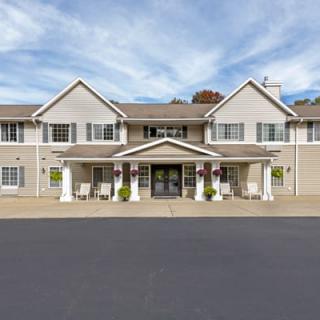
Brookdale Lakewood
$2,400 to $6,800 / month24.2 miles away
Overall Review of WCA Home
Pros
 The WCA Home is very clean.
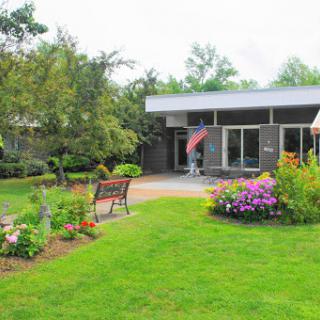
- The grounds are very pretty.
- The staff is very welcoming and warm.
- The facility offers activities such as cards, live music, movie nights, and arts and crafts.
- The staff are friendly, caring, and well educated.
- Residents can choose activities they enjoy during the day.
- The home is small enough to give special attention to all.
- The all-women facility is a beautiful Victorian home with attentive administration and employees who love their residents.
Cons
 The place smells like decaying flesh, and is filled with old people just sitting around doing nothing.
- They are made to chant the Lord's Prayer before meals, like a bunch of robots.
- It is a pathetic place filled with women who are stuck there by uncaring relatives.
- The praying before meals is enough to make residents want to die.
- It is a "last resort" type of place for people who cannot afford anything better.
- This facility is poorly managed and has barely qualified teenagers giving uncaring patient care.
- The food is tasteless and overcooked, and people are forced into chanting prayers before the meals are served.
- Residents sit around sleeping in chairs and wondering what day of the week it is.
- There are no worthwhile amenities, and it is probably the worst environment ever visited.
- The rooms are small, the food is mush, and the entire home is filled with women sitting around waiting to die.
- It is a depressing place filled with uncaring employees and certainly not somewhere you want to end up living.
- The WCA Home was old and had very small rooms, and it did not look very appealing.
- Though a beautiful home and very tastefully furnished, the WCA Home couldn't be recommended.
Review
WCA Home in Fredonia is best suited for older women who want a small, homelike assisted living experience with a strong sense of community, structured activities, and a faith-informed atmosphere. The all-women environment, paired with a Victorian-style setting and an emphasis on social engagement, makes it a natural fit for residents who thrive on connection and purposeful daily rhythms rather than hospital-grade amenities. Families seeking a facility where residents eat together, participate in a wide slate of activities, cards, live music, movie nights, arts and crafts, and enjoy accessible, attentive care will find that WCA Home consistently delivers warmth, cleanliness, and a feeling of being looked after rather than simply housed.
On the flip side, several realities suggest alternatives may be preferable for some. Those who require secular surroundings or who want a more modern floor plan with larger rooms and universal accessibility may feel crowded out by the traditional, all-women setting and the older building. Mobility limits where stairs exist can be a barrier; some residents with dementia or high medical needs may require higher levels of care than this community commonly provides. And families alert to management consistency or staffing stability should note that a few reviews paint a harsher picture of operation and care quality.
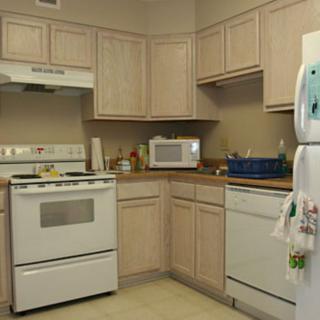
Still, the strongest positives tilt toward daily life in a well-kept, inviting home. Residents benefit from high touch care: attentive staff, a warm reception from caregivers, and access to doctors who understand the local patient mix. Cleanliness is repeatedly highlighted, with no detectable odors and a tidy, decorated environment. The small scale allows real personalization, two dining rooms, a choice of activities every day, and multiple sitting areas with fireplaces that foster conversation and comfort. The robust activity calendar keeps residents engaged rather than idle, which matters when the main concern in downsides is a perceived lack of purpose or stimulation.
Other strengths compound this appeal. The setting is aesthetically pleasing, the grounds are attractive, and the home leverages community networks, volunteers, local groups, and college students, to expand programming and outings. The staff-to-resident ratio, cited by family observers as notably favorable, translates into more individualized attention and quicker responsiveness. The facility’s narrative of "quality care at affordable prices" is echoed by many families who emphasize the sense that residents are valued and supported without exorbitant costs. For families prioritizing social enrichment, meaningful routines, and ongoing contact with a warm team, these elements are decisive advantages.
Yet practical concerns do surface in some critiques. A few accounts describe an environment that feels dated, with small rooms and steps that complicate mobility for some residents. Reports of management lapses, undertrained staff, or uneven care quality cannot be ignored, and there are assertions of uncomfortable interactions around dementia and sensitive care that raise red flags for families with specific needs. Food is described unfavorably by some as mushy and poorly prepared, and there are pointed warnings about an atmosphere that some perceive as dreary or overly religious. While these reviews represent a minority, they are tangible signals to verify in a personal tour.
Decision guidance is clear: a family evaluating WCA Home should plan an in-depth visit with questions aligned to their loved one’s priorities, room size, accessibility, medical support, and how the community handles spiritual life. Speak privately with current residents and their families to hear firsthand about day-to-day experiences, inspect dining options, and assess whether the activity calendar aligns with interests. If secular, memory-care, or modern conventions are nonnegotiable, alternatives may be better suited; if a faith-oriented, neighborly, engaged environment with strong staff presence is valued, WCA Home deserves serious consideration. In the end, the best fit is a careful balance of comfort, safety, engagement, and cost, all verified through a candid, on-site visit.
 Assisted Living
 Independent Living
 Activities off-site
 Bath tubs
 Beautician on-site
 Devotional services on-site
 Indoor common areas
 Outdoor common areas
 Respite or short term stays offered
 Ambulatory care
 Incontinence care
 Meals provided




 An Extensive Exploration of the VA Aid and Attendance Benefit
 Senior Transition Services: Understanding Their Role, Cost, and Importance
 Exploring the Path to Senior Living: A Comprehensive Look at Independent Living and Assisted Living