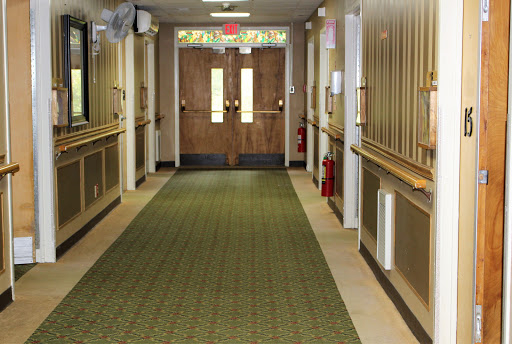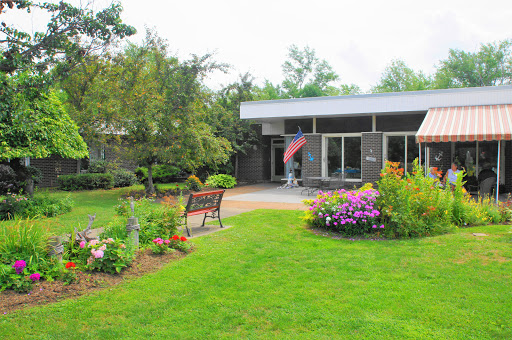
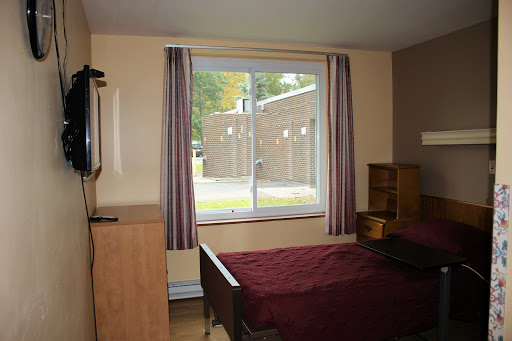
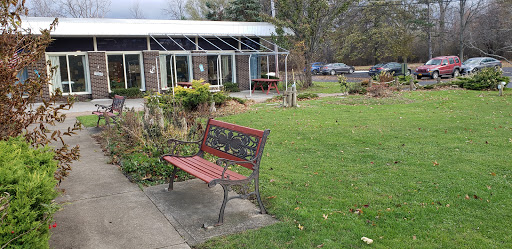
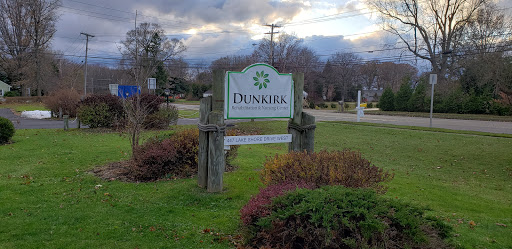

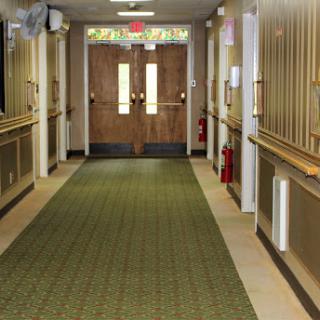


447 449 Lake Shore Drive West, Dunkirk, NY 14048
For more information about senior living options: (866) 208-4318
Overall Review of Dunkirk Rehabilitation & Nursing Center
Pros
 The staff at Dunkirk Rehabilitation Center and Nursing Home are helpful, understanding, and kind, always with a smile.
- The team goes above and beyond to ensure residents are taken care of, even when challenges arise.
- The center is small but clean, offering a family-like atmosphere with consistent staffing.
- Families feel impressed and grateful for the level of care provided, often saying the staff feel like family.
- The facility provides thorough therapy services and high-quality long-term care in a patient-centered setting.
- The staff is amazing and makes residents and their families feel supported and valued.
Cons
 Her oxygen machine was not working, and she was told repeatedly she couldn’t use a different one.
- The family had to listen to voice clips of their mother panicking and feeling she was about to die, with no one there to help.
- They canceled her call for help and only provided assistance after her oxygen level dropped to 70.
- The machine did not work as the mother claimed, and the staff could not realize that.
- The facility was described as completely unfit, from nutrition and staffing to quality of care and cleanliness.
Review
Dunkirk Rehabilitation & Nursing Center is best suited for families seeking a small, patient-centered option in Dunkirk, where staff know residents well and care comes with a personal touch. The center excels at helping seniors recover after falls or surgery and providing steady, long-term care for residents with chronic needs, including dementia. Its compact size translates into consistent staffing, predictable routines, and a culture where aides and therapists are readily available and genuinely approachable. For families, that translates into a sense of safety and continuity: caregivers who see the person behind the chart, a familiar face at mealtimes, and therapy teams that can tailor plans without navigating a labyrinth of departments. In short, it suits those who want intimate, attentive care over a big-campus experience.
Alternatives are worth considering for care plans that demand scale, diversity of specialists, or more formal oversight. If a loved one requires a campus with extensive subspecialty services, highly varied activity programs, or a physician-on-site model around the clock, a larger facility may be a better fit. Families who prioritize ultra-modern amenities, robust nutrition programs, or more rigorous quality metrics might also prefer a bigger operation. And for memory-care environments with dedicated wings and higher nurse-to-patient ratios, a different campus could deliver more comprehensive coverage. Dunkirk’s strength is intimate care; its potential shortfall is the breadth and depth of resources that only larger settings can routinely provide.
On the plus side, residents consistently receive compassionate attention from a stable staff, the kind of care that feels both respectful and dependable. The facility’s small footprint fosters a family-like atmosphere, where therapy teams can deliver thorough, focused rehabilitation and long-term care plans without the friction of large bureaucracies. Dementia care is approached with patience and adaptability, and even residents who are hard to please are met with steady efforts to brighten days and maintain dignity. Families repeatedly praise the way staff respond to questions, the availability of caregivers, and the sense that someone is always nearby. The combination of personalized therapy and a friendly environment stands out as a core strength.
Yet a single, highly critical review cannot be dismissed. The report alleging oxygen equipment failures, delayed help, and a frightening lack of responsiveness raises legitimate red flags about emergency readiness and caregiver vigilance. If accurate, it would signal a breakdown in safety nets that must be addressed immediately. However, the pattern among the majority of comments tilts strongly toward dependable, attentive care, with many residents thriving under consistent staffing and a dedicated therapy program. Prospective families should verify current emergency protocols, equipment maintenance, and response times during a visit, and request to see recent quality-assurance results. Asking to observe a shift or to review a discharge-care plan can illuminate whether the center’s procedures align with expectations.
Overall, the positive attributes, consistent staffing, patient-centered therapy, and a nurturing atmosphere, tend to offset the risks associated with a smaller operation. For loved ones who benefit from routine and immediate access to caregivers, the proximity of staff is a real asset during rehab and long-term management. The small staff pool can be a strength when it means less turnover and more continuity in daily routines; it can also be a vulnerability if demand spikes or if coverage gaps occur. The center’s ability to address dementia and post-acute needs with individualized plans helps families feel confident that a loved one is not lost in the system, even when care gets complex.
Families weighing options should plan a careful site visit with questions that probe staffing patterns, fall-prevention practices, and the status of equipment relied upon at home. Request to meet the therapy team, review a sample care plan, and see a room where activities take place to gauge engagement. Confirm recent inspection findings and ask about staffing levels on weekends and evenings. If the goal is a warm, hands-on setting where caregivers know residents by name and respond promptly to concerns, this center stands up well and deserves serious consideration. It is a strong choice for those prioritizing intimacy and personalized rehab with a steadfast, caring culture, while alternatives may be more suitable for families needing broader resources or more stringent safety oversight.
 40 resident community capacity
 Skilled Nursing Facility
 Beauty salon
 Cable or satellite TV
 Dining room
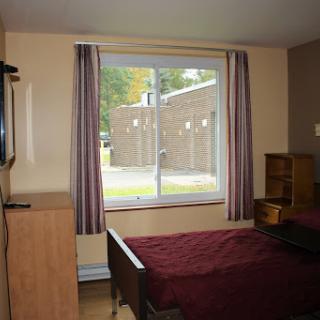
 Fully furnished
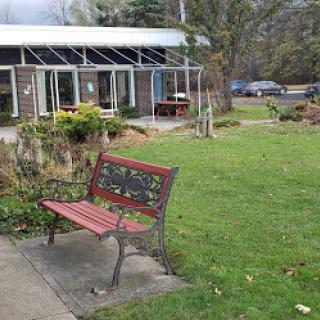
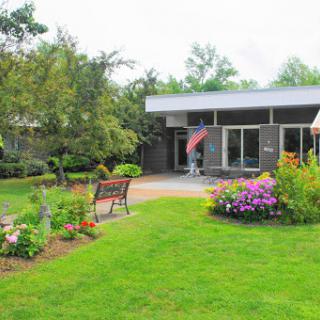
 Garden
 Housekeeping services
 Kitchenette
 Move-in coordination
 Outdoor space
 Restaurant-style dining
 Small library
 Telephone
 Wi-Fi/high-speed internet available
 24-hour call system
 Activities of daily living assistance
 Assistance with bathing
 Assistance with dressing
 Assistance with transfers
 Diabetes diet
 Medication management
 Mental wellness program
 Special dietary restrictions





 In-Home Care Costs in 2025: A Detailed State-by-State Exploration
 Understanding Home Health Care: A Comprehensive Guide
 Home Health Care Demystified: A Comprehensive Guide for Families and Caregivers