Randolph Manor in Randolph, NY

Save

  • Interior

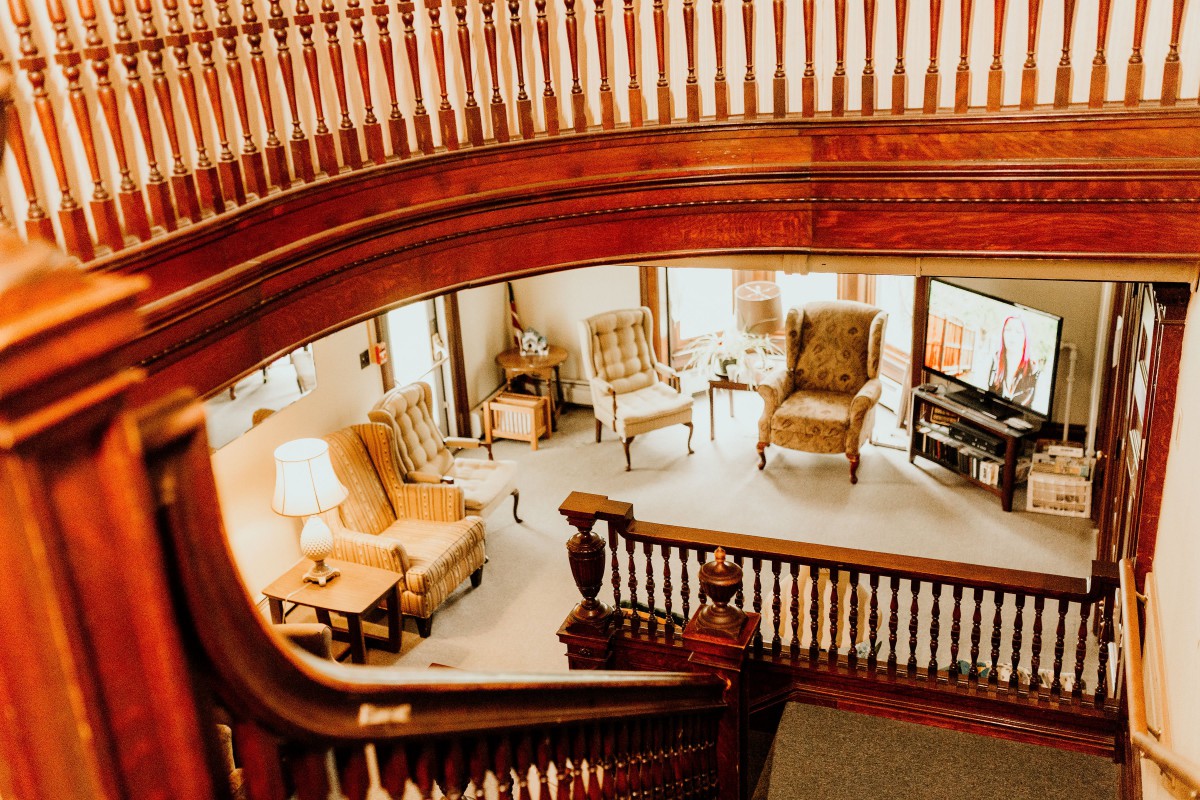
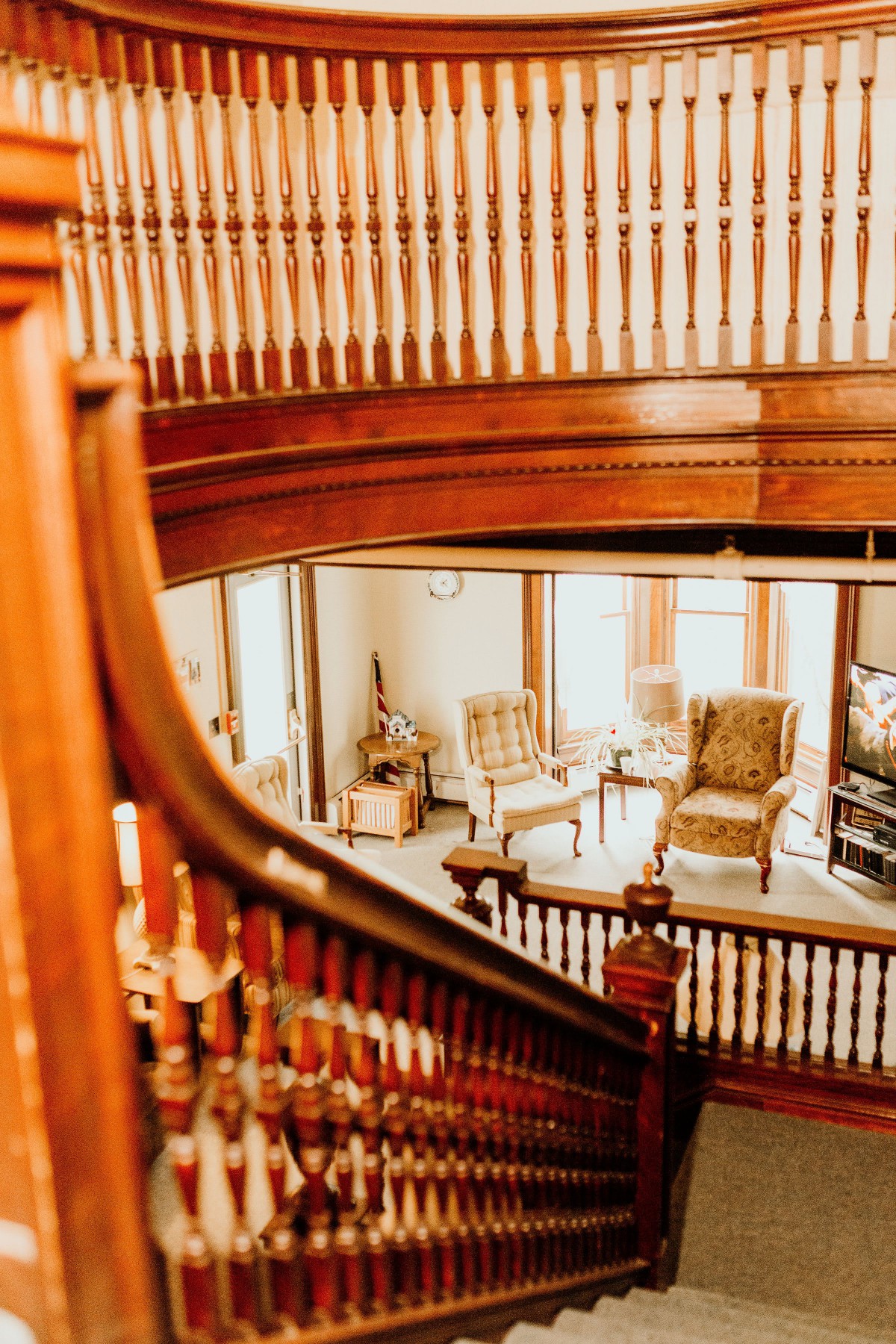
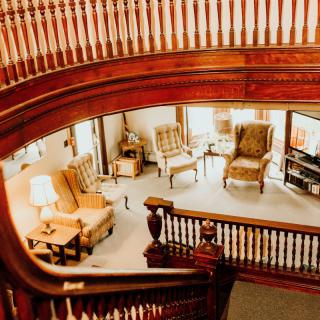
    A cozy living room with a classic wooden staircase and comfortable armchairs.
  • Outdoors

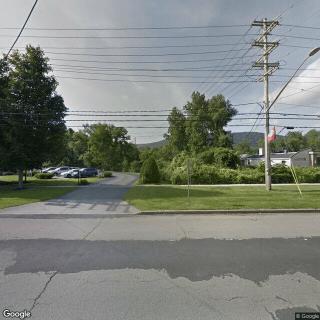
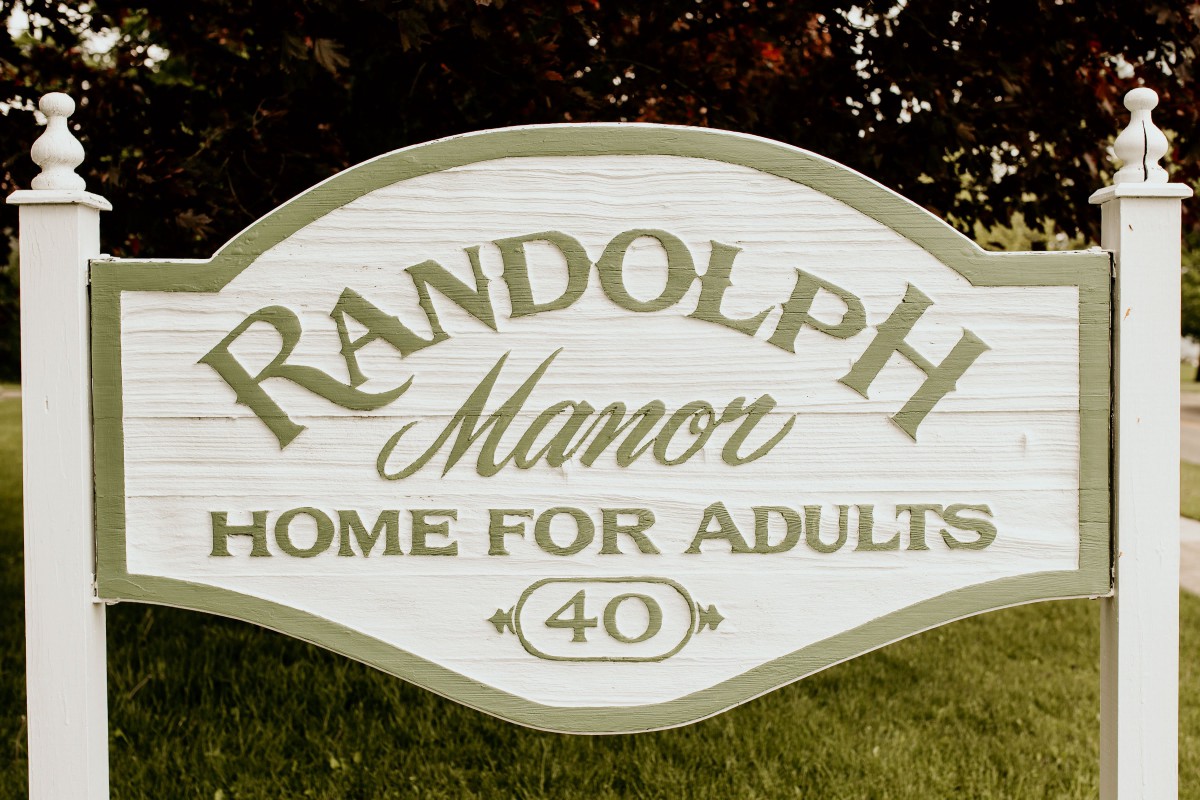
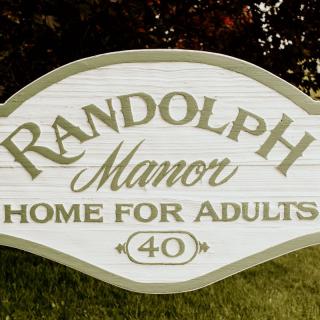
    A sign for Randolph Manor, a home for adults.
  • Decor

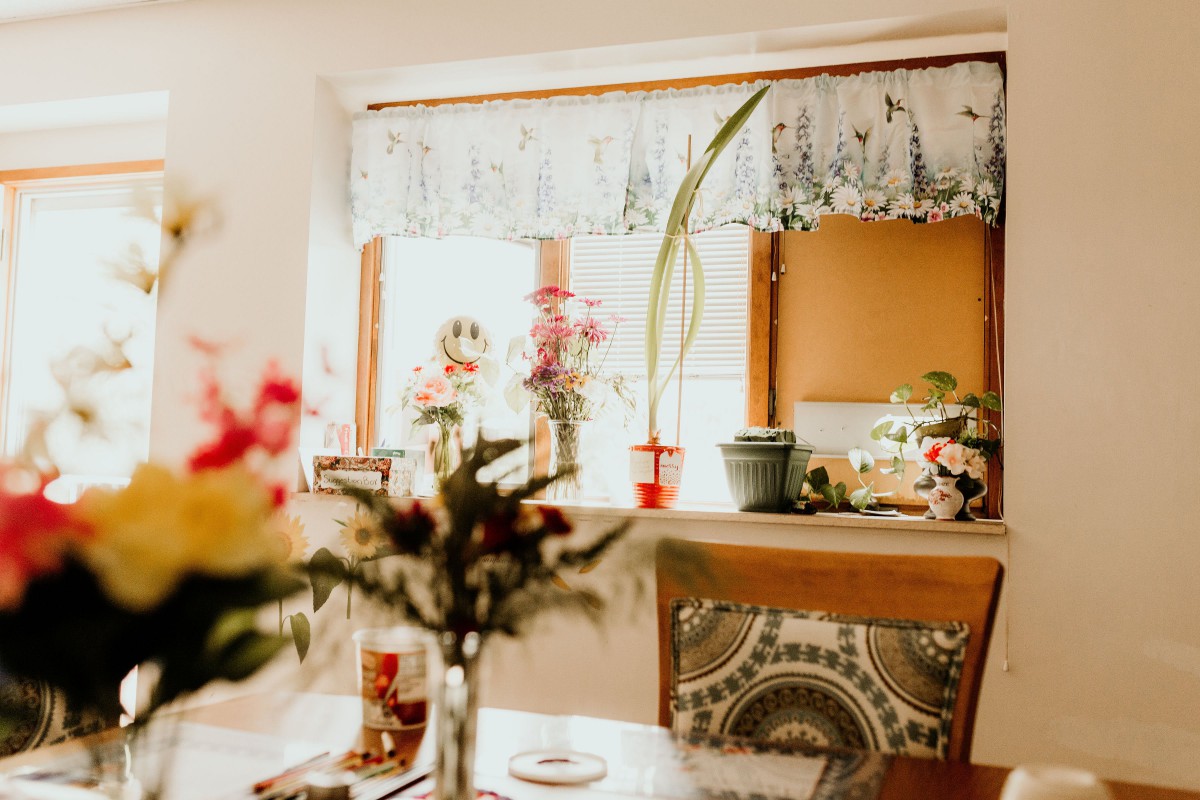
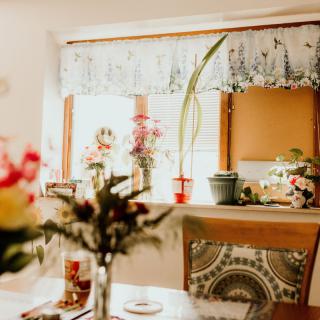
    A cozy dining area adorned with colorful flowers and plants, basking in natural light.
  • Living Room

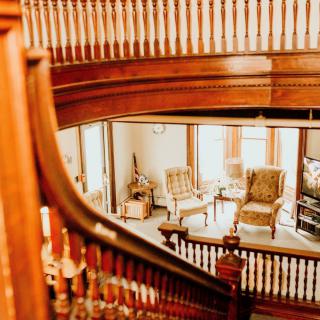
    A beautifully crafted wooden staircase overlooking a cozy living room with antique furniture.
  • Architecture

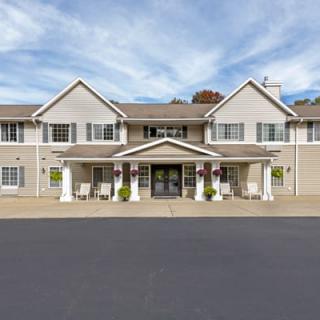
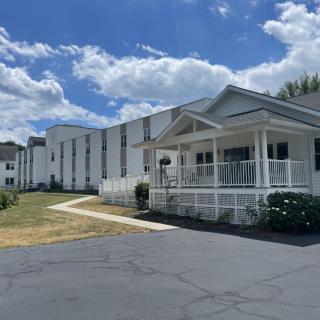
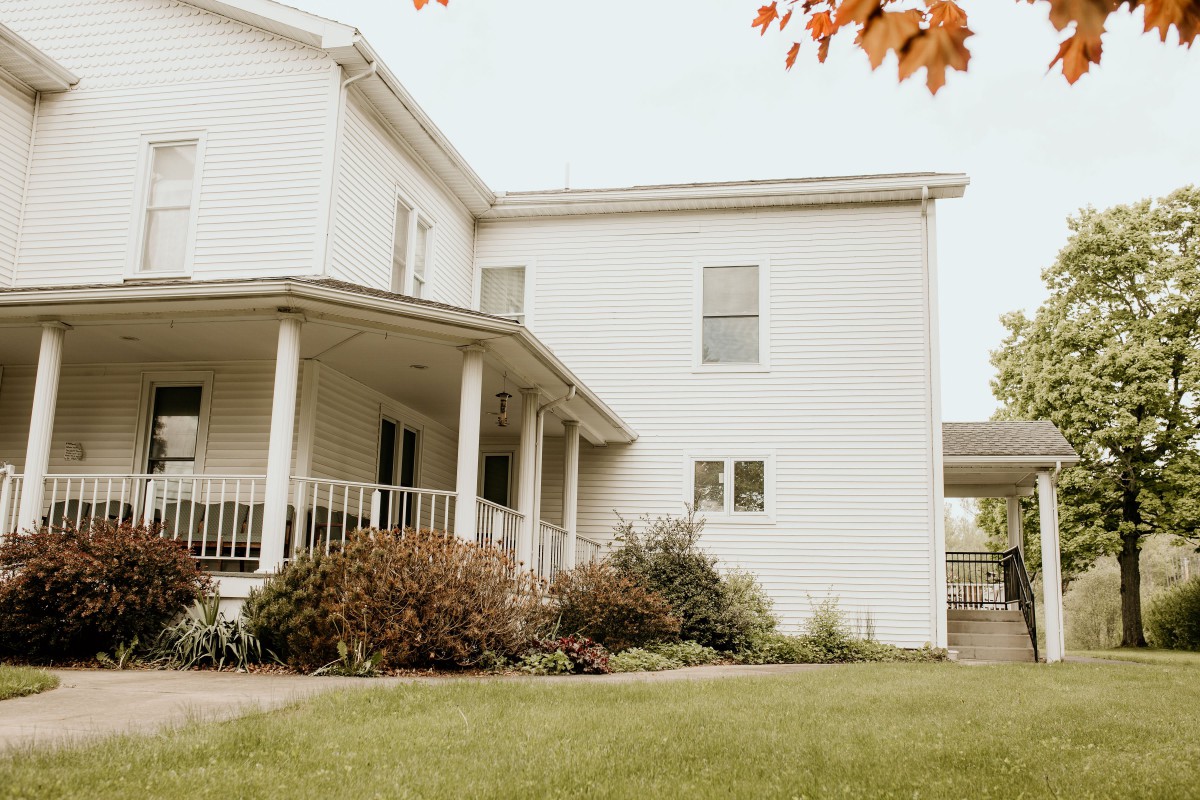
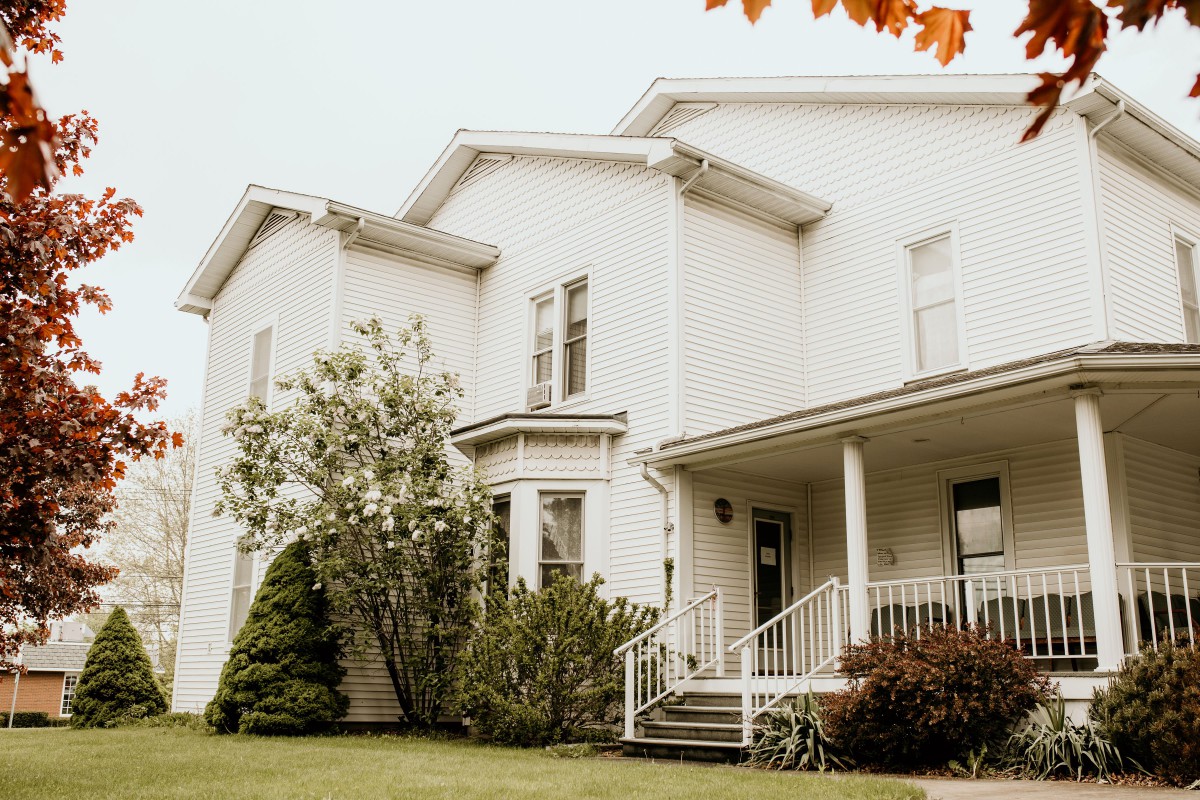
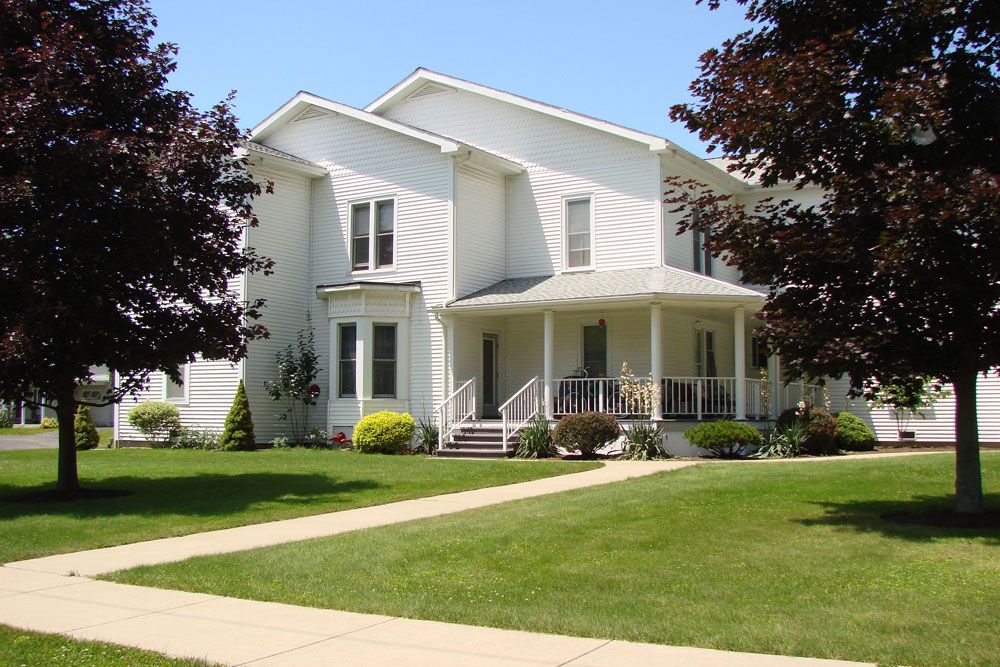
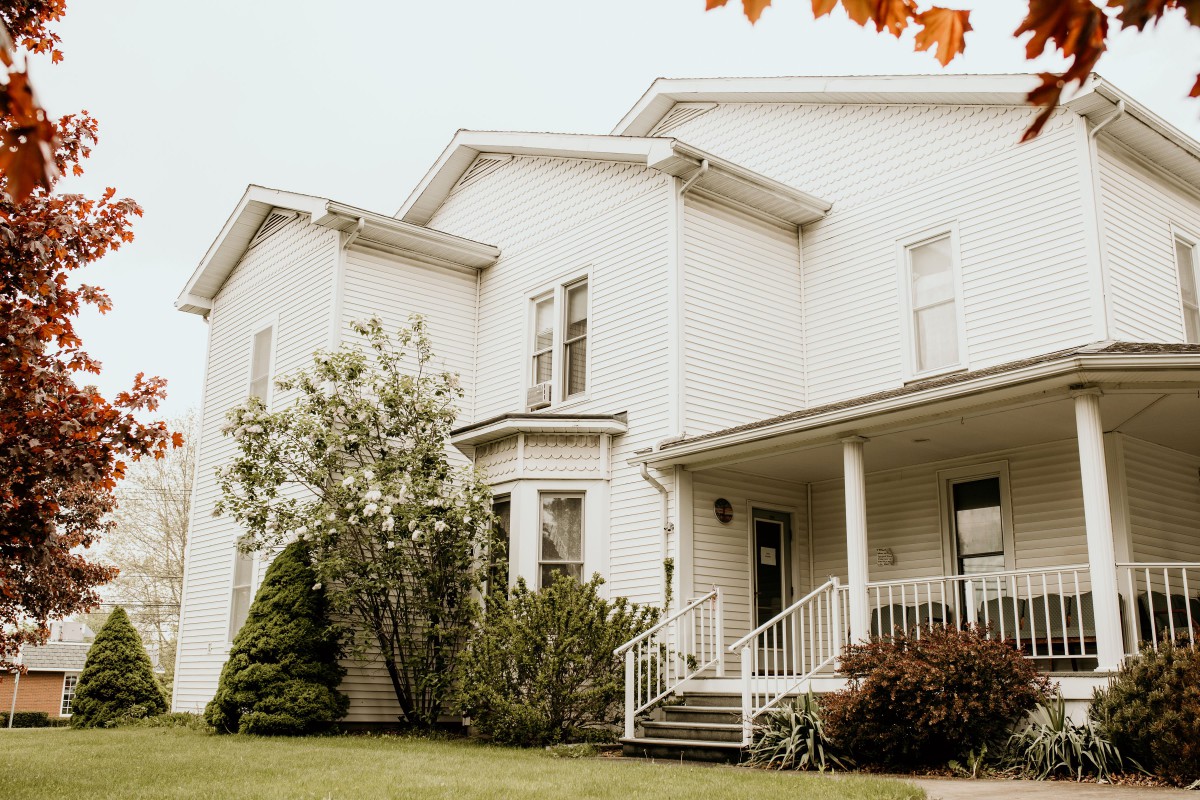
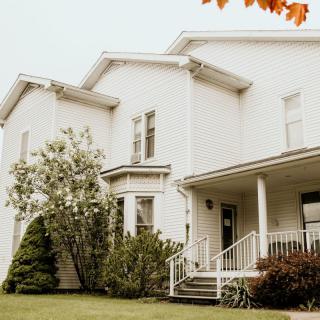
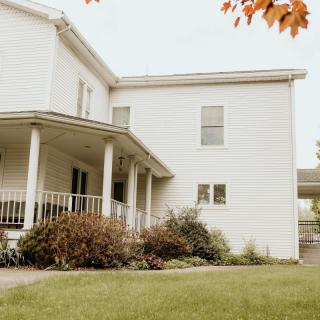
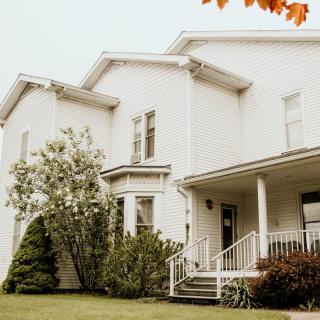
    A charming white house with a front porch surrounded by trees and greenery.
  • Bedroom

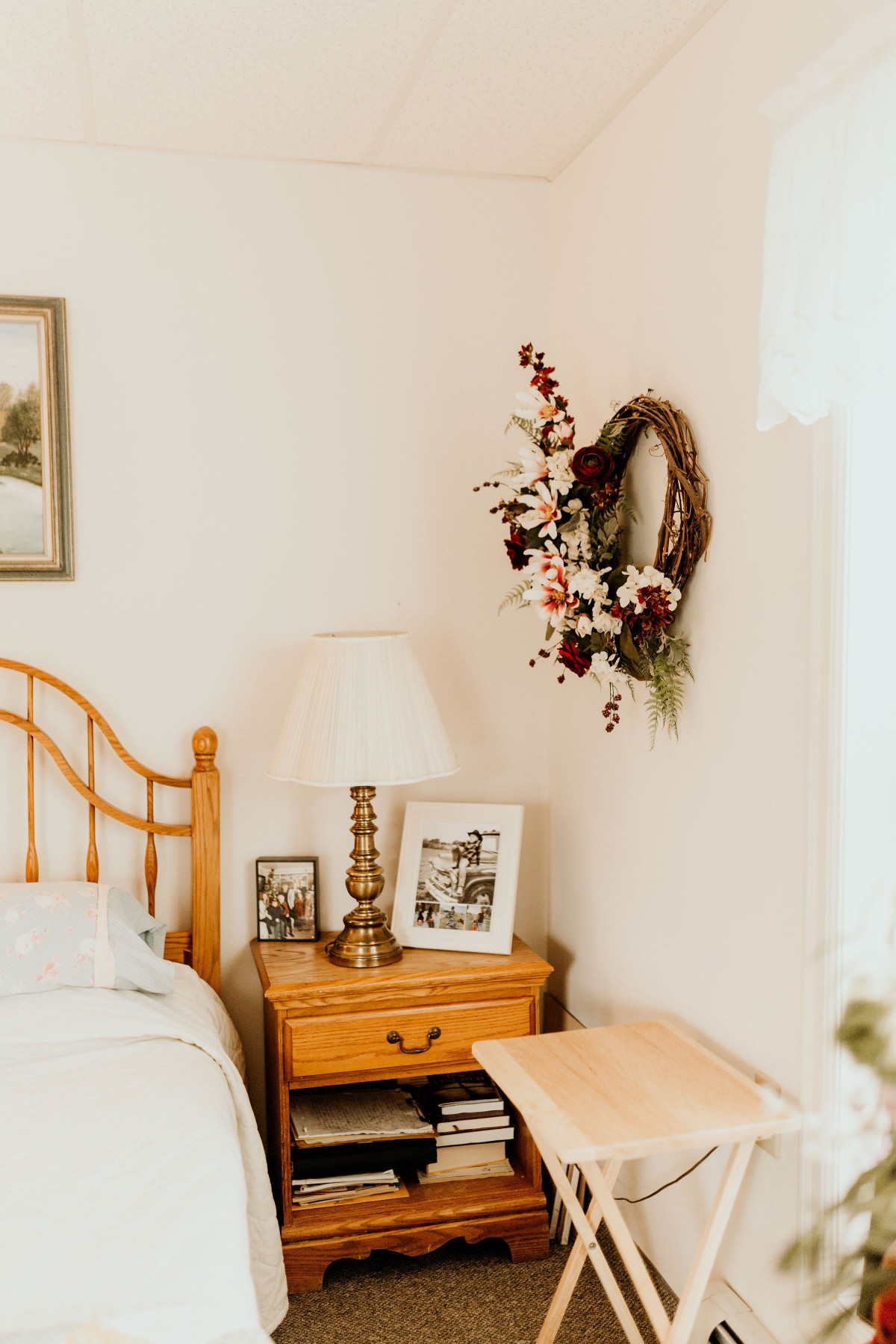
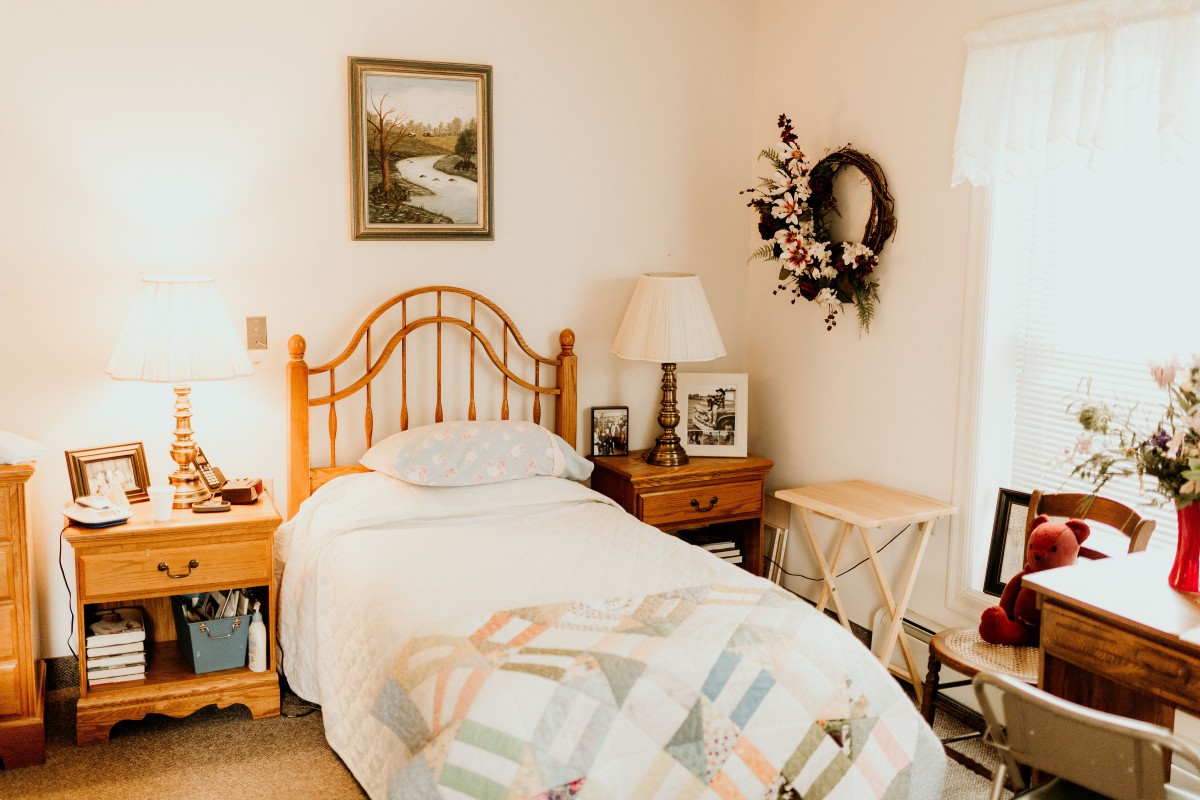
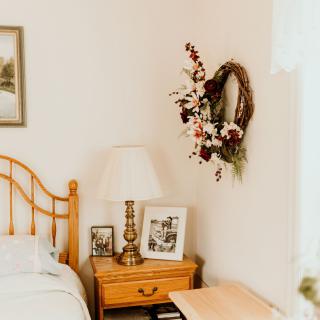
    A cozy bedroom corner featuring a wooden nightstand with a lamp and photo frames, adorned with a floral wreath on the wall.
  • Trees

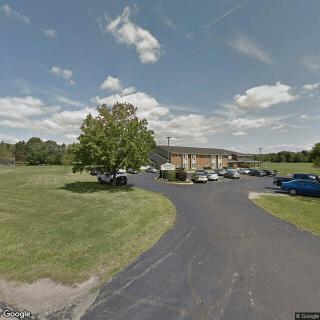
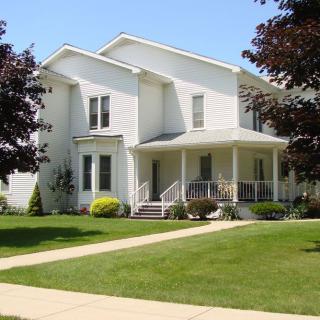
    A suburban white house with a well-maintained lawn and surrounding trees.
  • Windows

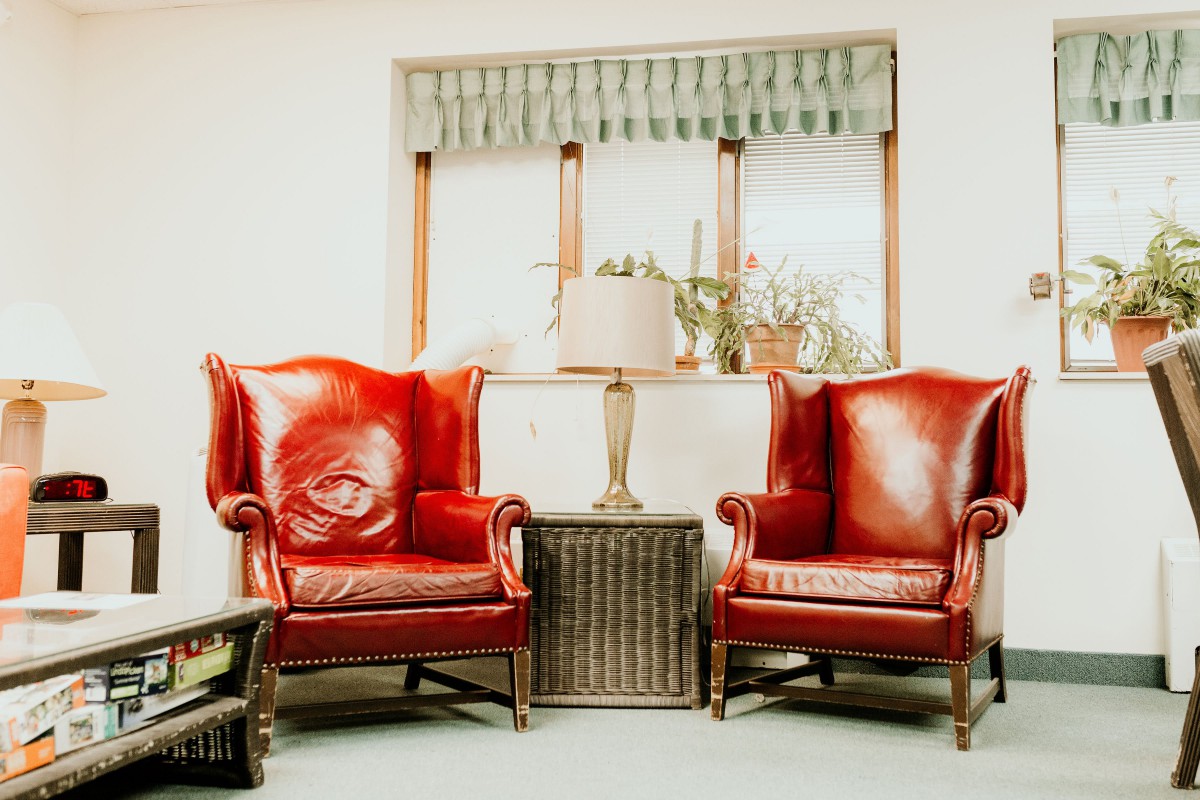
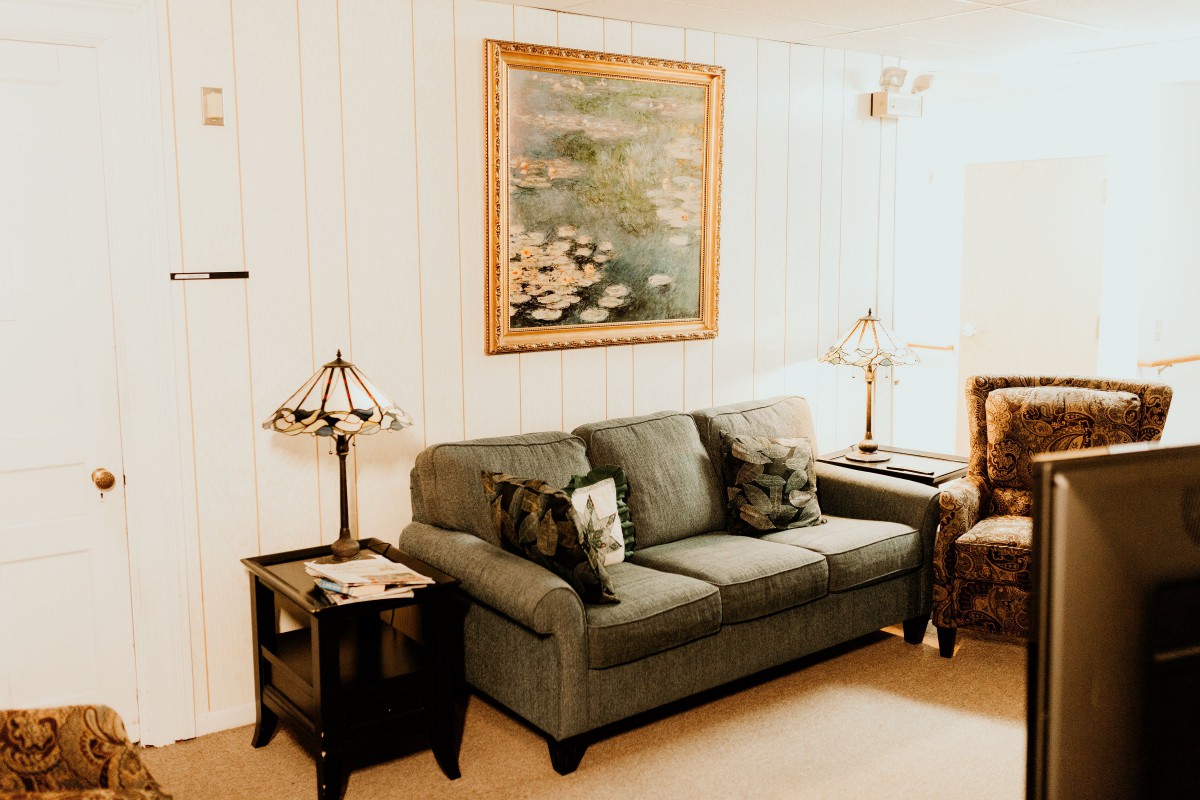
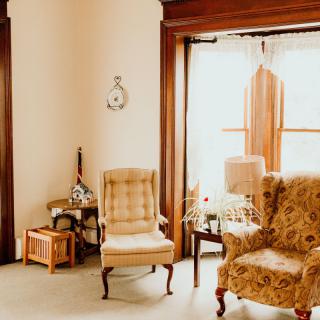
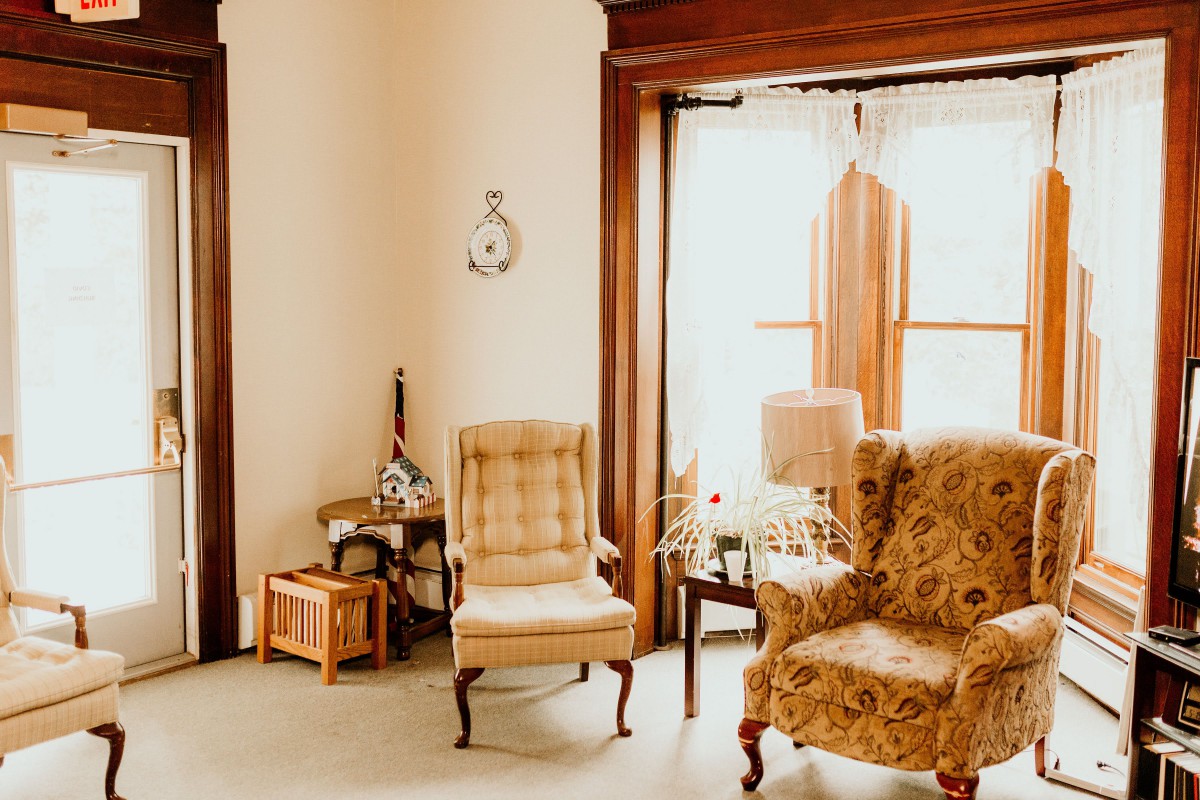
    A cozy vintage-style living room with upholstered armchairs and a large window.
  • Dining

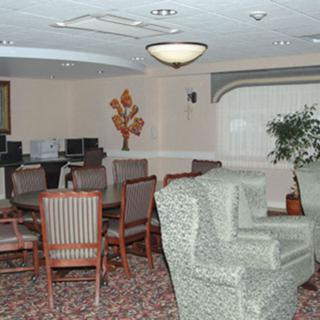
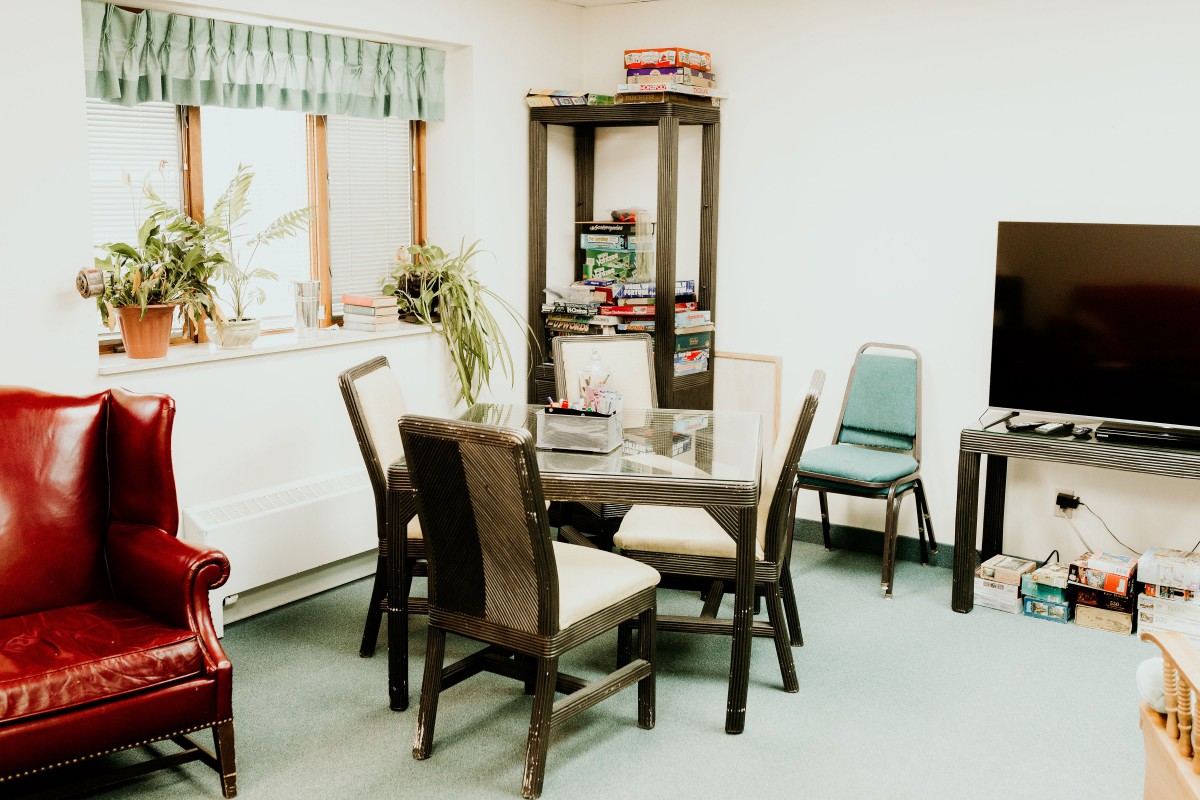
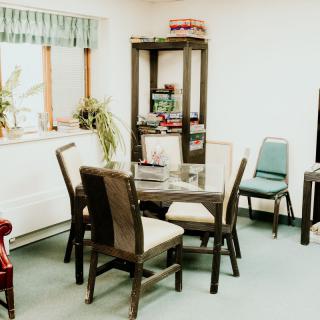
    A cozy dining room with a wooden table and chairs, plants on the windowsill, and a tall shelf in the corner.
  • Landscaping

    A suburban white house with a porch and a well-kept front yard, framed by autumn leaves.
  • Artwork

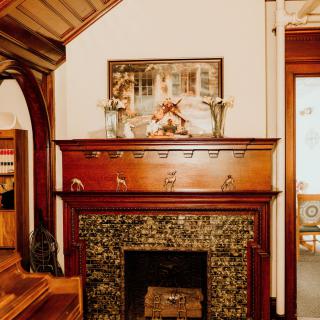
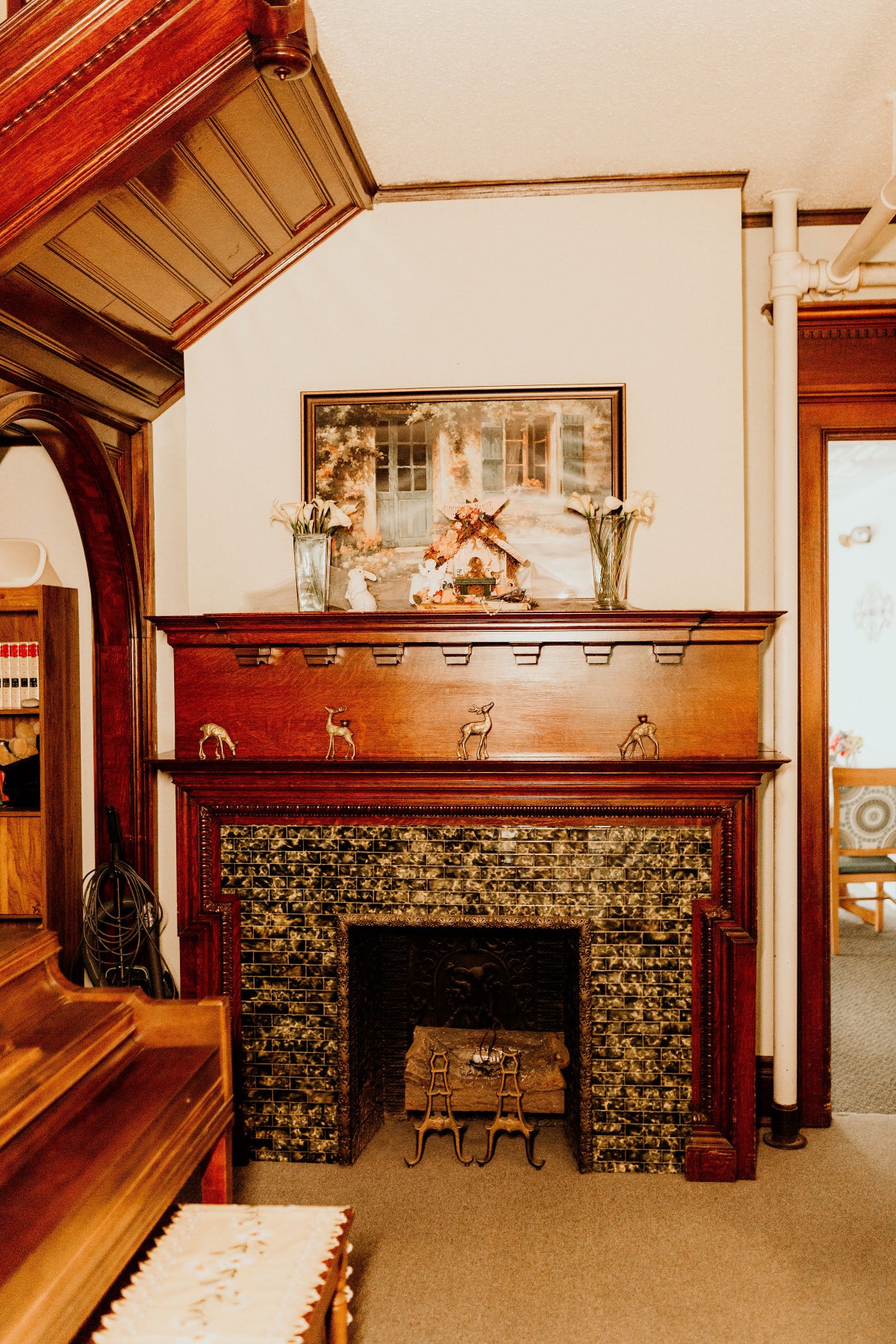
    A cozy vintage room with an ornate wooden fireplace and artwork above the mantel.
  • Natural Light

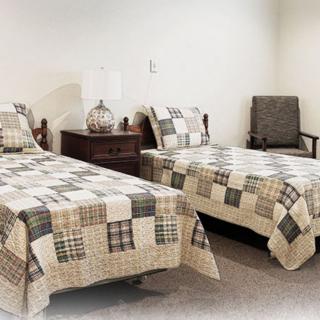
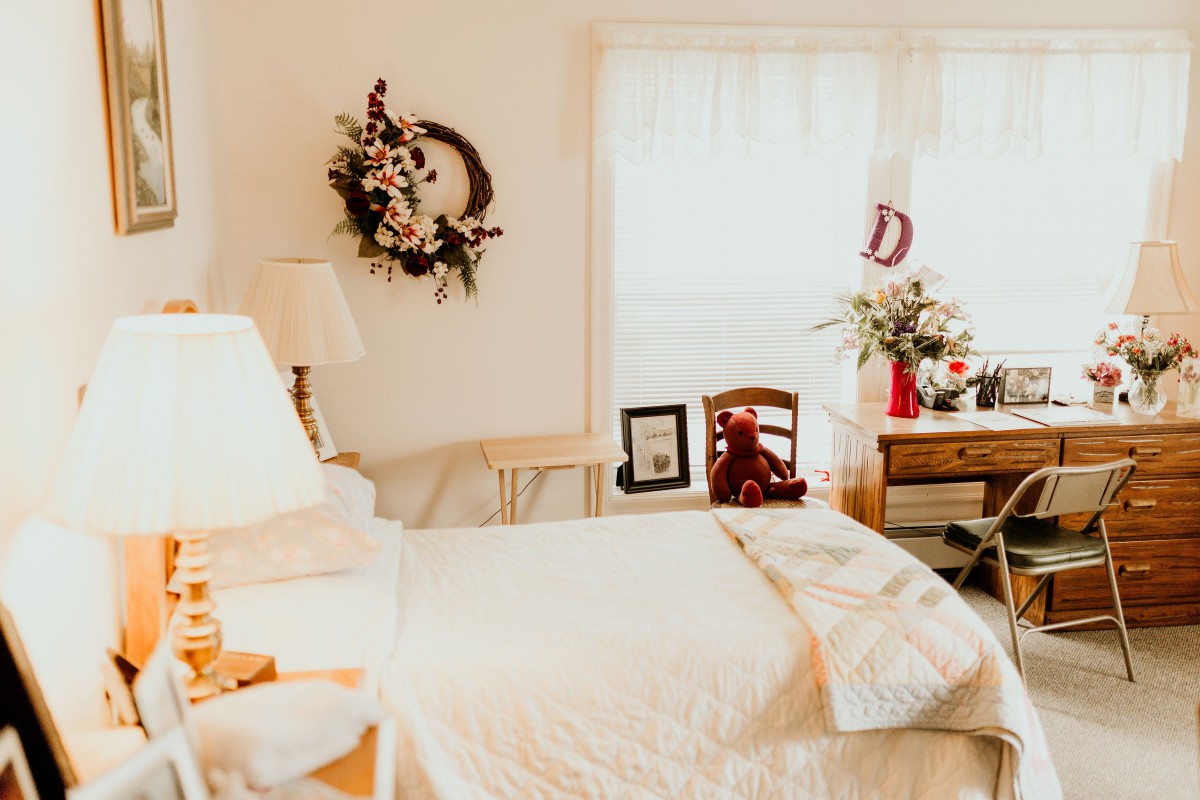
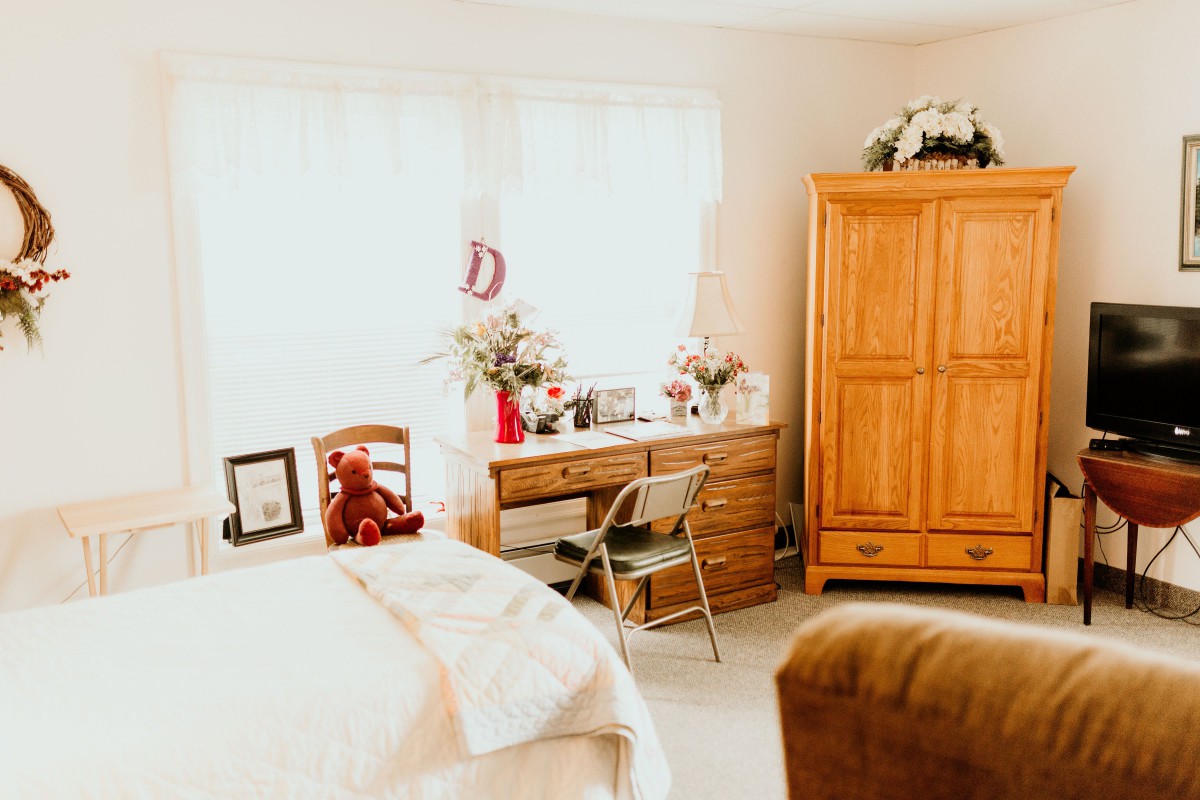
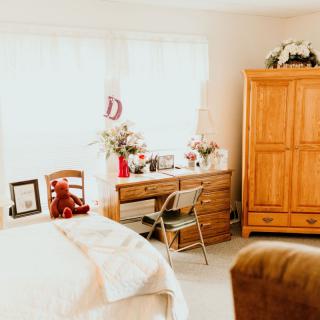
    A cozy bedroom with warm wooden furniture, a comfortable bed, and natural light streaming in through the window.
  • Porch

    A white residential house with a porch and surrounding greenery.
  • Piano

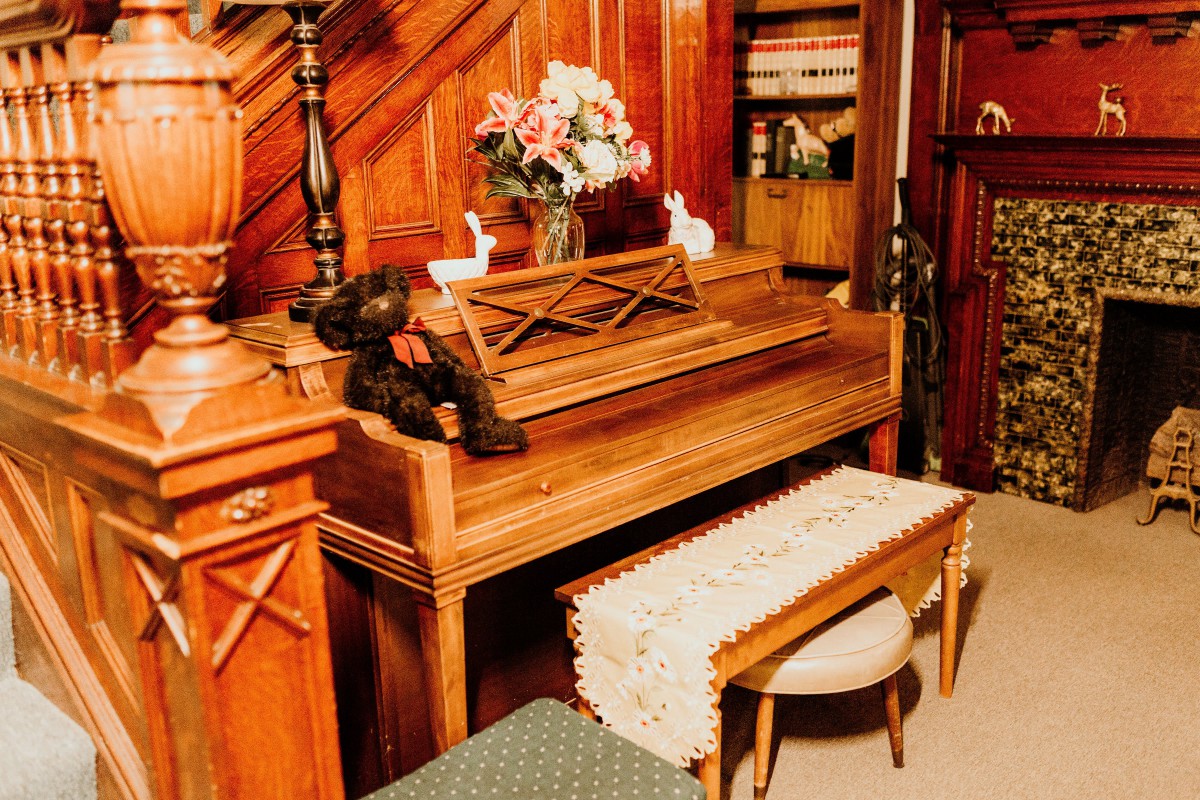
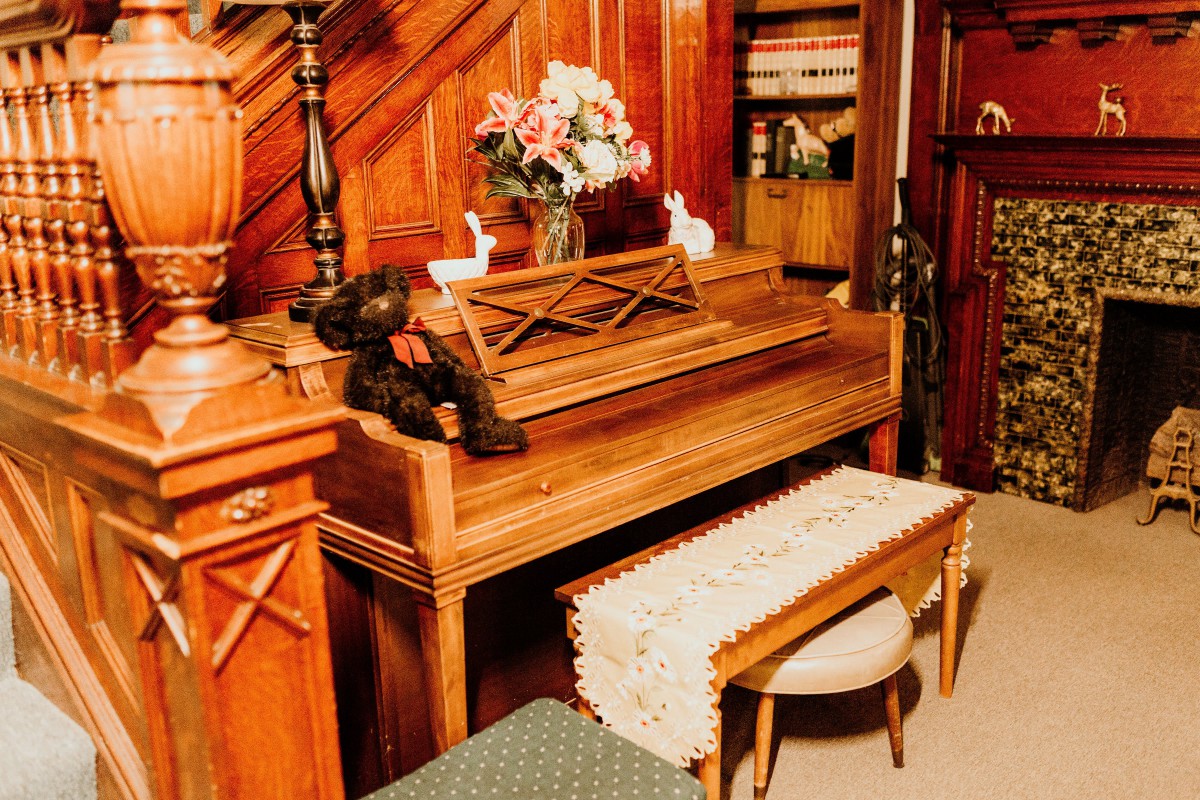
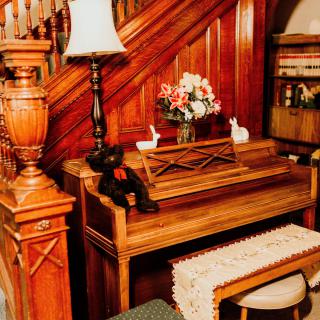
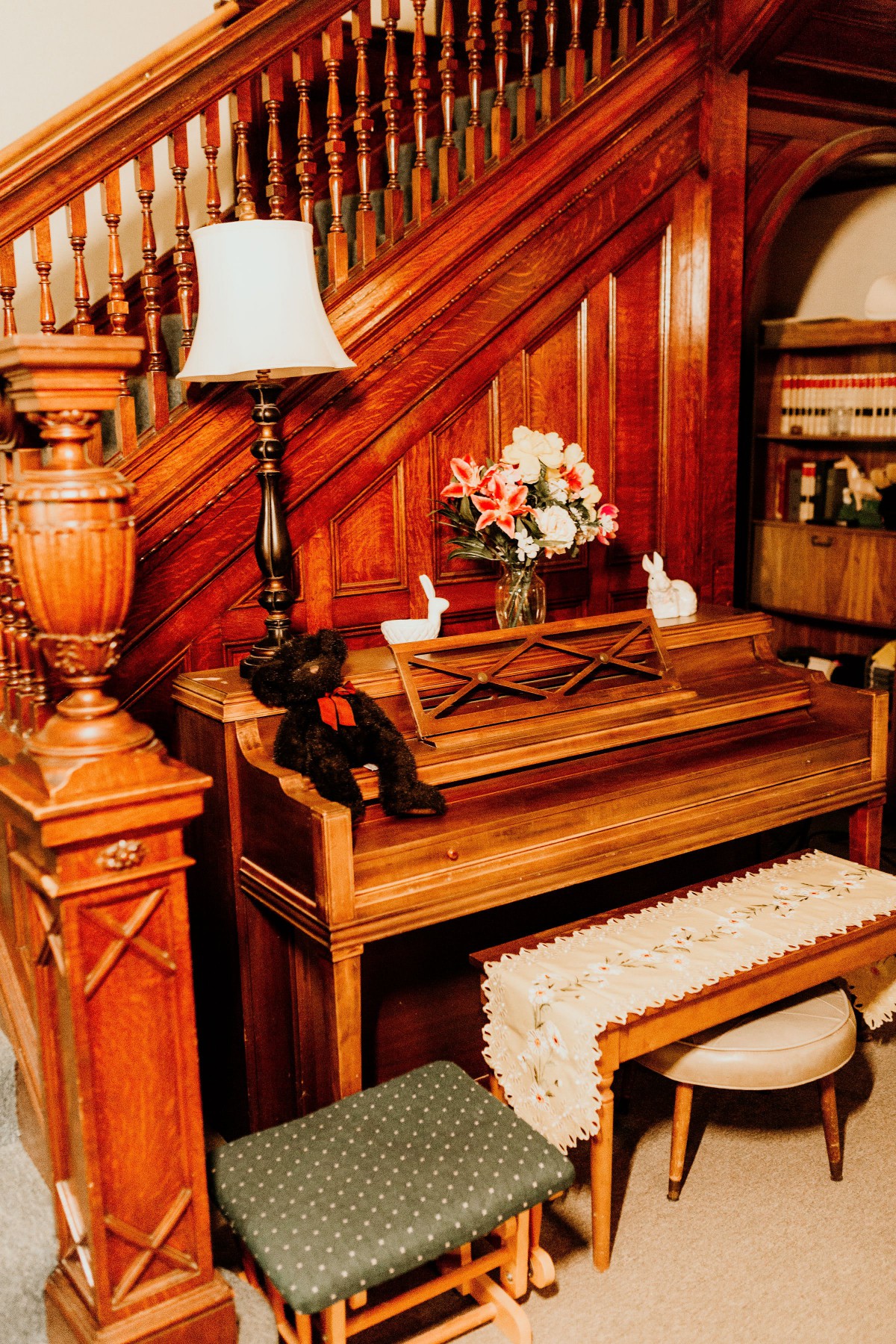
    A cozy corner featuring a vintage wooden piano next to a staircase, adorned with decorative items and books.

Randolph Manor in Randolph, NY

40 East Main Street, Randolph, NY 14772

For more information about senior living options: (844) 490-3973

4.6 from 7 reviews
5 stars
4
4 stars
3
3 stars
0
2 stars
0
1 stars
0

Assisted Living Board and Care Home Skilled Nursing Facility

Randolph Manor Costs & Pricing

Randolph Manor offers competitive pricing for its residents, particularly when compared to average costs in Cattaraugus County and the broader New York state. For a semi-private room, Randolph Manor charges $2,500 per month, which is notably lower than the county average of $2,753 and significantly below the state average of $4,389. Similarly, the studio option at Randolph Manor is priced at $4,000 per month; while this aligns closely with Cattaraugus County's average of $4,040, it remains more affordable than the New York state studio average of $4,532. Overall, Randolph Manor provides valuable options that blend quality care with financial accessibility.

Floor plansRandolph ManorCattaraugus CountyNew York
Semi-Private$2,500$2,753$4,389
Studio$4,000$4,040$4,532

What level of care are you interested in?

Assisted Living

Memory Care

Independent Living

Skilled Nursing Facility

Continuing Care Retirement Community (CCRC)CCRC

Other


Request a tour at Randolph Manor

    Overall Review of Randolph Manor

    Pros

    • pro The staff is very pleasant and nice.
    • pro The dining facilities look nice.
    • pro The facility is clean and smells clean.
    • pro It feels more like a home and not institutionalized.
    • pro The level of compassion and understanding from the employees is wonderful.
    • pro The staff makes every effort to keep residents safe.
    • pro The food is good.
    • pro The community is spotless.

    Cons

    • pro The private rooms required four steps down and had bathrooms shared across the hall, so they weren't truly private.
    • pro The arrangement did not impress her mother at all.
    • pro There were not enough landlines, making it hard to contact loved ones.
    • pro The facility was not as well-equipped for residents needing more memory care as a larger facility might be.
    • pro The room was smaller than expected and was no bigger than a hospital room.

    Review

    Randolph Manor is best suited for families seeking a small, home-like assisted living option where warmth, personal attention, and a non-institutional atmosphere come through in daily care. The setting feels more like a well-kept private residence than a clinical campus, with a Victorian-house vibe that residents and families repeatedly describe as charming and inviting. The facility's compact footprint translates into easier staff oversight and a sense of intimacy that many seniors and their families value. Cleanliness, pleasant dining spaces, and approachable staff contribute to a lived-in, comfortable feel that can ease transitions for those who fear the "facility" environment.

    That said, this community will not meet every need, and certain realities push some families toward alternatives. Private room expectations can clash with the building's layout: several private rooms require going down a few steps, and bathrooms are not en-suite, instead sharing hall access. For families prioritizing single-floor accessibility or private baths, Randolph Manor presents an accessibility hurdle that larger, purpose-built facilities often resolve. Additionally, the homey, small-scale model is not as equipped as larger campuses for robust memory-care programming, which matters for residents with pronounced memory issues or those who require more specialized supervision.

    The strongest positives - compassionate, devoted staff; consistently good or very good meals; and a clearly caring culture - offer meaningful offset to the above limitations. Several reviews highlight staff members who approach residents with patience and warmth, easing worries for memory-impaired loved ones and making daily routines feel personalized rather than standardized. Food quality stands out as a notable plus, with residents reporting tasty, homemade-style meals that foster a sense of normalcy and comfort. The environment itself reinforces the positives: a clean, homelike common area for visiting, and quiet, tidy rooms that avoid a fortress-like institutional feel. Even small touches - pianos in some rooms, flexible scheduling for family visits, and staff enthusiasm - signal a community that takes pride in resident well-being.

    The care culture at Randolph Manor consistently earns positive notes from families who see clear evidence of attention to residents' happiness and safety. The staff's empathy is described as genuine, with careful handling of memory-related concerns and a willingness to accommodate individual preferences whenever possible. Cleanliness and order are recurring themes, reinforcing the impression of a well-maintained home rather than a clinical setting. Families also appreciate the way staff and residents seem to enjoy each other's company, which translates into more relaxed days and fewer frictions during routine care. The combination of a pleasant atmosphere and devoted caregivers often makes up for its smaller size and limited on-site programming.

    Nevertheless, the confluence of small size and limited memory-care capacity means Randolph Manor is best for seniors who do not yet require intensive memory-support or specialized therapeutic services. For those whose loved ones need more robust assistance with memory strategies, wandering prevention, or more structured activity programming, a larger facility with a dedicated memory-care wing may offer greater reassurance. The accessibility gaps around private rooms and the absence of en-suite baths can be a deal-breaker for residents who prioritize effortless one-step access and private facilities. Communication hurdles - such as occasional difficulty reaching a loved one by phone - also deserve attention, especially for families juggling multiple care needs or long-distance arrangements.

    In the end, Randolph Manor serves as a practical, compassionate choice for families seeking a homelike setting with strong staff rapport, solid meals, and a spotless, inviting environment. It suits seniors who value personal attention, a non-institutional feel, and ease of daily living within a smaller community. Those who require advanced memory support, fully accessible private rooms, or expansive programming should evaluate other options and compare memory-care capabilities and room layouts more aggressively. A visit with a prepared checklist on room access, memory-care offerings, and family communication will clarify where Randolph Manor fits into a broader care plan and help families decide whether this community is the right fit or if another path offers greater peace of mind.

    Features

    Housing

    • 50 resident community capacity 50 resident community capacity
    • Studio apartments Studio apartmentsStudio apartments are important for seniors because they offer a smaller, more manageable living space that is easier to navigate and maintain as physical abilities decline. Additionally, studio apartments provide seniors with independence and privacy while still being part of a community that offers support and social opportunities.

    Types of Care

    • Assisted Living Assisted LivingAssisted living facilities provide crucial support and care for seniors who may need help with daily tasks such as medication management, bathing, and meal preparation. These communities offer a safe and comfortable environment where seniors can maintain their independence while receiving the assistance they need to thrive in their golden years.
    • Board and Care Home Board and Care HomeBoard and care homes provide a smaller, more intimate setting for seniors who require assistance with daily tasks but do not need the level of care offered by a nursing home. They offer personalized care, meals, and social activities in a homelike environment, ensuring that seniors receive individualized attention and support in their golden years.
    • Skilled Nursing Facility Skilled Nursing FacilitySkilled Nursing Facilities are crucial for seniors as they provide round-the-clock medical care, rehabilitation services, and assistance with daily activities. These facilities ensure that seniors receive the specialized care they need to maintain their health and well-being as they age.

    Amenities

    • Activities off-site Activities off-siteEngaging in off-site activities is crucial for seniors to maintain social connections, stay active, and stimulate their minds. It promotes overall well-being and helps combat feelings of isolation and loneliness.
    • Activities on-site Activities on-siteActivities on-site are important for seniors because they provide opportunities for socialization, mental stimulation, physical activity, and overall well-being. Engaging in activities can help seniors stay active, maintain their independence, and improve their quality of life.
    • Bath tubs Bath tubsBath tubs are important for seniors because they provide a safe and relaxing way to bathe, helping to prevent slips and falls while promoting independence and overall well-being.
    • Beautician on-site Beautician on-siteHaving a beautician on-site at a senior living community is important for seniors as it allows them to easily access grooming and personal care services, boosting their self-esteem and overall well-being. It also provides convenience and helps seniors maintain their sense of independence and personal style.
    • Beauty salon Beauty salonBeauty salons are important for seniors because they provide a space for them to feel pampered, socialize, and maintain their personal grooming and hygiene. Regular visits to a beauty salon can help boost seniors' self-esteem and overall well-being.
    • Cable or satellite TV Cable or satellite TVCable or satellite TV is important for seniors because it provides entertainment, news, and companionship, helping to combat loneliness and boredom. It also offers a wide range of programming options tailored to different interests and preferences.
    • Devotional services on-site Devotional services on-siteDevotional services on-site provide seniors with spiritual support and a sense of community, as well as an opportunity for reflection and guidance during their senior living experience. This can promote emotional well-being and connection to others, leading to a more fulfilling and enriching lifestyle in their later years.
    • Dining room Dining roomDining rooms are important for seniors as they provide a space for socialization, connection, and nutritious meals. They offer opportunities for residents to bond over shared meals, foster a sense of community, and promote healthy eating habits. Dining rooms also ensure that seniors have access to well-balanced meals tailored to their dietary needs and preferences.
    • Financial aid Financial aidFinancial aid is crucial for seniors as it can help them cover the costs of essential living expenses such as housing, food, and healthcare. Many seniors have limited incomes and savings, so financial assistance programs can provide them with the necessary support to maintain a decent quality of life in their retirement years.
    • Fully furnished Fully furnishedFully furnished senior living communities are important for seniors because they provide convenience, comfort, and a hassle-free moving experience. Seniors can easily settle into their new living space without the stress of having to buy and move furniture. This allows them to focus on enjoying their new home and community.
    • Garden GardenGardens are important for seniors as they provide a peaceful and therapeutic environment for relaxation, physical activity, and socialization. Being in nature has been shown to reduce stress, improve mood, and promote overall well-being. Gardens also offer opportunities for seniors to engage in gardening activities, which can improve mobility, flexibility, and cognitive function. Additionally, gardens create a sense of community and connection with others who share a passion for plants and outdoor spaces.
    • Guasts at mealtime Guasts at mealtime"Guests at mealtime" offer seniors the opportunity for social interaction, companionship, and a sense of community during meals, which can help combat feelings of loneliness and isolation commonly experienced in senior living environments. It can also enhance their overall dining experience and improve their mental and emotional well-being.
    • Guest parking Guest parkingGuest parking is important for seniors because it allows their friends and family members to visit them easily and safely. Having convenient parking options can help combat feelings of isolation and loneliness, promote regular social interaction, and improve overall mental and emotional well-being for seniors in senior living communities.
    • Housekeeping services Housekeeping servicesHousekeeping services are important for seniors because they help maintain a clean and safe living environment, promote independence, and reduce the risk of accidents or illnesses. Additionally, having assistance with household chores can alleviate physical strain and allow seniors to focus on other aspects of their well-being.
    • Indoor common areas Indoor common areasIndoor common areas are crucial for seniors as they provide a space for socialization, recreation, and community engagement, promoting overall well-being and reducing feelings of isolation and loneliness.
    • Kitchenette KitchenetteKitchenettes are important for seniors living in senior living communities because they provide the convenience and independence of being able to prepare simple meals and snacks in the comfort of their own living space. This can help promote a sense of autonomy and well-being for seniors, allowing them to maintain some level of control over their dietary choices and daily routines.
    • Laundry LaundryLaundry services are important for seniors as they may have difficulty with physical tasks such as bending, lifting, or carrying heavy loads. Having access to laundry services can help seniors maintain personal hygiene, cleanliness, and independence in their daily lives.
    • Move-in coordination Move-in coordinationMove-in coordination is important for seniors because it helps ease the transition into their new living environment. It ensures that all logistics, such as packing, organizing movers, and setting up utilities are taken care of, allowing seniors to focus on settling in and adjusting to their new home. Having a smooth move-in process can alleviate stress and anxiety, making the transition smoother and more enjoyable for seniors.
    • Outdoor common areas Outdoor common areasOutdoor common areas are important for seniors as they provide a space for socialization, physical activity, and relaxation. Being outside in nature can improve mood and overall well-being, while also encouraging movement and engagement with others. These spaces can help combat feelings of isolation and promote a sense of community among residents.
    • Outdoor space Outdoor spaceOutdoor spaces are important for seniors as they provide opportunities for physical activity, social interaction, exposure to natural light and fresh air, and a sense of connection to nature. Having access to outdoor spaces can improve overall well-being and quality of life for older adults living in senior communities.
    • Party space Party spaceHaving access to party space is important for seniors as it provides opportunities for socialization, connection, and enjoyment. These spaces allow seniors to celebrate special occasions, host gatherings with friends and family, and participate in community events, enhancing their overall well-being and quality of life.
    • Resident parking Resident parkingResident parking is crucial for seniors in a senior living community as it provides convenience, accessibility, and safety for residents who may have limited mobility or rely on personal vehicles for transportation. Having designated parking spaces ensures that seniors can easily access their homes without having to walk long distances or navigate crowded parking lots, ultimately enhancing their overall quality of life and sense of independence.
    • Respite or short term stays offered Respite or short term stays offeredRespite or short term stays provide seniors with a temporary solution when their regular caregiver is unavailable, offering them the opportunity to receive additional care and support during times of need, while also giving caregivers a chance to rest and recharge.
    • Restaurant-style dining Restaurant-style diningRestaurant-style dining is important for seniors because it allows them to enjoy delicious, nutritious meals in a social and upscale setting. This enhances their dining experience, promotes healthy eating habits, and fosters socialization with fellow residents, ultimately contributing to their overall well-being and quality of life.
    • Small library Small librarySmall libraries are important for seniors as they provide access to a variety of reading materials, including books, newspapers, and magazines. This can help stimulate their minds, keep them engaged, and provide a sense of community through book clubs and other social activities. Additionally, reading has been shown to improve cognitive function and overall mental well-being in older adults.
    • TV room TV roomTV rooms are important for seniors in senior living communities because they provide a space for social interaction, entertainment, and relaxation. Watching TV can help reduce feelings of loneliness and boredom, and create a sense of community among residents. Additionally, TV rooms offer a break from daily routines and can be a source of comfort and familiarity for seniors.
    • Telephone TelephoneTelephones are important for seniors as they provide a lifeline for communication with loved ones, emergency services, and healthcare providers. They offer a sense of security and independence, enabling seniors to stay connected and access assistance when needed.
    • VA Benefits Consultation VA Benefits ConsultationVA Benefits Consultations are important for seniors because they provide valuable information on the benefits and resources available to them as veterans. These consultations can help seniors access financial assistance, healthcare services, and other support that can greatly improve their quality of life in their later years.
    • Wheelchair accessible showers Wheelchair accessible showersWheelchair accessible showers are crucial for seniors as they provide a safe and independent bathing option for those with mobility challenges. These showers help prevent falls and allow seniors to maintain their dignity and autonomy while ensuring they can bathe comfortably.
    • Wi-Fi/high-speed internet available Wi-Fi/high-speed internet availableWi-Fi/high-speed internet is important for seniors to stay connected with loved ones, access online resources, and participate in virtual activities to combat feelings of loneliness and isolation. It also allows them to easily manage healthcare needs, access entertainment, and engage in lifelong learning opportunities.

    Transportation

    • Transportation & parking Transportation & parkingTransportation and parking are vital for seniors as they offer access to essential services, activities, and social interactions. Reliable transportation options can help seniors maintain independence, stay connected within their community, and enjoy a higher quality of life. Additionally, convenient parking facilities ensure that seniors can easily access necessary resources and amenities without added stress or difficulty.

    Care Services

    • 24-hour call system 24-hour call system24-hour call systems are important for seniors because they provide peace of mind and immediate assistance in case of emergencies. This technology ensures that help is always available, promoting safety and security for elderly individuals living alone or in assisted living facilities.
    • 24-hour supervision 24-hour supervision24-hour supervision is important for seniors to ensure their safety, well-being, and access to immediate assistance in case of emergencies or health issues. This constant support provides peace of mind for both seniors and their loved ones, allowing them to age in place with dignity and security.
    • Activities of daily living assistance Activities of daily living assistanceActivities of daily living assistance are important for seniors because they provide essential support with tasks such as eating, bathing, dressing, and mobility. This assistance helps seniors maintain their independence, dignity, and overall quality of life as they age.
    • Ambulatory care Ambulatory care"Ambulatory care services provide essential medical support and treatment to seniors without requiring hospitalization, allowing them to maintain their independence and quality of life while managing chronic conditions or receiving routine medical care."
    • Assistance with bathing Assistance with bathingAssistance with bathing is crucial for seniors as it helps maintain personal hygiene, prevents infections, and ensures their overall well-being and comfort. It also provides a sense of dignity and independence for seniors who may struggle with this task on their own.
    • Assistance with dressing Assistance with dressingAssistance with dressing is important for seniors because it helps maintain their independence, promotes personal hygiene, prevents accidents and injuries, and improves overall quality of life. This service ensures that seniors can continue to dress comfortably and confidently, despite any physical limitations they may have.
    • Assistance with transfers Assistance with transfersAssistance with transfers is crucial for seniors as it helps prevent falls and injuries, maintains their independence, and ensures they can safely navigate their living environment. It also provides peace of mind for both seniors and their loved ones.
    • Companion care Companion careCompanion care is crucial for seniors as it provides social interaction, emotional support, and companionship, which can improve quality of life, mental health, and overall well-being. This type of care can combat feelings of loneliness and isolation often experienced by seniors and ensure they have someone to talk to and engage with on a regular basis.
    • Diabetes diet Diabetes dietA diabetes diet is crucial for seniors as it helps manage blood sugar levels, reduce risks of complications, and improve overall health and well-being. By following a balanced and nutritious diet tailored to their specific needs, seniors can better control their diabetes and enhance their quality of life.
    • Incontinence care Incontinence careIncontinence care is essential for seniors to maintain their dignity, hygiene, and overall quality of life. By addressing incontinence issues promptly and effectively, seniors can enjoy a sense of independence and comfort in their daily activities.
    • Meal preparation and service Meal preparation and serviceMeal preparation and service are crucial for seniors as they may have limited mobility or energy to cook nutritious meals. Having access to healthy and convenient food options can ensure they are getting the proper nutrition needed to maintain their overall health and well-being.
    • Medication management Medication managementMedication management is crucial for seniors to ensure they are taking the right medications at the correct dosages and times. This helps prevent adverse drug interactions, reduces the risk of medication errors, and promotes overall health and well-being. Proactive management also allows for adjustments as needed based on changing health conditions or new prescriptions.
    • Mental wellness program Mental wellness programMental wellness programs are essential for seniors as they promote cognitive stimulation, emotional support, and social engagement. These programs help prevent isolation, depression, and cognitive decline, ultimately enhancing the overall quality of life for older adults.
    • Personal care assistants Personal care assistantsPersonal care assistants are essential for seniors as they provide assistance with daily tasks, such as dressing, bathing, and medication management. They offer crucial support and companionship to help seniors maintain independence and quality of life in their own homes or in senior living communities.
    • Physical therapy Physical therapyPhysical therapy is essential for seniors to maintain and improve their mobility, strength, and overall quality of life. It helps reduce pain, prevent falls, and enhance independence in daily activities. By promoting movement and function, physical therapy can help seniors stay active, healthy, and engaged in their communities.
    • Special dietary restrictions Special dietary restrictionsSpecial dietary restrictions are important for seniors because age-related changes in metabolism and health conditions can make it difficult for their bodies to process certain foods. By following a diet tailored to their specific needs, seniors can maintain their overall health and well-being, manage chronic conditions, and reduce the risk of complications such as malnutrition or food interactions with medications.

    Dining

    • Diabetes diet Diabetes dietA diabetes diet is crucial for seniors as it helps manage blood sugar levels, reduce risks of complications, and improve overall health and well-being. By following a balanced and nutritious diet tailored to their specific needs, seniors can better control their diabetes and enhance their quality of life.
    • Guest meals Guest mealsGuest meals are important for seniors living in senior living communities because they provide an opportunity for socialization and companionship. Sharing a meal with friends, family, or new acquaintances can help combat feelings of loneliness and isolation, promote a sense of community, and enhance overall well-being. Additionally, guest meals allow seniors to enjoy delicious food in a comfortable setting without the hassle of cooking or cleaning up, making dining a pleasurable and stress-free experience.
    • Low / no sodium Low / no sodiumLow/no sodium options are important for seniors because excessive sodium intake can lead to high blood pressure, heart disease, and other health issues commonly experienced by older adults. By choosing low/no sodium foods, seniors can better manage their health and reduce their risk of developing these conditions.
    • Meals provided Meals provided"Meals provided" are crucial for seniors in assisted living communities as it ensures they have access to nutritious, balanced meals without the stress of meal planning and preparation. This can help promote overall health and well-being for seniors who may have limited mobility or cognitive abilities.
    • No Sugar No SugarNo sugar diets are important for seniors because they can help prevent or manage chronic conditions such as diabetes, heart disease, and obesity. Sugar can also contribute to cognitive decline and inflammation in the body, so reducing sugar intake can lead to overall improved health and well-being in older adults.
    • Professional chef Professional chefProfessional chefs are important for seniors living in senior living communities because they provide nutritious and delicious meals that cater to their dietary needs and preferences. A professional chef can ensure that seniors are receiving balanced, flavorful meals that support their overall health and well-being.
    • Restaurant style dining Restaurant style diningRestaurant style dining is important for seniors as it offers them a social and enjoyable dining experience, promotes healthy eating habits, and provides personalized menu options to cater to their dietary needs and preferences. This type of dining setting can enhance their overall quality of life and create a sense of community within the senior living facility.
    • Special dietary restrictions Special dietary restrictionsSpecial dietary restrictions are important for seniors because age-related changes in metabolism and health conditions can make it difficult for their bodies to process certain foods. By following a diet tailored to their specific needs, seniors can maintain their overall health and well-being, manage chronic conditions, and reduce the risk of complications such as malnutrition or food interactions with medications.
    • Vegetarian VegetarianA vegetarian diet is important for seniors because it can help lower the risk of chronic diseases, maintain a healthy weight, and provide essential nutrients needed for aging bodies. Additionally, plant-based diets are often easier on digestive systems and can contribute to overall well-being in older adults.

    Activities

    • Activities off-site Activities off-siteEngaging in off-site activities is crucial for seniors to maintain social connections, stay active, and stimulate their minds. It promotes overall well-being and helps combat feelings of isolation and loneliness.
    • Activities on-site Activities on-siteActivities on-site are important for seniors because they provide opportunities for socialization, mental stimulation, physical activity, and overall well-being. Engaging in activities can help seniors stay active, maintain their independence, and improve their quality of life.
    • Art classes Art classesArt classes are important for seniors because they provide a creative outlet, improve cognitive function, reduce stress and anxiety, promote socialization, and enhance overall well-being and quality of life.
    • Arts and crafts Arts and craftsEngaging in arts and crafts activities provides seniors with a creative outlet, promotes cognitive function, enhances dexterity and fine motor skills, fosters social interaction, and boosts overall well-being and mental health.
    • Brain fitness Brain fitnessBrain fitness is important for seniors as it helps to maintain cognitive function, memory, and overall mental well-being. Engaging in activities that challenge the brain can help prevent cognitive decline and promote a healthier, more fulfilling quality of life in older adults.
    • Community service programs Community service programsCommunity service programs are important for seniors because they provide opportunities for social engagement, physical activity, and mental stimulation. These programs also allow seniors to give back to their communities and maintain a sense of purpose and fulfillment in their lives.
    • Community-sponsored activities Community-sponsored activitiesCommunity-sponsored activities are important for seniors as they provide opportunities for social interaction, mental stimulation, and physical activity. These activities can help improve overall well-being, combat loneliness and isolation, and promote a sense of belonging and purpose among older adults.
    • Day trips and outings Day trips and outingsDay trips and outings are important for seniors as they provide opportunities for socialization, mental stimulation, physical activity, and a break from daily routines. These experiences can enhance overall well-being and quality of life for older adults living in senior communities.
    • Devotional activities on-site Devotional activities on-siteDevotional activities on-site provide seniors with a sense of community, spiritual fulfillment, and emotional support, promoting overall well-being and a positive sense of purpose in their lives.
    • Games GamesGames are an essential part of senior living as they help promote cognitive function, social interaction, and overall well-being. Playing games can improve memory, concentration, and decision-making skills while also providing a fun and engaging way to connect with others. Seniors who participate in games regularly tend to experience higher levels of satisfaction and happiness in their daily lives.
    • Gardening club Gardening clubGardening clubs are important for seniors because they provide a sense of community, promote physical activity and mental well-being, and offer opportunities for socialization and connection with nature. Gardening can also improve cognitive function and overall quality of life for seniors.
    • Live musical performances Live musical performancesLive musical performances can provide seniors with a sense of joy, nostalgia, and connection. Music has the power to evoke emotions and memories, improve mood and cognitive function, and foster social interaction among seniors. It can also serve as a form of therapy and stress relief for older adults, making it an important activity to include in senior living communities.
    • Religious services Religious servicesReligious services provide seniors with a sense of community, support, and spiritual fulfillment, which can improve their overall well-being and mental health. It also offers them opportunities for socialization and connection with others who share their beliefs.
    • Resident-run activities Resident-run activitiesResident-run activities are important for seniors as they encourage social interaction, creativity, and a sense of autonomy. These activities empower seniors to stay engaged and active in their community while fostering meaningful connections with their peers.
    • Scheduled daily activities Scheduled daily activitiesScheduled daily activities are important for seniors because they provide structure, socialization, mental stimulation, and physical activity. Engaging in regular activities can improve overall well-being and quality of life for seniors living in a community setting.
    • Stories StoriesStories are important for seniors because they provide a sense of connection, stimulate memory and cognitive function, and offer entertainment and emotional engagement. Sharing stories can foster social interaction and create a sense of community among seniors, enhancing their overall well-being and quality of life.
    • Stretching classes Stretching classesStretching classes are important for seniors because they help improve flexibility, reduce the risk of injury, and promote overall health and well-being. Regular stretching can also help alleviate joint pain and stiffness, enhance balance and coordination, and increase range of motion.
    • Trivia games Trivia gamesTrivia games are important for seniors because they provide mental stimulation, social interaction, and a fun way to keep the mind sharp. They can help improve memory, cognitive function, and overall well-being in older adults.
    • Wii bowling Wii bowlingWii bowling is important for seniors as it provides a fun and engaging way to stay active, socialize, and improve hand-eye coordination. It can help prevent isolation, boost mental well-being, and promote physical fitness in a safe and accessible manner.
    • Yoga / chair yoga Yoga / chair yogaYoga and chair yoga are important for seniors as they promote flexibility, balance, strength, and overall wellbeing. These practices can help improve mobility, reduce stress, and enhance mental clarity, ultimately leading to a higher quality of life in their senior years.

    Description

    Randolph Manor in Randolph, NY is a premier assisted living community offering a range of care services to cater to the individual needs of its residents. With both board and care home and skilled nursing facility options available, Randolph Manor ensures that each resident receives the appropriate level of care.

    The community boasts an array of amenities designed to enhance the comfort and enjoyment of its residents. Activities on-site provide ample opportunities for socialization and engagement, while the presence of a beauty salon and bath tubs offer ways for residents to relax and pamper themselves. Cable or satellite TV, along with Wi-Fi/high-speed internet access, keeps residents connected to their favorite shows and loved ones.

    At Randolph Manor, dining is a delightful experience with restaurant-style meals prepared by a professional chef. Special dietary restrictions are accommodated, including low/no sodium, vegetarian, diabetic-friendly, and no sugar options. Guest meals are also available for those who wish to invite family or friends for a visit.

    To foster an active lifestyle, numerous activities are organized on-site such as art classes, brain fitness programs, gardening club, live musical performances, stretching classes, trivia games, yoga/chair yoga sessions, and more. Residents can also participate in community service programs and day trips/outings to explore the surrounding area.

    The community takes pride in providing excellent care services tailored to meet individual needs. With 24-hour supervision and assistance provided by personal care assistants, residents receive support with activities of daily living such as bathing, dressing transfers. Medication management ensures that all medical needs are met efficiently. Furthermore, mental wellness programs contribute to the overall emotional well-being of residents.

    Randolph Manor offers various amenities including indoor common areas with small libraries and TV rooms for relaxation and entertainment purposes. Outdoor common areas and gardens provide opportunities for leisurely strolls or enjoying nature's beauty. Transportation services are available nearby alongside guest parking facilities for added convenience.

    For veterans seeking assistance with their benefits, Randolph Manor offers VA Benefits Consultation. The community is fully equipped to meet the needs of its residents, including wheelchair accessible showers and move-in coordination services.

    With a physician, transportation options, and places of worship in close proximity, residents have access to necessary medical services and spiritual support within the community.

    Randolph Manor prides itself on providing exceptional care, comfortable living arrangements, engaging activities, and a supportive environment for all residents.

    Nearby Places of Interest

    Randolph, New York offers a variety of healthcare services in close proximity, including physicians, pharmacies, and hospitals such as UPMC Chautauqua and WCA Hospital. Places of worship are easily accessible for those seeking spiritual support, and transportation options like U-Haul and the Western New York & PA Railroad provide convenience for travel needs. The area also boasts a selection of restaurants and cafes for dining out or grabbing a coffee with friends. Nearby parks like Veterans Park and Allegany State Park offer opportunities for outdoor recreation and relaxation. Overall, Randolph provides a range of amenities and services that can cater to the needs of seniors looking to settle down in a welcoming community.

    Physicians

    • Erika Connor (0.3 miles)
    • Medicor Associates (13 miles)
    • The Resource Center (13.7 miles)
    • Evergreen Health Services - The Exchange (14.3 miles)
    • Jamestown Primary Care (14.3 miles)
    • Chautauqua Pain Medicine (14.4 miles)
    • Vejendla Mahesh MD PC (14.4 miles)

    Places of Worship

    • General Conference Of Seventh-Day Adventists (0.6 miles)
    • Conewango Baptist Church (5.9 miles)
    • Jones Garvin J JR Reverend (6.5 miles)
    • First Congregational Church (10.6 miles)
    • Free Methodist Church (11.5 miles)
    • Victory Tabernacle (11.9 miles)
    • Zion Luthern Preschool (12.2 miles)

    Transportation

    • U-Haul Neighborhood Dealer (1.1 miles)
    • Western New York & PA Railroad (12.5 miles)
    • Chautauqua County-Jamestown Airport (JHW) (15.2 miles)

    Restaurants

    • Hide-A-Way Restaurant (5.1 miles)
    • The Western Door Steakhouse (11.4 miles)
    • Burger King (11.4 miles)
    • McDonald's (11.5 miles)
    • Seven Dragon (11.6 miles)
    • Plaza Restaurant (11.7 miles)
    • Burger King (12.1 miles)

    Parks

    • Red House Entrance (11 miles)
    • Veterans Park (12 miles)
    • Allegany State Park (12.9 miles)
    • Comedy Center Park (14.9 miles)
    • Lucille Ball Memorial Park (16.5 miles)

    Cafes

    • The Seneca Café (11.3 miles)
    • Tim Hortons (12 miles)
    • Tim Hortons (14.3 miles)
    • Tim Hortons (14.6 miles)
    • McCarty's Cafe (16.8 miles)
    • Ellicottville Coffee (17.1 miles)
    • Starbucks (17.1 miles)

    Pharmacies

    • CVS Pharmacy (12.1 miles)
    • Park Pharmacy (12.2 miles)
    • Falconer Pharmacy (12.3 miles)
    • Corner Drug Store - Ca (12.6 miles)
    • Patients First Pharmacy (12.8 miles)
    • Rite Aid (13 miles)
    • South Dayton Pharmacy (14.3 miles)

    Hospitals

    • UPMC Chautauqua (14.4 miles)
    • Wca Hospital (14.4 miles)
    • Lifeline-Wca Hospital (14.4 miles)
    • Medical Rehabilitation-Wca Hospital (15 miles)
    • Jones Memorial Cancer Center (15 miles)
    • Mental Health Programs-Wca Hospital (15 miles)

    Frequently Asked Questions

    How much does it cost to live at Randolph Manor in Randolph, NY?
    What floor plans and room types does Randolph Manor offer?
    Where is Randolph Manor?
    What photos are available for Randolph Manor in Randolph, New York?

    Nearby Communities

    • United Methodist Gardens

      United Methodist Gardens

      Falconer, NY

       
      $4,500 / month

      pro Strong nearby healthcare, dining, transportation, and worship options.

    • Woodland Park Health Care Ctr

      Woodland Park Health Care Ctr

      Salamanca, NY


      pro Convenient access to nearby amenities (cafes, pharmacies, parks, restaurants, worship).

    • Salamanca Rehabilitation & Nursing Center

      Salamanca Rehabilitation & Nursing Center

      Salamanca, NY


      pro Extensive on-site care and amenities.

    • The Magnolia Frewsburg Rest Home

      The Magnolia Frewsburg Rest Home

      Frewsburg, NY

      4.5 from 42 reviews
      $4,980 to $7,980 / month

      pro Friendly, attentive staff; clean, bright facilities; diverse activities; regular family updates.

    • Frewsburg Rest Home

      Frewsburg Rest Home

      Frewsburg, NY

      4.6 from 22 reviews
       

      pro Comprehensive care options (Assisted Living, Memory Care, Respite) with 24/7 supervision.

    • Hultquist Place

      Hultquist Place

      Jamestown, NY

      4.5 from 4 reviews
       

      pro Luxurious atmosphere with friendly staff and a wide range of activities.

    • Tanglewood Manor

      Tanglewood Manor

      Jamestown, NY

      4.9 from 85 reviews
      $4,500 to $9,060 / month

      pro Spacious, well-maintained rooms with friendly, family-like staff, engaging activities, and restaurant-style dining.

    • Brookdale Lakewood

      Brookdale Lakewood

      Lakewood, NY

      4.8 from 29 reviews
      $2,400 to $6,800 / month

      pro Pet-friendly with attentive staff and a resort-like atmosphere.

    • Absolut Care of Allegany

      Absolut Care of Allegany

      Allegany, NY

      3.1 from 11 reviews
       

      pro Extensive amenities and care options (air-conditioned apartments, indoor/outdoor spaces, on-site activities, respite care, high-acuity and incontinence care, meals, and Wi-Fi).

    Assisted Living in Nearby Cities

    Related Resources

    • va benefits for assisted livingAssisted Living Support for Veterans: A Complete and Detailed Overview

      The guide highlights the importance of assisted living facilities for aging veterans needing daily support, discusses unique challenges they face, and outlines available financial assistance from the VA, including the Aid and Attendance program. It emphasizes understanding eligibility criteria and navigating the VA system to access necessary benefits effectively.

    • assisted living vs skilled nursingExploring the Contrasts Between Assisted Living and Skilled Nursing

      The article compares assisted living and skilled nursing facilities, detailing their differing levels of assistance, medical support, cost structures, and day-to-day experiences. It emphasizes that assisted living is for those needing help with daily activities while maintaining independence, whereas skilled nursing facilities provide intensive medical care with 24-hour staff supervision.

    • when to move from assisted living to nursing home8 Key Indicators That Suggest It May Be Time to Transition from Assisted Living to Skilled Nursing Care
      The transition from assisted living to skilled nursing care is often prompted by complex medical needs that assisted living cannot meet, with key indicators including frequent health declines, increased falls, severe memory issues, and caregiver burnout. Families should recognize these signs early to discuss options with healthcare providers and prepare for the emotional and logistical aspects of moving to a facility that offers comprehensive medical support.


    Get Pricing Ask A Question Schedule A Tour Contact Senior Advisor