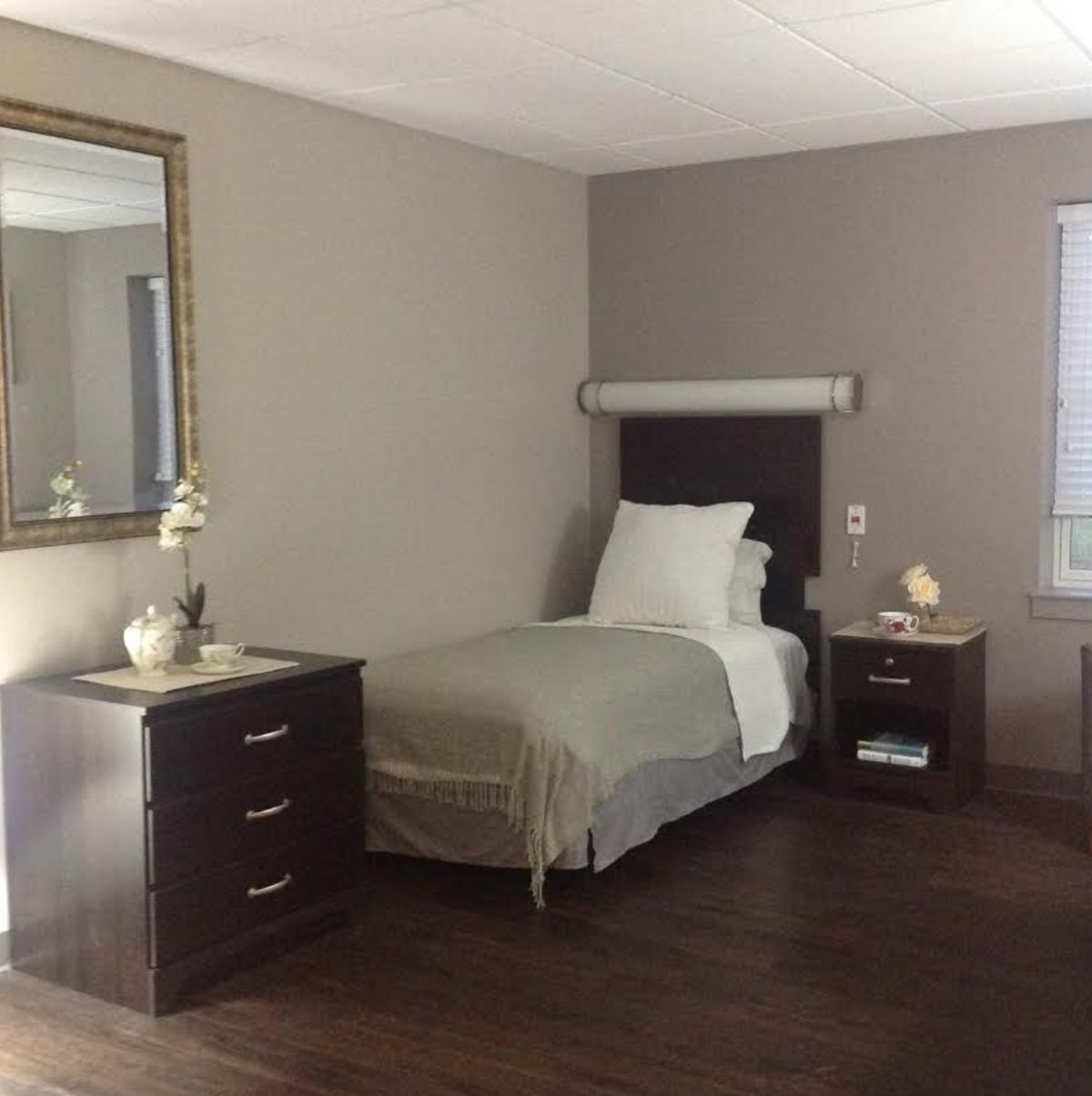




394 Violet Avenue, Hyde Park, NY 12538
For more information about senior living options: (866) 208-4318
Overall Review of Hyde Park Assisted Living
Pros
 The staff there are wonderful.
- The owner goes above and beyond for the residents.
- This place is a beautiful facility with great staff.
- They have great food.
- The staff keep me updated all the time.
- They go above and beyond for their residents.
- There were a few who actually cared and took pride in their occupation.
Cons
 The management is terrible and the living conditions are poor, with roaches and ants everywhere.
- Staffing is hard to come by, leading to inconsistent and inadequate resident care.
- The owner is extremely rude, belligerent, defensive, evasive, and appears more focused on finances than patient care.
- The facility is described as a dump and not somewhere you would want to send a loved one.
- There are major health violations and dangerous living conditions, with verbal abuse reported by managers and residents.
- Communication is poor, as there is no voicemail on the main number, making it hard to leave messages.
- During the height of COVID, residents were neglected, meds were not given promptly, oxygen tanks ran out, and a resident died.
Review
Hyde Park Assisted Living is best suited for families seeking a budget-minded option where resident independence is still valued and social programming remains a visible priority, even when operations are imperfect. It works for seniors who can get by with uneven oversight and are comfortable with a facility that shows sparks of potential amid inconsistent execution. The community may feel preferable to options that are significantly more expensive or more tightly managed, provided the care needs stay modest and the family is prepared to monitor day-to-day quality closely.
This campus presents a mixed physical picture. On the positive side, several reviewers describe a facility that is aesthetically appealing and capable of delivering pleasing meals and pleasant social spaces when conditions run smoothly. Yet the negatives are hard to overlook: reports of pests, uneven heating and cooling, and a layout that isnā€™t truly designed for long-term comfort as care needs evolve. The building is not consistently maintained to a high standard, with practical concerns like temperature swings and mobility challenges on a hill that requires careful planning for anyone with limited stamina or mobility aids. In short, the shell may promise more than the daily reality delivers.
Staffing and management emerge as the most consequential leverage points in the decision. Some caregivers are praised for doing what is needed and for showing care within the constraints of the system, but turnover is repeatedly cited as destabilizing, and management is described by some families as unresponsive or even hostile. The owner is a decisive figure in several accounts, hailed by some as going above and beyond, but condemned by others as belligerent or financially skewed toward collecting payments rather than prioritizing resident welfare. This split signals a risk: the experience you get may hinge as much on who is on duty as on the posted plans or schedules.
Care quality and safety concerns complicate the calculus further. A number of reviews allege serious shortcomings, from inadequate nutrition and inconsistent medication oversight to delayed responses during emergencies and even reports of unsafe living conditions. While other families point to moments of honest effort and staff willing to work hard, the weight of the negative anecdotes, pest issues, chronic staffing gaps, and management lapses, cannot be dismissed. For families prioritizing medical oversight, dependable medication management, and consistent emergency response, these patterns are a clear signal to explore alternatives more thoroughly before committing.
The pros, engaged activities, opportunities to socialize, and accessible transportation for outings, do offer meaningful value when present and well-supported. They can help residents stay connected and mentally stimulated, which matters greatly in assisted living. But these strengths do not fully offset the most substantive drawbacks: inconsistent governance, potential safety risks, and the financial-priorities charge some claim to observe in owner interactions. For a resident who needs reliable, high-quality care, the risk-reward balance tilts toward seeking a facility with steadier leadership, stronger clinical protocols, and fewer red flags documented in resident and family experiences.
In sum, Hyde Park Assisted Living may be a fit for those prioritizing cost-conscious living with basic social programming, and for families willing to actively oversee care day to day. For anyone whose priority is unwavering safety, consistent medical oversight, and stable administration, alternatives are strongly advised. Prospective residents should demand clear assurances on staffing levels, incident reporting, nutrition standards, and maintenance fixes before considering a move. If staying within the Hyde Park area, schedule multiple visits during different days, speak directly with residents and independent care coordinators, and verify state licensing history. If those assurances cannot be obtained, resilience and peace of mind will likely demand a different home.
 78 resident community capacity
 Assisted Living
 Air-conditioning
 Beauty salon
 Cable or satellite TV
 Computer center
 Dining room
 Fitness room
 Fully furnished
 Gaming room
 Garden
 Housekeeping services
 Kitchenette
 Move-in coordination
 Outdoor space
 Private bathrooms
 Restaurant-style dining
 Small library
 Telephone
 Wellness center
 Wi-Fi/high-speed internet available
 Stewart (19 miles away)
 Community operated transportation
 12-16 hour nursing
 24-hour call system
 Activities of daily living assistance
 Assistance with bathing
 Assistance with dressing
 Assistance with transfers
 Diabetes diet
 Medication management
 Mental wellness program
 Special dietary restrictions
 Concierge services
 Planned day trips





 Assisted Living Support for Veterans: A Complete and Detailed Overview
 Exploring the Contrasts Between Assisted Living and Skilled Nursing
 8 Key Indicators That Suggest It May Be Time to Transition from Assisted Living to Skilled Nursing Care