
350 Cuba Hill Rd, Huntington, NY 11743
To contact a resident: (631) 368-9528
For more information about senior living options: (866) 208-4318
Overall Review of St Joseph's Home For the Aged
Pros
 The care and compassion shown to the aged is unbelievable.
- The facility is incredible.
- The staff are wonderful.
- The sisters are caring and kind.
Cons
 The staff are described as greedy for money and big donations, implying care is secondary.
- Loved ones are said to be last in their minds.
- There is a warning not to send a loved one there.
- The place is described as nice only until a loved one goes to the hospital.
Review
St Joseph’s Home For the Aged in Huntington, NY is best suited for families seeking an intimate, home-like environment where care feels personal and hearts-on-cosmetic care is paired with a clear, faith-informed culture. This community leans into warmth and hands-on attention, with staff and the sisters visibly involved in daily routines, meals, and routine companionship. It suits residents who value steady, personal interaction, predictable daily rhythms, and a sense that caregivers know them well enough to anticipate needs. For families prioritizing a warm, supportive atmosphere where residents aren’t treated as numbers, this is a compelling option.
Those who should consider alternatives are residents requiring high-intensity medical oversight or specialized programs. A rapid escalation in medical needs, complex wound care, dialysis, postoperative recovery requiring frequent physician visits, or dementia care with highly structured programming may outpace what this setting routinely provides. Non-religious or secular environments, or facilities with more expansive hospital-to-home coordination and a broader array of on-site medical specialists, could be a better match for families who want very tight medical integration or more clinical oversight.
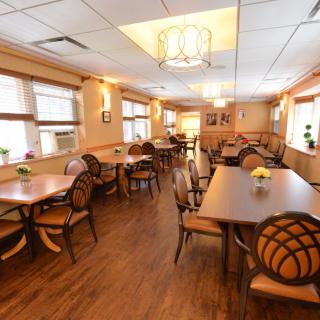
The strongest positives center on the care culture and living environment. Reviews repeatedly highlight an unbelievable level of care and a facility that feels expansive in its compassion. Descriptions of a home-like ambiance persist, with the sisters and staff portrayed as caring and kind, creating daily life that centers on comfort, respect, and personal dignity. For families who fear the coldness of larger institutions, the emotional warmth and consistent attention offered here can translate into meaningful quality of life for residents. The sense of community is palpable, and the caregiving team often emerges as the defining strength of the experience.
Yet one review raises a serious caution: a negative perception around hospital transfers and what is perceived as a prioritization of fundraising or religious leadership over resident welfare. The tension reflected in that critique, feeling let down when a loved one moves to hospital care, and a belief that donor considerations might overshadow individual needs, cannot be dismissed lightly. This is a reminder that, in faith-based settings, governance and administrative responsiveness matter just as much as bedside kindness. While not universal, such concerns warrant careful attention when evaluating how administrative decisions impact day-to-day resident experiences.
The key pros, genuine warmth, a home-like setting, and deeply caring staff, can offset the cons for many families, provided transparent communication and reliable care coordination are maintained. When hospital or specialist needs arise, strong, proactive coordination and clear family updates are essential to ensure that the positive daily environment isn’t undermined by gaps in transition planning. For residents who thrive under a steady, personally connected care team, the daily lived experience can mute some of the anxieties around medical escalation. However, for those wary of potential misalignment between fundraising priorities and resident welfare, this facility demands explicit assurances about governance, care decisions, and the channels for family input.
Decision-making guidance follows from these dynamics. If a loved one prioritizes a warm, community-focused setting with attentive caregivers who treat residents like family, St Joseph’s offers a compelling fit. Prospective families should still interrogate how hospital transitions are managed, how communication with families is structured, and who coordinates medical care when a higher level of clinical intervention is needed. Asking about memory-care capabilities, staffing ratios, and the presence of non-religious governance can clarify alignment with expectations. If the answer emphasizes responsive care, strong family communication, and a robust process for hospital coordination, this community becomes a strong contender. If questions about donor influence, governance transparency, or the adequacy of medical oversight remain unsettled, alternative options with more pronounced medical integration or secular governance may be prudent.
 Board and Care Home
 Long Island - MacArthur (13 miles away)


 Navigating the Tax Landscape of Caregiving: Credits, Deductions, and Beyond
 Highly Beneficial Low-Impact Exercises for Senior Living Residents
 Is In-Home Healthcare Tax Deductible? Your Comprehensive Guide