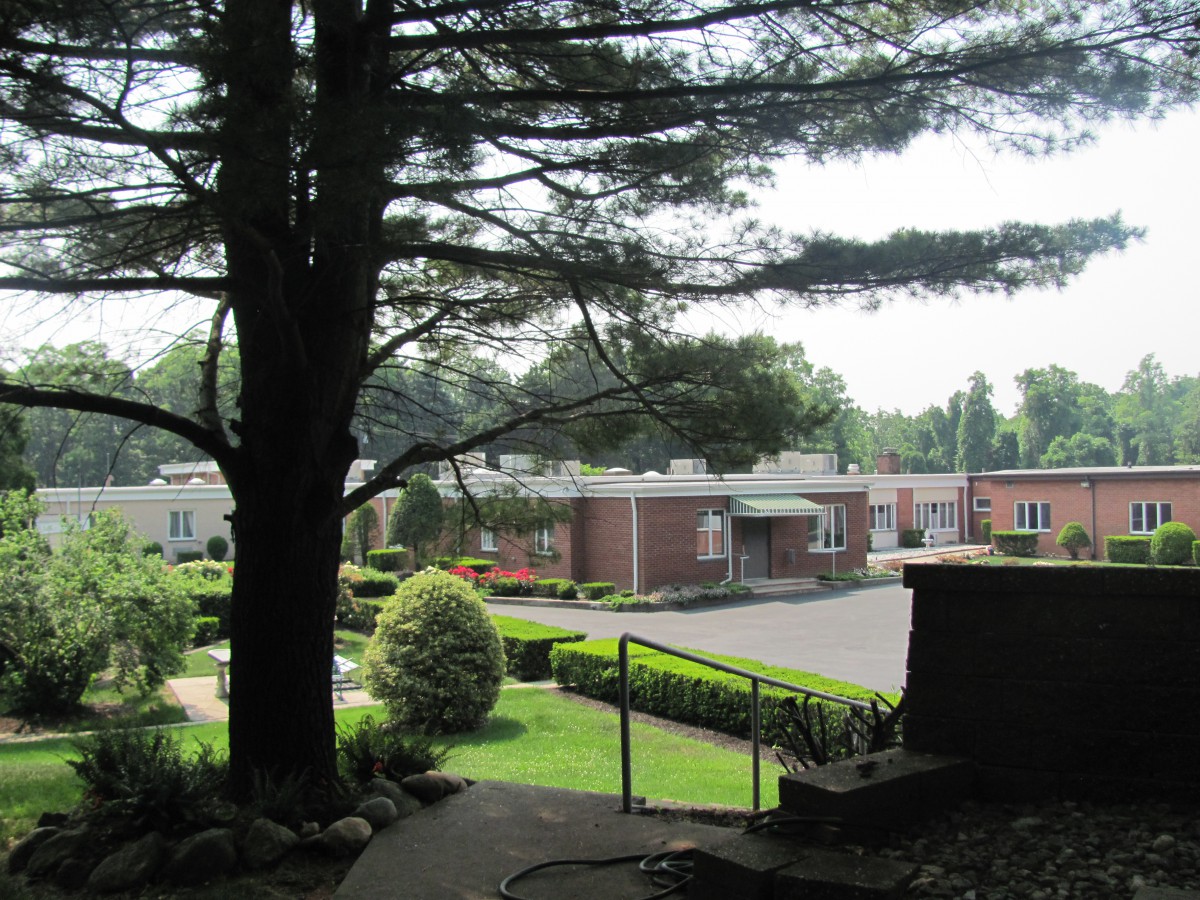



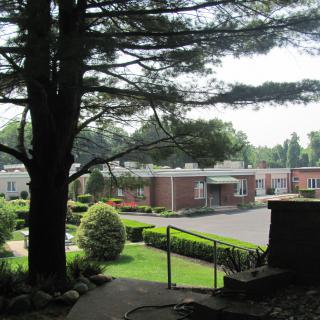
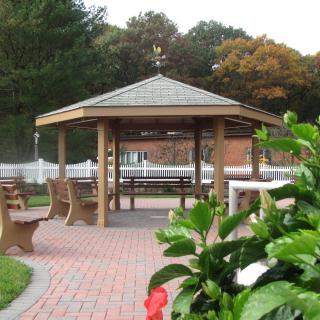
350 Cuba Hill Road, Huntington, NY 11743
For more information about senior living options: (866) 208-4318
Overall Review of Missionary Sisters Of St. Benedict
Pros
 The care her mother received was excellent, loving, and professional.
- Sister Pia is very gracious, attentive, supportive, and thoughtful.
- They donated hygiene supplies to an orphanage in Ukraine during the war.
Cons
 This awful war started.
Review
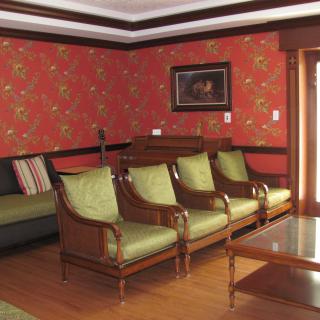
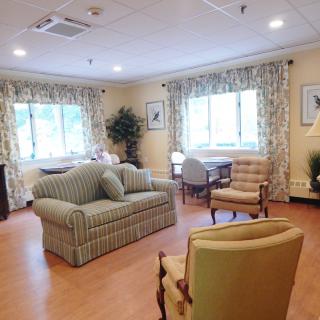
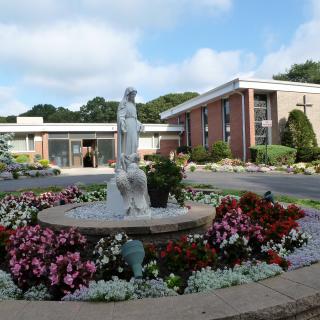
This community is best suited for seniors who want a warm, intimate living environment that feels more like a caregiving family than a traditional facility. Operated by the Missionary Sisters of St. Benedict, the Huntington campus projects a calm, purpose-driven atmosphere where routines feel predictable and staff presence is consistently personal. The care style centers on compassion, professionalism, and steadiness, which translates into residents who are tended to with genuine attentiveness and respect. Families seeking a faith-informed setting with clear, consistent caregiver engagement will find a strong alignment here.
Those who may want alternatives are clear-cut: seniors requiring a high level of on-site medical complexity or those who prefer a large, secular campus with expansive programming and amenities may want to look elsewhere. For residents who want aggressive post-acute rehabilitation, multiple specialized medical partners on-site, or a bustling, non-religious social scene, a larger operator or hospital-connected community could offer more breadth. Similarly, households seeking a strictly secular environment or a setting with a broader menu of activities might find the Benedictine model too narrow in scope.
The strongest pros revolve around the quality of human contact. Care is described as excellent, loving, and professional, with staff who are attentive, supportive, and thoughtful. The presence of Sister Pia as a gracious, guiding figure signals a culture where empathy and dignified treatment are standard operating practice. This level of personal care often translates into smoother daily routines, quicker response times, and a reassuring sense that residents are seen as individuals rather than cases. When a community can couple professional caregiving with a heartfelt, almost familial warmth, the risk of isolation or distress for residents drops noticeably.
Another key pro is the community’s value-driven orientation, which extends beyond daily care to meaningful engagement. The facility demonstrated active, real-world compassion, participating in humanitarian efforts, such as supplying hygiene items to Ukrainian orphans during hard times, an indicator that the environment sustains purpose for both residents and their families. That mission-informed ethos typically enriches conversations, strengthens family connections, and provides residents with a sense of belonging to something larger than daily routines. In practical terms, this translates into a living experience where care feels integrated with values, not siloed as a clinical service.
Potential trade-offs exist, even in a strong positive picture. The intimate, faith-centered setting may naturally offer fewer nonreligious programs or highly diversified activity calendars than larger, secular communities. For families prioritizing broad social programming, this can feel restrictive. The same religious orientation that provides comfort for many may not suit every resident’s beliefs. Additionally, while the care quality is evident, the smaller scale may mean fewer on-site medical partners or limited specialized units compared with bigger campuses. Yet these cons are substantially offset by the core strengths: depth of staff-resident relationships, consistent spiritual and emotional support, and a proven commitment to compassionate, professional care.
Ultimately, the choice favors this community for families prioritizing warmth, continuity, and a values-based living environment. It stands out for caregivers who want tangible, ongoing staff engagement and for residents who appreciate a home-like atmosphere backed by professional, respectful care. For those who need expansive medical services or a secular, activity-rich campus, it makes sense to compare alternatives. Prospective families should plan a disciplined visit: meet frontline caregivers, talk to a resident family, review a sample care plan, and gauge how well the environment would support the resident’s spiritual and social needs alongside medical considerations. This is a strong option when the priorities align with intimate, purpose-driven senior living.
 60 resident community capacity
 Assisted Living
 Air-conditioning
 Beauty salon
 Cable or satellite TV
 Computer center
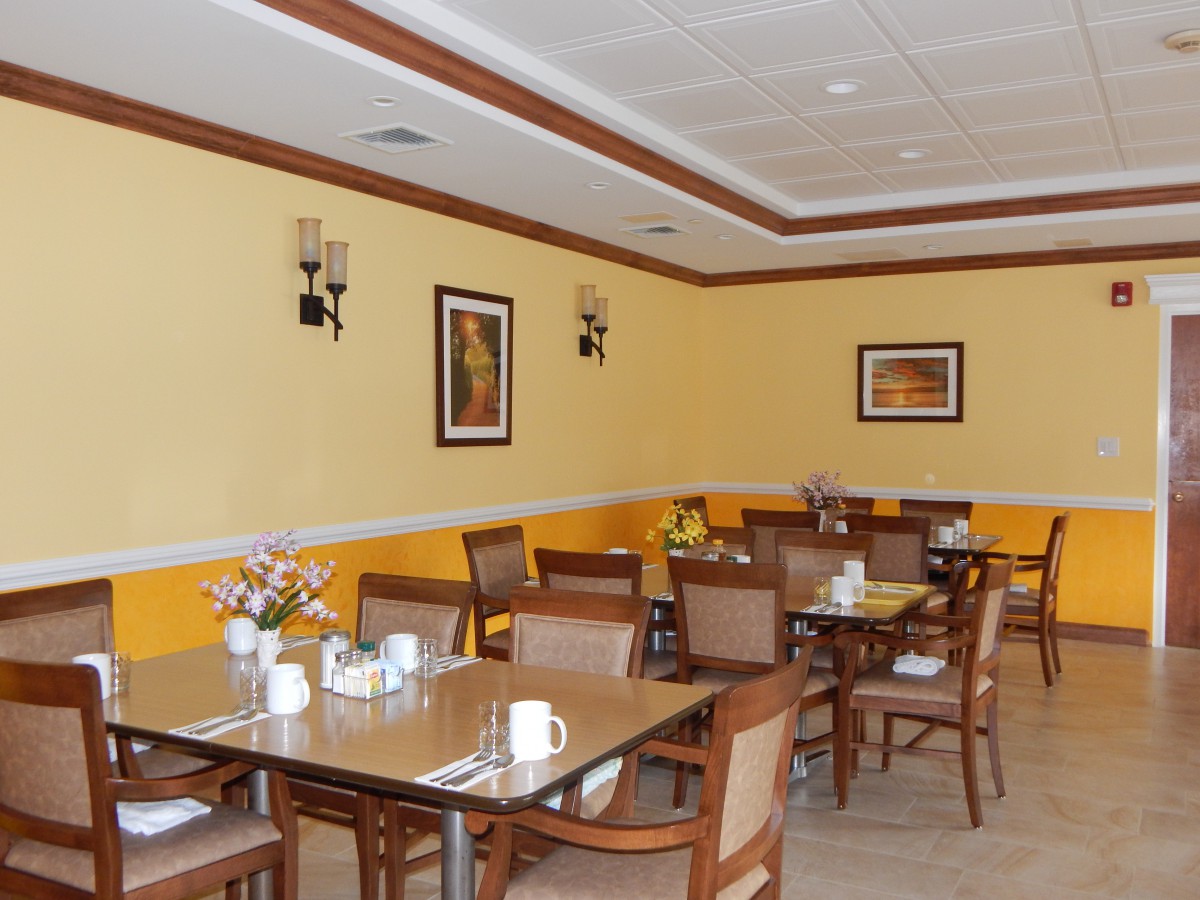
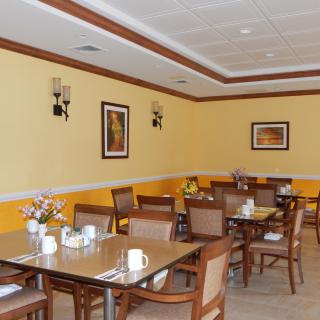
 Dining room
 Fitness room
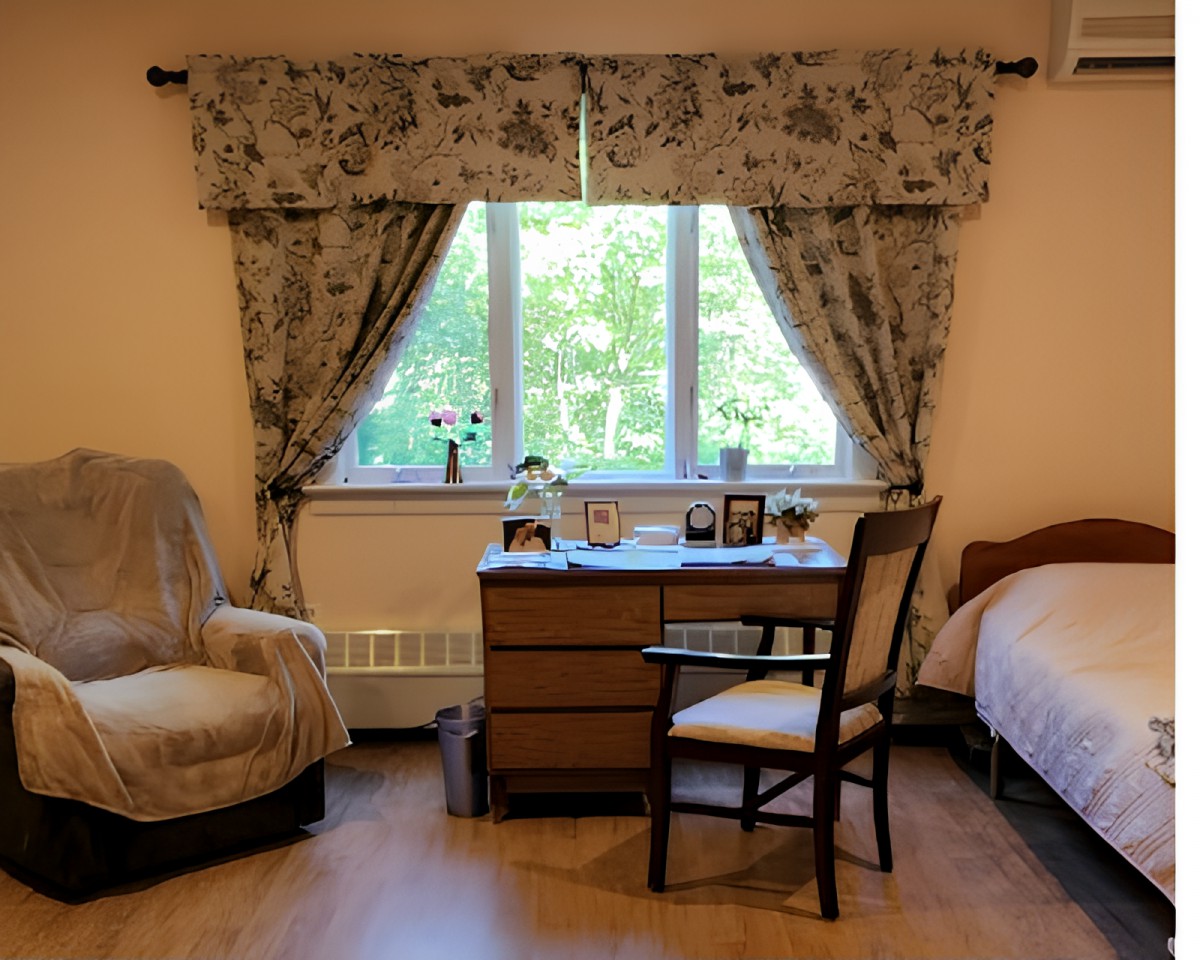
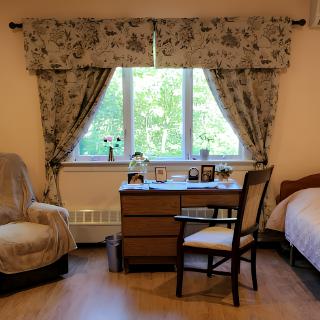
 Fully furnished
 Gaming room
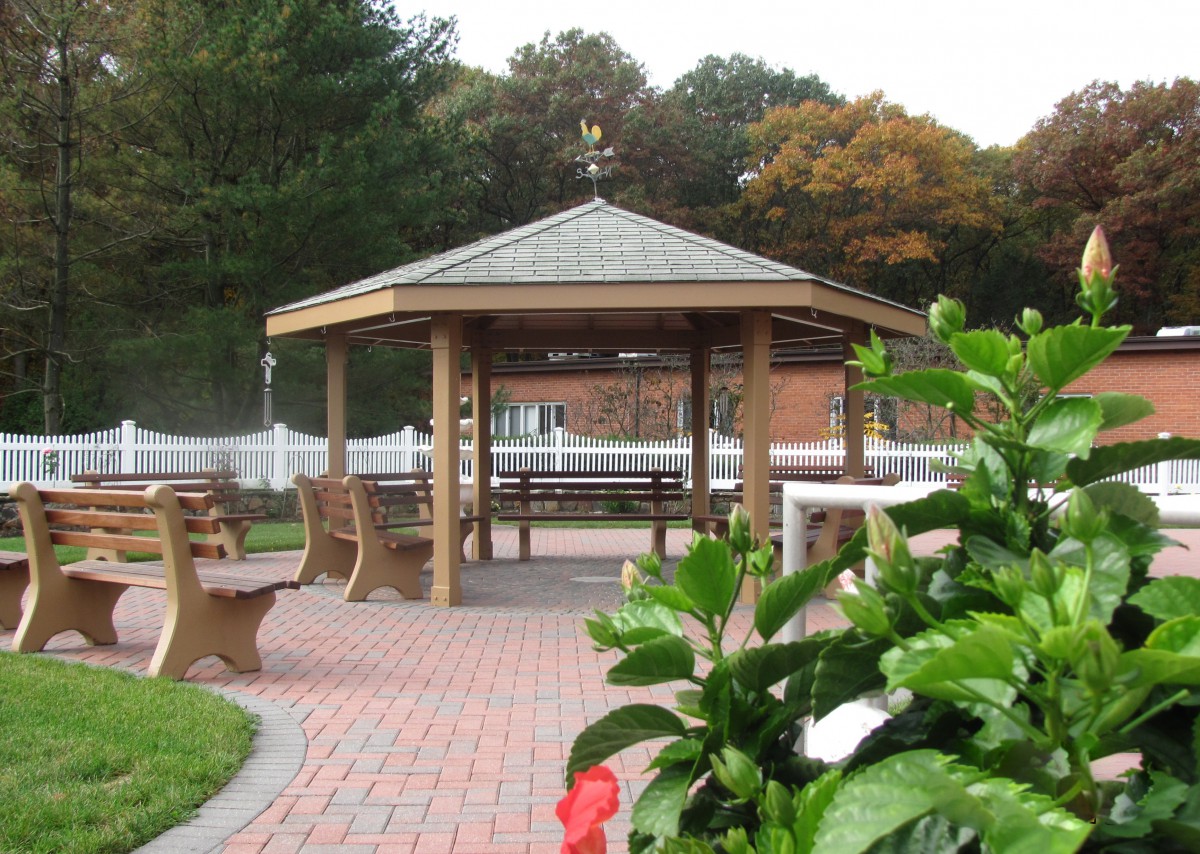
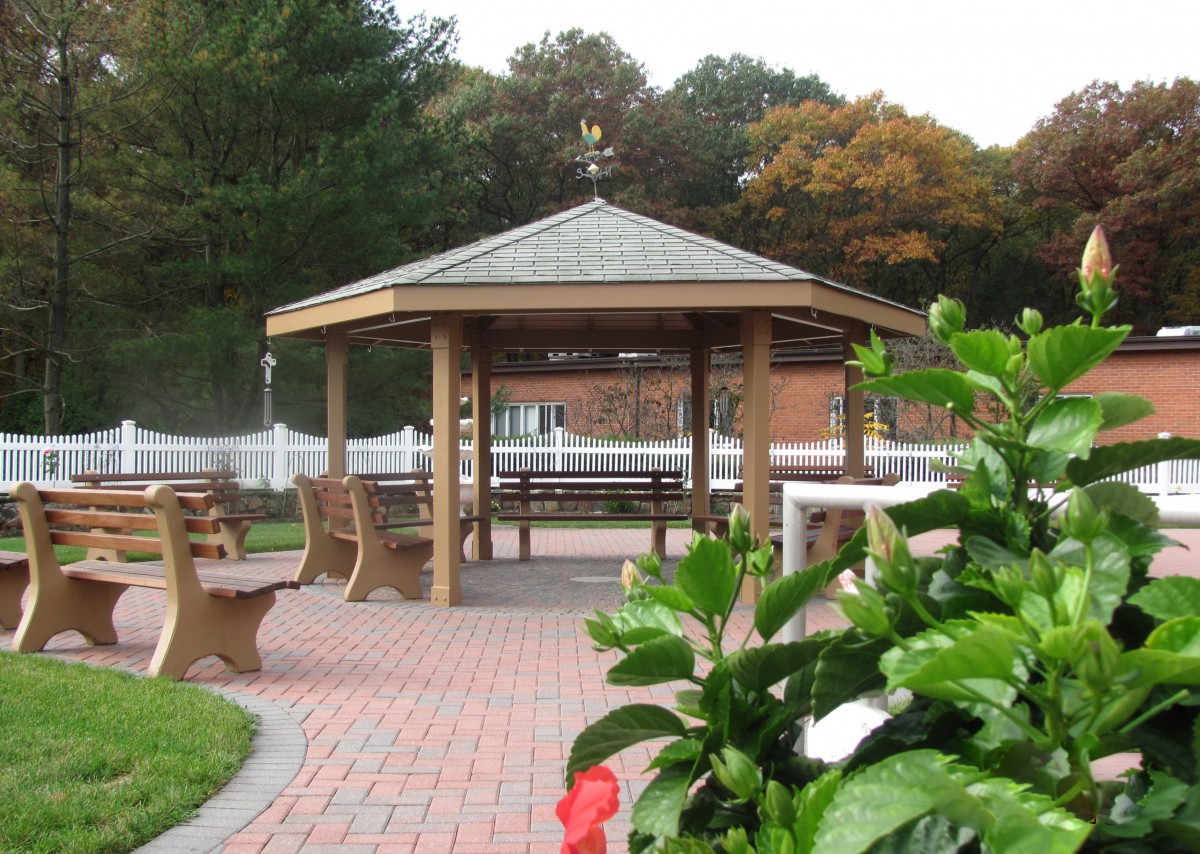
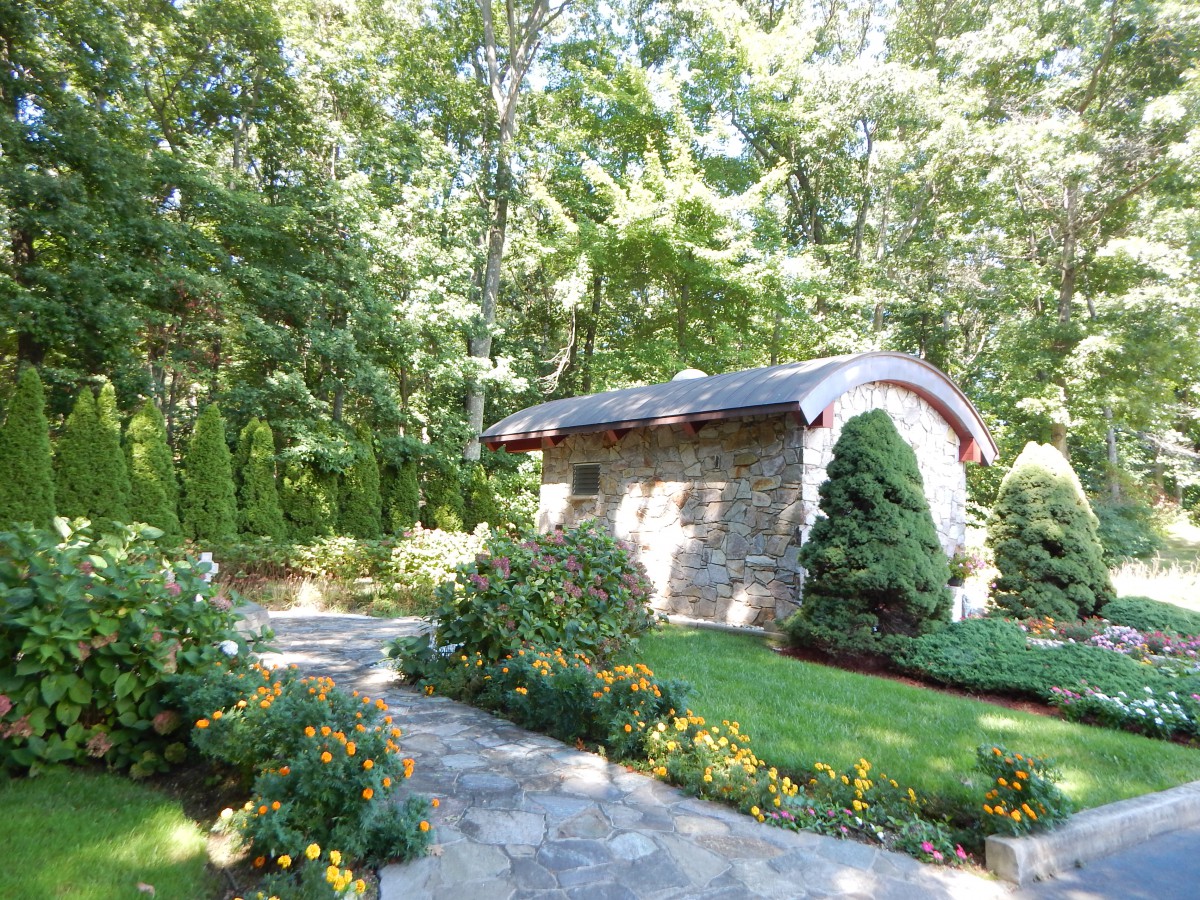
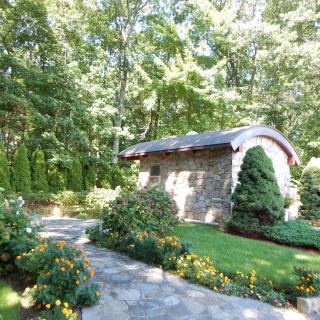
 Garden
 Housekeeping services
 Kitchenette
 Move-in coordination
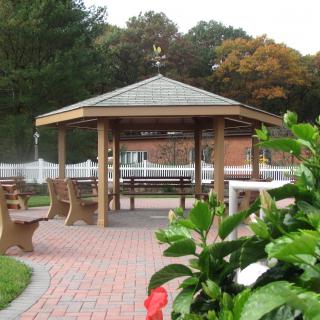
 Outdoor space
 Private bathrooms
 Restaurant-style dining
 Small library
 Telephone
 Wellness center
 Wi-Fi/high-speed internet available
 Long Island - MacArthur (13 miles away)
 Community operated transportation
 12-16 hour nursing
 24-hour call system
 Activities of daily living assistance
 Assistance with bathing
 Assistance with dressing
 Assistance with transfers
 Diabetes diet
 Medication management
 Mental wellness program
 Special dietary restrictions
 Concierge services
 Planned day trips

 Comprehensive Insights into Activities of Daily Living (ADLs) and Their Assessment
 Guiding Elderly Parents Who Refuse Assisted Living: 6 Practical Steps
 Your Comprehensive Guide to Luxury Assisted Living: Elevated Facilities, Amenities, and Costs