


30 Whittier Way, Ghent, NY 12075
For more information about senior living options: (866) 208-4318
Overall Review of Whittier Place Assisted Living Center
Pros
 The director Erica goes above and beyond for her residents.
- The aides are very kind and always friendly to answer questions.
- The administration is unbelievable and its door is always open to families for whatever they need.
- They feel their loved ones are safe and cared for there.
- The staff seem to be nice and are very helpful.
- The staff are loving and caring.
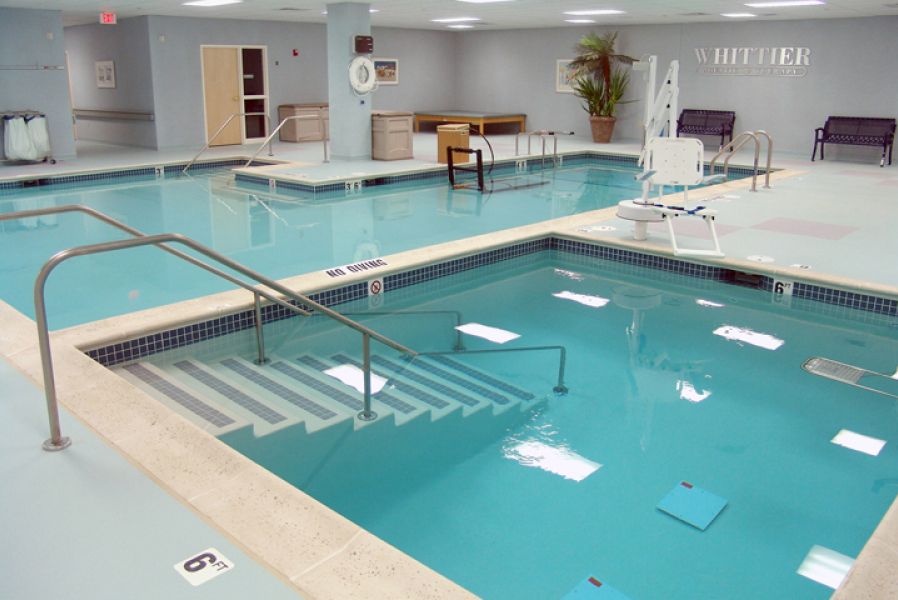
- Rehab, PTs and OTs are good.
- The admissions officer was pleasant and informative.
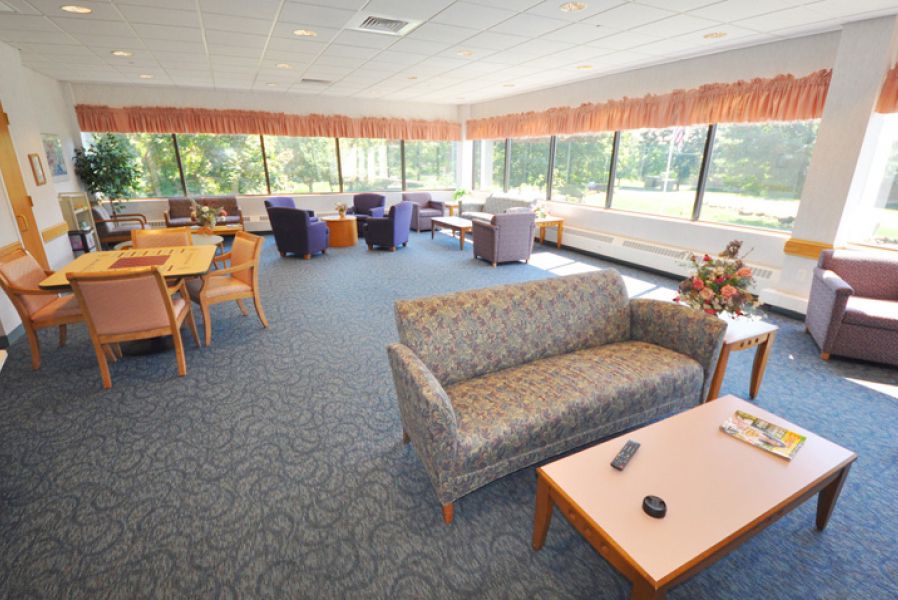
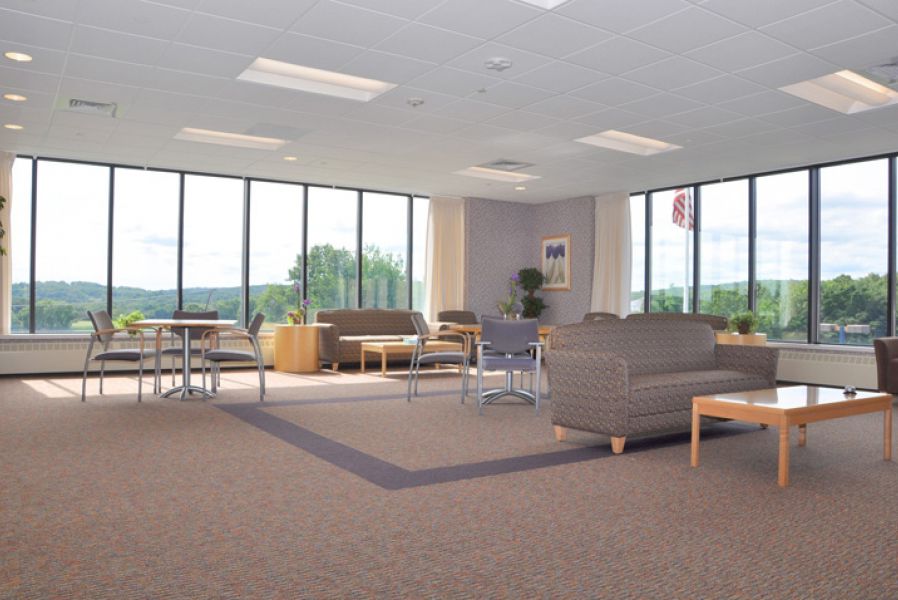
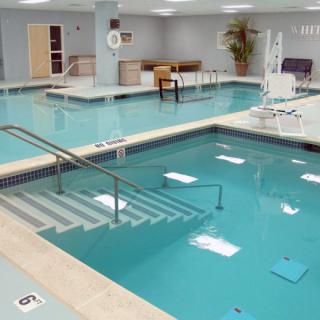
- The rooms are nice.
Review
Whittier Place Assisted Living Center in Ghent, NY is best suited for seniors who require substantial daily assistance but still want a warm, hands-on environment and easy access to a responsive team. Families weighing care around safety, consistency, and personal attention will find a reliable anchor here. The community rewards those who value an approachable administration and a small, intimate setting where staff know residents by name and administration remains reachable through a door that often stays “open.” It is less appropriate for residents who require memory-care programming, advanced clinical oversight for dementia, or a rheumatoid of high-end amenities, and those comparing options strictly by price should prepare for meaningful trade-offs.
For memory-care needs, or for families prioritizing more polished, modern interiors and potentially lower ongoing costs, alternatives deserve serious consideration. The facility’s small footprint and 35-bed vibe create a homey feel, but they also signal limitations in specialized dementia care and in broad-scale renovations. Prospective residents who want robust, specialized cognitive support or that next-step design refinement should explore communities whose core mission centers on memory care, as well as options with clearer price-to-feature alignment that target cost-conscious families.
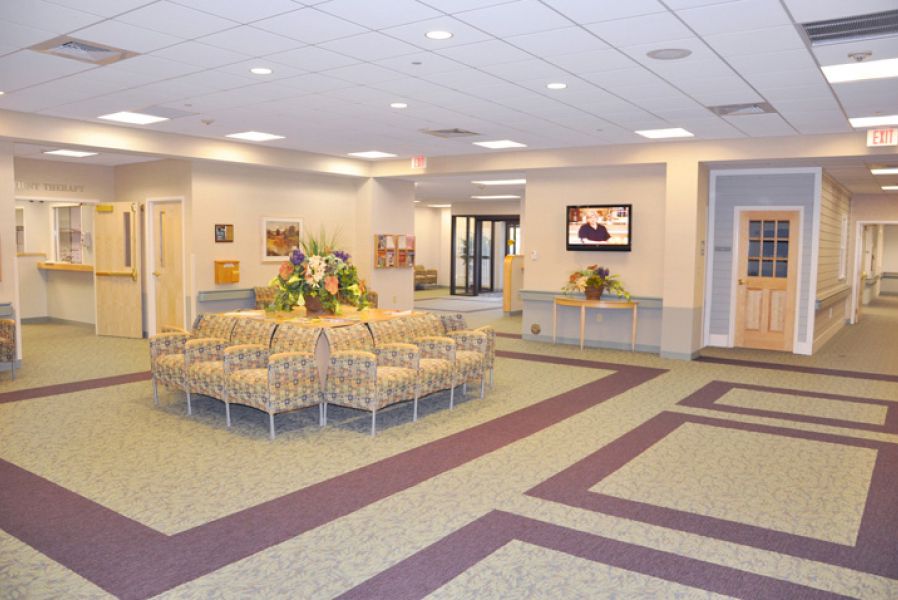
On the upside, Whittier Place earns trust through consistently warm staffing and an administration that residents’ families feel comfortable approaching. Aides and nursing staff are described as kind, patient, and responsive, with families repeatedly noting that questions are answered and care plans are accessible. The director and management pair appear to honor open lines of communication, and families report feeling reassured by ongoing updates about changes in condition. The rehab side, physical, occupational, and restorative therapies, receives credible praise, and the country setting, comfortable rooms, and sensory calm of the building contribute to a sense of stability for many residents. When administration is proactive and staff stay engaged, this becomes a meaningful offset to the daily demands of caregiving.
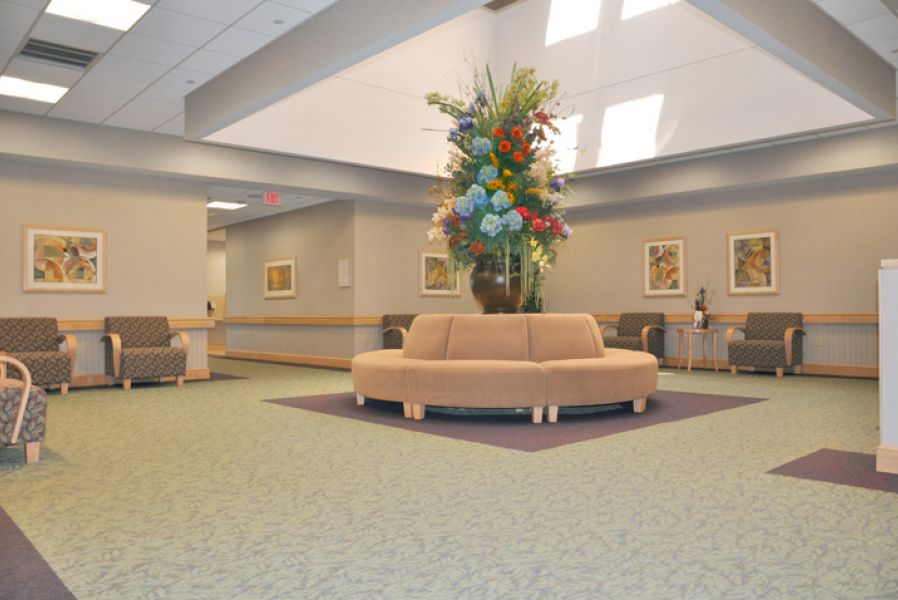
Yet, no review pattern ignores the friction points. Cost is a dominant concern: monthly fees in the six- to seven-figure range for many families feel steep relative to what the setting delivers, and some observers regard value as a primary negative driver. Not every resident thrives here due to the facility’s non-specialized approach to dementia, with at least one report highlighting medication and dementia-related gaps. Other critiques point to the building showing its age, with the ambiance sometimes feeling dated rather than refreshed. There are echoes of staff being overextended at times, which can stress both residents and families seeking round-the-clock assurance. While most experiences are solid, these financial and operational frictions temper the overall appeal for some.
The key pros, attentive staff, accessible leadership, credible therapies, and a comforting, low-pretension atmosphere, often offset the cons for families who prize peace of mind and a sense of community over modern luxury. For residents who value safety, consistent daily routines, and daily interactions with people who know their preferences, the positives compound into genuine quality-of-life gains. The small size can translate into more personalized attention and quicker responsiveness, and the visible commitment from the team, including specific staff champions who go the extra mile, reinforces confidence that loved ones are not merely housed but cared for. Still, the economic hurdle and the mismatch with memory-care needs mean several families will conclude that the trade-offs do not align with their top priorities.
Decision-makers should approach with a clear checklist: request a day visit to observe staff interactions and medication routines, ask for a transparent, itemized disclosure of current rates and any ancillary charges, and probe whether any memory-care-adjacent services are truly available on-site. Verify the staffing ratios during peak hours and inquire about how central administration handles concerns raised by families. If dementia care is nonnegotiable, compare Whittier Place to dedicated memory-care communities; if price is the decisive factor, bring precise budget parameters to negotiations and demand a clear value narrative. For those who can afford a higher level of personal attention and who value a nurturing, community-driven environment, Whittier Place can be a dependable home. For others, especially where cognitive support or cost containment trump emotional fit, exploring alternatives will likely prove prudent.
 80 resident community capacity
 Assisted Living
 Skilled Nursing Facility
 Air-conditioning
 Beauty salon
 Cable or satellite TV
 Computer center
 Dining room
 Fitness room
 Fully furnished
 Gaming room
 Garden
 Housekeeping services
 Kitchenette
 Move-in coordination
 Outdoor space
 Private bathrooms
 Restaurant-style dining
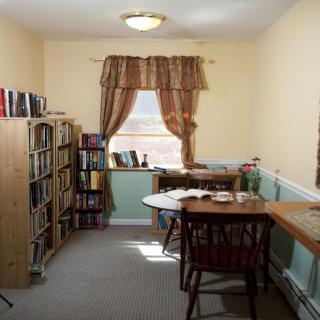
 Small library
 Telephone
 Wellness center
 Wi-Fi/high-speed internet available
 Community operated transportation
 12-16 hour nursing
 24-hour call system
 Activities of daily living assistance
 Assistance with bathing
 Assistance with dressing
 Assistance with transfers
 Diabetes diet
 Medication management
 Mental wellness program
 Special dietary restrictions
 Concierge services
 Planned day trips

 Funding and Affording Assisted Living: A Thorough Overview
 Assisted Living Expenses and Long-Term Care Insurance: A Comprehensive Exploration
 Securing Financial Support for Assisted Living: A Comprehensive Overview