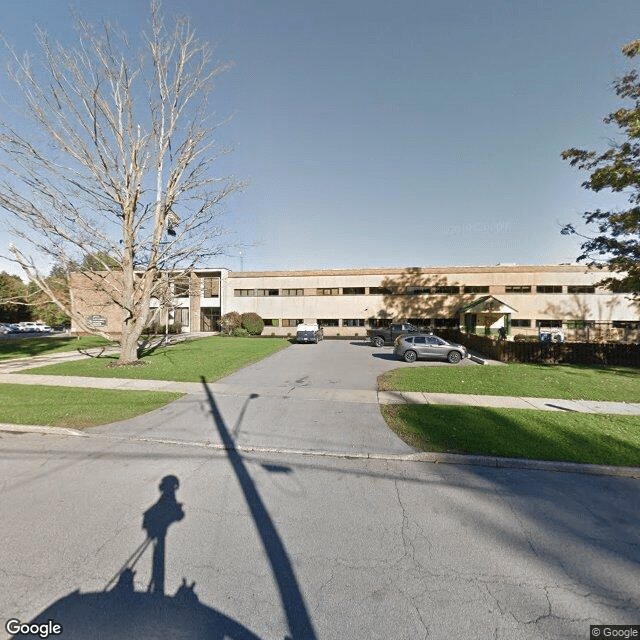
Absolut Facilities Management in East Aurora, NY
Save
Information last verified:
300 Gleed, East Aurora, NY 14052
For more information about senior living options: (844) 490-3973
Absolut Care of Aurora Park in East Aurora is best suited for families pursuing tangible rehab gains and memory-care support where the therapy team and some nursing staff can drive real progress. The strongest endorsements come from residents and families who describe focused PT/OT work, individualized therapy routines, and staff members in memory-care units who treat residents with genuine warmth and patience. For short-term, post-acute rehabilitation with a goal of returning home, and for memory-care residents who value consistent, compassionate engagement, the facility can be a reasonable match. The promise rests on a therapy-first approach, visible dedication from certain teams, and a facility that sometimes feels welcoming even under strain. This is not a one-size-fits-all destination, but it can deliver meaningful outcomes when the right unit and staff are involved.
Those considering alternatives should note the facility is less suitable for families seeking flawless daily care, pristine cleanliness, and consistently smooth operations. Repeated reports describe odors in rooms and hallways, dirty linens, and beds left in soiled conditions. Delays in call-light response and intermittent aide availability recur across reviews, raising concerns about day-to-day safety and comfort. Jurisdictional red flags, unsecured entrances, uneven supervision, and inconsistent accountability, underscore a risk profile that may be unacceptable for long-term residents or those with high care needs. Billing disputes, lost belongings, and perceived disengagement from some staff amplify the sense that reliable, respectful care cannot be assumed. For residents who require steady medication passes, timely assistance, or transparent, proactive management, exploring other options is prudent.
Assessing the trade-offs, the strongest positives cluster around rehab outcomes and the compassionate care described in memory-care episodes. When therapy teams are solid, residents gain mobility, confidence, and a sense of forward momentum, and families often note advocacy and goal-focused care from therapists and aides. Memory-care units are frequently praised for warmth, attentiveness, and staff who build trust with both residents and families. Yet these successes sit alongside persistent concerns. Reviews repeatedly flag rooms and common areas that smell of urine, inconsistent housekeeping, and long wait times for call-light responses. Reports of miscommunication, and in some cases theft or loss of belongings, erode trust and create daily anxiety for visitors and residents alike. The overall picture is uneven: strong clinical progress and humane caregiving on some days, paired with structural gaps that players across the system must address.
Practical guidance for families considering Absolut Care is clear. Demand a direct tour of the rehab and memory-care floors, and spend time watching therapy sessions and call-light response behavior. Meet the treatment team, especially the PT/OT staff and memory-care aides who would be with a loved one daily, and ask for recent state survey findings and any quality-improvement plans in place. Talk with current families about daily routines, housekeeping, and how medication passes are handled. Inspect policies on lost belongings, discharge planning, and family communication, insisting on written expectations and a defined problem-resolution path. Finally, evaluate leadership responsiveness: do administrators address concerns promptly, and is there a reliable process for follow-up? These steps help separate the promising clinical outcomes from the more troubling day-to-day realities.
Leadership and culture prove decisive. Some reviews commend dedicated administration and long-tenured teams who know residents by name and communicate well; others describe chronic understaffing and a reactive management style that leaves caregivers to improvise. The same campus can deliver standout rehab outcomes on one unit while failing on another, suggesting that shifts in leadership and daily supervision drive most of the variation. This means the risk is not abstract: it is a matter of which shift is on duty and which manager is tracking quality. A short trial period with explicit exit criteria can protect against extended exposure to systemic gaps, and families should plan for ongoing oversight. The prudent path includes anchoring expectations in observable performance and demanding consistent accountability before committing long term.
Bottom-line recommendation: Absolut Care of Aurora Park rewards careful screening. For families chasing real rehab gains and empathetic memory-care support, a targeted tour and a phased commitment may pay off, provided expectations are documented and progress is tracked. For those needing consistent daily care, minimal odors, and reliable communication, exploring alternatives remains prudent. If proceeding, demand explicit goals, request weekly updates, and insist on accountability measures. Rely on direct observations and, where available, state survey results and current family experiences. The decision hinges on balancing observed clinical progress with the facility’s track record for cleanliness, responsiveness, and administration. The wiser path is to align the choice with what matters most, safety, dignity, and dependable daily care, then guard that standard through vigilant family involvement.
The assisted living community in East Aurora, NY managed by Absolut Facilities Management offers a convenient and accessible location for seniors. Situated near two parks, residents can enjoy the beauty of nature and engage in outdoor activities. Additionally, having two pharmacies nearby ensures that residents have easy access to their medication needs.
For medical assistance, there is a physician's office close by, providing prompt and reliable healthcare services. This proximity to essential medical support gives residents peace of mind knowing that their health needs can be addressed promptly.
When it comes to dining options, this community boasts three restaurants in the vicinity. Residents can savor delicious meals without venturing too far from home. These restaurants provide variety and cater to different culinary preferences, ensuring a satisfying dining experience for all.
Overall, this assisted living community prioritizes convenience and accessibility for its residents. With nearby parks for recreation, pharmacies for medication needs, a physician's office for medical care, and multiple dining options within reach, seniors can enjoy a comfortable and fulfilling lifestyle in East Aurora, NY.
East Aurora, New York is a charming and well-equipped community that offers convenient access to essential services such as pharmacies, restaurants, parks, physicians, cafes, places of worship, theaters, and transportation options. With multiple pharmacy options within a short distance, seniors can easily access their medications. The variety of dining establishments cater to different tastes, making meals out enjoyable. Parks provide opportunities for outdoor recreation and relaxation. Medical care is readily available with various physicians nearby. Cafes offer cozy spots to enjoy a cup of coffee with friends. Places of worship allow for spiritual fulfillment. The presence of a theater offers entertainment options, while easy access to transportation makes getting around convenient. In case of emergencies or medical needs, Mercy Hospital Operating Room is located within a reasonable distance. Overall, East Aurora provides ample amenities for seniors looking to settle in a welcoming and supportive community.
Absolut Facilities Management is located at 300 Gleed, East Aurora, NY 14052 in Erie County, New York
Home Health Care Aides: Understanding Their Role and Supporting Your Family

Home health care aides provide vital medical and non-medical support to individuals at home, assisting with daily living activities and promoting emotional well-being, while the demand for these services increases due to an aging population. Families benefit from in-home care's flexibility and cost-effectiveness but face challenges like scheduling consistency and caregiver turnover.
Older adults with urinary tract infections (UTIs) often present atypical symptoms, complicating diagnosis due to factors like incomplete bladder emptying and chronic health conditions that increase their susceptibility. Effective management involves prompt treatment with antibiotics, hydration, and preventive strategies while minimizing antibiotic resistance and focusing on holistic care approaches.
California's Form 602A: An In-Depth Examination of Senior Care Assessment
California's Form 602A is a vital tool for evaluating the health needs of seniors seeking residential care, detailing their medical conditions and daily living requirements to ensure proper service alignment. This standardized form enhances communication among physicians, families, and facilities, serving as a regulatory measure for admissions and ongoing care while adapting to changing healthcare practices.