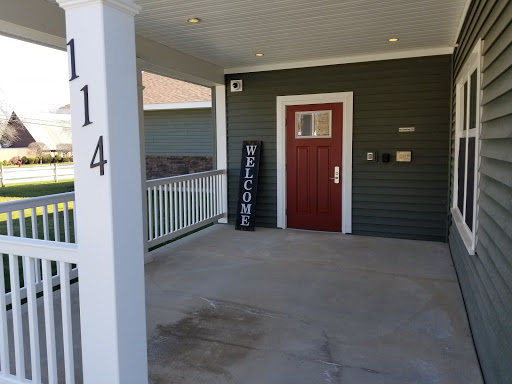


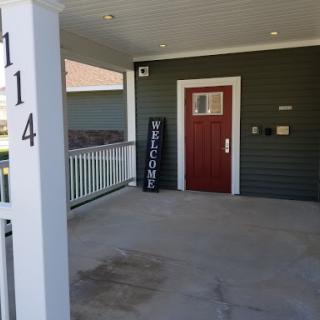
114 Utica Road, Clinton, NY 13323
For more information about senior living options: (866) 208-4318
Overall Review of Lutheran Home Cottages
Pros
 The staff, for the most part, are very kind.
- The Lutheran Adult Home has a great team of kind, caring employees who go above and beyond for residents.
- The Gordon unit staff were great to patients during rehab.
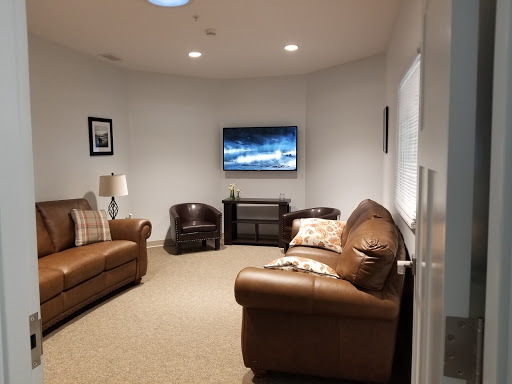
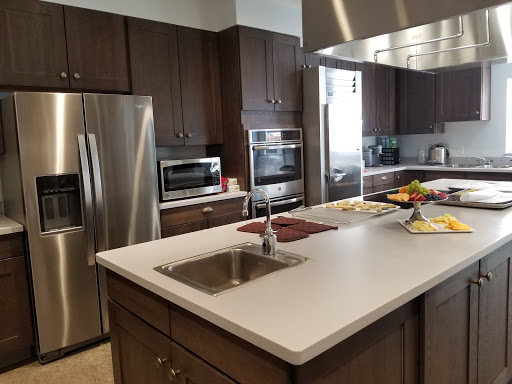
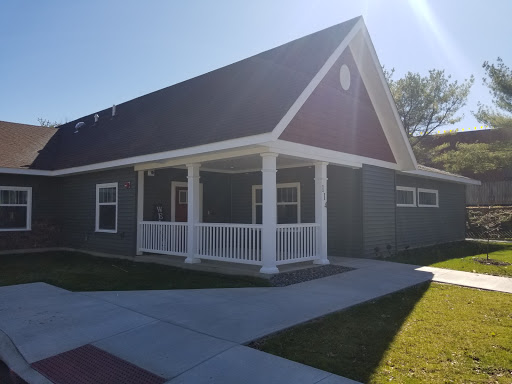
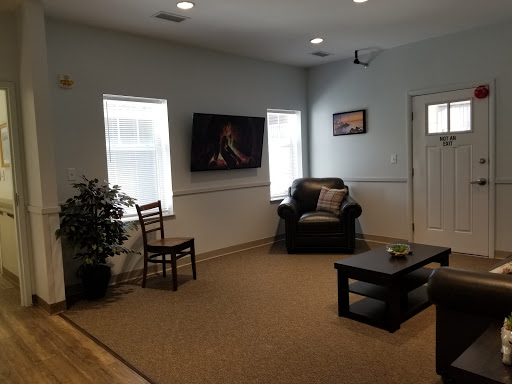
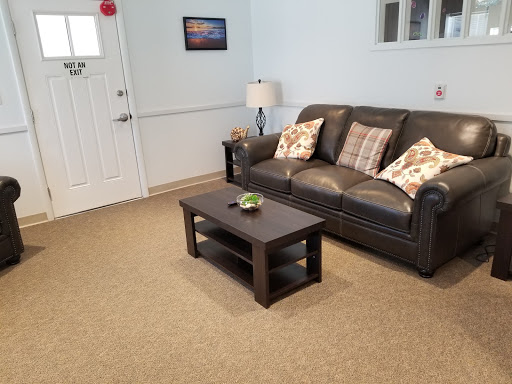
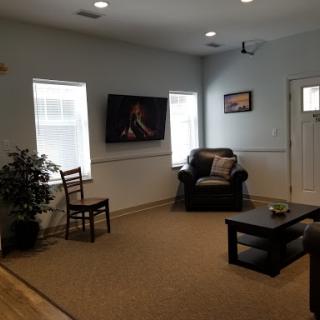
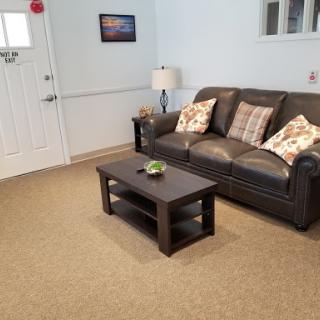
- The small home on the property is quaint and welcoming.
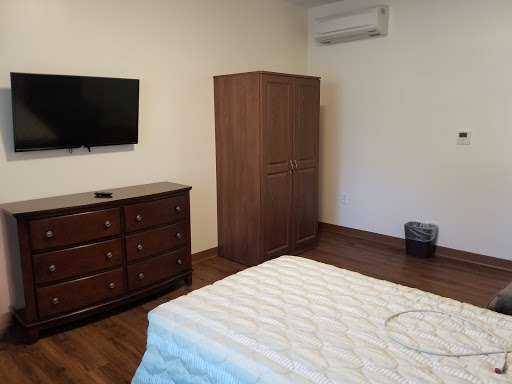
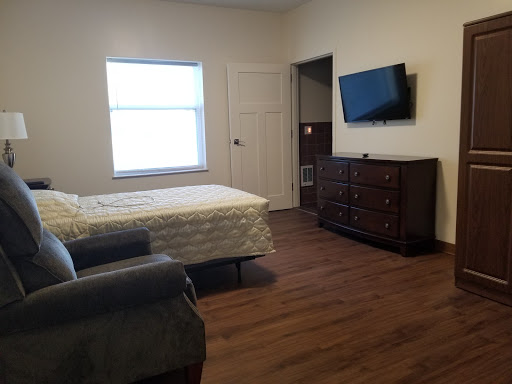
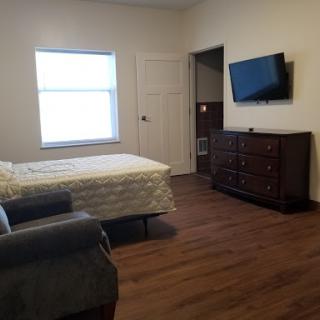
- The resident was moved to a single room with a private bathroom, and things have been better.
- The staff are quick to respond to call bells now.
- The facility allows families to be present for healing, which is appreciated.
Cons
 The facility is old and lacks essential safety features like bed rails and bed pad alarms for fall-risk patients.
- Residents experience long delays in getting help, with call bells going unanswered for hours.
- Beds are left elevated rather than lowered, increasing fall risk.
- Bathrooms and toilets can be dirty or poorly managed, forcing uncomfortable or unsafe use.
- Medication misplacement by staff raises safety concerns.
- Care quality is inconsistent; some days staff are attentive, other days care is slow or neglected, with distractions like cell phones.
- The environment can be excessively hot, described as a breeding ground for germs.
- Overall, the facility is not recommended for long-term care.
Review
Lutheran Home Cottages in Clinton, NY, is best suited for families seeking a small, home-like atmosphere where staff generally treat residents with warmth and kindness, and where rehab episodes can yield meaningful gains when oversight remains steady. The setting favors residents who respond to personal attention and a more intimate pace, and it can work for short-term rehabilitation tasks when families are actively involved and able to monitor progress. The facility’s charm and relational approach can be a real asset for those who prioritize human connection over pristine brand-new infrastructure.
Those who may want to consider alternatives are families prioritizing consistent, high-touch care and fail-safe safety features. If reliable call-light response, uniform staffing levels, rigorous medication management, and a consistently clean, well-maintained environment are non-negotiable, other options may better meet expectations. Residents requiring 24/7 vigilant supervision, frequent assisted mobility, and robust clinical oversight may be better served elsewhere, especially if frequent staffing fluctuations translate into uneven daily care and long wait times.
The strongest positives are tangible: staff members who are often kind and attentive, and a few teams that clearly go above and beyond for residents. The small, quaint atmosphere can foster meaningful interactions, and there are occasions when rehab efforts yield progress, particularly when a resident is able to stay engaged and families can advocate on a daily basis. In select moments, the transition to a single-room setup with private facilities has improved comfort and privacy for at least one resident, underscoring that the right alignment of staff, space, and routine can produce better day-to-day experiences.
However, the downsides consistently undermine these strengths. Chronic understaffing, with reports of two aides for dozens of patients, translates into slow response times and variable care quality from day to day. Alarming telltales include long wait times after bells ring, and frequent impressions of rushed or inconsistent attention from aides and nurses. Structural safety gaps are also evident: essential fall-risk protections such as bed rails or bed alarms are lacking, and bed heights are not always set with resident safety in mind. These gaps are not minor; they reshape daily life into a precarious balance between progress and exposure to avoidable incidents.
Heat and sanitation concerns reinforce the impression that reliability is uneven. Instances of overheated corridors, odor or cleanliness issues, and care routines that feel ad hoc contribute to a sense that the environment is not consistently safe or conducive to healing. Medication management has at times faltered, with reports of misplacement or delays in receiving prescribed treatments. The Gordon unit, while praised on some days for compassionate staff, also illustrates a broader pattern: rehab care can be strong in spots but is not uniformly dependable across units, and some families found the overall experience to be inconsistent and frustrating.
When deciding, families should approach with a practical plan: schedule multiple visits across different shifts, request candid conversations with both front-line staff and administrators, and verify the presence of essential safety features (bed rails, alarms, clearly adjustable bed heights) and robust temperature control. Ask about response times to call bells, daily care routines, and how medication issues are tracked and resolved. Compare these realities against alternatives, larger facilities with more dedicated staffing, or other local providers with stronger reputations for long-term consistency and safety. The goal is a clear-eyed assessment of whether the day-to-day experience will align with the resident’s needs and family expectations, with a readiness to pivot to safer, more dependable options if gaps persist.
In the end, Lutheran Home Cottages can work for residents whose needs align with a warm, person-centered approach and who can sustain active family involvement to compensate for staffing and process gaps. For those requiring unwavering consistency, rapid and reliable assistance, and a consistently pristine environment, alternatives deserve serious consideration. The decision hinges on whether the positive, relational aspects can be trusted to outpace the recurring concerns about staffing, safety features, sanitation, and predictable care patterns.
 14 resident community capacity
 Assisted Living
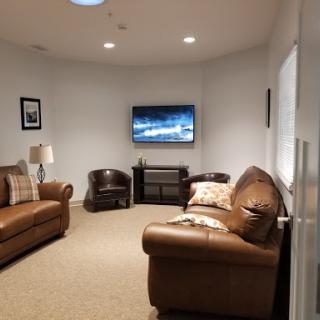
 Cable or satellite TV
 Dining room
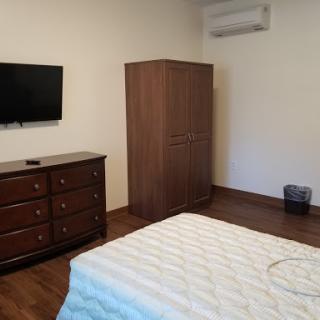
 Fully furnished
 Garden
 Housekeeping services
 Move-in coordination
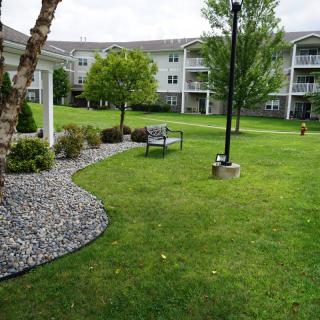
 Outdoor space
 Telephone
 Wi-Fi/high-speed internet available
 24-hour supervision
 Activities of daily living assistance
 Assistance with bathing
 Assistance with dressing
 Assistance with transfers
 Diabetes diet
 Meal preparation and service
 Medication management
 Special dietary restrictions
 Transportation arrangement (medical)
 Transportation to doctors appointments




 Senior Transition Services: Understanding Their Role, Cost, and Importance
 Exploring the Path to Senior Living: A Comprehensive Look at Independent Living and Assisted Living
 Is Assisted Living Deductible on Your Taxes? Understanding the Complexities of Assisted Living Expenses and Deductions