



2542 Route 66, Chatham, NY 12037
For more information about senior living options: (866) 208-4318
Overall Review of Camphill Ghent
Pros
 The community is wonderfully warm and fully integrated with people with disabilities.
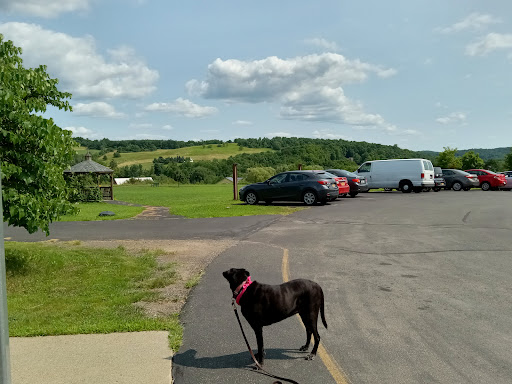
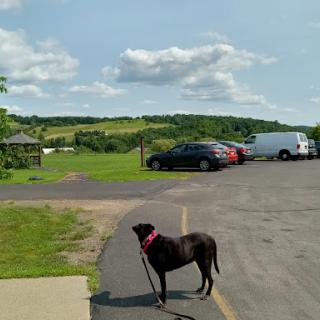
- It provides a warm welcome and allows small pets.
- The staff are friendly, warm, kind, and knowledgeable.
- The food is organic and phenomenal.
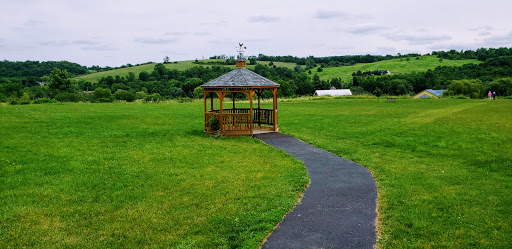
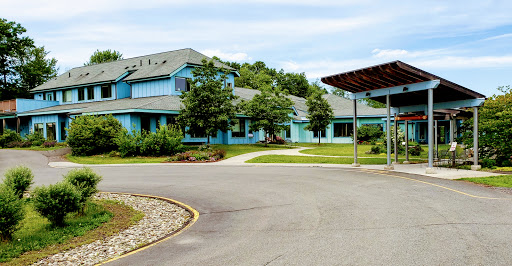
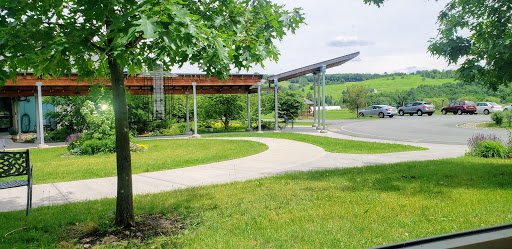
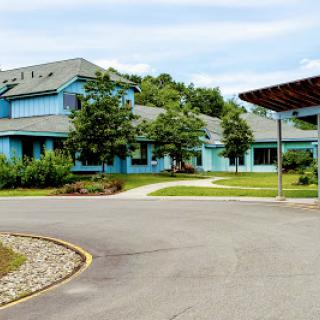
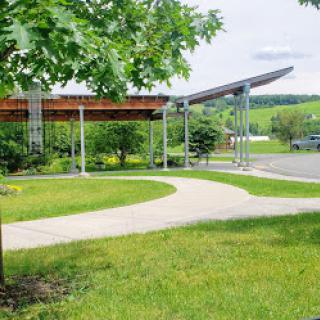
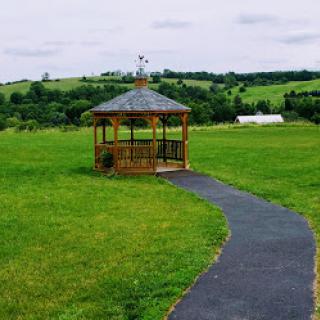
- The facility is brand new (about five years old) and environmentally friendly, with ponds, ducks, trees, and deer.
- It offers diverse arts and activities, including pottery, woodworking, and weekly music.
- It is described as the best place in the world to go by at least one reviewer.
Cons
 The place is a joke; one must have $20,000 to live there.
- The facility doesn't even have Wi‑Fi.
Review
Camphill Ghent is best suited for seniors who want a warm, purpose-driven living experience in a small, lodge-like setting, with a farm-to-table ethos and a deeply embedded culture of community service. The environment is intentionally integrated with residents who have disabilities, creating daily opportunities for meaningful involvement, companionship, and mutual support rather than a sterile, siloed atmosphere. It appeals to those who value nature and sustainability, think ponds, trees, ducks, deer, paired with a condo- or cottage-style living vibe, where residents can enjoy a quieter pace, good food, and a familiar, home-like routine. The staff are repeatedly described as friendly, caring, and capable, and the overall program emphasizes enrichment, arts, music, woodworking, and tours, within a supportive, family-like network.
Those who may want alternatives are budget-conscious families or individuals who require more traditional, higher-capacity assisted living with robust medical, memory-care, or campus-style amenities. A prominent caveat across impressions is the cost: one reviewer explicitly flagged a substantial upfront outlay, suggesting the need for about $20,000 as a gatekeeper to entry. For families prioritizing the broad slate of modern hospital-like services, on-site clinicians, or a more conventional, dense amenities package, Camphill Ghent may feel boutique or insufficient. Additionally, for those whose priority is constant digital connectivity or a highly contemporary living environment, the facility’s wired-in internet approach and perceived minimal wireless access could feel limiting. In sum, it is ideal for a certain values-aligned, community-centered senior lifestyle, but not for those driven primarily by cost containment or traditional medical support.
The strongest positives sit in the human and experiential core: a warmly staffed environment, real reciprocity between residents with disabilities and their peers, and an atmosphere that nurtures purpose through daily participation. The kitchen’s organic, high-quality food is repeatedly praised, feeding both body and social cohesion. The setting itself, new, environmentally mindful, and integrated with nature, enhances mood and cadence, while the small-house or condo-like footprint supports privacy without sacrificing community touchpoints. Regular visits and activities, art classes, pottery, woodworking, music, create an inviting matrix for engagement, while flexible plans for snowbirds and seasonal travel keep life moving without severing ties to the community. For families seeking a home where staff know residents well and neighbors form lasting relationships, these attributes translate into tangible daily satisfaction.
The main drawbacks are real but navigable if expectations are aligned with the model Camphill Ghent offers. The cost barrier cannot be overstated: an entrance hurdle that may exclude many who would benefit from the setting. Beyond finances, the environment is intentionally intimate rather than sprawling, which may disappoint those accustomed to larger campuses with broader medical departments and immediate emergency supports. Connectivity, though functional, is less digit-centric than some families expect; for residents who rely on fast, ubiquitous wireless access for telehealth, communication, or personal devices, this can feel restrictive. These factors don’t undermine the quality of life for many residents, but they do shape who should pursue the option and who should compare with more traditional offerings.
When weighing pros against cons, Camphill Ghent’s core strengths often win out for the right resident: exceptional staff warmth, a meaningful sense of community integration, and a nourishing, organic-focused lifestyle that supports social engagement and purpose. The beauty of the setting and the lodge-like living arrangement translate into daily life that feels both dignified and intimate, not clinical. For a family prioritizing purpose-driven aging, mutual care within a close-knit circle, and a tranquil, nature-forward home, these advantages offset the financial hurdle and the less conventional tech footprint. The environment’s emphasis on enrichment and belonging can justify a higher price point for those who place high value on existential well-being and social connectedness.
For families evaluating Camphill Ghent, the practical next step is a targeted visit with a list of questions about costs, what is included, and any possible funding pathways. Prospective residents should clarify the exact medical and daily living supports available, the depth of memory-care options, and how the community handles transitions if increased assistance is needed. Confirm pet policies, seasonal accommodation options, and the degree of autonomy preserved within the small-community model. Above all, conversations with current residents and families will reveal whether the daily rhythm, art, work, meals, shared time, matches the desired pace and purpose. If these align, Camphill Ghent stands out as a compelling, well-loved choice; if not, a comparison with more traditional assisted living will be time well spent.
 29 resident community capacity
 1-bedroom apartments
 Condos / townhomes
 Assisted Living
 Independent Living
 Activities on-site
 Beauty salon
 Cable or satellite TV
 Devotional services off-site
 Dining room
 Full kitchen
 Fully furnished
 Garden
 Housekeeping services
 Indoor common areas
 Laundry
 Move-in coordination
 Outdoor space
 Resident parking
 Restaurant-style dining
 Small library
 Telephone
 Wi-Fi/high-speed internet available
 Transportation & parking
 24-hour call system
 Ambulatory care
 Assistance with bathing
 Assistance with dressing
 Assistance with transfers
 Diabetes diet
 Diabetic care
 Medication management
 Mental wellness program
 Special dietary restrictions
 Fitness programs
 English



 Medicare Coverage for Assisted Living: An In-Depth Exploration
 Choosing the Right Senior Care: A Detailed Exploration of Assisted Living and Nursing Homes
 Understanding the True Cost of Assisted Living in 2025: A Comprehensive Guide