For more information about senior living options: (866) 208-4318
2.5 from 130 reviews
5 stars
38
4 stars
10
3 stars
3
2 stars
3
1 stars
76
Overall Review of The Grand Rehabilitation And Nursing At Barnwell
differentiator12 reviews mention this
Activities are a consistent bright spot
Residents and families repeatedly praise the activities program and its staff.
Multiple reviews highlight the activities department as a major reason residents have things to do day-to-day, from bingo and karaoke to monthly holiday parties. Several reviewers specifically name activities staff members and describe resident inclusion and upbeat engagement. Even in difficult periods, some families describe creative ways the team supported connection through events and virtual calls. A few residents also mention resident-run involvement and the social atmosphere around activities.
caveat18 reviews mention this
Dining quality feels inconsistent
Dining experiences range from praised meals to repeated complaints about taste and temperature.
Some reviews describe the food as tasty or “really tasty,” including specific items, and mention snacks being prepared for themed events. Others complain meals are served cold or late, with long waits for food at times. A few reviews also connect meal problems to overall care concerns, like residents not being assisted or diets not meeting needs. Overall, residents appear to have very different experiences with dining quality and service timing.
common7 reviews mention this
Therapy and rehab support vary
Reviews describe both meaningful rehab progress and frustrating gaps in therapy delivery.
Several reviewers credit rehab staff with helping them regain mobility or improve function, including physical, occupational, and speech therapy. Others focus less on progress and instead mention limited or inconsistent therapy scheduling. A few residents describe the therapy environment positively, while others say they struggled to get timely help. Taken together, therapy support appears to depend heavily on the experience of the individual unit and staff coverage at the time.
caveat26 reviews mention this
Staffing and responsiveness concerns recur
Many negative reviews mention delayed responses, understaffing, and unmet day-to-day needs.
A large share of negative reviews describe slow or missed responses to call bells, difficulty getting in touch with staff, and problems getting residents basic support. Multiple accounts connect these issues to understaffing and describe residents left waiting for help with care needs. Some reviews also mention medication or routine care breakdowns alongside housekeeping or cleanliness complaints. While some families report attentive, helpful staff, the overall pattern in critical reviews centers on responsiveness and coverage.
caveat9 reviews mention this
Care quality depends on the floor
Reviews frequently frame care quality as inconsistent across experiences.
Across reviews, some families describe compassionate, caring nurses and dementia-focused support they felt at ease with. Others describe severe dissatisfaction tied to neglect, hygiene problems, and lack of accountability, including reports of unanswered calls and delayed assistance. A few reviewers also note that conditions improved after changes in leadership or management, while still acknowledging there are areas to improve. The differences in accounts suggest the experience can vary significantly depending on timing and which caregivers and unit staff are involved.
How we summarize
Counts show how many written reviews mention each theme; a review can touch several themes, and only frequently mentioned themes are displayed.
Features
Housing
236 resident community capacity
Types of Care
Skilled Nursing Facility
Amenities
Air-conditioning
Beauty salon
Cable or satellite TV
Computer center
Dining room
Fitness room
Fully furnished
Gaming room
Garden
Housekeeping services
Kitchenette
Move-in coordination
Outdoor space
Private bathrooms
Restaurant-style dining
Small library
Telephone
Wellness center
Wi-Fi/high-speed internet available
Transportation
Albany Cty (24 miles away)
Community operated transportation
Transportation arrangement
Transportation arrangement (non-medical)
Transportation to doctors appointments
Care Services
12-16 hour nursing
24-hour call system
24-hour supervision
Activities of daily living assistance
Assistance with bathing
Assistance with dressing
Assistance with transfers
Diabetes diet
Meal preparation and service
Medication management
Mental wellness program
Special dietary restrictions
Dining
Diabetes diet
Special dietary restrictions
Activities
Community-sponsored activities
Concierge services
Fitness programs
Planned day trips
Resident-run activities
Scheduled daily activities
Nearby Places of Interest
Physicians
Ascent Hearing Center - Valatie and Catskill (0.6 miles)
Valatie Medical Arts Building (0.6 miles)
Valatie Family Care Center (0.6 miles)
Valerie Curry MD (0.6 miles)
Columbia Memorial Hospital (0.6 miles)
Berkshire Eye Center (0.9 miles)
Myron Harris Koch (5.5 miles)
Restaurants
McDonald's (0.9 miles)
Labella's Italian Restaurant (1 miles)
Saisonnier (2 miles)
Blue Plate Restaurant (5.5 miles)
Chatham Brewing (5.6 miles)
Our Daily Bread Deli (5.7 miles)
Jackson's Old Chatham House (5.9 miles)
Pharmacies
CVS Pharmacy (1 miles)
Nassau Pharmacy (7.3 miles)
Walgreens (12.2 miles)
CVS Pharmacy (12.2 miles)
CVS Pharmacy (12.5 miles)
CVS Pharmacy (13.2 miles)
Market 32 (13.2 miles)
Cafes
Broad Street Bagel Co. (2.1 miles)
Bartlett House (7 miles)
Mid Way Cafe (8.4 miles)
Starbucks (12.5 miles)
Verdigris Tea & Chocolate Bar (12.9 miles)
Cafe Le Perche (12.9 miles)
The Maker Cafe (13 miles)
Parks
Rothermel Park (2.3 miles)
Martin Van Buren National Historic Site (3.8 miles)
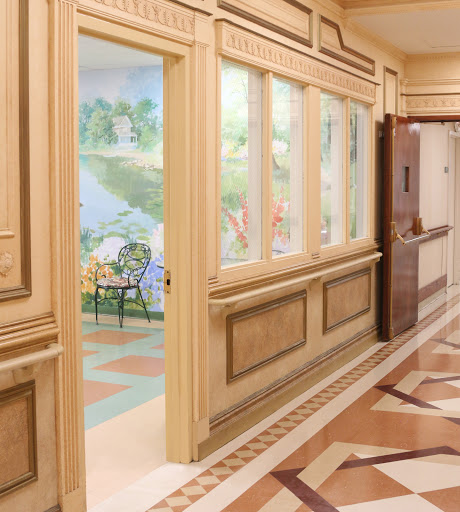
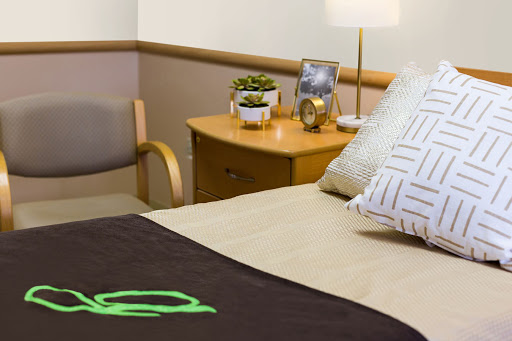
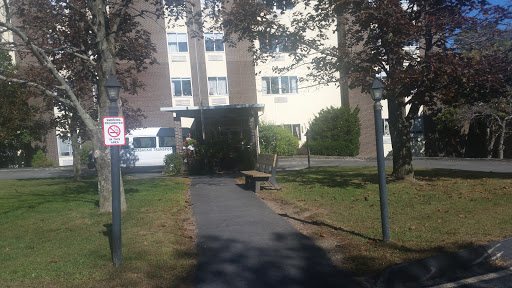
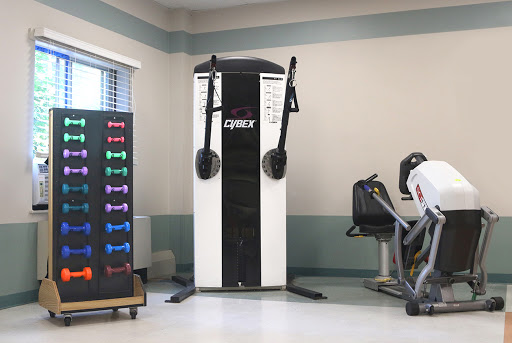
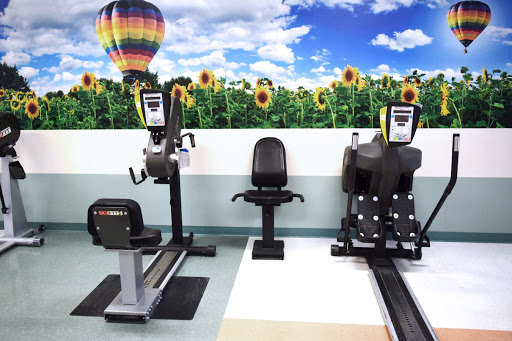
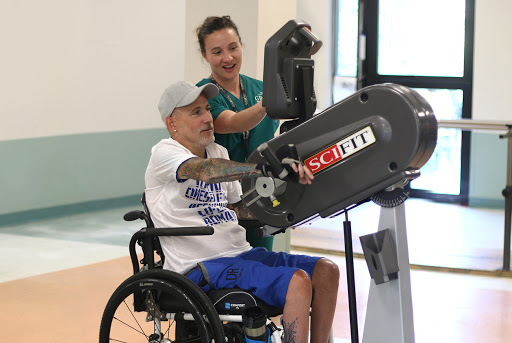
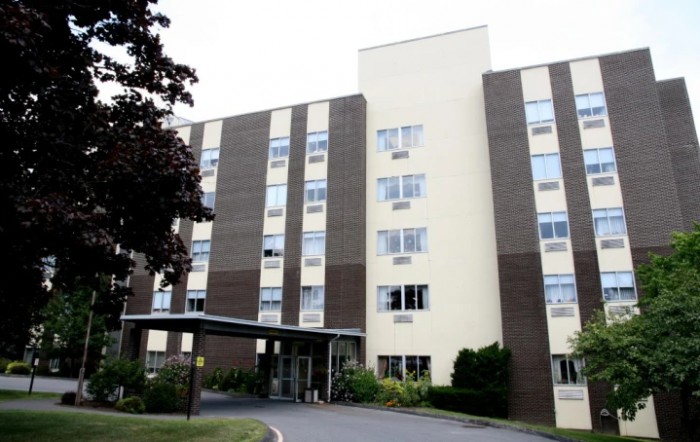
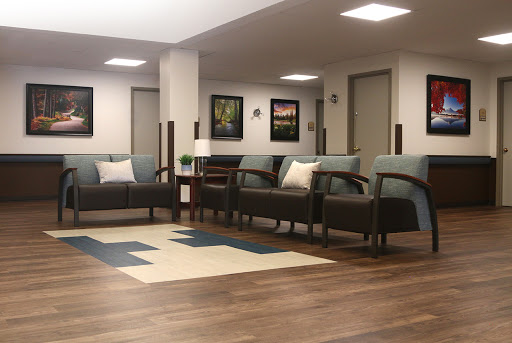
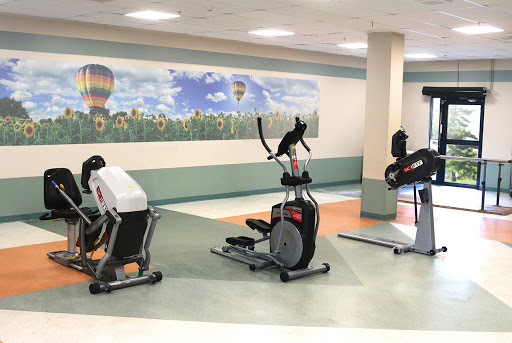
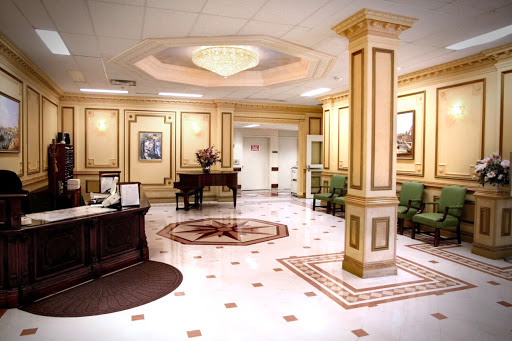
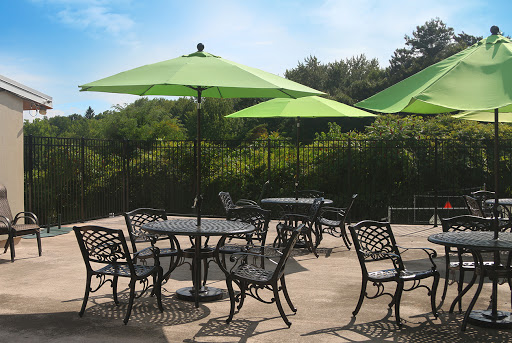
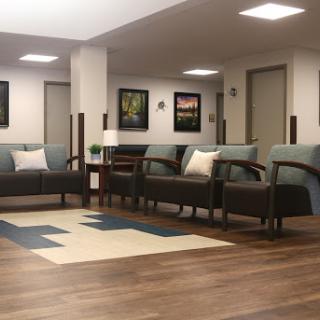
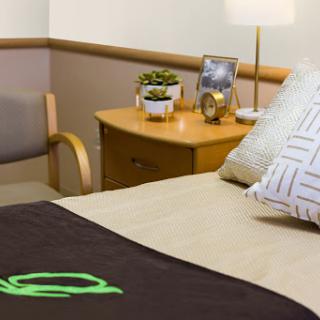
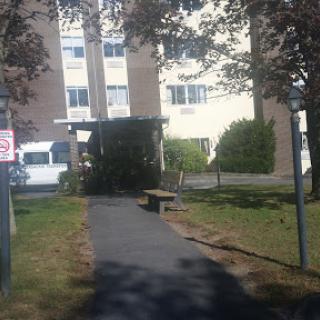
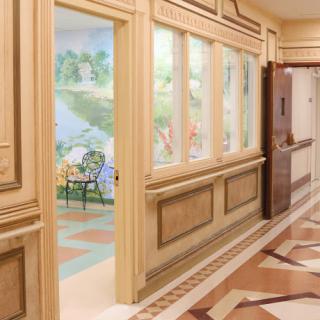
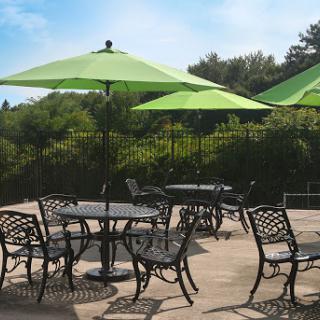
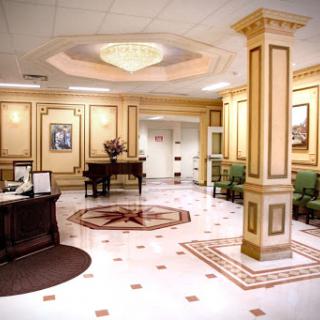
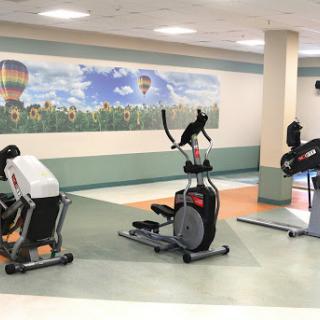
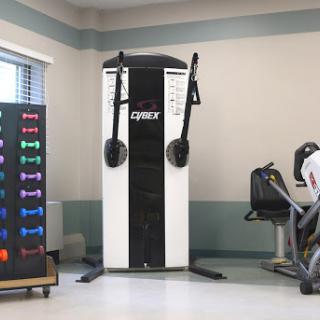
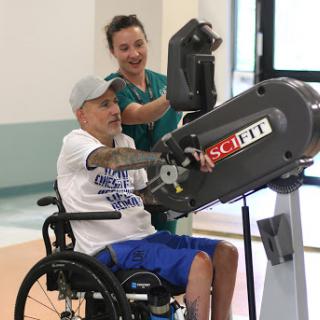
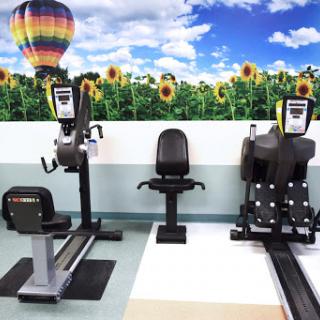
The Grand Rehabilitation And Nursing At Barnwell on seniors.fyi includes 11 photos including images showing exercise equipment, interior, gym, fitness, outdoor, building, lobby, bedroom, and more.
Nearby Communities
Highpoint at Chatham
Chatham, NY
Peaceful setting with nearby cafes, parks, restaurants, and physicians.
Louis F Payn Foundation
Chatham, NY
4.8 from 11 reviews
$927 to $1,566 / month
Beautiful historic building with stunning grounds, friendly staff, and a strong sense of community.
Camphill Ghent
Chatham, NY
4.7 from 23 reviews
Excellent organic meals, friendly staff, and a serene, activity-rich setting.
Woodland Adult Family Home
Ghent, NY
Quiet residential setting with nearby amenities (cafes, parks, physicians, dining).
Riverside Center For Rehabilitation And Nursing
Castleton On Hudson, NY
4 from 107 reviews
Restaurant-style dining with 24/7 supervision and medication management.
Your Little Helpers
Nassau, NY
$4,000 / month
Affordable price with comprehensive care options and on-site amenities.
Home Sweet Home Of Athens
Athens, NY
3.7 from 14 reviews
Competitive Greene County rate with comprehensive care, dining, and activities.
Glenmont Abbey Village
Glenmont, NY
4.5 from 31 reviews
$1,595 to $1,950 / month
Friendly staff with well-maintained facilities and an active community.
Summit at Eastwyck
North Greenbush, NY
4.5 from 99 reviews
$1,875 to $2,090 / month
Friendly staff, active social programs, and well-maintained, spacious apartments.
Weight training is vital for seniors to maintain muscle mass, bone density, and overall health, combating age-related declines through customized resistance exercises that enhance balance and well-being. Safe routines should start with realistic goals and proper form, while emphasizing gradual progress and consultations with healthcare providers to ensure safety and effectiveness.
The Sandwich Generation comprises adults managing the dual responsibilities of caring for aging parents and raising children, leading to significant emotional, logistical, and financial challenges. This situation is exacerbated by longer life expectancies and cultural expectations, necessitating effective coping strategies and support resources to alleviate caregiver stress and burnout.
The article highlights eight essential assistive devices that improve the independence and safety of older adults, addressing issues related to mobility, balance, vision, hearing, and dexterity. It emphasizes the importance of proper selection guided by healthcare professionals to enhance seniors' quality of life while allowing them to age in place.
The Grand Rehabilitation And Nursing At Barnwell photos
×
Interior
Decor
Building
Trees
Lighting
Outdoor
Lobby
Exercise Equipment
Gym
Healthcare
Fitness
Interior
Decor, Bedroom, and Plant
Building
Architecture, Exterior, and Urban
Trees, Pathway, and Park
Lighting, Wall Art, and Hallway
Artwork and Seating Area
Chandelier
Outdoor
Patio, Nature, and Umbrellas
Lobby
Exercise Equipment
Healthcare, Rehabilitation, Physical Therapy, and Wheelchair
Gym
Fitness
Exercise and Exercise Room
Get PricingAsk A QuestionSchedule A TourContact Senior Advisor
By clicking submit, you agree to our Partner's Terms of Use. You
also consent to receive calls and texts, which may be autodialed, from our Partner. Your consent is not a condition to
using our Partner's service. Please visit our Partner's Privacy Policy for information about their privacy practices.


 236 resident community capacity
 Skilled Nursing Facility
 Air-conditioning
 Beauty salon
 Cable or satellite TV
 Computer center
 Dining room
 Fitness room
 Fully furnished
 Gaming room
 Garden
 Housekeeping services
 Kitchenette
 Move-in coordination
 Outdoor space
 Private bathrooms
 Restaurant-style dining
 Small library
 Telephone
 Wellness center
 Wi-Fi/high-speed internet available
 Albany Cty (24 miles away)
 Community operated transportation
 12-16 hour nursing
 24-hour call system
 Activities of daily living assistance
 Assistance with bathing
 Assistance with dressing
 Assistance with transfers
 Diabetes diet
 Medication management
 Mental wellness program
 Special dietary restrictions
 Concierge services
 Planned day trips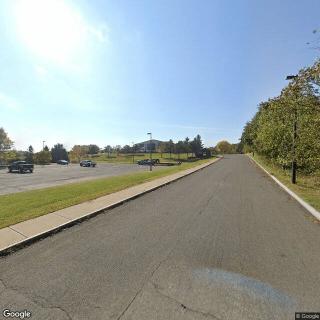
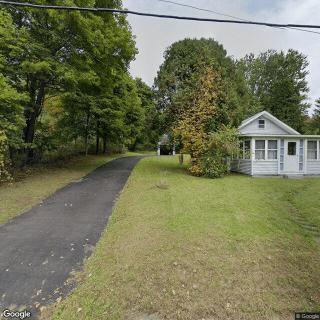
 Peaceful setting with nearby cafes, parks, restaurants, and physicians.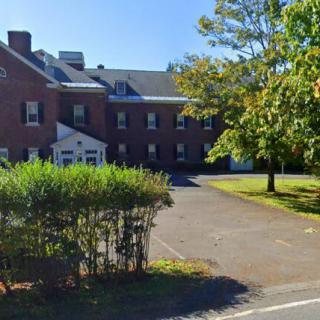


 Weight Training for Seniors: Building Strength and Vitality
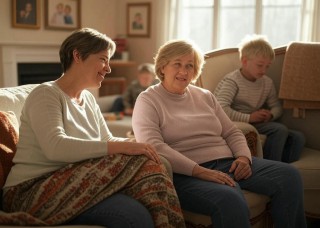 Understanding the Sandwich Generation: Stress and Responsibilities for Multigenerational Caregivers
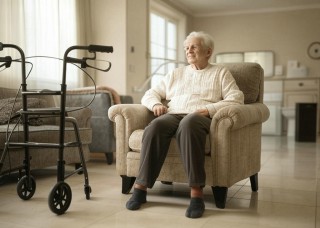 8 Essential Assistive Devices for Older Adults