For more information about senior living options: (866) 208-4318
4.2 from 98 reviews
5 stars
63
4 stars
15
3 stars
7
2 stars
2
1 stars
11
Peregrine's Landing Senior Community Costs & Pricing
Peregrine's Landing Senior Community offers a variety of living arrangements, with monthly costs that reflect the high level of care and amenities provided. For a studio, residents can expect to pay $4,980, which is notably higher than both the average cost in Erie County at $4,223 and New York state at $4,532. The 1-bedroom option is priced at $5,700, significantly exceeding the county's average of $2,855 and slightly above the state's average of $4,307. Additionally, the semi-private accommodations are available for $7,900 per month, which stands in contrast to Erie County's average of $5,015 and New York's average of $4,389. While Peregrine's Landing does present higher costs compared to local averages, it emphasizes a commitment to quality care and enriched living experiences tailored for seniors.
Floor plans
Peregrine's Landing Senior Community
Erie County
New York
Studio
$4,980
$4,223
$4,532
1 Bedroom
$5,700
$2,855
$4,307
Semi-Private
$7,900
$5,015
$4,389
Memory care communities with a similar price nearby
Overall Review of Peregrine's Landing Senior Community
common26 reviews mention this
Staff care is consistently praised
Residents and families repeatedly describe compassionate, responsive staff.
Many reviews emphasize how staff members treat residents like family and provide a warm, respectful experience. Several people also mention attentive caregiving, including help with daily needs and day-to-day support. While a few reviews are sharply negative about care consistency and staffing levels, the majority of comments return to the same theme: staff are caring and try to make families feel informed and supported.
differentiator10 reviews mention this
Memory care and medication follow-through
Memory care support includes structured medication help and close monitoring.
Reviews tied to memory care repeatedly mention medication management and organized caregiver routines. Families describe nurses and caregivers staying on the plan day to day, along with prompt communication when changes happen. At the same time, a small number of reviews question check-in timing and supervision in the memory care unit, so experiences can vary depending on staffing and the level of need.
differentiator7 reviews mention this
Dining quality stands out
Residents and families frequently praise the quality of meals.
Several reviews describe dining as a clear positive, with comments about healthy options and food being consistently good. Some mention choices at meals and assistance that helps ensure residents are eating. The menus and diet needs reflected in the services align with what residents notice day to day, though a few reviews describe meals as more basic or not hot enough.
common14 reviews mention this
Activities keep residents engaged
A busy calendar of activities is a major part of daily life.
Many reviews highlight frequent activities, outings, and social events that keep residents involved. Families mention art, music, games, and day trips, along with residents getting encouraged to participate. A few comments criticize limited engagement or a shortage of staff to support outings, but the overall pattern across reviews is that activities are a consistent focus.
caveat5 reviews mention this
Pricing feels steep for many families
Private-pay costs are frequently described as too expensive.
Multiple reviews call out cost as a significant downside, including concerns that the community is private pay and that pricing can feel steep. Some people compare value and day-to-day service expectations to what they paid. This theme matches the pricing ranges shown for studio, one-bedroom, and semi-private options, which place the community above county and state benchmarks for most unit types.
caveat5 reviews mention this
Communication can lag at times
Some families say updates and responses weren’t consistent.
A number of reviews describe communication as a mixed experience—some families say they get timely phone calls and updates, while others report delayed responses or communication stopping after admission. There are also comments about follow-through on promised check-ins. One review notes improved communication under specific leadership, which suggests the experience may depend on how the process is being run.
How we summarize
Counts show how many written reviews mention each theme; a review can touch several themes, and only frequently mentioned themes are displayed.
Features
Housing
112 resident community capacity
Types of Care
Assisted Living
Memory Care
Pets
Cats allowed
Dogs allowed
Amenities
Activities off-site
Activities on-site
Air-conditioning
Bath tubs
Beautician on-site
Beauty salon
Cable or satellite TV
Computer center
Devotional services off-site
Devotional services on-site
Dining room
Fitness room
Fully furnished
Gaming room
Garden
Ground floor units
Handicap accessible
Housekeeping services
Indoor common areas
Kitchenette
Move-in coordination
Outdoor common areas
Outdoor space
Private bathrooms
Respite or short term stays offered
Restaurant-style dining
Small library
Telephone
Wellness center
Wheelchair accessible showers
Wi-Fi/high-speed internet available
Transportation
Buffalo Niagara International (5 miles away)
Community operated transportation
Transportation arrangement
Transportation arrangement (non-medical)
Transportation to doctors appointments
Care Services
12-16 hour nursing
24-hour call system
24-hour supervision
Activities of daily living assistance
Ambulatory care
Assistance with bathing
Assistance with dressing
Assistance with transfers
Diabetes diet
Diabetic care
High acuity care
Incontinence care
Meal preparation and service
Medication management
Mental wellness program
Mild cognitive impairment
Special dietary restrictions
Specialized memory care programming
Dining
Diabetes diet
Guest meals
International cuisine
Low / no sodium
Meals provided
No Sugar
Restaurant style dining
Special dietary restrictions
Special dining programs
Vegetarian
Activities
Art classes
Catholic services
Community-sponsored activities
Concierge services
Cooking classes
Day trips and outings
Devotional activities offsite
Devotional activities on-site
Educational speakers / life long learning
Fitness programs
Karaoke
Live well programs
Other religious services
Planned day trips
Resident-run activities
Scheduled daily activities
Visiting chaplain or priest
Wine tasting
Videos
Nearby Places of Interest
This part of Buffalo, New York, offers a range of amenities and services that would be beneficial for seniors looking to settle in the area. With numerous restaurants nearby, including Pubski Pub and Olive Garden, there are plenty of dining options to choose from. Additionally, there are several pharmacies such as Rite Aid and Walgreens within close proximity for easy access to medications and healthcare supplies. For leisure activities, there are theaters like Regal Walden Galleria 4Dx & RPX nearby for entertainment. Places of worship like Saint John Gualbert Catholic Church provide spiritual support and community engagement opportunities. In terms of healthcare, hospitals like Mercy Hospital Operating Room and Erie County Medical Center are easily accessible for medical needs. Overall, this part of Buffalo offers a convenient and supportive environment for senior living.
Restaurants
Pubski Pub (0.9 miles)
Restaurant Depot (1.9 miles)
Subway (2.1 miles)
Olive Garden (2.1 miles)
Chick-Fil-A (2.2 miles)
Alton's Restaurant (2.2 miles)
The Cheesecake Factory (2.6 miles)
Pharmacies
Rite Aid (1.1 miles)
Walgreens (1.4 miles)
CVS Pharmacy (1.9 miles)
Top's Markets (2.1 miles)
Rite Aid (2.1 miles)
Upstate Pharmacy (2.4 miles)
Top's Markets (3 miles)
Theaters
Regal Walden Galleria 4Dx & RPX (2.6 miles)
Quaker Crossing STM 18 (6.1 miles)
Places of Worship
Saint John Gualbert Catholic Church & Diocesan Shrine (2.6 miles)
Queen of Heaven Church Rectory Office (3.2 miles)
Queen of Angels (5.4 miles)
Cafes
Tim Hortons (2.8 miles)
Wegmans Food Markets (3.1 miles)
Wegmans Food Markets (3.3 miles)
Tim Hortons (3.9 miles)
Starbucks (4.2 miles)
Starbucks (5.6 miles)
Tim Hortons (5.7 miles)
Transportation
Amtrak - Buffalo, NY Depew Station (BUF) (2.8 miles)
Southwest Airlines Co. (4.3 miles)
TSA Pre-️Lane (4.3 miles)
Buffalo Niagara International Airport (BUF) (4.3 miles)
Peregrine's Landing Senior Community offers a variety of living arrangements, with monthly costs that reflect the high level of care and amenities provided. For a studio, residents can expect to pay $4,980, which is notably higher than both the average cost in Erie County at $4,223 and New York state at $4,532. The 1-bedroom option is priced at $5,700, significantly exceeding the county's average of $2,855 and slightly above the state's average of $4,307. Additionally, the semi-private accommodations are available for $7,900 per month, which stands in contrast to Erie County's average of $5,015 and New York's average of $4,389. While Peregrine's Landing does present higher costs compared to local averages, it emphasizes a commitment to quality care and enriched living experiences tailored for seniors.
The features offered at Peregrine's Landing Senior Community are integral to supporting residents with dementia or Alzheimer's disease by fostering a safe and nurturing environment. With 24-hour supervision, each resident receives constant oversight, ensuring their safety and immediate assistance during any challenging moments. Activities of daily living assistance, including bathing, dressing, and transfers, empower residents while also addressing their individual needs with compassion and dignity. Incontinence care is handled discreetly, allowing individuals to maintain their comfort and confidence. Meal preparation and service are tailored to promote nutritional health while catering to any dietary restrictions. Medication management ensures adherence to prescribed regimens, vital for managing cognitive decline. The mental wellness program and specialized memory care programming engage residents on appropriate levels, enhancing cognitive function and emotional well-being while providing structured activities that stimulate the mind. Collectively, these features create a holistic approach that significantly enhances the quality of life for those navigating the challenges of memory loss.
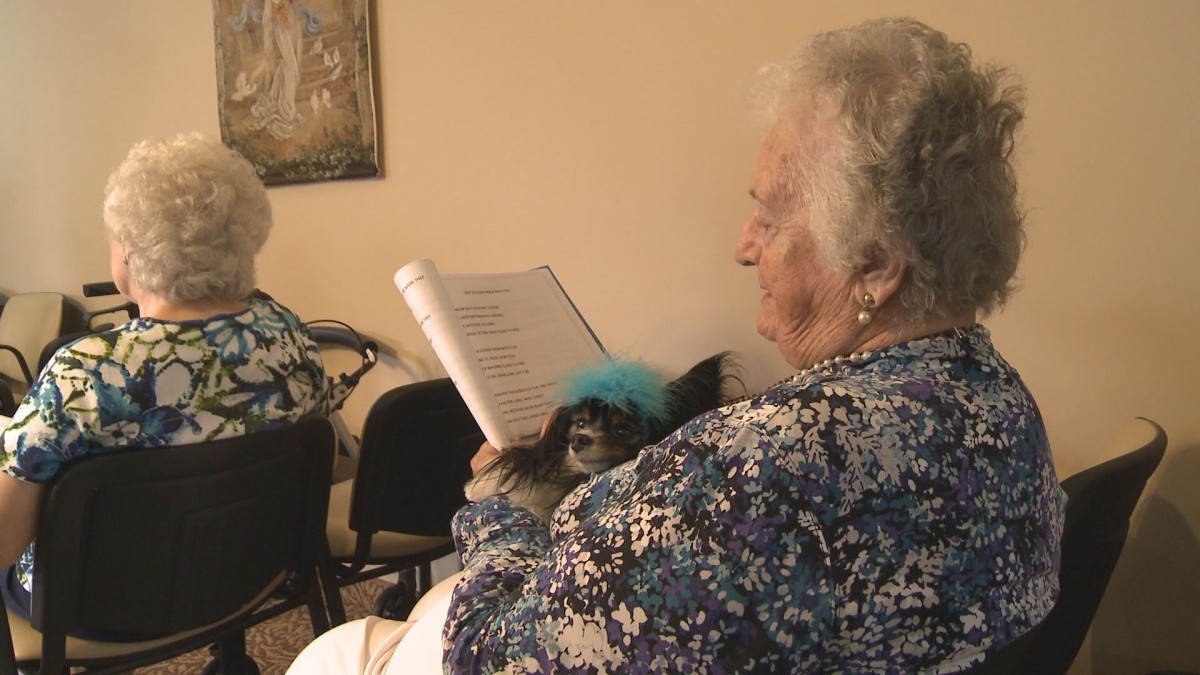
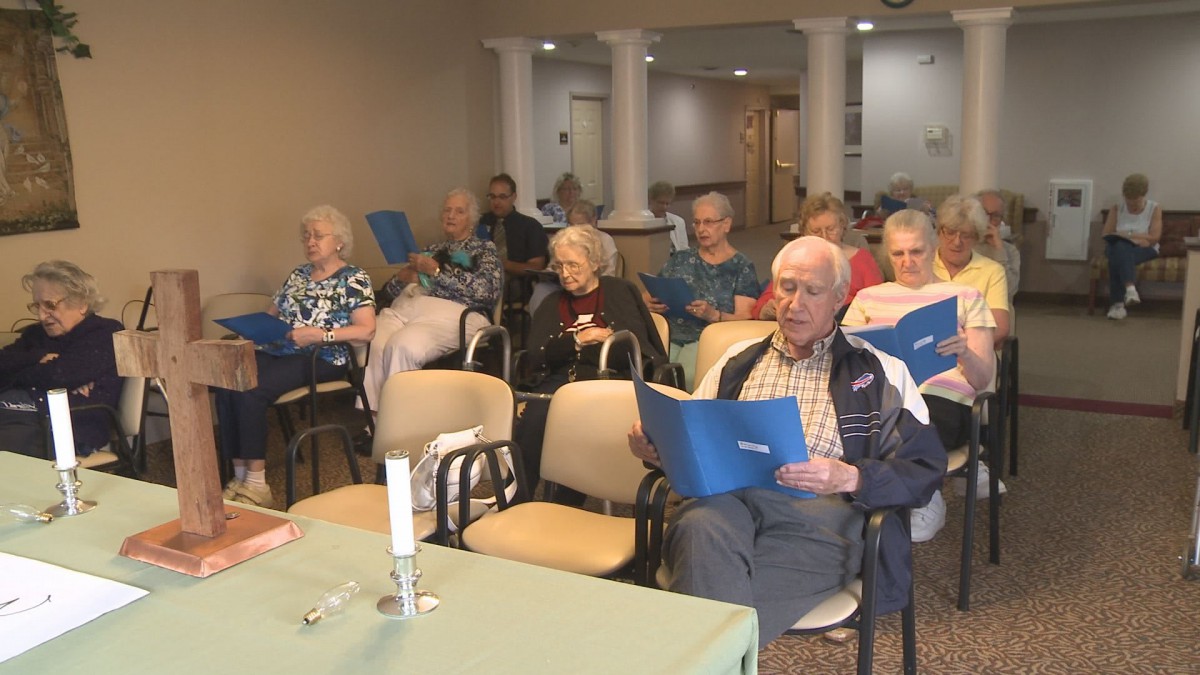
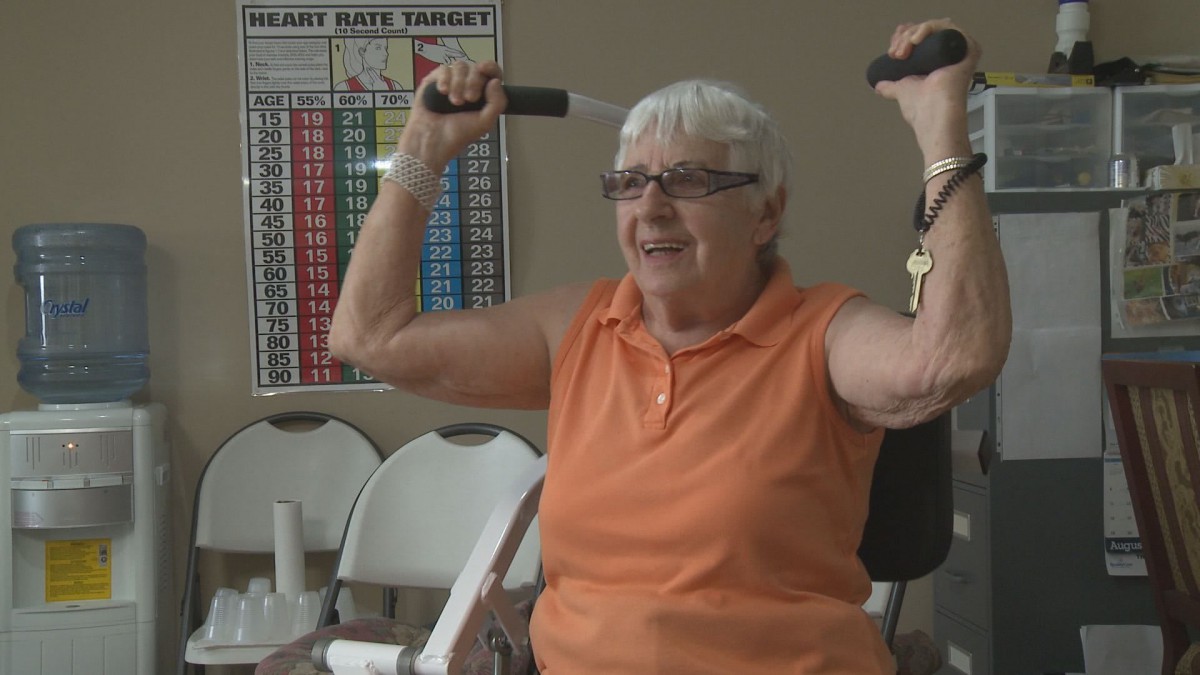
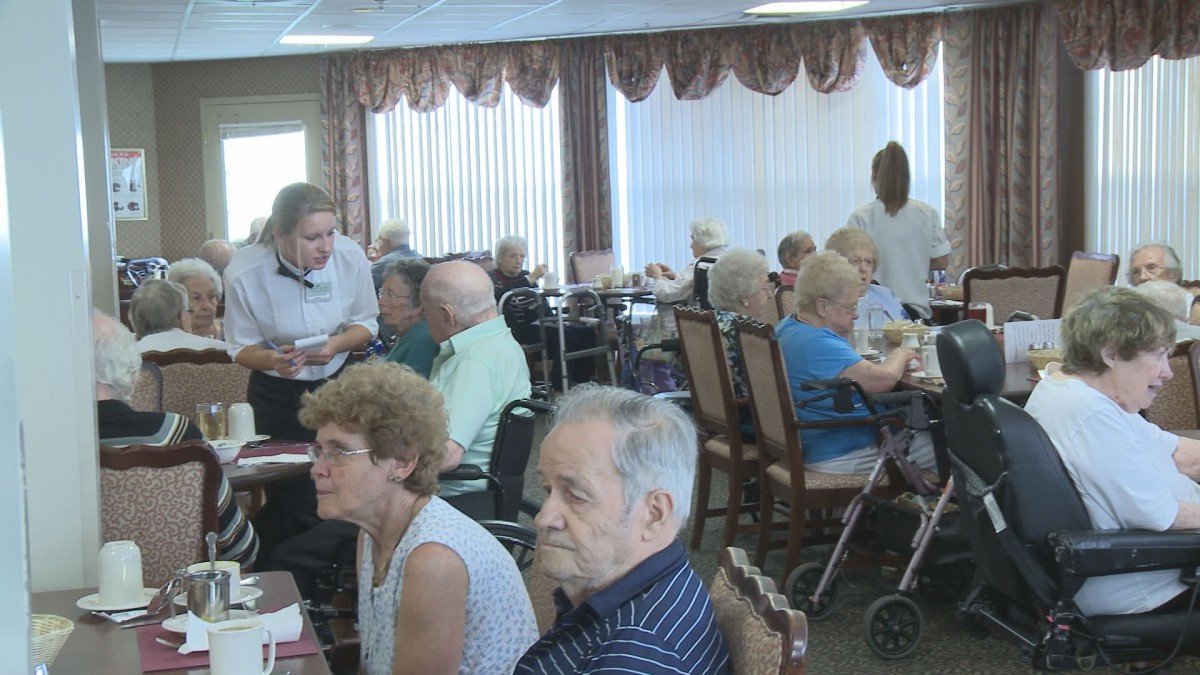
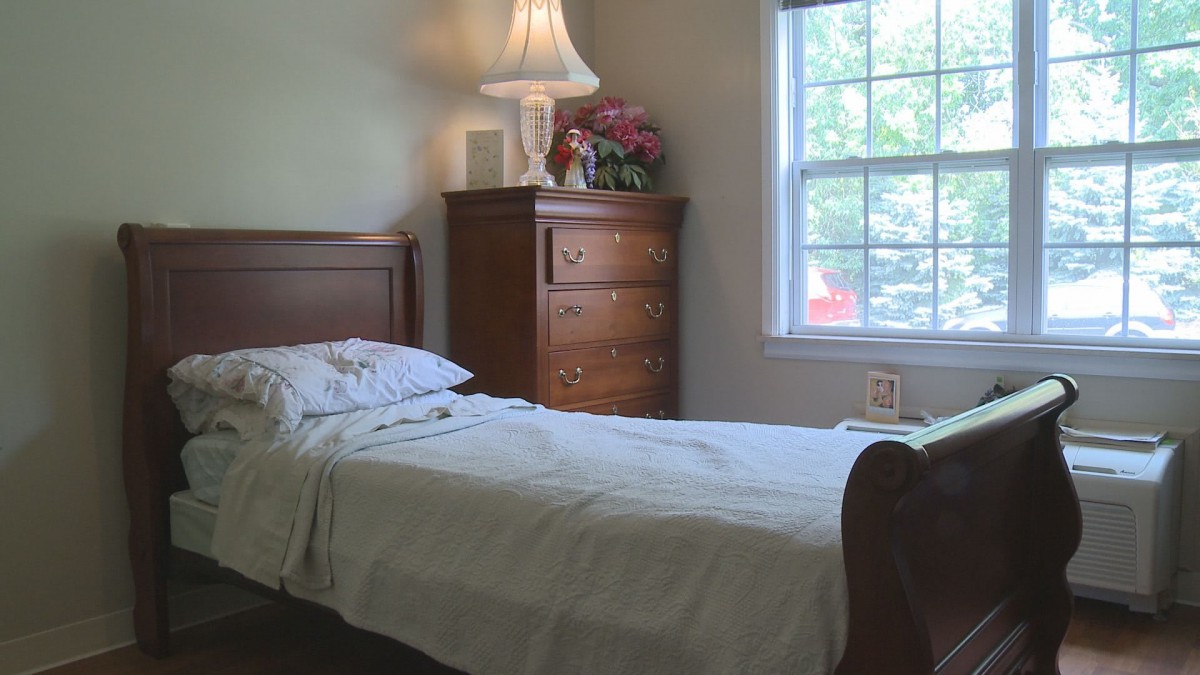
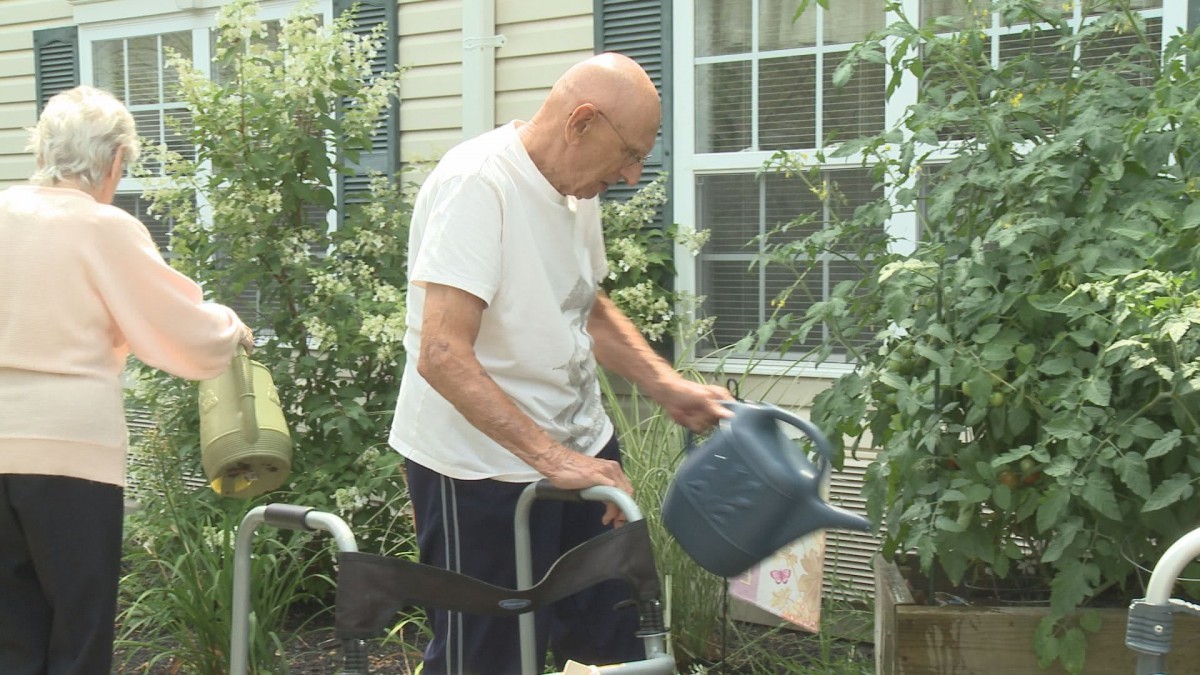
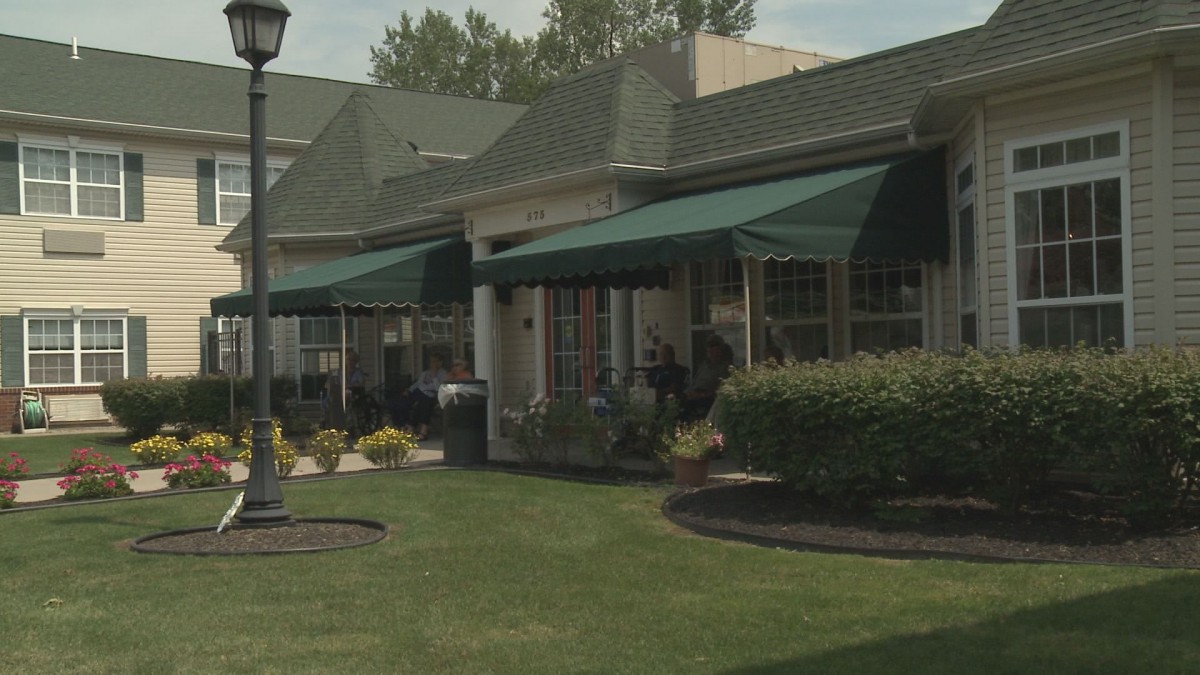
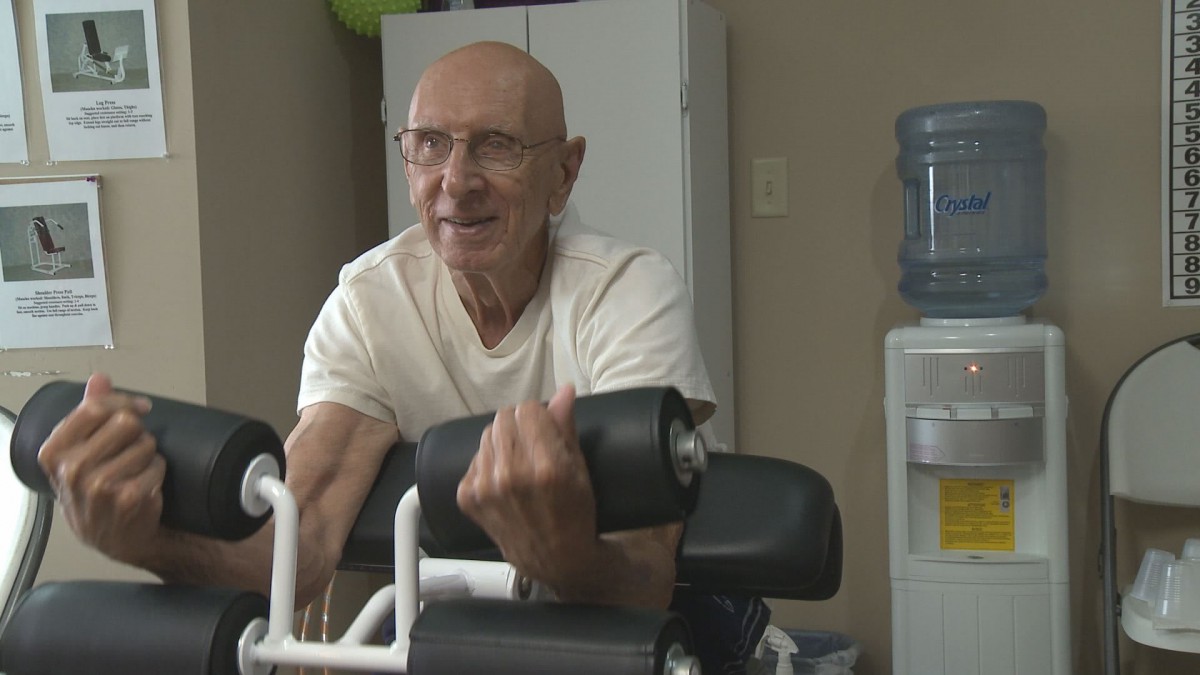
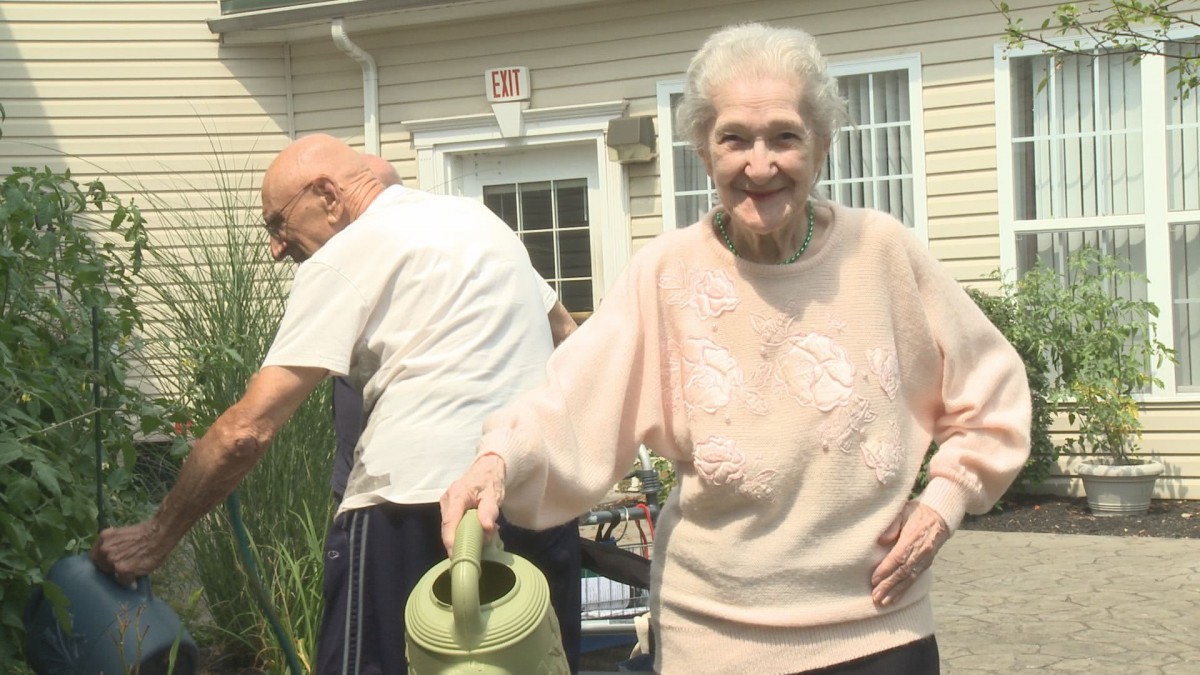
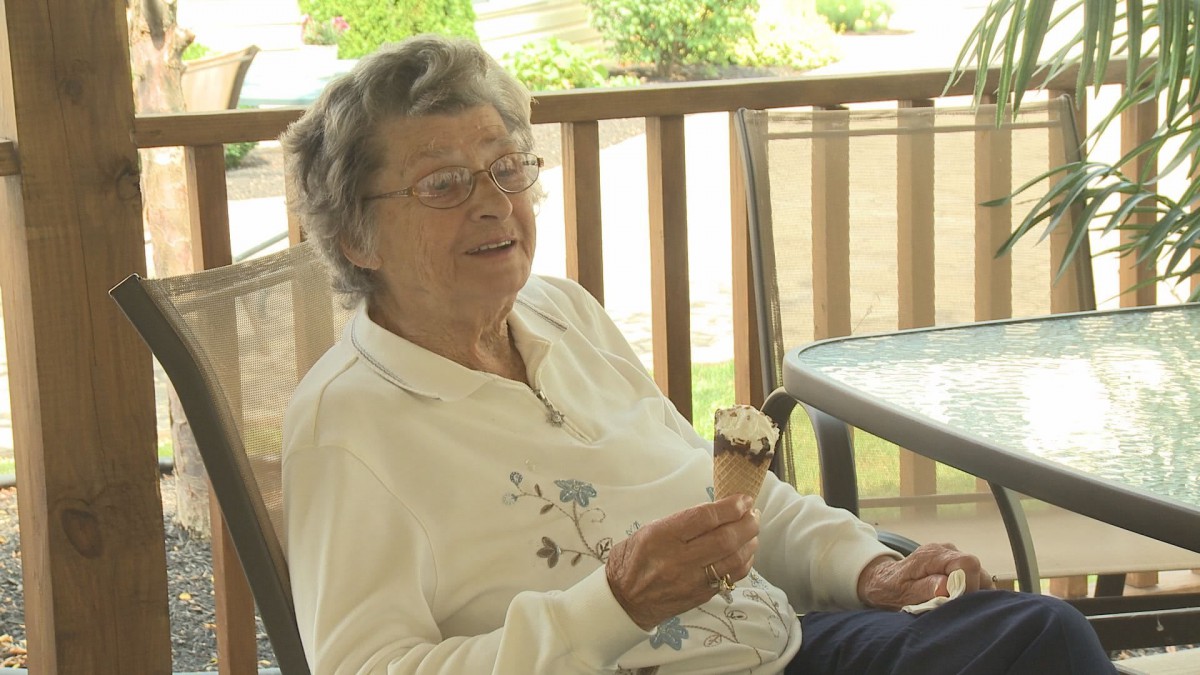
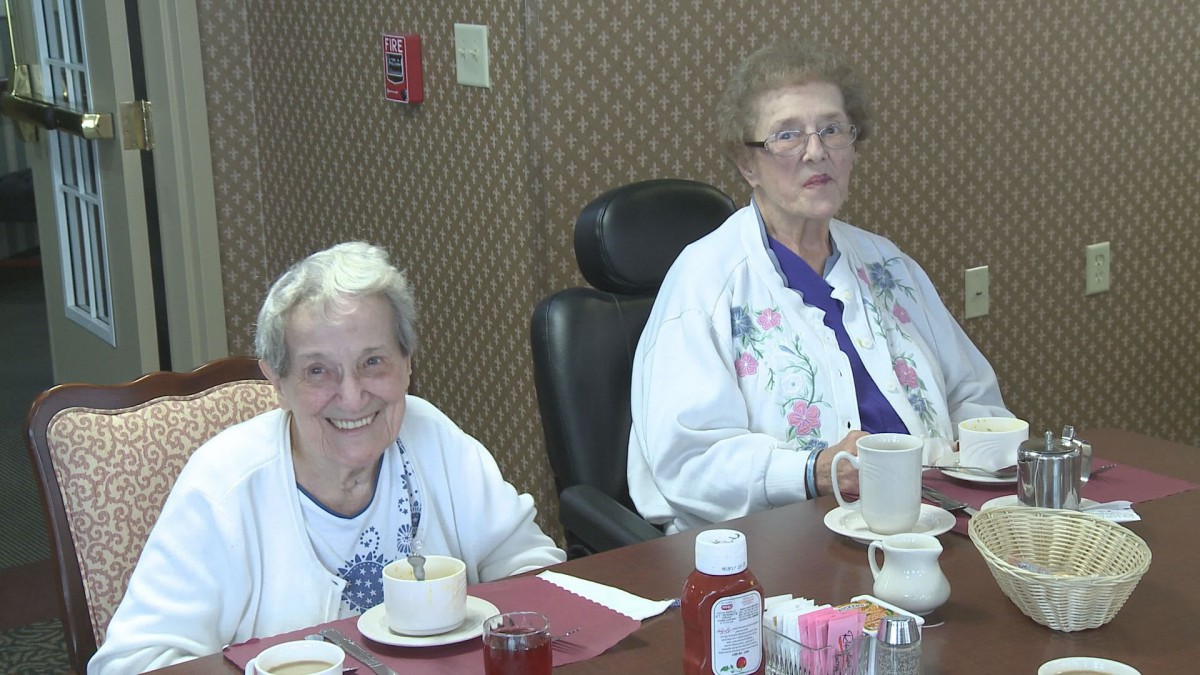
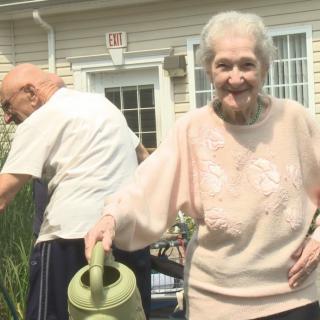
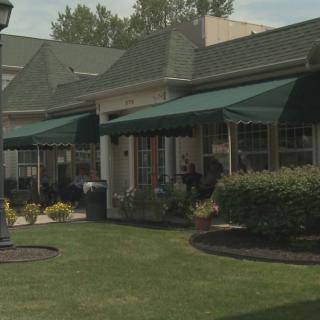
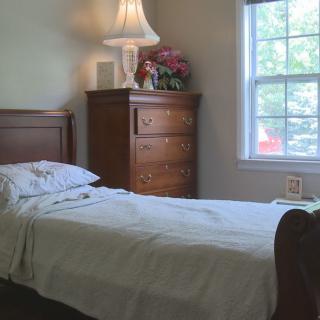
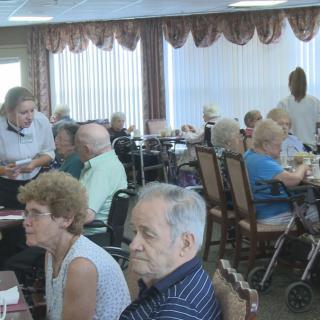
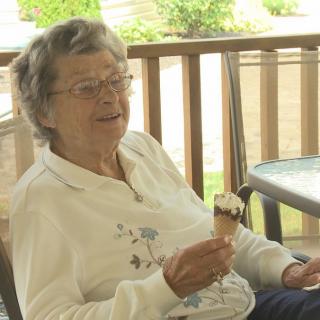
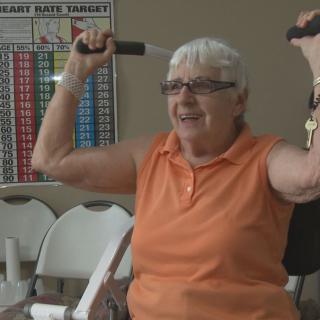
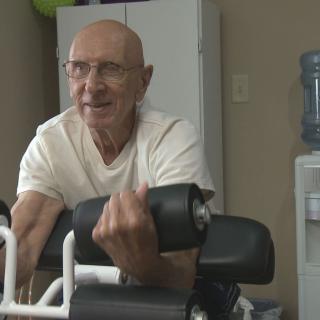
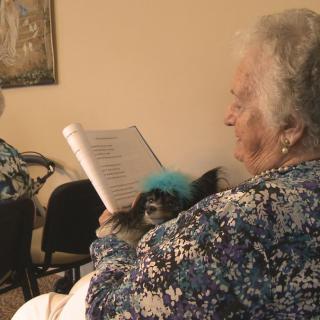
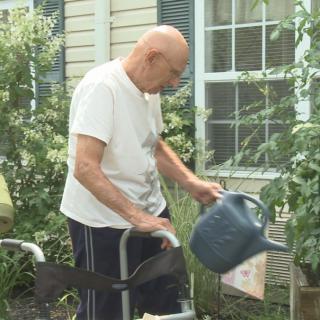
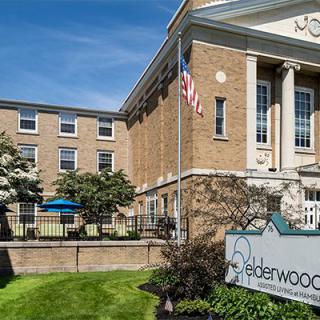
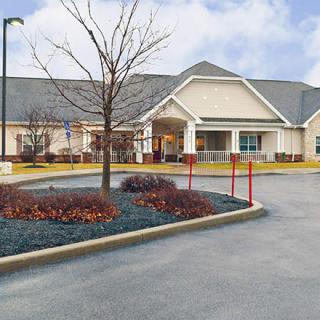
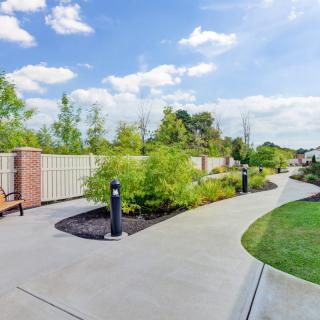
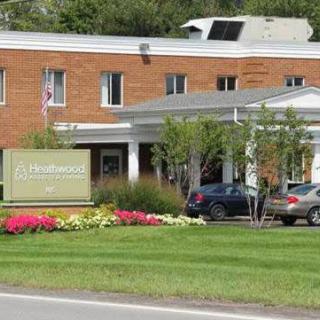
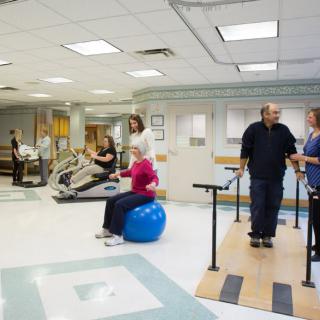
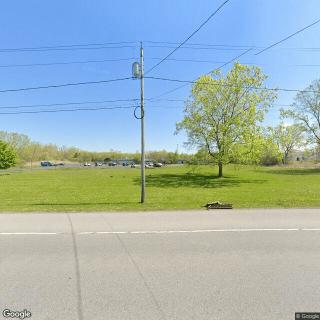
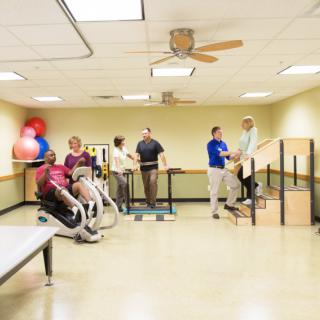
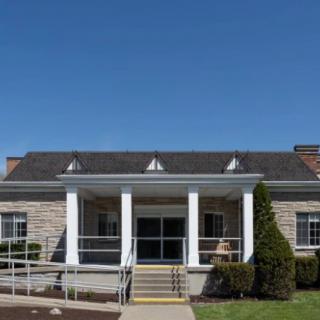
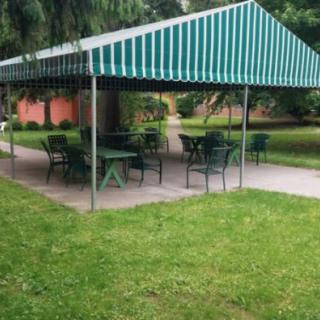
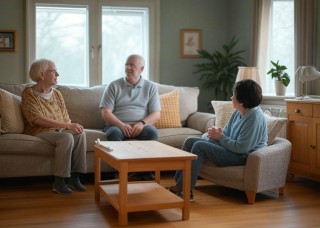
Peregrine's Landing Senior Community on seniors.fyi includes 11 photos including images showing interior, landscaping, dining, bedroom, exercise, fitness, gardening, outdoors, and more.
Nearby Communities
Glenwell
Buffalo, NY
4 from 20 reviews
Clean, spacious facility with a broad activity program and memory-care options.
Glenwell, a DePaul Senior Living Community
Cheektowaga, NY
4.4 from 10 reviews
$1,775 to $2,975 / month
Union Square Senior Apartments
Cheektowaga, NY
4.5 from 53 reviews
Excellent access to nearby cafes, parks, pharmacies, restaurants, transit, places of worship, a theater, and a hospital.
Williamstowne Senior Apartments
Cheektowaga, NY
3.7 from 103 reviews
$700 to $725 / month
No income restrictions; spacious, well-maintained apartments with extensive on-site amenities.
Garden Gate Health Care Facility
Cheektowaga, NY
2.7 from 166 reviews
Some staff provide compassionate care (notably in nursing and physical therapy) and transport.
Eden Heights of West Seneca
West Seneca, NY
4.6 from 52 reviews
$3,900 to $4,900 / month
Warm, accommodating staff; clean, home-like environment with engaging daily activities and personalized spaces.
Seneca Health Care Center
West Seneca, NY
3.1 from 80 reviews
Caring staff and good dining/social options
Safire Rehabilitation Of Southtown
Buffalo, NY
1.1 from 10 reviews
Extensive amenities and comprehensive care services.
Symphony Manor at Lancaster
Lancaster, NY
3.6 from 20 reviews
Kind, attentive staff; clean facilities and good dining.
The article differentiates between assisted living and memory care, explaining that assisted living supports seniors with daily activities while promoting independence, whereas memory care provides specialized services for individuals with dementia, focusing on secure environments and cognitive support. It also addresses staff training, safety considerations, costs, family involvement, and transition strategies for families navigating these care options.
The article outlines effective communication strategies for interacting with loved ones with dementia, highlighting the need for empathy, patience, and understanding while emphasizing supportive approaches like using simple language, minimizing distractions, and focusing on feelings over facts to maintain dignity and foster connection. It also suggests seeking professional guidance when needed as communication challenges evolve.
VA nursing homes, or Community Living Centers (CLCs), offer tailored long-term care for veterans, featuring medical attention and rehabilitation in a supportive environment. The guide covers facility types, eligibility criteria, financial assistance options, quality of care standards, and alternatives to full-time nursing home placement.
Get PricingAsk A QuestionSchedule A TourContact Senior Advisor
By clicking submit, you agree to our Partner's Terms of Use. You
also consent to receive calls and texts, which may be autodialed, from our Partner. Your consent is not a condition to
using our Partner's service. Please visit our Partner's Privacy Policy for information about their privacy practices.

 112 resident community capacity
 Assisted Living
 Memory Care
 Cats allowed
 Dogs allowed
 Activities off-site
 Air-conditioning
 Bath tubs
 Beautician on-site
 Cable or satellite TV
 Computer center
 Devotional services off-site
 Dining room
 Fitness room
 Fully furnished
 Gaming room
 Garden
 Ground floor units
 Handicap accessible
 Housekeeping services
 Indoor common areas
 Kitchenette
 Move-in coordination
 Outdoor common areas
 Private bathrooms
 Respite or short term stays offered
 Restaurant-style dining
 Small library
 Telephone
 Wellness center
 Wheelchair accessible showers
 Wi-Fi/high-speed internet available
 Buffalo Niagara International (5 miles away)
 Community operated transportation
 12-16 hour nursing
 24-hour call system
 Ambulatory care
 Assistance with bathing
 Assistance with dressing
 Assistance with transfers
 Diabetes diet
 Diabetic care
 High acuity care
 Incontinence care
 Medication management
 Mental wellness program
 Special dietary restrictions
 Art classes
 Catholic services
 Concierge services
 Cooking classes
 Day trips and outings
 Educational speakers / life long learning
 Karaoke
 Wine tasting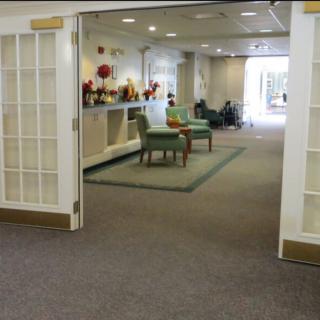
 Clean, spacious facility with a broad activity program and memory-care options.
 Understanding the Distinctions: Assisted Living and Memory Care Explained
 How to Communicate with a Loved One Living with Dementia: 10 Supportive Strategies
 Comprehensive Guide to VA Nursing Homes: A Crucial Long-Term Care Resource for Veterans