
250 East Alameda, Santa Fe, NM 87501
For more information about senior living options: (866) 208-4318
Overall Review of El Castillo
Pros
 El Castillo is described as the premier Life Care Facility in New Mexico.
- The staff are friendly, professional, and caring.
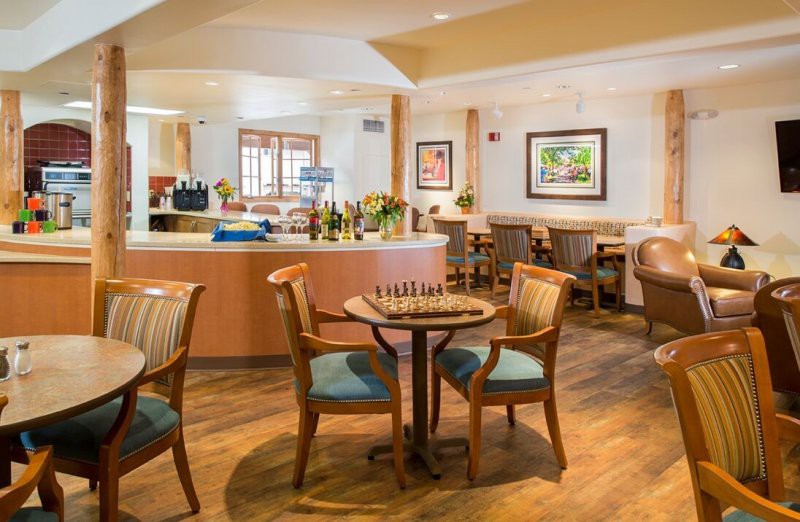
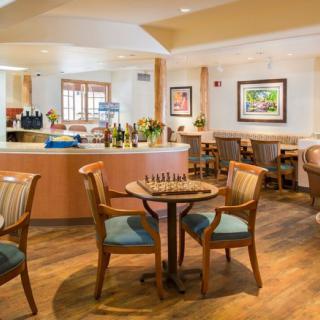
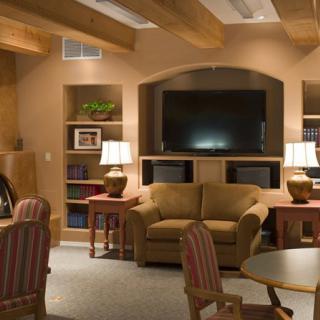
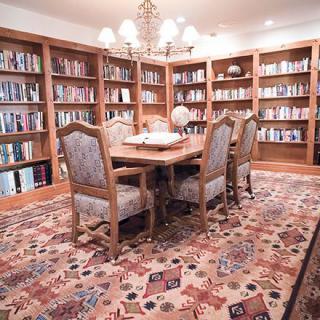
- The facility offers a big wellness center, library, deli, and bistro with a highly attentive staff.
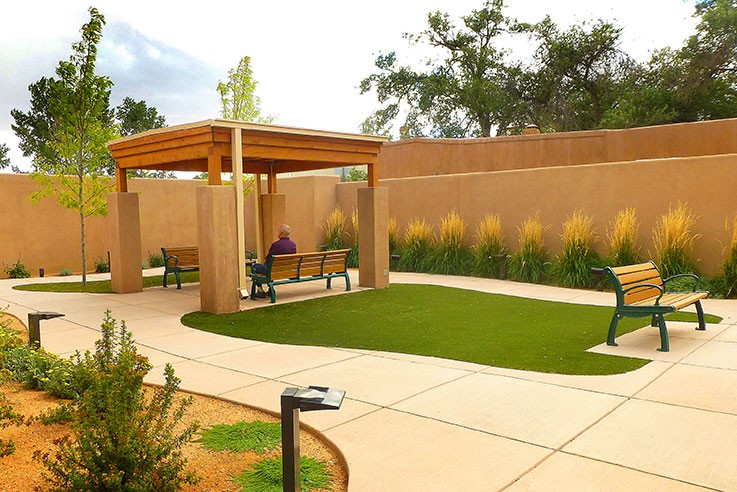
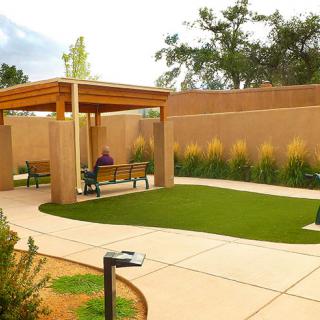
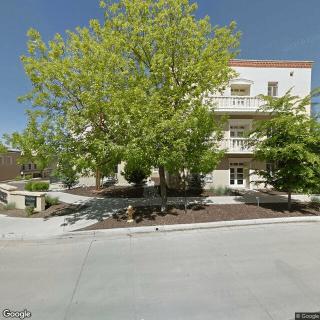
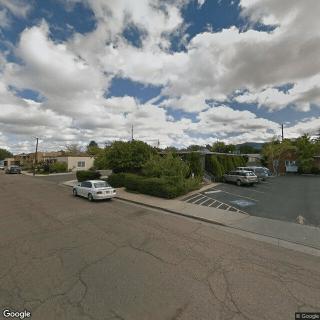
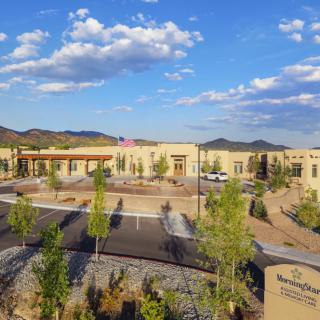
- The downtown Santa Fe location and sunny, well-kept grounds are highly regarded.
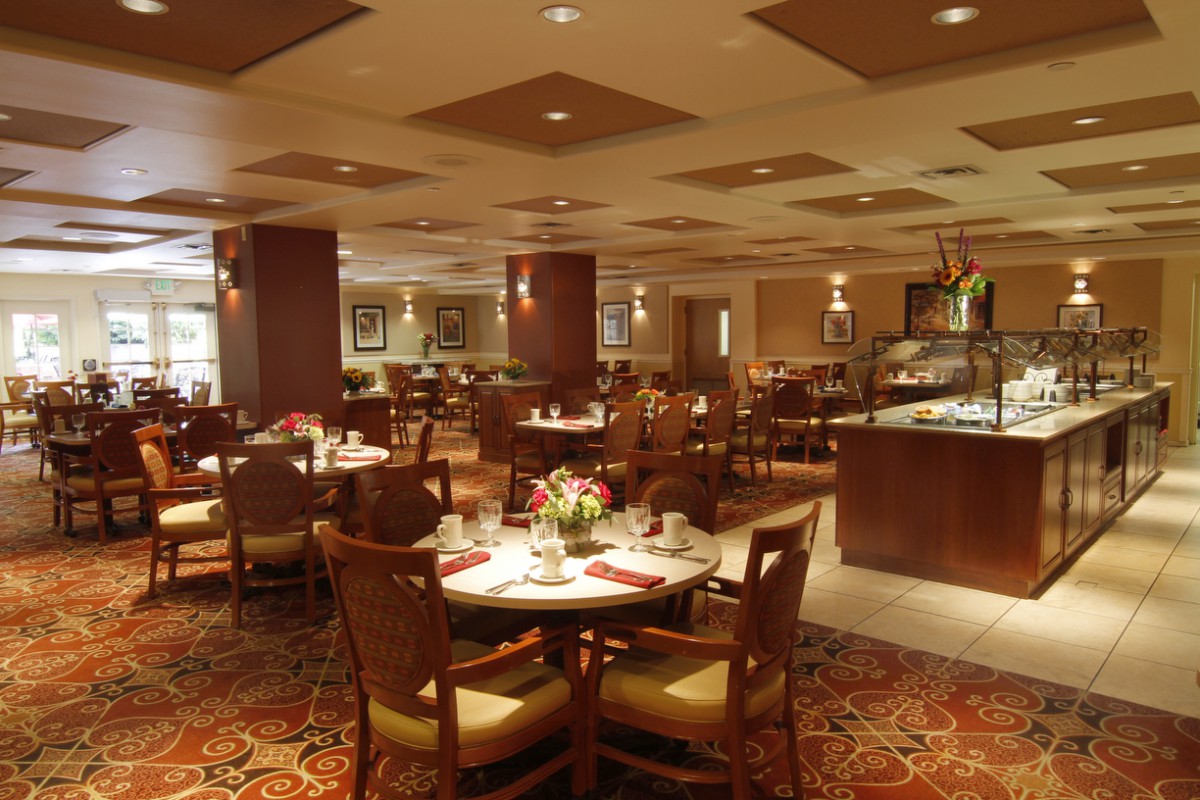
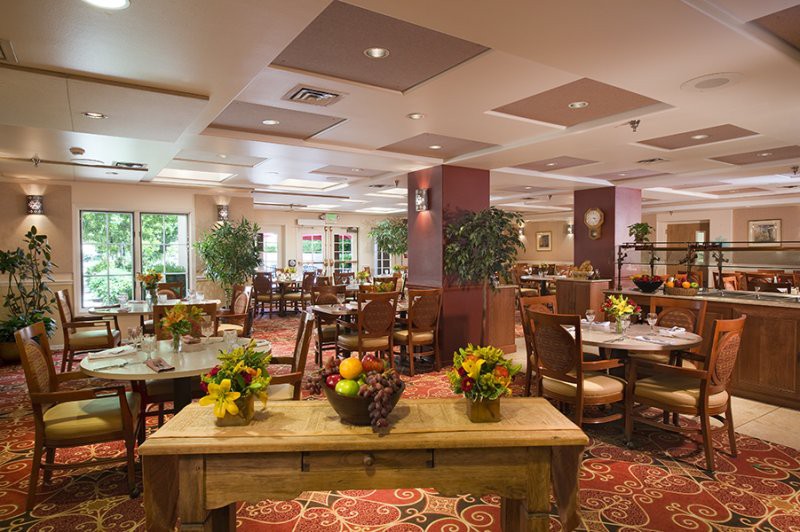
- The food has great variety and is excellent, often described as outstanding.
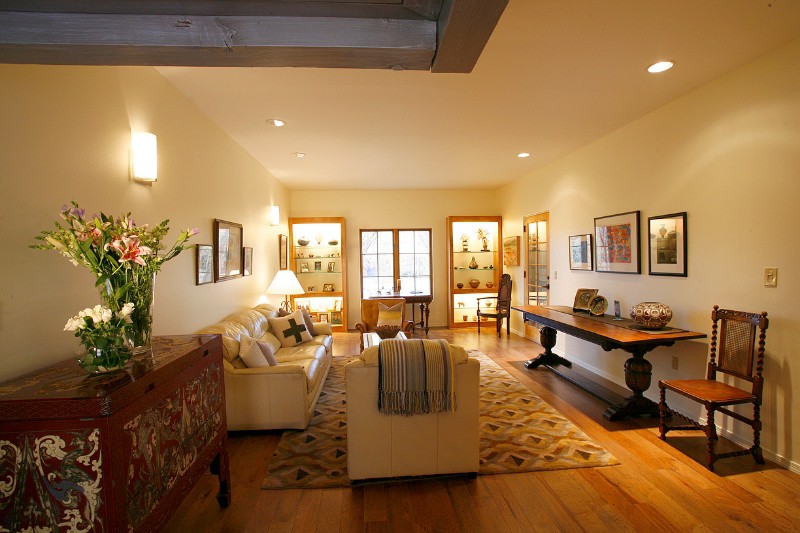
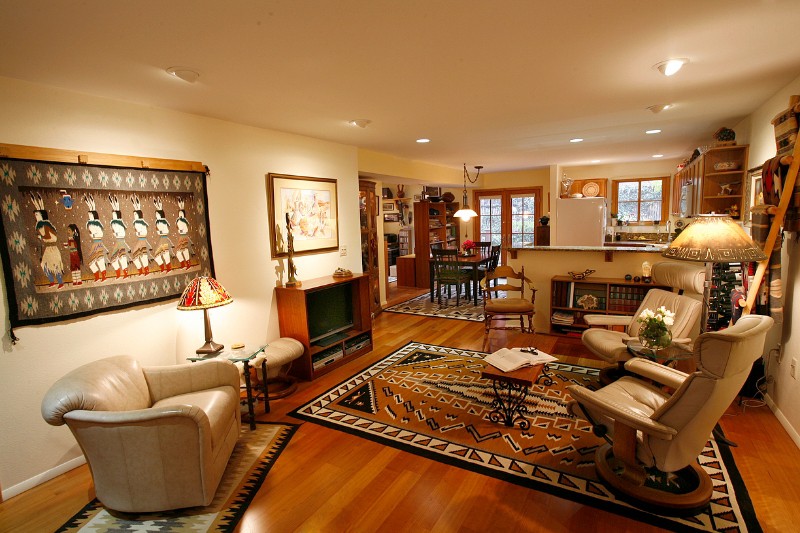
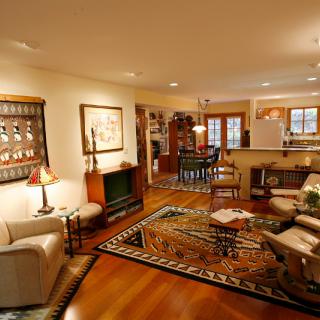
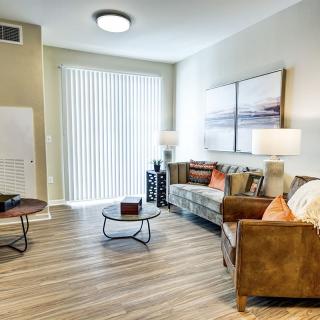
- The rooms are comfortable, well designed, and very clean.
- The community is lively and friendly, with residents enjoying many activities.
- Under new management, leadership is making notable improvements toward five-star status.
- Nursing care is well-staffed, with multiple RNs on duty and highly trained personnel.
Cons
 RNs should not work there.
- The staff is horrible and unsupportive.
- The executives running the place are mercenary and only interested in their profits.
- There are no walkers, no wheelchairs, and no outside care assistants.
- Two voicemails and one visit to the facility and still no one will call back.
- Those who truly care for an elder should not send them there.
- One must be wealthy to afford to live there.
- Helen Langworthy is one of the most conniving and sneakiest people the reviewer has met.
Review
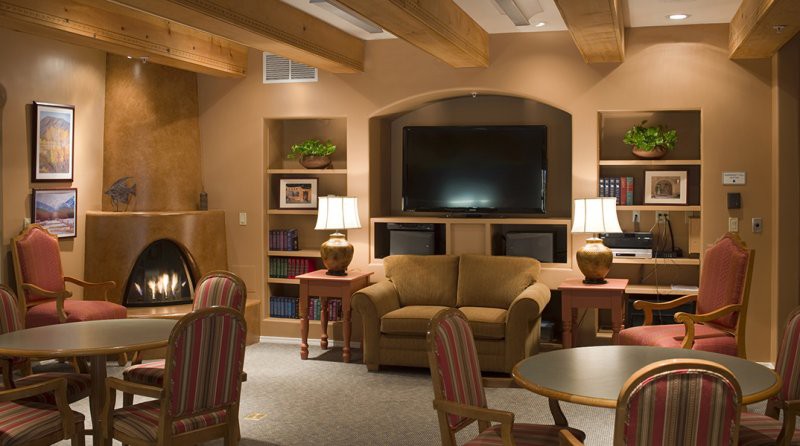
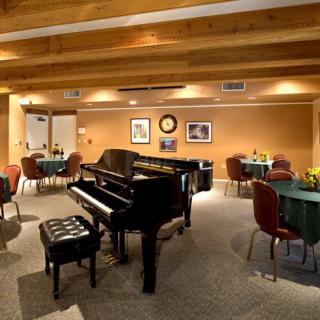
El Castillo LifeCare Community in downtown Santa Fe is best suited for active, socially engaged seniors who want a built‑in continuum of care and a true Santa Fe lifestyle. The campus appeals most to residents who value a vibrant, amenity-rich setting within easy reach of the Plaza and Canyon Road, where sunshine, pleasant neighbors, and ready access to dining and wellness resources create a feeling of belonging. For those ready to invest in a long‑term living plan, the combination of independent living options that can transition to assisted living or skilled nursing on site makes this a compelling, if premium, choice. The daily cadence, bistro, deli, library, swimming pools, and broad social programming, fits seniors who prize activity, a robust social fabric, and predictable access to nursing when needed.
Those who may want to consider alternatives include families prioritizing consistently transparent communication, steady staffing, and a facility that can demonstrate a uniformly resident-centered approach across all levels of care. Reviews reveal recurring concerns about responsiveness and administrative friction, such as delays in assessments or callbacks, and mixed signals about management priorities. Prospective residents who cannot tolerate perceived profit-driven tensions or who require unwavering, unambiguous front‑line communication may find El Castillo challenging. Additionally, while the campus offers high-quality amenities, some families note that long‑term care costs and upfront fees are substantial, which makes it important to compare value with similar LifeCare options in the region before committing.
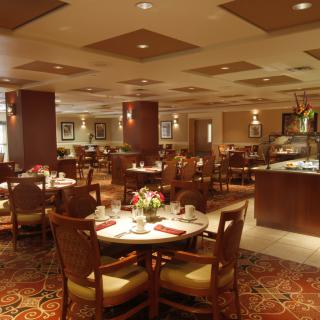
The most persuasive pros center on the food, the social environment, and the built‑in care continuum. The dining program repeatedly earns praise for variety, quality, and menu options, with residents and visitors describing meals as satisfying and even restaurant‑like at times. The campus atmosphere supports engagement through a wellness center, library, deli, and a bustling social calendar, reinforcing the sense of a self-contained community. Crucially, the LifeCare model provides on‑site nursing and memory care capacity, which can translate into smoother transitions when care needs escalate. Two registered nurses on duty during the day and at least one at night offer relative reassurance for families seeking closer supervision than standard assisted living might deliver. These structural strengths help offset some concerns about day‑to‑day operations by ensuring medical oversight remains accessible within the same campus.
Still, several core weaknesses temper the appeal. Staffing tensions and workload pressures surface in multiple accounts, with some reviews labeling the direct‑care environment as overburdened and communication as uneven. The perception of management as profit‑driven, and the sense that certain executive priorities pull focus away from resident‑centered care, undermines confidence for families looking for a relentlessly transparent partner. Access and inclusivity concerns also arise: at times, dining room access or certain amenities appear more readily usable by residents with visiting family or by those in specific care strata, raising fairness questions for families with mixed‑ability needs or for nonlocal support networks. Finally, while the campus boasts strong amenities, several reviews describe the memory and nursing units as needing more activity programming and consistent engagement, which can be a drawback for residents who expect a robust, day‑long schedule of meaningful pursuits.
These realities matter because the key strengths, exceptional food and a lively social scene, a downtown Santa Fe address, and a genuine LifeCare safety net, do not automatically eliminate the friction that can accompany a mid‑to‑large aging community. In practice, the well‑appointed environment and the ability to transition smoothly from independent living into more intensive care can offset some worries about future medical needs. The on‑site nursing presence reduces the risk of disjointed care, and the continuity of services helps families feel they are not gambling on a new provider should a decline in health occur. Yet the impact of staffing strains, communication gaps, and questions about equitable access can erode trust over time if not actively addressed. In short, the pros push toward a confident choice for families who value a holistic, culturally rich Santa Fe experience and can accommodate a premium price with a clear plan for ongoing care; the cons push back for those who require relentlessly seamless communication and universally well‑balanced staffing.
For decision‑makers evaluating El Castillo, practical next steps are essential. Verify the current staffing model, including nurse-to-resident ratios across independent living, assisted living, and nursing units, and request up‑to‑date references from residents and families. Obtain a detailed, itemized outline of the LifeCare cost structure, including upfront fees, monthly charges, and what services are included or capped, so there is no ambiguity about long‑term affordability. Visit the memory and assisted‑living sections with a concrete list of daily activities, staff turnover data, and what happens when a resident’s needs escalate. Speak with current residents about responsiveness and the consistency of care; ask to meet front‑line supervisors and dining staff outside mealtimes to gauge warmth and reliability. Finally, clarify access policies for guests, walkers, wheelchairs, and outside caregivers, ensuring alignment with the family’s caregiving arrangement and the resident’s mobility requirements.
The bottom line is that El Castillo offers a distinctive Provence‑of‑Santa Fe experience with strong culinary offerings, a vivid social environment, and a capable care continuum on campus. It is an attractive destination for seniors who can afford a premium LifeCare lifestyle and who place high value on location, culture, and access to on‑site nursing. Those who prioritize unwavering, transparent communication, uniformly consistent frontline staffing, and broad, inclusive access to amenities regardless of caregiving status may want to consider alternatives or proceed with rigorous verification and contract scrutiny. In the end, El Castillo tends to deliver a compelling blend of lifestyle and care for the right family, while advising rigorous due diligence to ensure expectations align with current operations and long‑term affordability.
 17 resident community capacity
 1-bedroom apartments
 Assisted Living
 Skilled Nursing Facility
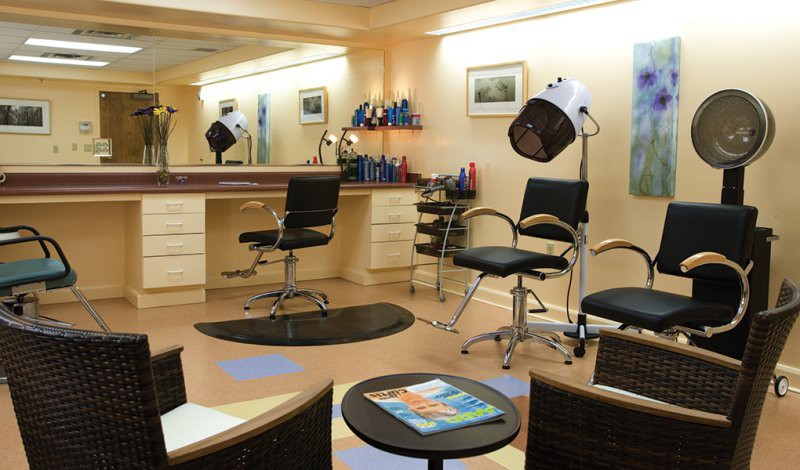
 Beautician on-site
 Cable or satellite TV
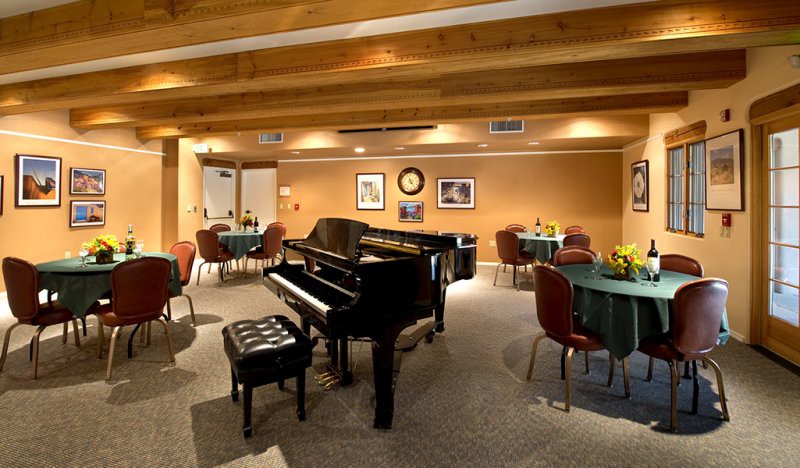
 Dining room
 Full kitchen
 Fully furnished
 Garden
 Housekeeping services
 Laundry
 Move-in coordination
 Outdoor space
 Overnight guests
 Party space
 Resident parking
 Swimming pool
 Telephone
 Wi-Fi/high-speed internet available
 Santa Fe Municipal (10 miles away)
 Transportation & parking
 24-hour supervision
 Activities of daily living assistance
 Assistance with bathing
 Assistance with dressing
 Assistance with transfers
 Diabetes diet
 Meal preparation and service
 Medication management
 Special dietary restrictions
 Transportation arrangement (medical)
 Fitness programs
 Religious services
 English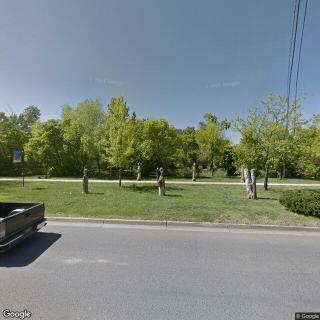

 Assisted Living and Memory Care: Understanding Their Core Differences
 Beyond the Bingo Hall: 50+ Enriching Activities for Seniors in Assisted Living
 Understanding the Distinctions: Assisted Living and Memory Care Explained