

7620 Buckboard Avenue NE, Albuquerque, NM 87109
For more information about senior living options: (866) 208-4318
Mesa Arriba Family Care Home Costs & Pricing
Mesa Arriba Family Care Home offers a competitive monthly rate of $2,300 for private rooms, significantly lower than the average costs observed in Bernalillo County and throughout New Mexico. In contrast, the average cost in Bernalillo County is $4,602, while state-wide averages hover around $4,391. This pricing reflects Mesa Arriba's commitment to providing accessible care without compromising quality, making it an appealing option for families seeking affordable yet comprehensive support for their loved ones in a welcoming environment.
| Floor plans | Mesa Arriba Family Care Home | Bernalillo County | New Mexico |
|---|---|---|---|
| Private | $2,300 | $4,602 | $4,391 |
Assisted Living communities with a similar price nearby
-
from +$375 / mo
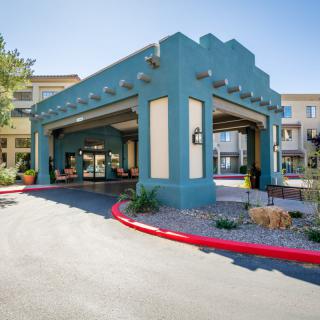
Fairwinds - Rio Rancho
$2,675 to $3,895 / month7.3 miles away -
from -$105 / mo
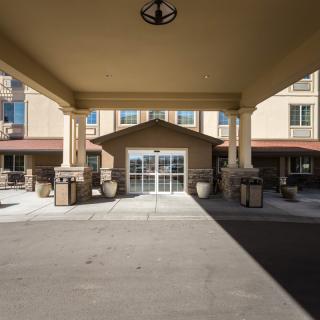
Palmilla Senior Living
$2,195 to $3,910 / month7.8 miles away -
from +$200 / mo
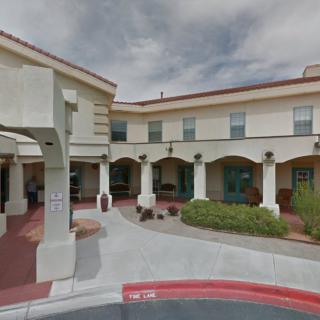
The Village At Alameda
$2,500 to $5,015 / month3.3 miles away -
About the same

Brookdale Valencia
$2,280 to $3,515 / month6.7 miles away -
from -$150 / mo

Camino Retirement Apartments
$2,150 to $2,450 / month6.0 miles away
Overall Review of Mesa Arriba Family Care Home
Pros
 They are doing a good job so far.
- They’re on top of things, calling in her prescriptions before they get really low.
- People go out of their way to help her.
- It’s a really nice place.
- They do serve a balanced diet.
- They’re really concerned.
- If something goes wrong they always give you a call.
Cons
 They were disappointed and not very impressed.
- It was dirty and not well kept.
- The residents didn't look particularly clean or happy.
- There isn't much activity going on, which could be improved or added.
- The sister complains that the food isn't that good.
Review
Mesa Arriba Family Care Home is best suited for seniors who want a small, home-like setting where caregivers know residents well, daily routines stay predictable, and staff can respond quickly to concerns. In Albuquerque, the intimate scale means less impersonality and more direct oversight of medications, daily living tasks, and routing health touches. This model rewards families seeking close, hands-on attention without the bustle and formality of larger assisted living campuses. Those prioritizing warmth, consistent communication, and a simple, predictable daily rhythm will find Mesa Arriba to fit well enough to make sense as a preferred option.
The strongest positives center on care attentiveness and dependable communication. The reviews consistently describe a staff group that is observant and engaged, quick to flag issues, to call when something goes wrong, and to manage prescriptions before supplies run low. This level of proactive involvement translates into genuine peace of mind for families, particularly when a resident’s needs shift or a new concern arises. A claim of a balanced diet further reinforces the sense that resident well-being is actively monitored. In short, the care team appears committed, responsive, and personally invested in the residents’ day-to-day health and happiness.
That said, the downsides are meaningful and cannot be dismissed. The small footprint that makes Mesa Arriba feel intimate also limits programming and activity breadth, which can leave more active seniors craving social engagement or structured diversions. A standout negative review paints a stark contrast: dirtiness and poor upkeep that affect residents’ appearance and mood, signaling potential housekeeping gaps and inconsistent maintenance. While other accounts emphasize warmth and routine reliability, this discrepancy highlights a real risk if cleanliness standards or housekeeping schedules lapse. Food quality is also a point of contention for some families, underscoring that meal experience may vary and is not universally satisfying.
This balance of strengths and drawbacks shapes who should consider alternatives. Families that prize a lively social calendar, diverse amenities, and consistently high cleanliness and dining quality may want to explore larger or more resource-rich options. Those with moderate social needs and a strong desire for close, proactive caregiver involvement will likely value Mesa Arriba’s intimate approach, provided the housekeeping and meal expectations align with their standards. For seniors with more complex medical requirements or those who require regular clinical oversight, a setting with more on-site medical staffing or a higher level of care may be a better fit.
A practical decision framework helps translate these findings into action. Prospective residents should observe mealtimes and activity periods to gauge engagement and mood, review the weekly activity calendar, and request specifics about housekeeping schedules and resident room upkeep. Inquire about the staff-to-resident ratio, staff training, and how care plans are updated in response to changing needs. Directly ask current residents or families about cleanliness, meal quality, and overall satisfaction, and request recent inspection or licensure documents to verify standards. Finally, verify what happens if health needs intensify and whether the home can accommodate tiered care or requires transition to another facility.
Bottom line: Mesa Arriba Family Care Home is a solid choice for families seeking a small, intimate, handyman-involved care environment with strong caregiver responsiveness and clear communication. Its main advantages, proactive staff and a sense of personal attention, serve residents well, but the intangible costs are real: limited social programming and potential variability in cleanliness and dining quality. For households where tranquility, familiarity, and frequent check-ins trump breadth of activities and dining perfection, this community is highly worth pursuing. For those who demand more robust programming, higher cleanliness guarantees, and a more expansive social scene, the search should extend to alternatives that match those expectations.
 8 resident community capacity
 Assisted Living
 Board and Care Home
 Activities on-site
 Bath tubs
 Cable or satellite TV
 Dining room
 Fully furnished
 Garden
 Housekeeping services
 Indoor common areas
 Move-in coordination
 Outdoor common areas
 Private
 Respite or short term stays offered
 Telephone
 Wheelchair accessible showers
 Wi-Fi/high-speed internet available
 Albuquerque International (10 miles away)
 24-hour supervision
 Ambulatory care
 Assistance with bathing
 Assistance with dressing
 Assistance with transfers
 Diabetes diet
 High acuity care
 Incontinence care
 Meal preparation and service
 Medication management
 Special dietary restrictions
 Transportation arrangement (medical)
 Transportation to doctors appointments





 Assisted Living Support for Veterans: A Complete and Detailed Overview
 Exploring the Contrasts Between Assisted Living and Skilled Nursing
 8 Key Indicators That Suggest It May Be Time to Transition from Assisted Living to Skilled Nursing Care