

900 Espanola NE, Albuquerque, NM 87110
To contact a resident: (505) 934-0438
For more information about senior living options: (866) 208-4318
Espanola House Costs & Pricing
Espanola House offers competitive pricing in comparison to both Bernalillo County and the broader New Mexico region. For semi-private rooms, residents can expect to pay $2,000 per month, which is significantly lower than the county average of $3,285 and the state average of $3,324. Similarly, the private room option at Espanola House is priced at $2,400, again offering a substantial savings against Bernalillo County's average of $4,602 and New Mexico's average of $4,391. This pricing strategy positions Espanola House as an attractive choice for those seeking quality care without the elevated costs typically associated with assisted living facilities in the area.
| Floor plans | Espanola House | Bernalillo County | New Mexico |
|---|---|---|---|
| Semi-Private | $2,000 | $3,285 | $3,324 |
| Private | $2,400 | $4,602 | $4,391 |
Senior living communities with a similar price nearby
-
from -$276 / mo

Mayberry Senior Services
$1,724 to $3,283 / month4.2 miles away -
from -$83 / mo

Sandia Vista Senior Living
$1,917 to $4,298 / month3.1 miles away -
from +$195 / mo

Palmilla Senior Living
$2,195 to $3,910 / month10.3 miles away -
from +$395 / mo

The Rio Grande
$2,395 to $4,245 / month11.5 miles away -
from -$205 / mo
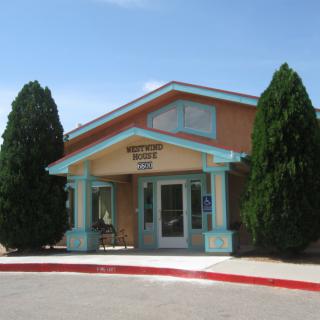
Westwind House Assisted Living
$1,795 to $2,675 / month8.5 miles away
Overall Review of Espanola House
Pros
 The staff is great and kind.
- She feels comfortable with the staff, food, and her living situation.
Cons
 None found.
Review
Espanola House is best suited for families seeking a small, personable environment where frontline caregivers know residents by name and deliver warmth in daily care. The strongest signal from the experiences available is a sense of comfort with the people who interact with the resident, staff described as kind and attentive, with a resident feeling well-cared-for and supported in a living setting that feels homey. For families prioritizing a genuine, day-to-day connection with caregivers, this community can deliver a reassuring, hands-on approach that translates into steady routines, predictable meals, and a familiar social rhythm.
Those weighing alternatives should note that the footprint of available feedback is narrow, and the overall rating mood is mixed. With only two published reviews, a single five-star endorsement sits alongside a lone one-star caution, and a blunt, alarming note, “Be afraid”, from another commenter. That combination signals both a potential for strong, positive day-to-day experiences and a need for diligence. Families considering Espanola House should be prepared to verify the reliability of care across shifts, seek out independent observations, and compare the facility’s offerings against larger or more transparent options that provide broader data on staffing, safety systems, and activity programming.
On the upside, the core pros center on human-centered care. The staff’s warmth and perceived kindness are repeatedly highlighted as the pivotal strength, translating into a sense of trust and ease for residents and their families. A well-regarded aspect is the resident’s comfort with the staff, combined with favorable impressions of the food and the overall living environment. That trio, caring staff, palatable meals, and a comfortable, home-like setting, helps minimize anxiety and supports daily quality of life, especially for residents who thrive on predictable routines and personal attention from caregivers.
Conversely, the most salient cons come through the cautionary note embedded in the limited negative feedback and the small sample size. The “Be afraid” remark, without context, raises legitimate questions about safety, oversight, or consistency that cannot be resolved from two reviews alone. The rating spread (one strong positive and one strong negative) underscores the possibility of highly variable resident experiences. Families should not infer a uniform level of care across all shifts or days; instead, they should anticipate the need for concrete, in-person validation of staffing adequacy, responsiveness during emergencies, and the robustness of supervision and incident reporting.
The way the positives align with or diverge from the concerns hinges on practical realities of daily life in care communities. If staff are consistently kind and residents feel valued, the emotional and relational benefits can offset some worries about smaller size or limited public data. Yet the red flag in the uneven feedback cannot be dismissed as a mere quirk. Prospective residents should insist on current, firsthand confirmation of key metrics: staff-to-resident ratios during peak hours, availability of licensed nursing care, response times to calls, and the quality of meals and activities. A tour should include unscheduled visits to common areas and a few resident conversations to gauge morale and engagement beyond formal introductions.
In closing, Espanola House appears well-suited for families prioritizing intimate, staff-first care in a homelike setting, but it demands a rigorous due diligence period. Those who need comprehensive medical oversight, robust memory care programming, or highly standardized safety metrics may want to explore alternatives with broader track records and more transparent performance data. A disciplined decision plan is essential: schedule a face-to-face tour, ask for a recent care plan example and a detailed service agreement, verify emergency procedures and accessibility features, and request references from current families. If the visit confirms steady staffing warmth, a strong sense of community, and clear, actionable policies, Espanola House can be a compelling fit. If red flags persist or the answers feel opaque, prioritizing other options will be prudent.
 Board and Care Home
 Private
 Albuquerque International (4 miles away)





 Understanding the Full Cost of 24/7 In-Home Care: A Detailed Overview
 Exploring the World of Home Health Nurses: Qualifications, Roles, and Hiring Tips
 Navigating Medicare Coverage for In-Home Care Services