
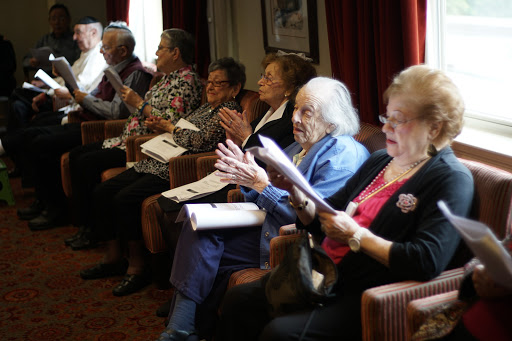
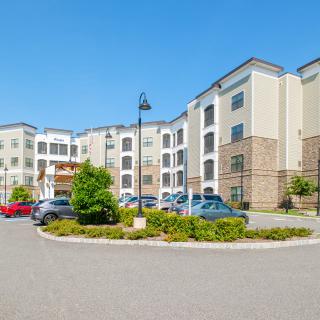
685 Westwood Avenue, River Vale, NJ 07675
For more information about senior living options: (866) 208-4318
Overall Review of Jewish Home Assisted Living
Pros
 The Jewish Home is at the top of its class.
- The Jewish Home provides the best care and proves Kosher food can be delicious.
- The staff are incredibly professional and attentive to even the smallest details.
- Families sleep better knowing residents are being cared for at the Jewish Home.
- Eating is a joyous event for families, and residents perk up when visitors join them.
- The staff are all caring and friendly.
- The Jewish Home is highly recommended.
- The mother-in-law is thriving at JHAL.
Cons
 The receptionist is extremely rude and unprofessional; she hung up after claiming she didn’t have time.
- The place is described as the worst the reviewer has ever seen, with clients treated badly, staff not respecting clients, and seniors abused.
Review
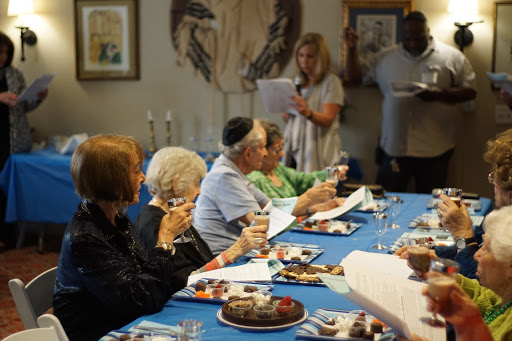
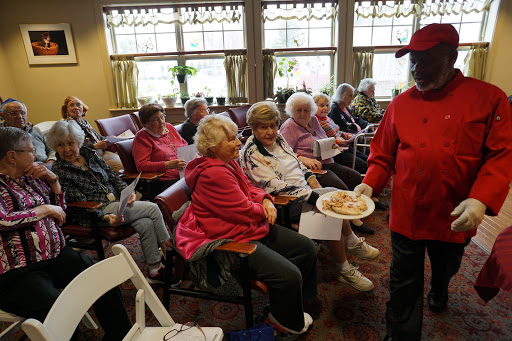
Jewish Home Assisted Living in River Vale is best suited for families that prize a nonprofit governance ethos, consistent clinical attention, and a dining program that respects kosher standards without compromising flavor. The community tends to attract seniors who value a well-run operation, where staff demonstrate steady professionalism and attention to the small details that translate into reliable daily care. For families seeking a calm, organized environment with clear routines and a culture aimed at ethical care over profit, this facility aligns with expectations. The overall climate feels like a well-managed campus, with care staff and kitchen teams seemingly aligned around resident well-being, and where family involvement during meals can be meaningful and affirming.
However, potential residents should consider alternatives if the front-office experience and accountability are non-negotiable priorities. A subset of reviews highlights stark negative interactions, rude or unprofessional reception and, in the most troubling accounts, allegations of mistreatment. While these complaints are not the majority, they reveal variability in day-to-day experiences and hint at gaps in oversight that families must probe during tours. If front-d desk courtesy, consistent communication, and a zero-tolerance posture toward any form of elder mistreatment are essential, exploring other communities with transparent grievance processes and consistently positive front-line service may be prudent. Prospective movers should demand direct conversations with administrators about how concerns are tracked and resolved.
On the upside, the strongest draw is a care culture that feels ethically oriented and professionally run. Reviews consistently praise staff for kindness, attentiveness, and attention to the small details that reassure families. The nonprofit model is praised as a differentiator, signaling resident welfare over profit margins. Dining is repeatedly described as a highlight, with kosher meals that are tasty and often enjoyed during family visits. These positives offset the negative anecdotes by showing a baseline of reliable caregiving and a respectful environment. Yet the concerns are real enough to demand careful scrutiny: a few reports of mistreatment and inconsistent front-line interactions can erode confidence if not addressed.
Value comes from stability, ethical governance, and a proven track record of positive outcomes in many cases. For families who place weight on kosher dining, clear nonprofit leadership, and the sense of continuity that comes from long-tenured staff, the appeal is strong. The flip side is the potential for uneven experiences that can materialize despite otherwise solid metrics. If budget constraints or the need for a consistently flawless first impression from the front desk are decisive, this community should be weighed alongside alternatives that boast uniformly predictable customer service and more robust quality-control measures.
When evaluating, families should demand current, facility-level details: staff-to-resident ratios by shift, care plans for memory support if needed, and a transparent process for reporting and investigating concerns. Tour the dining room at different meal times to gauge consistency of service and the dining experience, and speak with residents and family members about daily interactions with aides and nurses. Request the administrator’s response time to questions, and ask for recent inspection outcomes and any corrective action plans. If kosher meals are important, review menus and kitchen protocols. Finally, compare not only overnight costs but what is included in fees, and verify the center’s policy on handling caregiver staff turnover and replacements.
In sum, Jewish Home Assisted Living remains a strong option for families prioritizing ethical nonprofit leadership, attentive caregiving, and a kosher-friendly dining program. Those elements translate into meaningful benefits for residents who respond well to structure and a professional, respectful staff culture. Yet a small but troubling set of reviews, ranging from front-desk friction to abuse concerns, means one must enter with eyes wide open and demand verifiable assurances. If continuous, courteous communication and a consistently gentle caregiving climate are nonnegotiables, this community can deliver; if not, or if guarantees around abuse prevention and staff conduct are insufficient, alternatives deserve serious consideration. The decision hinges on balancing proven care quality with the reassurance of reliable, respectful daily interactions.
 124 resident community capacity
 Assisted Living
 Hospice Agency
 Memory Care
 Respite Care
 Activities on-site
 Air-conditioning
 Beauty salon
 Cable or satellite TV
 Computer center
 Devotional services off-site
 Dining room
 Fitness room
 Fully furnished
 Gaming room
 Garden
 Housekeeping services
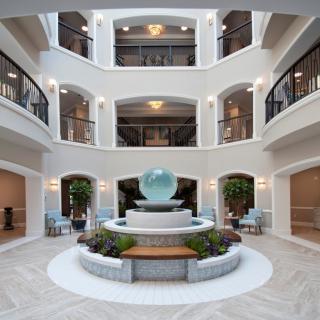
 Indoor common areas
 Kitchenette
 Move-in coordination
 Outdoor space
 Private bathrooms
 Restaurant-style dining
 Small library
 Telephone
 Wellness center
 Wi-Fi/high-speed internet available
 Westchester Cty (16 miles away)
 Community operated transportation
 12-16 hour nursing
 24-hour call system
 Ambulatory care
 Assistance with bathing
 Assistance with dressing
 Assistance with transfers
 Diabetes diet
 Diabetic care
 Medication management
 Mental wellness program
 Special dietary restrictions
 Concierge services
 Planned day trips



 Medications Associated with Dementia Risk: A Comprehensive Overview
 Guiding Your Journey: Understanding Power of Attorney for Elderly Parents
 22 Remarkable Caregiver Support Groups Available Online and In-Person