

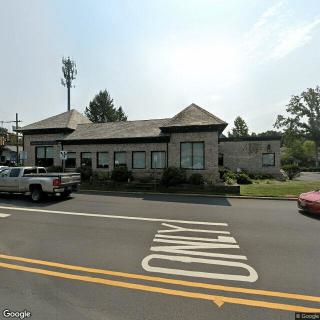
251 North Avenue West, Suite 201, Westfield, NJ 07090
To contact a resident: (908) 789-1717
For more information about senior living options: (866) 208-4318
Overall Review of Bayada Home Health Care, Inc.
Pros
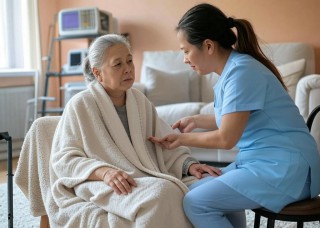
 The aide Cornelia is described as compassionate, highly skilled and knowledgeable.
- The Bayada experience is described as wonderful.
- The first day using Bayada is described as a great day.
- Bayada is praised for taking care of its employees and for prompt responses when supplies are needed.
- Bayada in Westfield is praised for having very nice people.
- The Westfield staff are thanked for above-and-beyond care and for supportive communication to the family (Megan, Marie, Maxine, Chrissy, Denise and Mercy are highlighted).
- Bayada is highly recommended.
Review
Bayada Home Health Care in Westfield is best suited for families that want a reliable, compassionate in-home care partner capable of deploying skilled nursing and aides quickly, with a strong care-management backbone. The model is ideal for seniors or adults coming home from hospitalization who need clinical oversight, help with daily tasks, and the ability to scale services on short notice. Aides are consistently described as compassionate and capable, and the office team can mobilize a live-in arrangement promptly while field nurses provide steady clinical supervision. This combination supports staying at home with continuity and clear lines of accountability, which matters when health needs are evolving and family schedules are complex.
This is not the right fit for every scenario. Families that require constant, 24/7 on-site medical supervision within a campus environment or who want the built-in social programming of an assisted living facility may want alternatives. The Westfield model prioritizes home-based care with remote oversight and on-the-ground staff, which excels at preserving independence but may feel less comprehensive than a facility for those needing round-the-clock presence or immersive social activity. For households facing escalating medical complexity or safety concerns that demand steady, on-site supervision, a traditional facility, whether an assisted living or a skilled nursing setting, could offer a different, more predictable daily structure.
The core strengths here consistently offset potential drawbacks. The standout advantage is the combination of empathy and clinical competence among caregivers, which translates into safer daily routines and better comfort at home. Rapid access to supplies and the ability to adjust services quickly reduce friction at critical moments, a frequent source of stress in home care. Crucially, the clinical oversight provided by field RN supervisors aligns care plans with medical recommendations, ensuring adherence to physician orders and timely adjustments when health status shifts. The capacity to arrange live-in services promptly, often with full-day or even same-day setup, reduces wait times for essential support and keeps the care trajectory smooth during hospital transitions and beyond.
Leadership and coordination are the other decisive advantages. The Westfield team is repeatedly praised for proactive communication, hospital visits when appropriate, and willingness to modify care arrangements as needs change. This isn’t a scattered network of caregivers working independently; it is a coordinated system where a patient service manager, a live-in coordinator, and RN supervisors stay in touch with families, physicians, and the care team. Specific staff include a patient service manager, a live-in coordinator, and field RNs who are noted for warmth and reliability. Such continuity matters greatly when a loved one’s routines, medications, and daily activities hinge on consistent, trusted personnel showing up on time and staying engaged.
Despite the strong track record, families should anticipate the practical realities of in-home care. The model’s biggest trade-off is that it cannot perfectly substitute for a facility when constant on-site presence, structured programming, and easy access to a broad range of peer activities are critical. Live-in arrangements help cover long stretches, but coverage gaps can occur if a preferred caregiver becomes unavailable or if health needs escalate beyond home-based capacity. Costs, while not detailed in testimonials, typically scale with the intensity and duration of services, and ongoing scheduling requires active family involvement to prevent gaps. These are not flaws so much as operational realities to confirm during intake and as part of ongoing care-plan reviews.
The practical takeaway is straightforward. Bayada Westfield stands out for families prioritizing compassionate, competent in-home care with aggressive care-management infrastructure. It is particularly well suited for those who want to remain at home while receiving regular RN oversight, prompt access to aides, and the flexibility to adjust services on short notice. For households that require 24/7 campus-based supervision or a robust social ecosystem in a facility setting, exploring assisted living or skilled nursing options is prudent. In engaging Bayada Westfield, families should secure clear commitments on live-in availability, the cadence of RN oversight, and the communication framework with the patient service manager and coordinators to ensure that care goals remain aligned with the loved one’s needs.
 Newark International (10 miles away)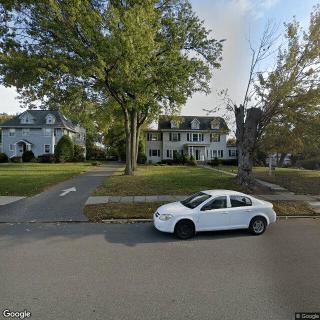


 Navigating Medicare Coverage for In-Home Care Services
 In-Home Care Costs in 2025: A Detailed State-by-State Exploration
 Understanding Home Health Care: A Comprehensive Guide