
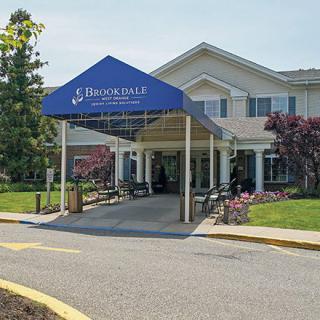
35 Mountain Way, West Orange, NJ 07052
To contact a resident: (973) 783-4663
For more information about senior living options: (866) 208-4318
Overall Review of Preferred Care At Home of Northeast New Jersey
Pros
 They made the right choice by working with Preferred Care at Home.
- The interaction with the owners was great.
- The aide provided superb care and felt like an extension of the family.
- The family felt blessed to have chosen this agency and would definitely recommend them.
- They are very happy with the care and oversight from Preferred Care at Home and Mario Parker.
- Mario Parker takes the time to visit up front and is always a phone call away.
- The agency is professional, caring, and careful in selecting caregivers.
- Having the same aide for several months has helped her get to know the mother-in-law, her schedule, and her likes and dislikes.
Cons
 The provided reviews are all positive.
Review
This agency is best suited for families who want to keep a loved one living at home while receiving highly personalized, attentive care that is actively managed by a local, hands-on leader. In West Orange and the surrounding Northeast New Jersey area, Preferred Care at Home delivers in-home support that goes beyond casual check-ins: coordinated scheduling, thoughtful caregiver matching, and ongoing oversight from a committed owner-operator. The model works especially well for seniors who benefit from daily help with meals, medications, light housekeeping, and meaningful companionship, yet still want the security and intimacy of home life. Families seeking a structured, responsive care partner will find the strongest value in the agency’s emphasis on relationship-building with both clients and caregivers.
There are clear alternatives to consider for different needs. If 24/7 on-site supervision, immediate nursing intervention, or a highly clinical setting is required, an assisted living community or skilled nursing facility may be more appropriate. Also, if the care budget requires aggressive cost controls or if geographic coverage becomes a constraint due to distance, other providers with broader national networks or different pricing models might be a better fit. For those prioritizing a traditional facility environment over in-home care, or for cases with significant medical complexity that demand intensive on-site medical staff, it’s prudent to evaluate facility-based options.
The standout strengths center on leadership, caregiver quality, and family peace of mind. The ownership team is described as highly engaged, with the lead figure personally meeting families upfront and remaining accessible afterward. This level of oversight translates into careful caregiver selection, sustained caregiver retention, and a clear line of communication that families can rely on. Families repeatedly note that caregivers feel like extensions of the family, which reduces stress and accelerates comfort for both the loved one and the household. The long-tenured aide arrangement, having the same caregiver for months, matters profoundly for knowing daily rhythms, preferences, and medical routines.
These advantages more than compensate for typical in-home care trade-offs. The ability to coordinate medications, prepare healthier meals, maintain a clean home, and coordinate with a geriatrician who can make house calls significantly lightens the family’s load and reduces the risk of overlooked gaps in care. The agency’s reputation for responsiveness and thoughtful caregiver placement helps prevent the isolation that can accompany home-based care and minimizes the churn that often undermines trust. In short, the practical gains, consistency, personalization, and integrated support, offset the inherent constraints of non-institutional care, where 24/7 coverage and 24-hour nursing are not standard.
For families navigating a decision, the key is to map the care needs to the service model and confirm a few practical expectations. Prioritize securing a plan that preserves caregiver continuity, with a clear process for caregiver replacements if necessary and a predictable schedule that matches the loved one’s daily routine. Verify how care management is structured: who coordinates medical appointments, who communicates changes in condition, and how quickly phone or message responses occur. Request a concrete, written care plan that covers medication reminders, meal planning, housekeeping, mobility assistance, and safety measures at home. Discuss cost, inclusions, and what happens if needs suddenly escalate, to avoid surprises down the line.
Ultimately, Preferred Care at Home stands out as a persuasive choice for families committed to aging in place with expert oversight, consistent aides, and a collaborative care approach. The model delivers meaningful relief for overwhelmed households through hands-on leadership, caregiver stability, and integrated support that touches medical coordination, daily living activities, and home safety. This is particularly compelling for those who value a personalized, at-home solution backed by confident management and proven caregiver relationships. For anyone whose loved one thrives with home-based daily living and social interaction in familiar surroundings, this agency offers a clear path to sustained quality of life. If the situation calls for a facility-based environment or intense medical supervision, alternatives deserve serious consideration; otherwise, Preferred Care at Home represents a well-founded, practical fit for keeping a beloved family member safely at home.
 Newark International (8 miles away)



 Comprehensive Guide to Medicare Coverage for Hospice Care
 Caring for Those Who Care: Recognizing, Understanding, and Overcoming Caregiver Burnout
 Caregiver Exhaustion: Recognizing the Signs and Restoring Your Well-Being