
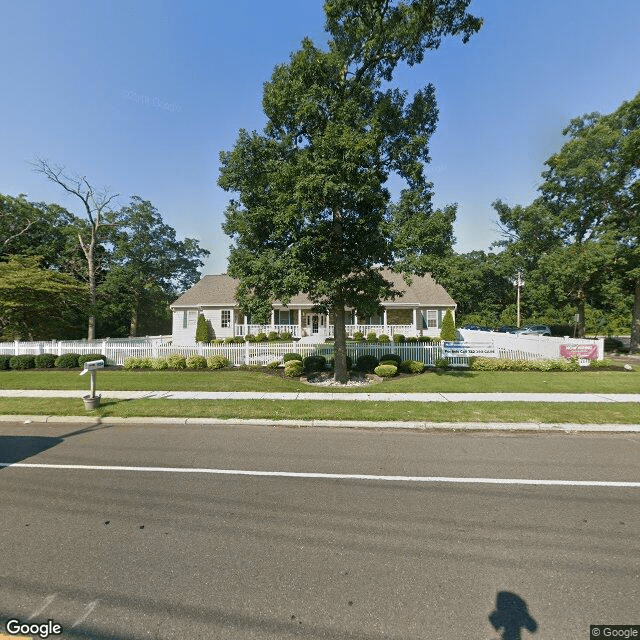
1126Lakewood Road, Toms River, NJ 08753
To contact a resident: (732) 290-2273
For more information about senior living options: (866) 208-4318
Alcoeur Gardens of Toms River Costs & Pricing
Alcoeur Gardens of Toms River offers competitively priced accommodations that stand out when compared to the broader market in Ocean County and throughout New Jersey. For a studio, residents can expect to pay $2,215 per month, significantly lower than the county average of $4,500 and the state average of $5,286. One-bedroom units at Alcoeur are available for $3,910, which is also more economical compared to Ocean County's average of $4,332 and New Jersey's overall average of $5,994. Even for semi-private rooms, Alcoeur presents a compelling value at $3,930 per month against county and state averages of $4,532 and $5,068 respectively. These pricing advantages highlight Alcoeur Gardens as an attractive option for those seeking quality care without the financial strain typically associated with senior living facilities in the region.
| Floor plans | Alcoeur Gardens of Toms River | Ocean County | New Jersey |
|---|---|---|---|
| Studio | $2,215 | $4,500 | $5,286 |
| 1 Bedroom | $3,910 | $4,332 | $5,994 |
| Semi-Private | $3,930 | $4,532 | $5,068 |
Senior living communities with a similar price nearby
-
from +$285 / mo

Greenbriar I
$2,500 to $4,100 / month8.7 miles away -
from -$420 / mo
Healthmates
$1,795 to $4,595 / month15.5 miles away -
from +$405 / mo
Greenbriar Oceanaire
$2,620 to $3,995 / month13.3 miles away -
from -$174 / mo
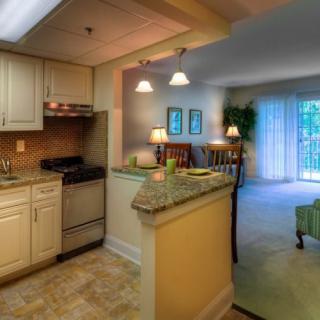
The Pines
$2,041 to $3,279 / month7.9 miles away -
from +$285 / mo
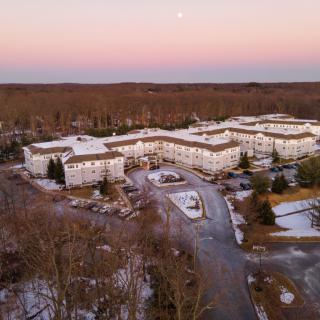
Bella Terra by Monarch
$2,500 to $4,999 / month10.9 miles away
Overall Review of Alcoeur Gardens of Toms River
Pros
 The staff at Alcoeur Gardens is caring, knowledgeable, and attentive.
- The community feels like a family, with residents treated with utmost care and respect.
- The meals are prepared fresh for every meal, and the food is consistently praised.
- The facility is clean, well maintained, and warmly decorated for every season.
- The small size of the community allows staff to give individualized attention to each resident.
- There are always activities and events to keep residents engaged and happy.
- Families feel secure knowing their loved ones are safe, well cared for, and kept informed.
- It feels like living in a hotel, with the comfort and warmth of a home.
Cons
 The owner promised to accommodate her, but did not follow through and did not call back.
- She had to postpone her surgery after waiting for a promised phone call that never came.
- A resident was asked to leave after six months, despite the home being otherwise beautiful and well-staffed.
- The facility is not equipped to handle residents who require assistance with activities of daily living, especially if they are tall or weigh 200 pounds.
- They are not able to handle patients with dementia who show agitation.
Review
Alcoeur Gardens of Toms River is best suited for families seeking a small, home-like assisted living environment where residents receive highly individualized attention. The community excels for seniors who value warmth, personal connections, and a sense of belonging over institutional scale. It is especially well-matched for individuals with dementia or other memory-care needs who can benefit from a calm, intimate setting where staff can monitor daily routines closely, customize activities, and maintain a predictable, family-oriented rhythm. In short, this is not a high-volume campus; it is a caregiving home designed to feel like an extension of family life.
Those who may want to consider alternatives include families dealing with higher-intensity ADL requirements or aggressive or unpredictable dementia behaviors that demand larger staff teams and more structured medical oversight. A handful of families reported outcomes that suggest this setting can struggle with residents who are tall, heavy, or require intensive daily assistance, and one case described a resident being asked to leave after six months. For respite care with strict vacancy timelines or for residents who need rapid placement with guaranteed space, the responsiveness of ownership in practice has shown gaps at times. In such scenarios, facilities with greater scale, more formal care protocols, or stronger contingency plans may be a wiser fit.
The strongest positives, small size, dedicated staff, and a genuine sense of family, offset several notable downsides. The intimate scale allows nurses and care aides to know each resident well, tailor activities, and respond quickly to evolving needs. Reviews repeatedly highlight attentive, compassionate caregivers, clean facilities, and consistently good meals prepared fresh for residents. The environment is described as warm, bright, and home-like, with seasonal decor, regular celebrations, and activities that promote social engagement. This combination often translates into improved mood, mobility, and engagement for residents who favor a non-clinical atmosphere over a large, impersonal campus.
Cleanliness, safety, and meaningful connection emerge as recurring strengths that support daily living without feeling medically heavy. Families report that residents are free to move about, participate in birthday parties, sing-alongs, arts and crafts, and other regular programming, all of which reinforce a sense of normalcy and purpose. Communication with families is highlighted as strong, with frequent updates and photos that help relatives stay connected even when visits aren’t possible. For many families, watching a loved one enjoy a routine they recognize, meals, activities, and companionship, provides essential reassurance about ongoing care quality.
Yet the imprints of the downsides are undeniable. The most visible risk is the facility’s capacity limits relative to higher-acuity care. When a resident requires substantial assistance with daily living activities or experiences agitation, the center’s small footprint can become a constraint, and some families have found that longer-term viability for certain high-need individuals remains in question. The concern is not about neglect but about whether the staffing model and physical plant can sustain complex needs over time. There is also a cautionary note about engagement promises, one instance where promises about respite space did not translate into timely follow-through. Such experiences underscore the importance of independent confirmation of availability and a clear, written plan before committing.
For decision-makers, the takeaway is practical and precise: Alcoeur Gardens delivers a compelling, emotionally rich living option with exceptional day-to-day quality for residents whose needs align with a smaller, attentive setting. It is a standout choice for dementia care within a supportive, homelike framework and for families prioritizing relationship-based care, consistent activity programming, and transparent family communication. However, for seniors requiring substantial ADL assistance, pronounced behavior management, or guaranteed immediate placement, alternatives with larger scale and more robust clinical support may offer a safer, more predictable path. The right fit hinges on aligning the resident’s level of independence with the facility’s capacity to sustain care, consistency, and pace.

 Seniors and Modern Transportation: Exploring Uber, Lyft, and Other Ride-Hailing Options
 Comprehensive Guide to Qualifying for Home Health Care Services
 Powerful Realities of Elder Abuse and the Most Effective Ways to Report It