
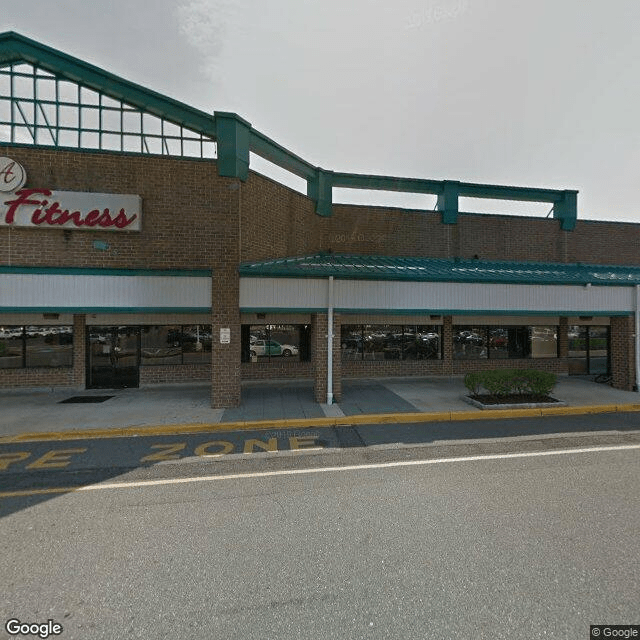
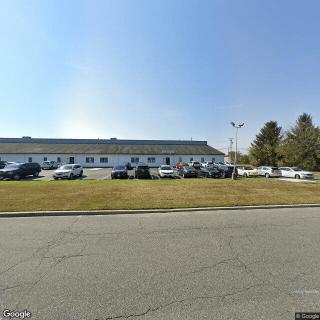
309 Fries Mill Rd, Sewell, NJ 08080
To contact a resident: (856) 589-7723
For more information about senior living options: (866) 208-4318
Overall Review of Communicare Adult Medical Day
Pros
 The staff are wonderful, kind, and dedicated to making life better for those in their care.
- Bus drivers and transportation staff are compassionate, patient, and go above and beyond to help loved ones.
- Families describe Communicare as a godsend and a rock during tough times.
- The center feels welcoming and like home, with warm, honest smiles from the team.
- Residents are happy, engaged, and look forward to returning, thanks to daily activities.
- The facility is clean, accessible, and well-maintained.
- The leadership and nurses are caring, loving, and attentive to each person’s needs.
- Communicare provides reliable support, including funding and transportation, easing family burdens.
- The staff treat loved ones with the highest respect and create a supportive, friendly environment.
Cons
 Her mother did not have a good experience at one of the Active Day Centers.
- His brother's previous program was not good.
- She was uneasy about placing her mother in a facility.
- The owner of the facility is unprofessional.
Review
Communicare Adult Medical Day in the Sewell/Turnersville area is best suited for families seeking a warm, reliable daytime program for older adults who benefit from social engagement, structured activities, and dependable transportation. The community shines when residents need steady routine, gentle supervision, and a staff that communicates openly with families. The reviews consistently highlight friendly nurses, attentive aides, and bus drivers who not only transport safely but contribute to a comfortable, home-like atmosphere. This is not a facility for 24/7 in-patient care, but a daytime hub where seniors can participate in art, bingo, and social time, with caregivers nearby who treat participants with respect and patience.
Alternatives are worth considering for loved ones who require heavier medical oversight, acute memory-care needs, or a setting that feels more clinical. If a relative requires round-the-clock supervision, highly specialized dementia programming, or a facility with stricter clinical protocols, a traditional assisted living or memory-care community may be more appropriate. A minority of voices point to issues in leadership style; for families sensitive to management dynamics, it is prudent to assess how decisions are made, how concerns are handled, and whether the leadership aligns with the family’s expectations for transparency and responsiveness.
On balance, the strongest positives, compassionate staff, reliable transportation, frequent family updates, and a clean, disabled-friendly setting, largely offset the drawbacks. Families repeatedly note that the staff greet every arrival warmly, that nurses stay accessible, and that the bus team personalizes the commute (music, calm routines) to soothe anxious participants. The center’s emphasis on consistent contact with families helps ease caregiver stress, while activities, coloring, bingo, art, provide meaningful engagement that translates into better moods at day’s end. When a concern emerges about management, the obvious counterweight is the depth of daily hands-on care and the proven track record of staff dedication.
Outcomes described by families are consistently positive. Loved ones come home more content and engaged, with many expressing gratitude that their relative looks forward to each day. There is frequent mention of help with funding and transportation, joined by practical supports during transitions and even after a loved one’s passing. The facility’s cleanliness and accessibility, no odor, easy wheelchair navigation, are repeatedly called out as tangible confidence builders. In short, the community tends to deliver on its promise of safety, respect, and companionship, turning what can be a stressful decision into a hopeful, practical arrangement.
For decisional clarity, families should map needs against what Communicare delivers. If the priority is steady social programming, dependable door-to-door transport, and compassionate daily oversight in a home-like setting, this option earns strong consideration. Prospective clients should verify nursing coverage, ask to observe a session, and confirm how often staff communicate with families. Clarify funding options, transportation logistics, and the willingness of staff to accommodate specific interests or routines. Importantly, assess whether the resident’s medical needs may outgrow what a daytime program can safely provide, and be prepared to transition to a higher level of care if necessary. If those checks align, Communicare stands as a compelling choice.
Overall, Communicare Adult Medical Day distinguishes itself in the South Jersey landscape as a top-tier daytime option for seniors who thrive on interaction, routine, and personal attention. Its hallmark is the people, the nurses, counselors, and bus drivers, whose consistent warmth and reliability create a dependable day for residents and peace of mind for families. The main caveat centers on a perception of leadership style for a small subset of reviewers; for most families, this concern is overshadowed by the core strengths: engaging programming, strong transportation, and clear, ongoing family communication. When those elements align with the loved one’s needs and budget, Communicare is a practical, sound choice.
 Board and Care Home
 Philadelphia International (14 miles away)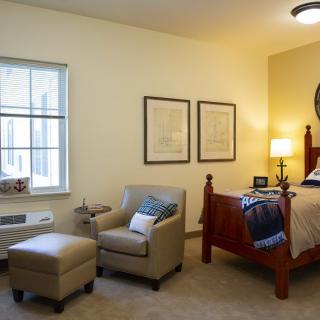



 Comprehensive Guide to Blood Pressure Charts for Older Adults: Understanding Normal and High Readings by Age
 Financing Long-Term Nursing Home Care Through Social Security: A Thorough Exploration
 Essential Knowledge on Pneumonia in Older Adults