United Methodist Communities Pitman

Save

  • Interior

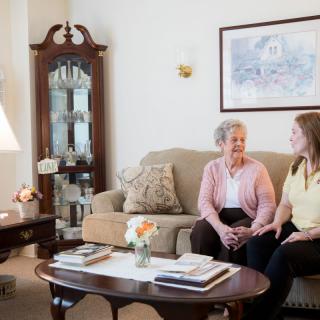
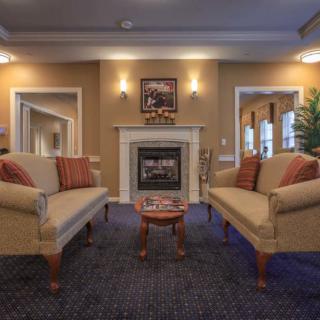
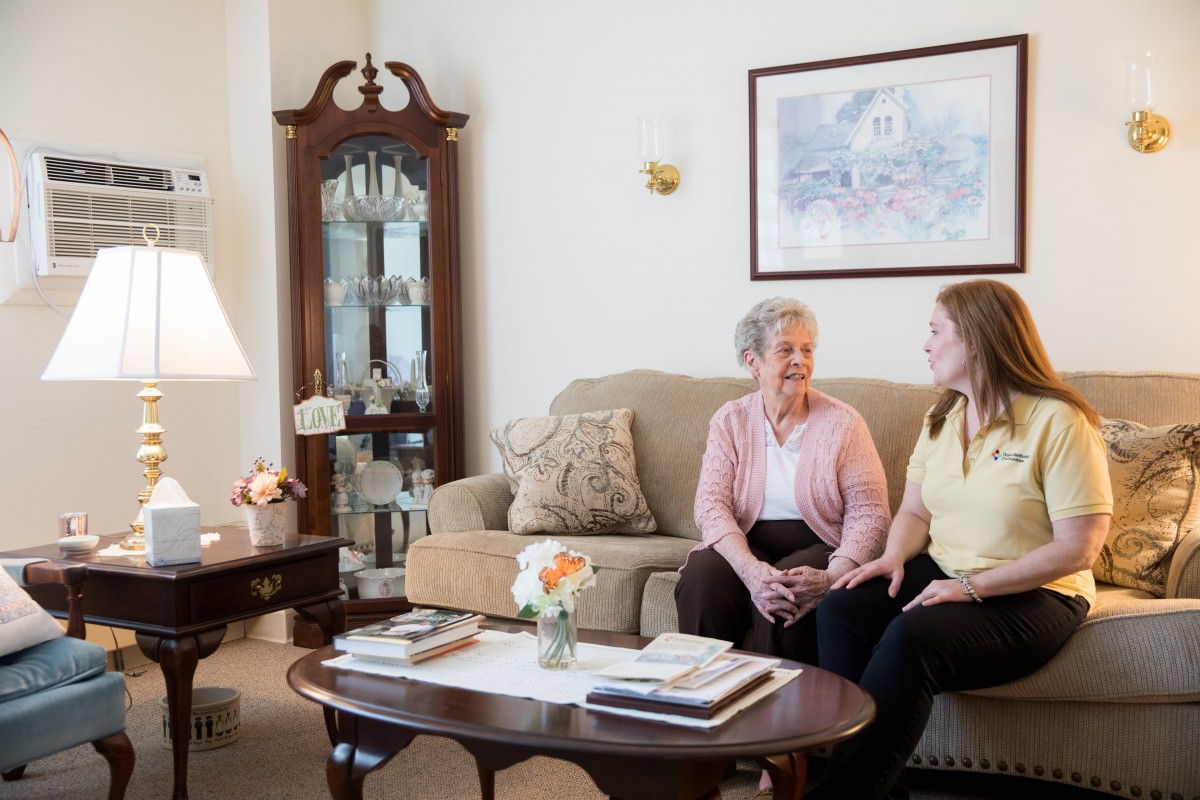
    An elderly woman and a caregiver sitting on a couch in a cozy living room, engaged in conversation.
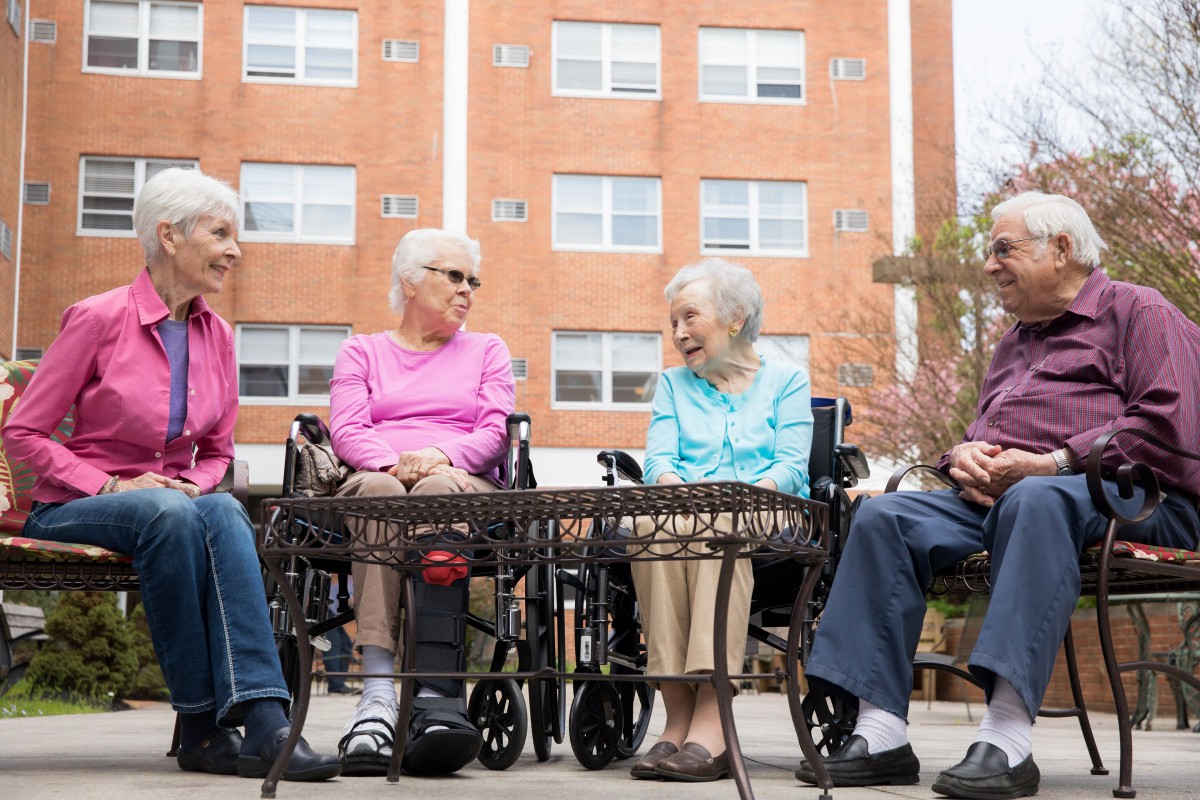
  • Outdoors

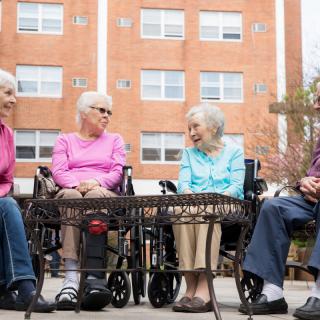
    A group of seniors sitting together outside, engaging in conversation.
  • Decor

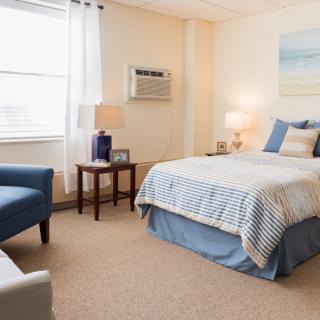
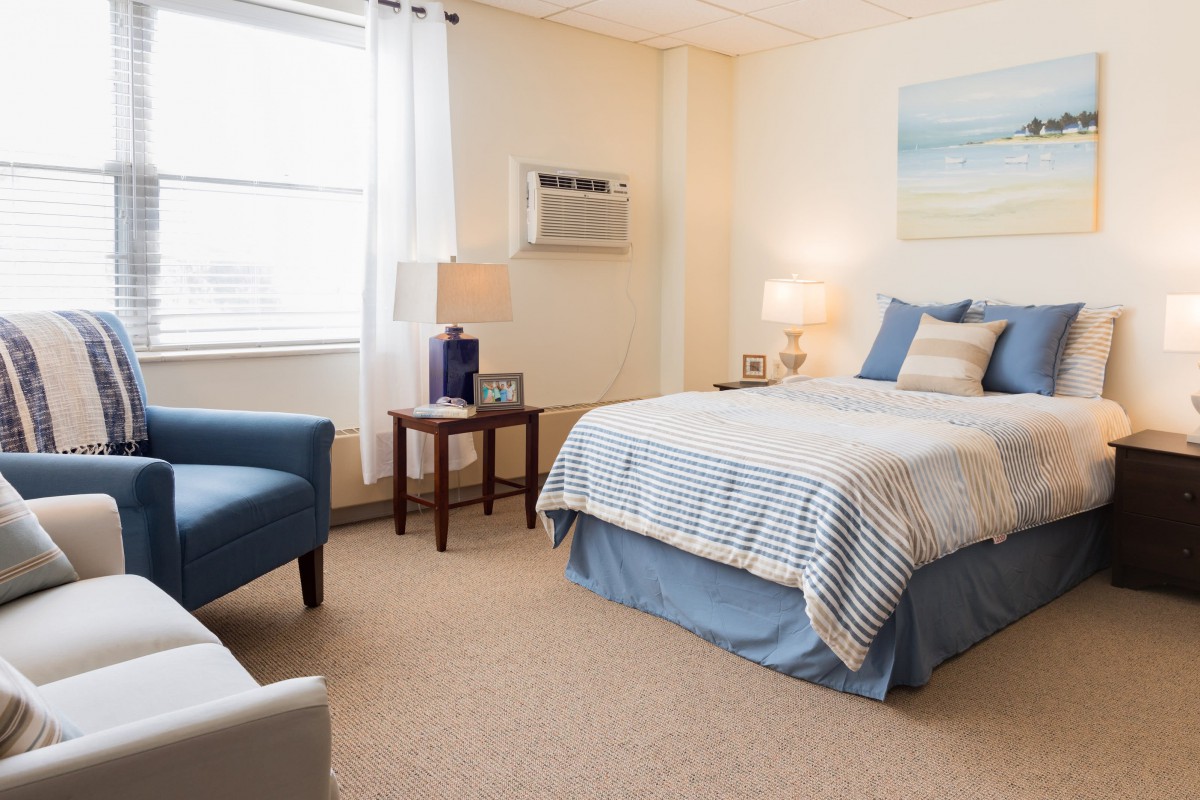
    A cozy bedroom with a neatly made bed and comfortable seating.
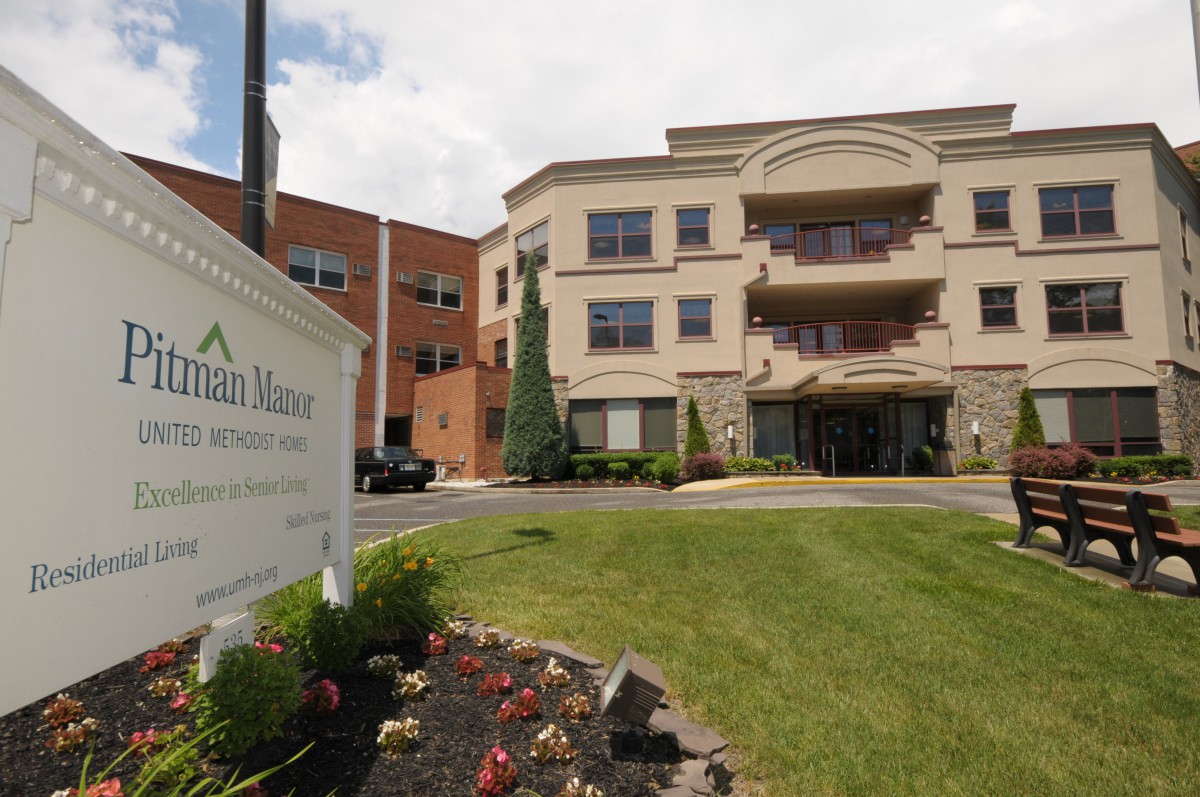
  • Building

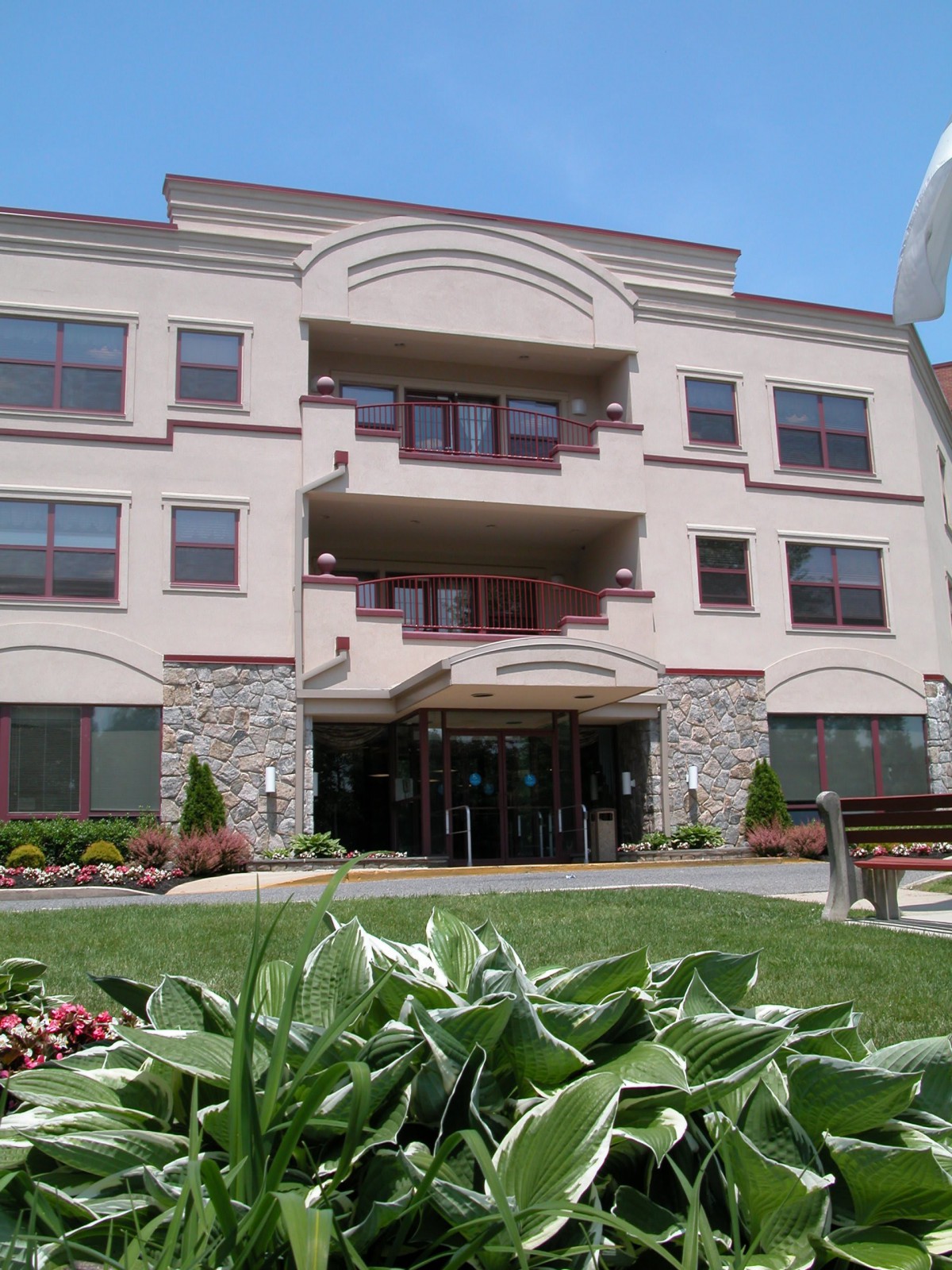
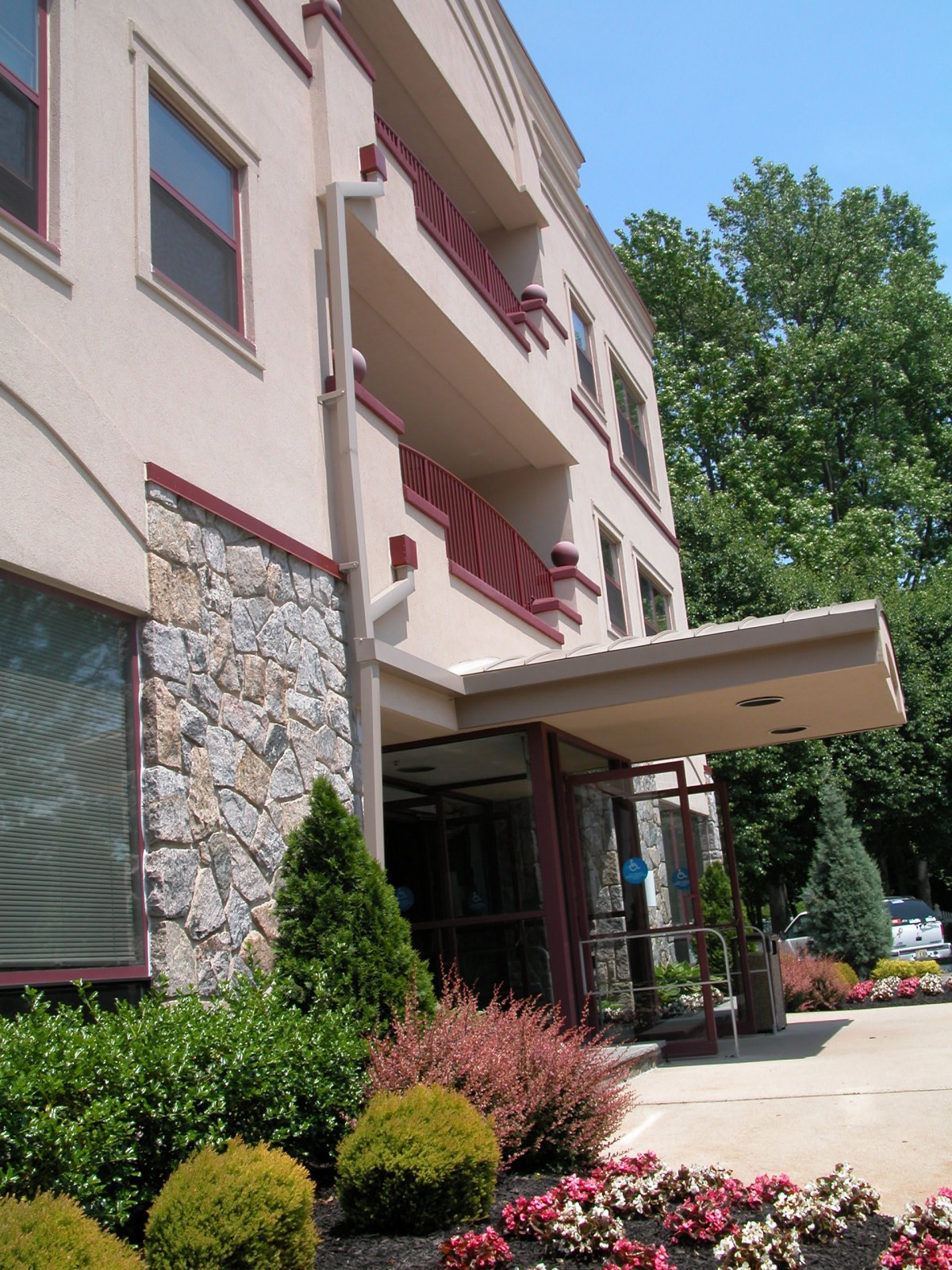
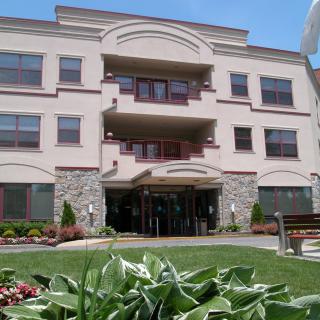
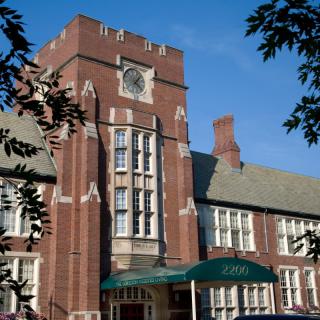
    A multi-story building with a landscaped entrance and garden in the foreground.
  • Architecture

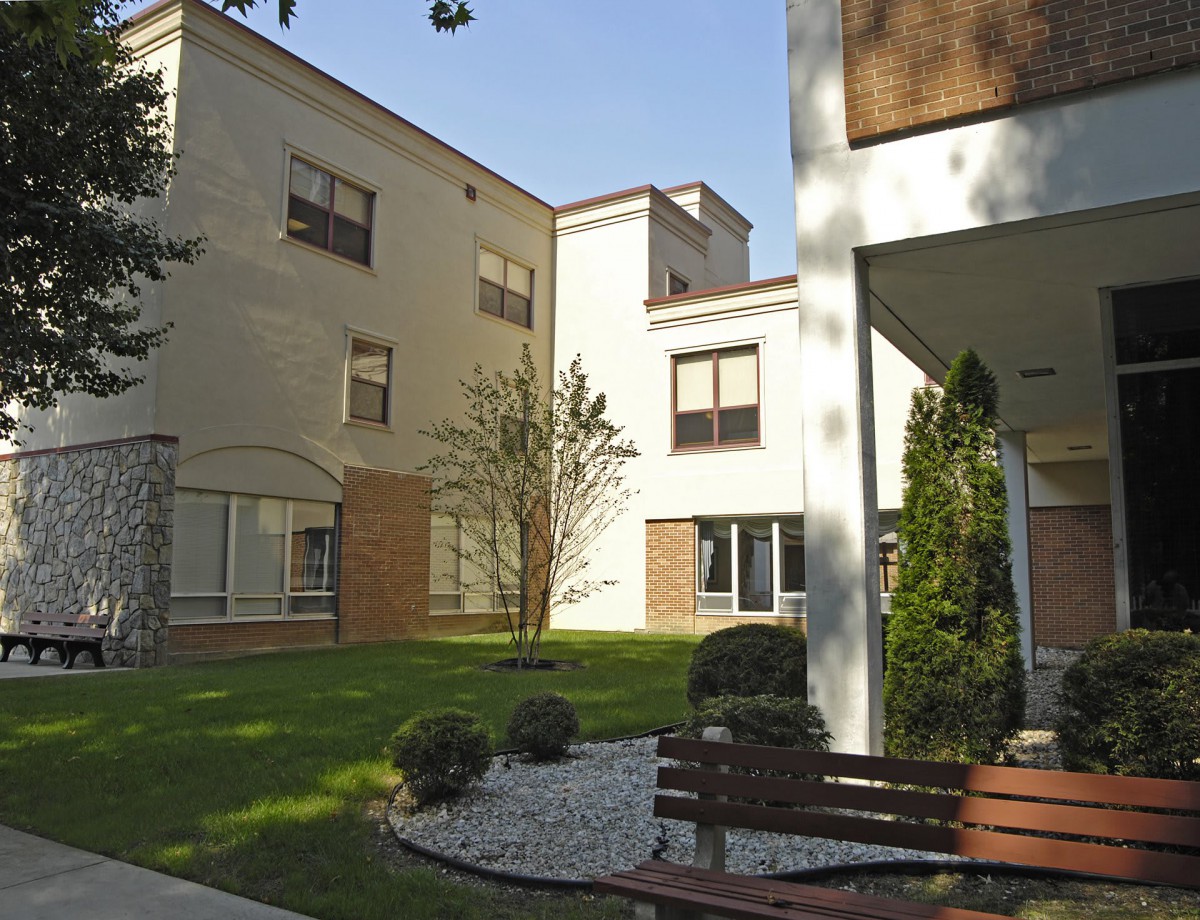
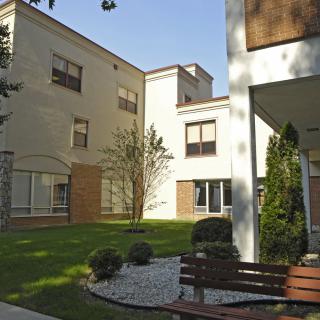
    A view of a courtyard with modern buildings and landscaped greenery.
  • Trees

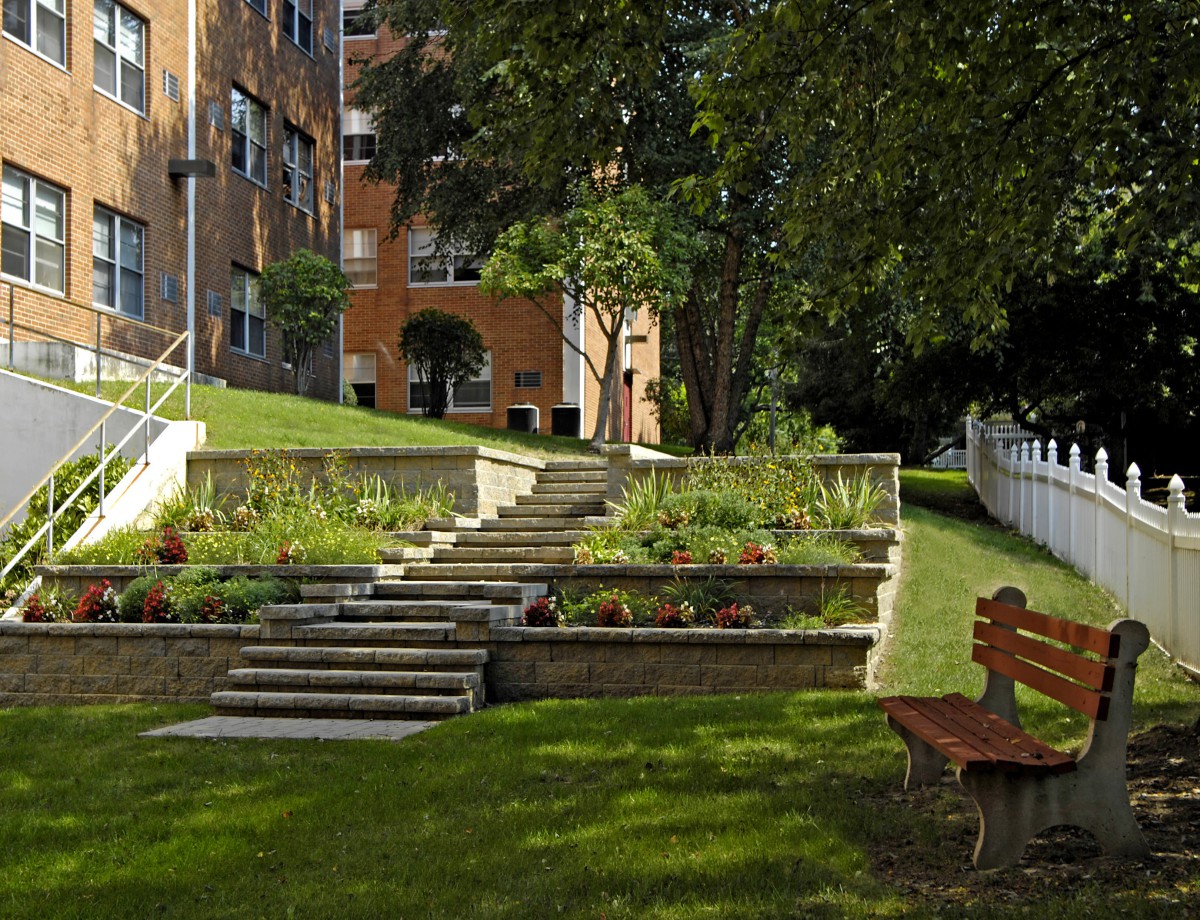
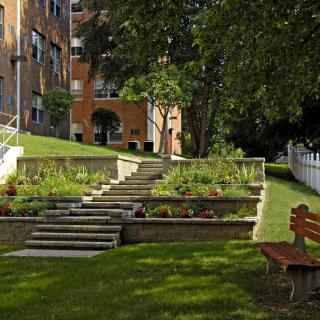
    A serene garden setting with steps leading through lush greenery and benches for relaxation.
  • Landscaping

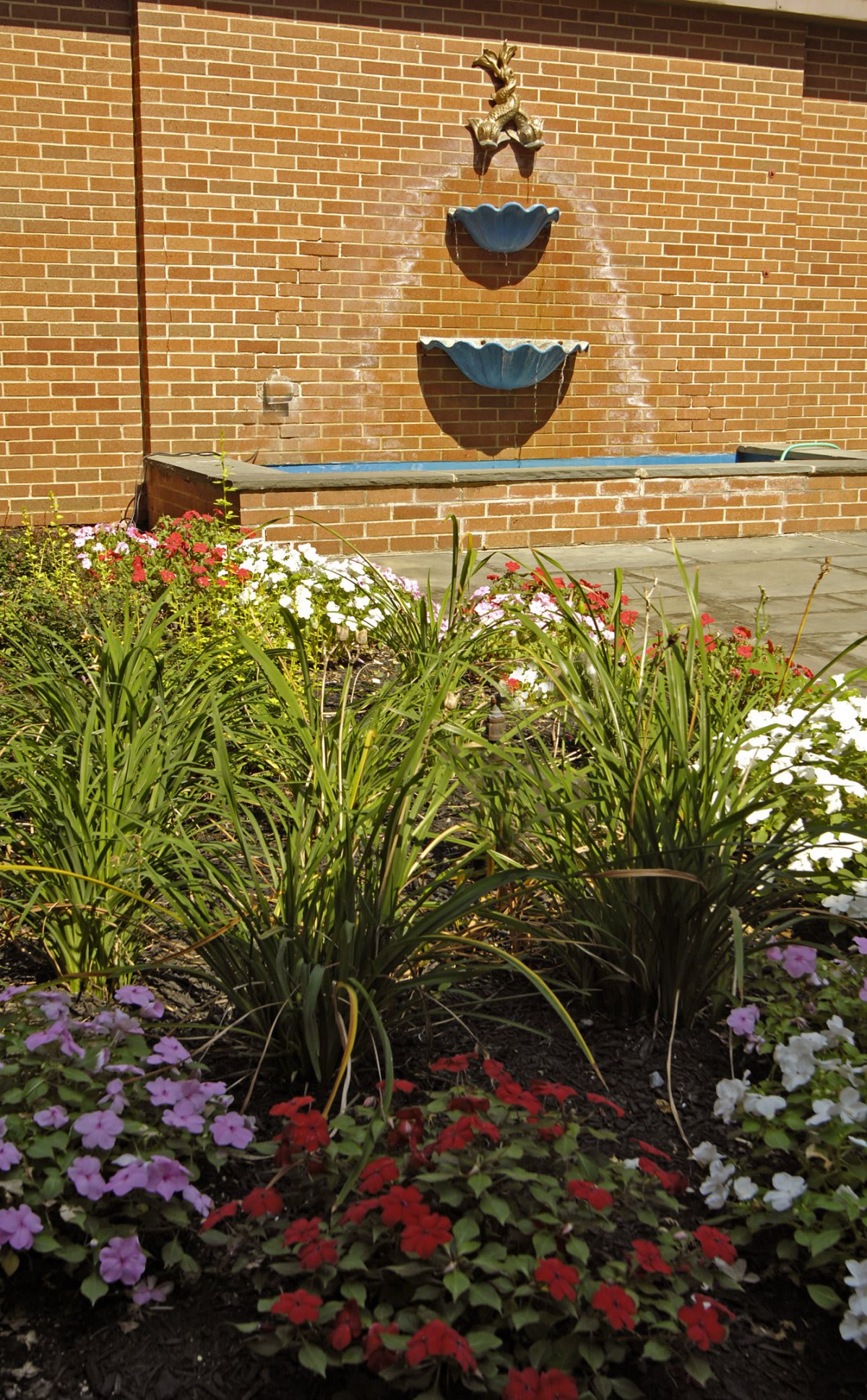
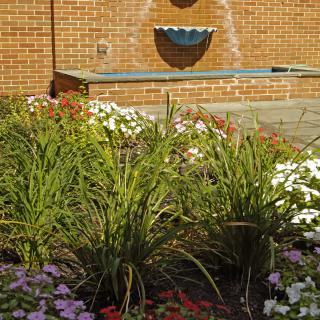
    A vibrant garden with a variety of flowers and a decorative wall fountain.
  • Entrance

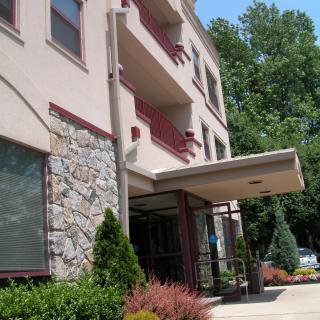
    The exterior of a building with balconies and an entrance awning, surrounded by trees.
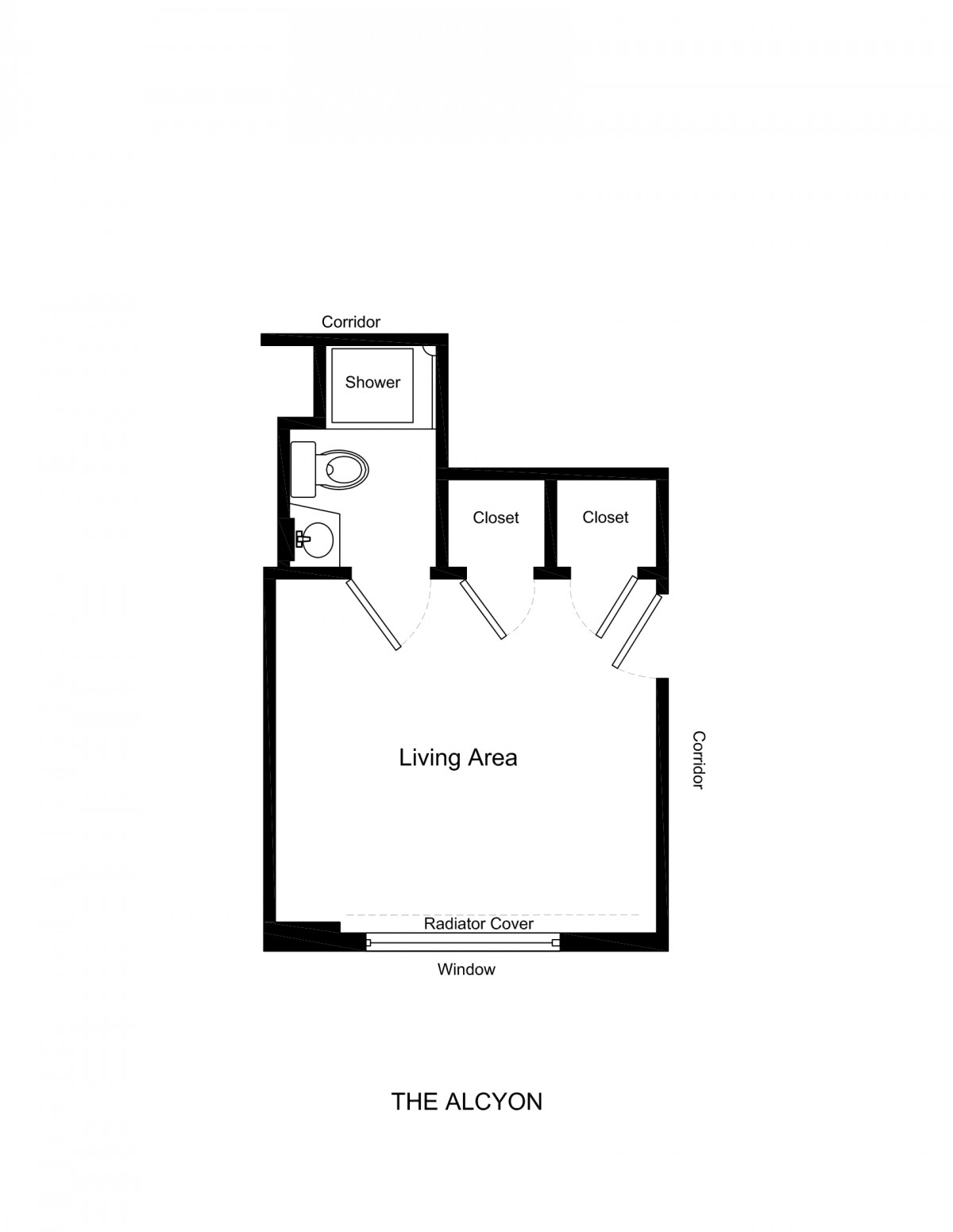
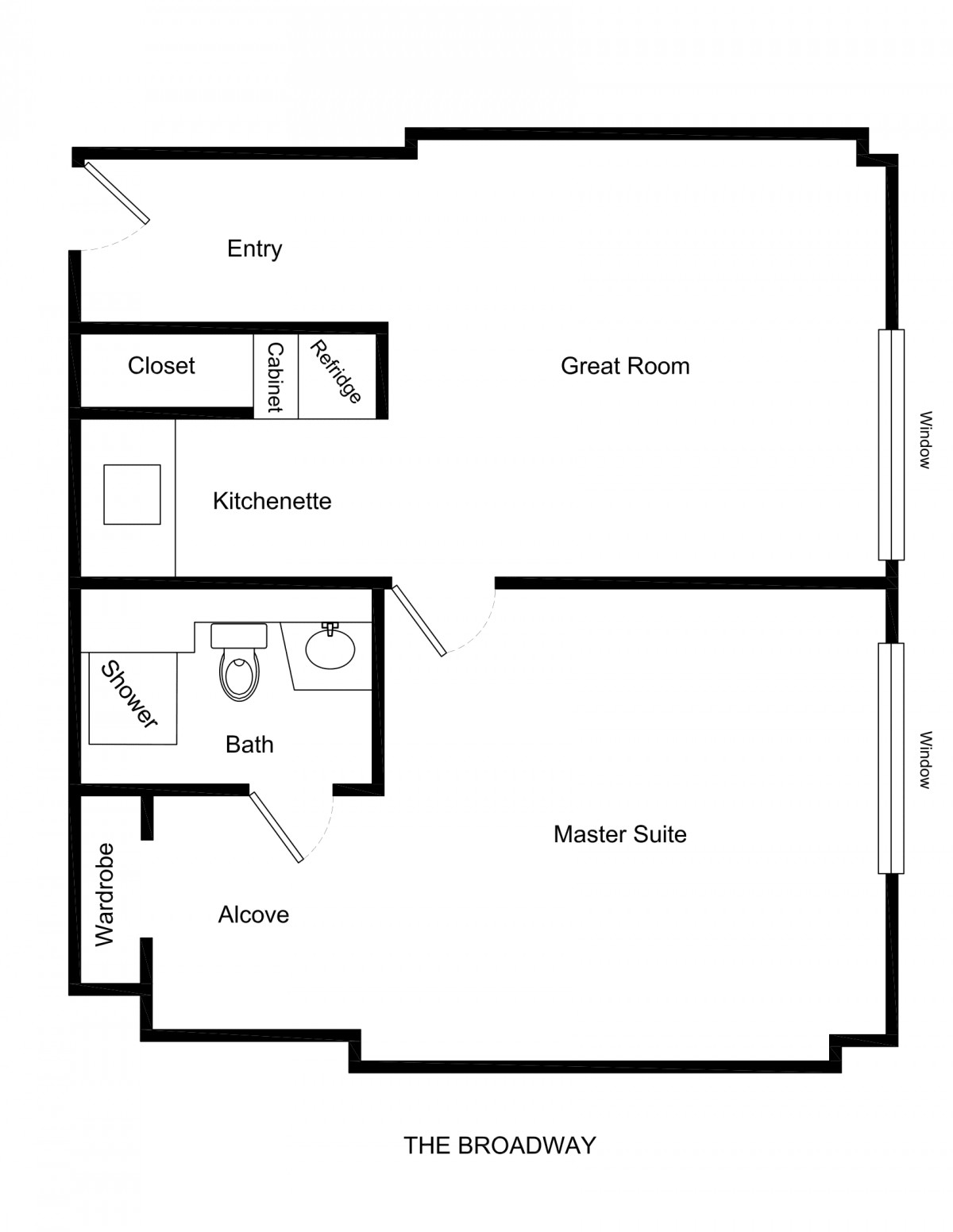
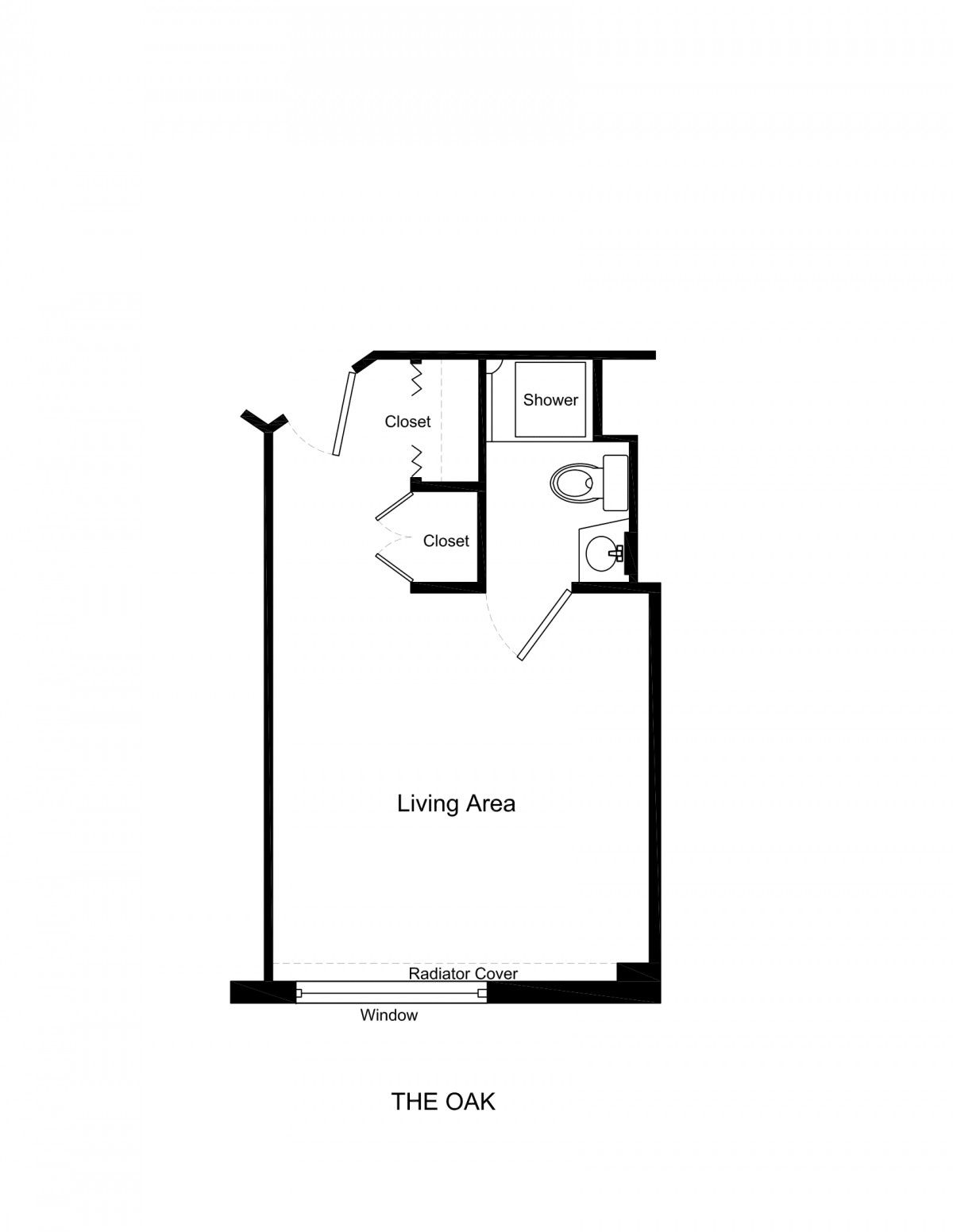
  • Floor Plan

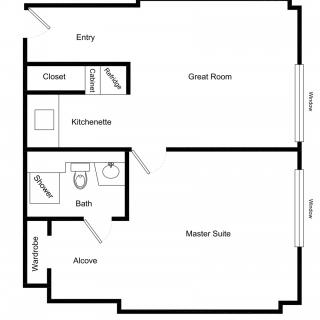
    A simple floor plan layout for a one-bedroom apartment.
  • Exterior

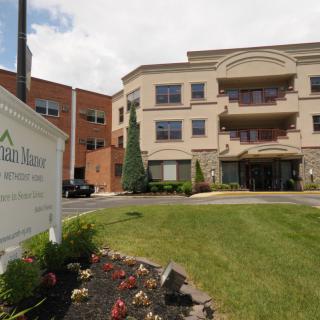
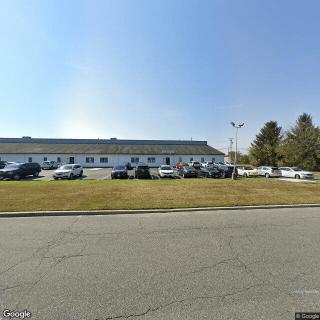
    A hospital building with a sign and landscaped surroundings.
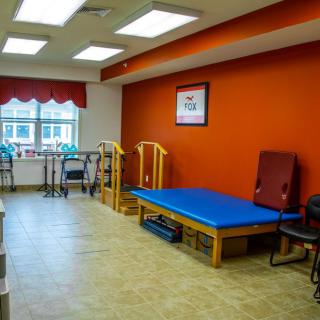
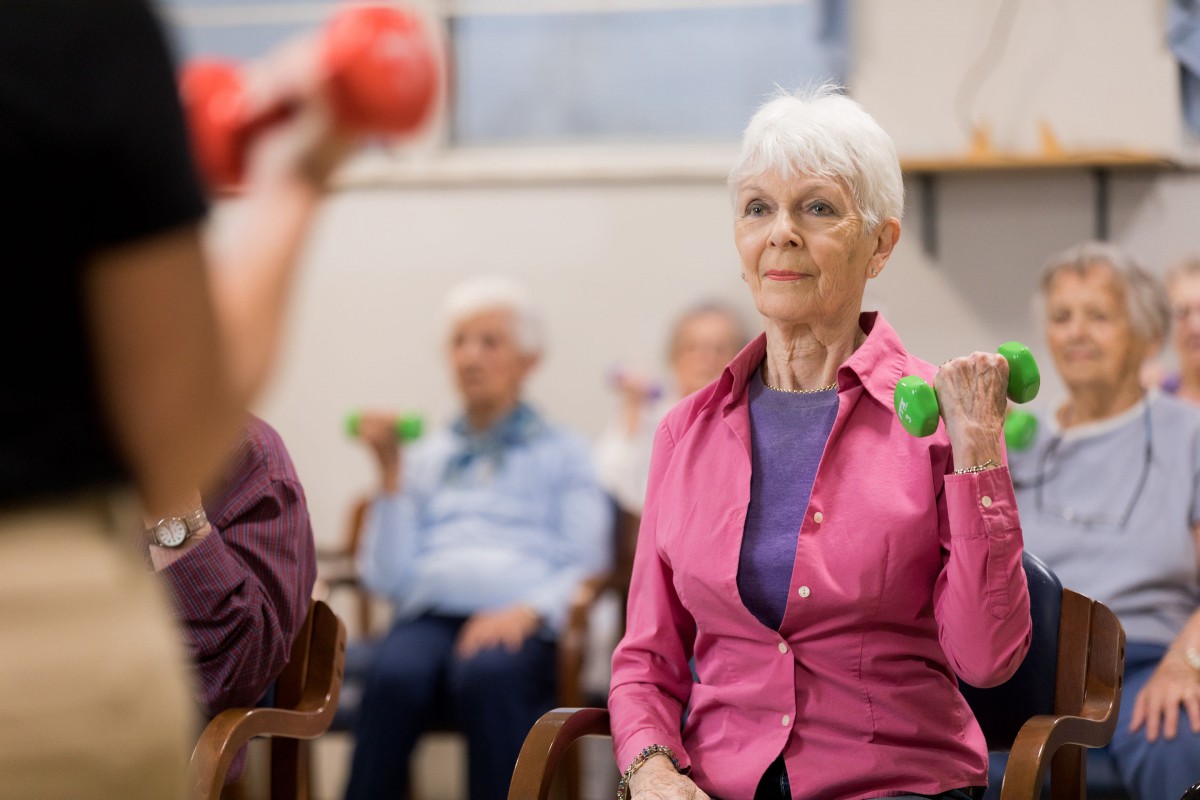
  • Fitness

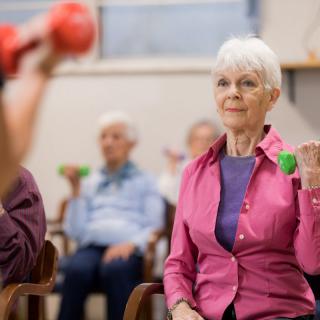
    A group of seniors participating in a fitness class, lifting small weights.

United Methodist Communities Pitman

535 N Oak Ave, Pitman, NJ 08071

For more information about senior living options: (844) 490-3973

4.5 from 139 reviews
5 stars
109
4 stars
11
3 stars
6
2 stars
4
1 stars
9

Assisted Living Memory Care Skilled Nursing Facility

United Methodist Communities Pitman Costs & Pricing

At United Methodist Communities Pitman, residents enjoy competitive pricing for their accommodations compared to the broader market in Gloucester County and New Jersey. The monthly cost of a studio apartment is $3,022, significantly lower than the county average of $4,309 and the state average of $5,286. For those considering a one-bedroom option, the cost at Pitman is $4,563, which remains attractive relative to Gloucester County's average of $4,831 and New Jersey's higher benchmark of $5,994. These options provide an appealing blend of quality living at a more accessible price point within the region.

Floor plansUnited Methodist Communities PitmanGloucester CountyNew Jersey
Studio$3,022$4,309$5,286
1 Bedroom$4,563$4,831$5,994

Overall Review of United Methodist Communities Pitman

Pros

  • pro The staff are friendly, attentive, and genuinely care for residents.
  • pro The facility is clean, well-maintained, and welcoming.
  • pro Residents appear happy and actively engaged in a variety of activities.
  • pro The environment feels like home, and staff treat residents with warmth and respect.
  • pro The memory care units are beautiful, well-staffed, and reassuring for families.
  • pro The dining program is highly praised, with meals described as delicious and restaurant-quality.
  • pro Families feel confident in the care provided and often express gratitude for the staff.
  • pro The location is convenient, offering easy access to downtown and local activities.
  • pro The community maintains a safe, calm, and inviting atmosphere.
  • pro The staff know residents by name and provide personalized, considerate care.
  • pro The atmosphere is described as home-like, with staff and residents forming meaningful connections.
  • pro The facility is recommended by families, reflecting trust and long-term satisfaction.

Cons

  • pro Some staff are too slow.
  • pro Pitman Manor is extremely short-staffed, especially on the nursing floor.
  • pro The facility does as little for the residents as possible.
  • pro The space feels cramped and outdated.
  • pro The food served is overly salty.
  • pro The community is quite expensive for what it offers.

Review

United Methodist Communities Pitman is best suited for seniors who want a warm, active, and faith-informed living environment where staff know residents by name, respond quickly, and foster a strong sense of community. The campus thrives on engagement: a memory care unit that is described as beautifully designed and well-staffed, a variety of on-site amenities such as a gym, salon, and bistro, and a calendar packed with activities that keep residents involved. For couples or residents who value continuity of care across levels (assisted living, rehab, memory care) and a setting that leans into a "home-like" atmosphere, this community often delivers a compelling combination of care quality and social connection.

Those who should consider alternatives include families prioritizing quiet, smaller-scale environments, or budgets that demand tighter controls. Several reviews flag downsides that can be deal-breakers for certain seniors: the complex, four-story layout with limited elevators can feel crowded and confusing; some families report frustration with administrative responsiveness and billing communications; rooms are sometimes described as small or apartment layouts that may not suit every taste. Waiting lists for memory care and the perception of aging infrastructure or stiff pricing further push some families to look at other options. In short, for those seeking a simpler, more low-key or budget-conscious setting, other communities may be a better fit.

The strongest positives of Pitman - staff warmth, cleanliness, and an expansive activity slate - often blunt the impact of its more challenging realities. Residents and families consistently praise the welcoming, caring demeanor of caregivers and the way staff remember individuals' names and stories. Cleanliness is repeatedly highlighted, with compliments on the neat, well-kept environment and well-maintained common spaces. The memory care unit stands out for families seeking specialized support, and the in-house dining and social spaces contribute to a sense of belonging that many residents value highly. For families navigating transitions from rehab to long-term care, the ability to stay within the same community and socialize with peers becomes a meaningful offset to occasional operational hiccups.

However, the cons cannot be ignored, and they do shape the practical calculus. Short-staffing in some shifts and perceptions of understaffed nursing floors surface in a minority of reviews, raising questions about consistent attention during peak hours. Administrative friction, including concerns about communication and billing processes, appears in several accounts and can sour the overall experience even when direct care is strong. The physical plant is sometimes described as outdated or cramped, with a single elevator in a multi-story setting complicating mobility and daily rhythms. Dining can be variable, with some feedback about salt levels and room furnishings that might not satisfy every resident. These factors do not eclipse the care quality, but they do tilt the risk-reward calculation for families prioritizing a smoother administrative ride and a more compact footprint.

For families weighing a decision, practical next steps under this framework are clear. Visit multiple times, preferably at different times of day, to observe how staff interact with residents and how transitions between activities unfold. Speak with front-desk staff, nurses, and the social worker about how care plans are developed and updated, and verify the process for addressing concerns or repairs. Inspect a memory care unit to assess staff ratio, programming, and environmental design; confirm what apartment configurations are available and whether private balconies or larger living spaces exist if desired. Finally, align expectations with budget realities by requesting a transparent breakdown of monthly costs, what services are included, and how price changes are handled over time.

In the end, United Methodist Communities Pitman stands out as a strong choice for families seeking a lively, caring, and spiritually oriented setting with robust rehab and memory-care capabilities. It is a place where the staff's dedication and the sense of community often translate into meaningful improvements in residents' quality of life. Yet the decision should hinge on individual priorities: a preference for a sprawling campus with extensive activities and a strong social network versus a quieter, simpler, potentially more predictable environment; willingness to navigate occasional administrative frustrations versus outright prioritization of cost containment; and the importance placed on a facility's age and layout. For the right resident, Pitman can be a durable, home-like home; for others, a more streamlined or smaller-caliber setting may be the smarter, more comfortable fit.

Features

Housing

  • 1-bedroom apartments 1-bedroom apartments1-bedroom apartments are important for seniors because they provide a sense of independence, privacy, and autonomy while still offering the necessary space for comfortable living. These apartments allow seniors to maintain their own personal space and lifestyle preferences in a supportive community setting.
  • 2-bedroom apartments 2-bedroom apartments2-bedroom apartments are important for seniors because they provide extra space for guests, hobbies, and caregivers, as well as potential for additional income through roommates or rental.
  • Studio apartments Studio apartmentsStudio apartments are important for seniors because they offer a smaller, more manageable living space that is easier to navigate and maintain as physical abilities decline. Additionally, studio apartments provide seniors with independence and privacy while still being part of a community that offers support and social opportunities.

Types of Care

  • Assisted Living Assisted LivingAssisted living facilities provide crucial support and care for seniors who may need help with daily tasks such as medication management, bathing, and meal preparation. These communities offer a safe and comfortable environment where seniors can maintain their independence while receiving the assistance they need to thrive in their golden years.
  • Memory Care Memory CareMemory care is crucial for seniors as it provides specialized support and services for individuals with dementia or Alzheimer's disease. These programs offer a safe and secure environment where residents receive personalized care, cognitive stimulation, and help with daily activities. Memory care helps seniors maintain their independence, quality of life, and dignity while also providing peace of mind for their families.
  • Skilled Nursing Facility Skilled Nursing FacilitySkilled Nursing Facilities are crucial for seniors as they provide round-the-clock medical care, rehabilitation services, and assistance with daily activities. These facilities ensure that seniors receive the specialized care they need to maintain their health and well-being as they age.

Pets

  • Cats allowed Cats allowed"Pet friendly" senior living communities are important for seniors because pets provide companionship, reduce feelings of loneliness and depression, promote physical activity and mental stimulation, and offer a sense of purpose and responsibility. Pets can improve overall well-being and quality of life for seniors in many ways.
  • Dogs allowed Dogs allowed"Pet friendly" senior living communities are important for seniors because pets provide companionship, reduce feelings of loneliness and depression, promote physical activity and mental stimulation, and offer a sense of purpose and responsibility. Pets can improve overall well-being and quality of life for seniors in many ways.

Amenities

  • Activities off-site Activities off-siteEngaging in off-site activities is crucial for seniors to maintain social connections, stay active, and stimulate their minds. It promotes overall well-being and helps combat feelings of isolation and loneliness.
  • Activities on-site Activities on-siteActivities on-site are important for seniors because they provide opportunities for socialization, mental stimulation, physical activity, and overall well-being. Engaging in activities can help seniors stay active, maintain their independence, and improve their quality of life.
  • Air-conditioning Air-conditioningAir conditioning is important for seniors as they are more vulnerable to heat-related illnesses and may have underlying health conditions that make it difficult for them to regulate their body temperature. It helps to keep them comfortable, safe, and healthy in hot weather.
  • Beautician on-site Beautician on-siteHaving a beautician on-site at a senior living community is important for seniors as it allows them to easily access grooming and personal care services, boosting their self-esteem and overall well-being. It also provides convenience and helps seniors maintain their sense of independence and personal style.
  • Cable or satellite TV Cable or satellite TVCable or satellite TV is important for seniors because it provides entertainment, news, and companionship, helping to combat loneliness and boredom. It also offers a wide range of programming options tailored to different interests and preferences.
  • Devotional services off-site Devotional services off-siteDevotional services off-site are important for seniors as they provide spiritual nourishment, social engagement, and a sense of community outside of the senior living facility. This can enhance overall well-being and help combat feelings of isolation and loneliness often experienced by older adults.
  • Devotional services on-site Devotional services on-siteDevotional services on-site provide seniors with spiritual support and a sense of community, as well as an opportunity for reflection and guidance during their senior living experience. This can promote emotional well-being and connection to others, leading to a more fulfilling and enriching lifestyle in their later years.
  • Dining room Dining roomDining rooms are important for seniors as they provide a space for socialization, connection, and nutritious meals. They offer opportunities for residents to bond over shared meals, foster a sense of community, and promote healthy eating habits. Dining rooms also ensure that seniors have access to well-balanced meals tailored to their dietary needs and preferences.
  • Ground floor units Ground floor unitsGround floor units are important for seniors because they provide easy accessibility, reduced risk of falls and injuries, and convenience for those with mobility issues. Seniors can avoid climbing stairs or using elevators, making daily tasks and activities more manageable and enjoyable.
  • Handicap accessible Handicap accessible"Handicap accessible" amenities are crucial for seniors to ensure they can easily navigate and access facilities, services, and activities without barriers or limitations due to physical impairments. This promotes independence, safety, and inclusivity for seniors in senior living communities.
  • Housekeeping services Housekeeping servicesHousekeeping services are important for seniors because they help maintain a clean and safe living environment, promote independence, and reduce the risk of accidents or illnesses. Additionally, having assistance with household chores can alleviate physical strain and allow seniors to focus on other aspects of their well-being.
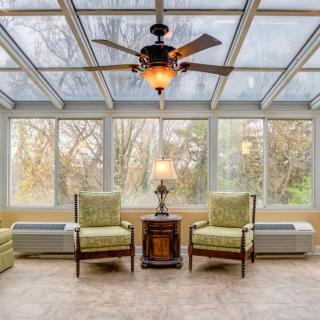
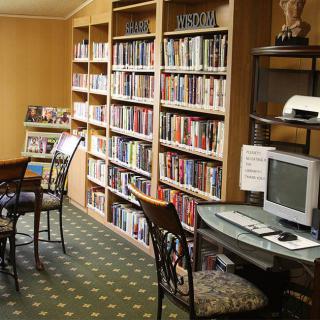
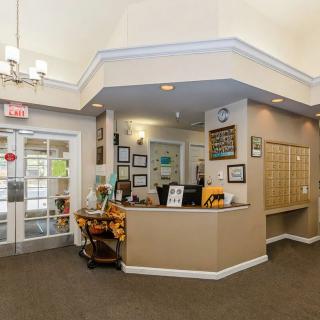
  • Indoor common areas Indoor common areasIndoor common areas are crucial for seniors as they provide a space for socialization, recreation, and community engagement, promoting overall well-being and reducing feelings of isolation and loneliness.
  • Outdoor common areas Outdoor common areasOutdoor common areas are important for seniors as they provide a space for socialization, physical activity, and relaxation. Being outside in nature can improve mood and overall well-being, while also encouraging movement and engagement with others. These spaces can help combat feelings of isolation and promote a sense of community among residents.
  • Respite or short term stays offered Respite or short term stays offeredRespite or short term stays provide seniors with a temporary solution when their regular caregiver is unavailable, offering them the opportunity to receive additional care and support during times of need, while also giving caregivers a chance to rest and recharge.
  • Wi-Fi/high-speed internet available Wi-Fi/high-speed internet availableWi-Fi/high-speed internet is important for seniors to stay connected with loved ones, access online resources, and participate in virtual activities to combat feelings of loneliness and isolation. It also allows them to easily manage healthcare needs, access entertainment, and engage in lifelong learning opportunities.

Transportation

  • Philadelphia International (11 miles away) Philadelphia International (11 miles away)

Care Services

  • Ambulatory care Ambulatory care"Ambulatory care services provide essential medical support and treatment to seniors without requiring hospitalization, allowing them to maintain their independence and quality of life while managing chronic conditions or receiving routine medical care."
  • Diabetic care Diabetic careDiabetic care is crucial for seniors as they are more susceptible to developing diabetes due to aging and other health conditions. Proper management of diabetes can help prevent complications such as heart disease, vision loss, and nerve damage, improving the overall quality of life for seniors in senior living communities.
  • High acuity care High acuity careHigh acuity care is important for seniors because it provides specialized medical attention and support for individuals with complex medical needs. This level of care ensures that seniors receive the appropriate treatment and assistance to maintain their health and quality of life as they age.
  • Incontinence care Incontinence careIncontinence care is essential for seniors to maintain their dignity, hygiene, and overall quality of life. By addressing incontinence issues promptly and effectively, seniors can enjoy a sense of independence and comfort in their daily activities.
  • Medication management Medication managementMedication management is crucial for seniors to ensure they are taking the right medications at the correct dosages and times. This helps prevent adverse drug interactions, reduces the risk of medication errors, and promotes overall health and well-being. Proactive management also allows for adjustments as needed based on changing health conditions or new prescriptions.

Dining

  • Gluten-free Gluten-freeGluten-free options are important for seniors as they are more prone to digestive issues and dietary sensitivities. Offering gluten-free meal choices in senior living communities can help improve their overall health and well-being.
  • Guest meals Guest mealsGuest meals are important for seniors living in senior living communities because they provide an opportunity for socialization and companionship. Sharing a meal with friends, family, or new acquaintances can help combat feelings of loneliness and isolation, promote a sense of community, and enhance overall well-being. Additionally, guest meals allow seniors to enjoy delicious food in a comfortable setting without the hassle of cooking or cleaning up, making dining a pleasurable and stress-free experience.
  • Kosher KosherKosher options are important for seniors because they adhere to dietary laws that are significant to many Jewish individuals, providing them with peace of mind and an opportunity to maintain their cultural traditions and beliefs while living in a senior living community.
  • Low / no sodium Low / no sodiumLow/no sodium options are important for seniors because excessive sodium intake can lead to high blood pressure, heart disease, and other health issues commonly experienced by older adults. By choosing low/no sodium foods, seniors can better manage their health and reduce their risk of developing these conditions.
  • Meals provided Meals provided"Meals provided" are crucial for seniors in assisted living communities as it ensures they have access to nutritious, balanced meals without the stress of meal planning and preparation. This can help promote overall health and well-being for seniors who may have limited mobility or cognitive abilities.
  • No Sugar No SugarNo sugar diets are important for seniors because they can help prevent or manage chronic conditions such as diabetes, heart disease, and obesity. Sugar can also contribute to cognitive decline and inflammation in the body, so reducing sugar intake can lead to overall improved health and well-being in older adults.
  • Organic OrganicOrganic foods are important for seniors because they contain fewer chemicals and pesticides, which can be harmful to aging bodies. Additionally, organic foods often have higher nutrient levels, making them a healthier choice for maintaining overall well-being in older adults.
  • Professional chef Professional chefProfessional chefs are important for seniors living in senior living communities because they provide nutritious and delicious meals that cater to their dietary needs and preferences. A professional chef can ensure that seniors are receiving balanced, flavorful meals that support their overall health and well-being.
  • Restaurant style dining Restaurant style diningRestaurant style dining is important for seniors as it offers them a social and enjoyable dining experience, promotes healthy eating habits, and provides personalized menu options to cater to their dietary needs and preferences. This type of dining setting can enhance their overall quality of life and create a sense of community within the senior living facility.
  • Room service Room serviceRoom service is important for seniors in a senior living community because it provides convenience and allows them to have their meals delivered directly to their room. This can be especially beneficial for seniors who may have mobility issues or difficulty accessing the dining area. Room service ensures that seniors are able to receive nutritious meals without having to navigate through the facility, allowing them to maintain their independence and overall well-being.
  • Special dining programs Special dining programsSpecial dining programs are important for seniors because they provide nutritious meals tailored to their dietary needs and preferences. These programs also offer socialization opportunities, promote overall health and well-being, and can help prevent malnutrition.
  • Vegan VeganVegan diets can provide numerous health benefits for seniors, including lower risk of chronic diseases, improved digestion, and increased energy levels. Additionally, plant-based diets are often rich in essential nutrients that can support overall well-being and longevity in older adults.
  • Vegetarian VegetarianA vegetarian diet is important for seniors because it can help lower the risk of chronic diseases, maintain a healthy weight, and provide essential nutrients needed for aging bodies. Additionally, plant-based diets are often easier on digestive systems and can contribute to overall well-being in older adults.

Activities

  • Bible study group Bible study groupBible study groups provide seniors with a sense of community, spiritual growth, and support during their later years. It helps them stay connected to their faith, find comfort in difficult times, and build meaningful relationships with others.
  • Catholic services Catholic servicesCatholic services are important for seniors because they provide spiritual support, a sense of community, and opportunities for social interaction that can enhance overall well-being and quality of life in their later years.
  • Day trips and outings Day trips and outingsDay trips and outings are important for seniors as they provide opportunities for socialization, mental stimulation, physical activity, and a break from daily routines. These experiences can enhance overall well-being and quality of life for older adults living in senior communities.
  • Devotional activities offsite Devotional activities offsiteDevotional activities offsite are important for seniors because they provide social engagement, spiritual growth, and a sense of community outside of their living environment. This can improve overall well-being, mental health, and combat feelings of isolation or loneliness.
  • Devotional activities on-site Devotional activities on-siteDevotional activities on-site provide seniors with a sense of community, spiritual fulfillment, and emotional support, promoting overall well-being and a positive sense of purpose in their lives.
  • Light therapy programs Light therapy programsLight therapy programs are important for seniors because they can help improve mood, regulate sleep patterns, and reduce symptoms of depression and anxiety. Exposure to natural light can also have positive effects on cognitive function and overall well-being in older adults.
  • Protestant services Protestant servicesProtestant services are important for seniors because they provide spiritual nourishment, community support, and a sense of belonging. These services can help seniors connect with others who share their faith, find comfort and guidance in times of need, and maintain a sense of purpose and fulfillment in their later years.
  • Religious services Religious servicesReligious services provide seniors with a sense of community, support, and spiritual fulfillment, which can improve their overall well-being and mental health. It also offers them opportunities for socialization and connection with others who share their beliefs.
  • Stretching classes Stretching classesStretching classes are important for seniors because they help improve flexibility, reduce the risk of injury, and promote overall health and well-being. Regular stretching can also help alleviate joint pain and stiffness, enhance balance and coordination, and increase range of motion.
  • Tai Chi Tai ChiTai Chi is important for seniors because it promotes balance, strength, flexibility, and mental relaxation. It can help prevent falls, improve mobility, and reduce stress and anxiety, making it an excellent form of exercise for older adults to maintain their overall health and well-being.
  • Visiting chaplain or priest Visiting chaplain or priestHaving a visiting chaplain or priest at a senior living community is important for seniors because it provides spiritual support, comfort, and guidance during a time of life that can be challenging and uncertain. Their presence can help seniors feel connected to their faith, find peace of mind, and cope with the emotional and mental struggles they may face in their later years.
  • Yoga / chair yoga Yoga / chair yogaYoga and chair yoga are important for seniors as they promote flexibility, balance, strength, and overall wellbeing. These practices can help improve mobility, reduce stress, and enhance mental clarity, ultimately leading to a higher quality of life in their senior years.

Languages Spoken

  • English EnglishEnglish is important for seniors as it allows them to communicate effectively with healthcare providers, understand important information related to their health and medications, stay connected with loved ones, and engage in social activities within their communities. It also opens up opportunities for lifelong learning and intellectual stimulation.

Description

United Methodist Communities Pitman is a well-equipped and modern assisted living community located in the charming town of Pitman, NJ. Our community offers a range of housing options, including spacious 2-bedroom apartments and cozy studio apartments to accommodate different preferences and needs.

At United Methodist Communities Pitman, we provide various types of care to cater to the unique needs of our residents. Our Memory Care program is specifically designed for individuals with memory impairment conditions such as Alzheimer's or dementia, ensuring their safety and comfort. Additionally, we offer Skilled Nursing Facility services to support those requiring more advanced medical care and assistance.

We prioritize our residents' well-being by providing an array of amenities within our community. Our residents can engage in stimulating activities on-site or enjoy some quiet time in our indoor common areas or outdoor spaces. We have air-conditioning throughout the facility to ensure comfort during hot summer days. The convenience of having a beautician on-site allows our residents to easily maintain their personal appearance.

For spiritual well-being, we offer both devotional services on-site and opportunities for off-site religious activities. Residents can enjoy delicious meals prepared by our professional chef in our restaurant-style dining room, which caters to various dietary requirements including Kosher, low/no sodium, no sugar, organic, vegan, and vegetarian options.

Our dedicated staff provides exceptional care services such as diabetic care, high acuity care for complex medical conditions, medication management, and incontinence care. Housekeeping services keep the apartments clean and tidy so that residents can focus on enjoying their time at United Methodist Communities Pitman.

In terms of nearby amenities, there are several parks where residents can enjoy nature walks or picnics. We also have numerous pharmacies conveniently located nearby for easy access to medications. Residents can easily schedule appointments with physicians who are located within close proximity. Additionally, there are several restaurants offering diverse culinary options just a short distance away.

At United Methodist Communities Pitman, our goal is to create a warm and inviting environment where residents can live comfortably while receiving the care they need. With a focus on personalized care, engaging activities, and convenient amenities, we strive to enhance the overall well-being of our residents and provide them with an exceptional assisted living experience.

Nearby Places of Interest

Located in Pitman, New Jersey, this neighborhood offers a variety of amenities suitable for senior living. Within a short distance, there are multiple pharmacies such as Rite Aid and CVS Pharmacy for easy access to medications. Nearby restaurants like Peking Buffet and Landmark Americana Tap & Grill provide dining options for every taste. Washington Lake Park offers a scenic outdoor space for leisurely walks and relaxation. For medical needs, there are reputable physician practices like Phila Gastroenterology Group and Advocare West Deptford Pediatrics within a reasonable driving distance. Places of worship such as St Charles Boromeo Catholic Church are also conveniently located nearby. Additionally, transportation options via PATCO/NJ Transit provide easy access to neighboring areas, making this neighborhood a convenient and comfortable choice for senior living in Pitman.

Pharmacies

  • Rite Aid (0.9 miles)
  • CVS Pharmacy (1.5 miles)
  • Walgreens (2.5 miles)
  • CVS Pharmacy (3.2 miles)
  • Rite Aid (3.3 miles)
  • Walgreens (3.6 miles)
  • Walgreens (4.3 miles)

Restaurants

  • Peking Buffet (1.6 miles)
  • Chick-Fil-A (1.6 miles)
  • Landmark Americana Tap & Grill (2.5 miles)
  • P J Whelihans's Pub (3.8 miles)
  • Wendy's (6.1 miles)
  • McDonald's (6.2 miles)
  • Cinder Bar (6.5 miles)

Parks

  • Washington Lake Park (2.4 miles)

Physicians

  • Phila Gastroenterology Group (4 miles)
  • Internal Medicine Associates of Southern New Jersey (4.7 miles)
  • Altman & Gerety Family Medical Associates (4.8 miles)
  • Orthopedic Surgery & Sports Medicine (5.5 miles)
  • Regional Orthopedics (5.6 miles)
  • Advocare West Deptford Pediatrics (6.5 miles)
  • Prate Family Eye Care (7.7 miles)

Places of Worship

  • St Charles Boromeo Catholic Church (5.5 miles)

Theaters

  • Regal Ua Washington Township (6 miles)

Cafes

  • Starbucks (6.8 miles)
  • Panera Bread (7.6 miles)
  • Starbucks (7.6 miles)

Hospitals

  • Jefferson Stratford Hospital (9.3 miles)

Transportation

  • PATCO/NJ Transit: Lindenwold Station (9.8 miles)
  • Taxiway N (10.4 miles)
  • Terminal C (11 miles)
  • Terminal D (11.1 miles)
  • United Club (11.1 miles)
  • TSA Security Checkpoint C (11.1 miles)
  • American Airlines Admirals Club (11.1 miles)

Frequently Asked Questions

How much does it cost to live at United Methodist Communities Pitman in Pitman, NJ?
What floor plans and room types does United Methodist Communities Pitman offer?
Where is United Methodist Communities Pitman?
Does United Methodist Communities Pitman provide care for residents with dementia or Alzheimer's disease?
Does United Methodist Communities Pitman allow residents to have pets?
What photos are available for United Methodist Communities Pitman in Pitman, New Jersey?

Nearby Communities

  • United Methodist Communities At Pitman

    United Methodist Communities At Pitman

    Pitman, NJ

    4.5 from 114 reviews
     

    pro Caring staff in a warm, engaging community with varied activities.
  • DePaul Health Care

    DePaul Health Care

    Sewell, NJ

    1 from 1 review
    $5,610 / month

    pro Personalized care with social activities and easy access to amenities.

  • Terraces at Parke Place

    Terraces at Parke Place

    Sewell, NJ

    4.3 from 55 reviews
    $4,950 to $7,380 / month

    pro Friendly staff in a clean, activity-rich environment with good meals.

  • Parke Place

    Parke Place

    Sewell, NJ


    pro Small, intimate 6-resident community with on-site meal prep and medication management, plus convenient access to nearby parks, pharmacies, physicians, restaurants, and a place of worship.

  • Parke Place Community

    Parke Place Community

    Sewell, NJ

    5 from 1 review
    $2,700 to $3,000 / month

    pro Affordable pricing with a well-connected location near parks, pharmacies, clinics, restaurants, worship, and theaters.

  • The Village at Country Gardens

    The Village at Country Gardens

    Sewell, NJ


    pro Small, intimate community with personalized care and easy access to nearby healthcare and services.

  • All American Assisted Living at Washington Township

    All American Assisted Living at Washington Township

    Sewell, NJ

    4.4 from 66 reviews
    $4,050 to $7,600 / month

    pro Friendly, attentive staff in a warm, activity-filled environment.

  • The Village Grande at Camelot

    The Village Grande at Camelot

    Glassboro, NJ


    pro Personalized care with meal preparation and medication management, plus Wi-Fi access and nearby parks, pharmacies, and dining options.

  • Mullica Gardens Assisted Living

    Mullica Gardens Assisted Living

    Mullica Hill, NJ

    4.5 from 30 reviews
    $5,520 to $5,790 / month

    pro Caring staff in a clean, home-like setting with good dining.

Related Resources

  • assisted living vs memory careAssisted Living and Memory Care: Understanding Their Core Differences

    Assisted living provides moderate support for seniors seeking independence, while memory care offers specialized support for individuals with dementia or cognitive impairments through structured routines and trained staff. Key differences include care approaches, environment security measures, staff training levels, activity types, and cost considerations.

  • assisted living vs nursing homeChoosing the Right Senior Care: A Detailed Exploration of Assisted Living and Nursing Homes

    Choosing between assisted living and nursing homes involves evaluating emotional and financial factors, with assisted living offering independence and support for daily activities at a lower cost, while nursing homes provide intensive medical care for individuals with significant health needs. The decision is influenced by personal preferences, health status, cognitive function, and varying Medicaid coverage across states.

  • how to prevent memory loss in old ageSafeguarding Your Memory Through the Golden Years: Eight Ways to Preserve Cognitive Health
    The article presents eight strategies for preserving cognitive health and memory in older adults, emphasizing a nutrient-rich diet, regular exercise, intellectually stimulating activities, adequate sleep, social connections, stress management techniques, limiting harmful substances, and regular medical checkups to mitigate age-related memory decline.