
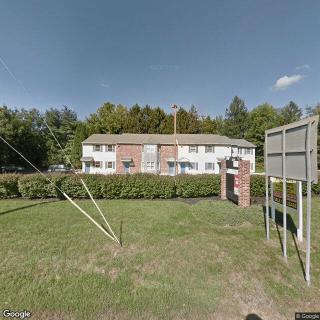
101 Lindale Drive, Mt. Laurel, NJ 08054
For more information about senior living options: (866) 208-4318
Overall Review of The Renaissance Club
Pros
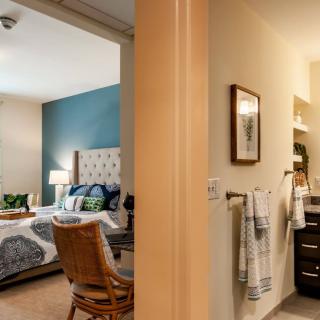
 The ambiance is enjoyable.
- It is well maintained.
- It has a great Board of Directors.
- It is close to everything.
- It is in a safe area.
- The neighbors are caring, considerate, and respectful, and look out for residents on multiple levels.
Cons
 The association refuses to plow snow in the winter.
- In the summer, the grass is unkempt.
- No one at the association can be reached.
- The snow removal contractors are charging residents to remove snow properly.
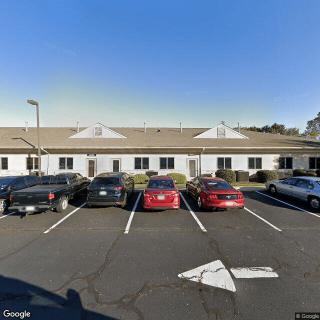
- The parking lot is a disgrace with potholes everywhere.
- Residents have to shovel their own walkways or around cars to access the apartments whenever it snows.
- The pool has not opened yet (as of July 10).
- The management ought to be ashamed.
Review
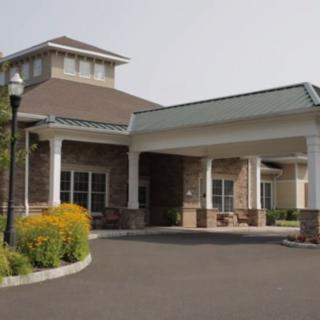
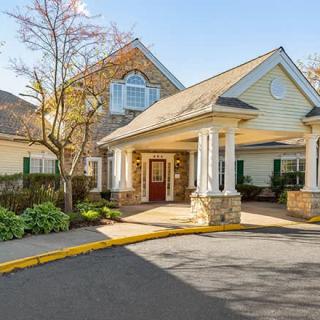
The Renaissance Club in Mt. Laurel is best suited for independent seniors who want a tight-knit, neighborly atmosphere with solid maintenance and a favorable location. The community earns its strength from residents who describe caring, respectful neighbors and a safety-conscious area, paired with a well-kept property and an actively engaged board. For those who want social opportunities, organized governance, and a sense of belonging more than clinical care, this setting delivers. It functions as a vibrant, HOA-managed enclave where daily life benefits from nearby conveniences and a visible commitment to upkeep, but it is not pitched as a high-touch assisted-living option. Those who prize a lively social fabric and straightforward, self-directed living will find this environment compelling.
At the same time, potential residents should explicitly consider alternatives if reliable, highly responsive management and flawless outdoor maintenance are non-negotiables. Those who require consistent, prompt snow removal and hazard-free walkways will want to compare options where winter maintenance is prioritized with clear accountability. The pool, a sought-after amenity in many communities, matters for some, and the current chatter about delays in opening signals that not all residents can count on immediate access to all features. In short, if the expectation is flawless amenity operation, transparent communication with the association, and a rock-solid plan for all-weather accessibility, a different community may be a wiser starting point.
The strongest pros, ambiance, well-maintained grounds, and a governance structure that residents praise, generate real value. A robust Board of Directors and the surrounding safety of the neighborhood help sustain a sense of security and trust in common-area oversight. Proximity to shops, services, and transport nodes reduces daily friction and makes routine errands smoother, an advantage that compounds the social benefits of living among neighbors who watch out for one another. The positive resident tone regarding neighborly care adds a practical layer of support, particularly for seniors who value informal assistance and social accountability. Taken together, these factors translate into a livable, almost turnkey-feel experience for those who can navigate sporadic maintenance hiccups.
Yet the most consistently troubling notes center on maintenance and communication gaps. Snow removal has been described as unacceptable at times, with reports of residents needing to clear walks and around cars to access apartments, and concerns about contractors charging residents to do essential plowing. Summer upkeep is not uniformly flawless either, with mentions of unkempt grass and a parking lot marred by potholes. Access to association contacts can be frustrating, creating a sense of isolation when problems arise. These issues arenā€™t minor gaps; they touch daily safety, mobility in winter, and the overall reliability residents depend on for peace of mind. Such a combination can quickly erode confidence if not actively addressed.
For prudent decision-making, the due-diligence checklist should be practical and pointed. Prospective residents should verify the current status of the pool and any planned openings, ask for a concrete maintenance schedule for exteriors and common areas, and seek a transparent explanation of who manages snow removal, including response times and any resident costs. It is essential to request governance documents, financial reserves, and recent remediation actions to assess long-term solvency and commitment to accountability. A candid conversation with current residents about response times, accessibility, and safety incidents will reveal whether the day-to-day experience aligns with stated strengths. Tour feedback and a review of complaint history help calibrate expectations against reality.
The Renaissance Club offers a compelling package for active, socially oriented seniors who value a safe, well-located community with a capable board and a friendly neighbor culture. However, the decision hinges on tolerance for management hiccups and outdoor maintenance inconsistencies, especially in winter. If reliable snow removal, prompt repair of common areas, and consistent access to amenities are non-negotiable, alternatives that demonstrate tighter operational discipline may outperform. For those prioritizing social connectedness, security, and proximity over absolute perfection in upkeep, this community represents a solid, scalable living environment worth pursuing, provided a clear plan is in place to address the notable maintenance and communication gaps.
 6 resident community capacity
 Active Adult Communities (55+)
 Housekeeping services
 Telephone
 Wi-Fi/high-speed internet available
 Philadelphia International (21 miles away)
 Assistance with dressing
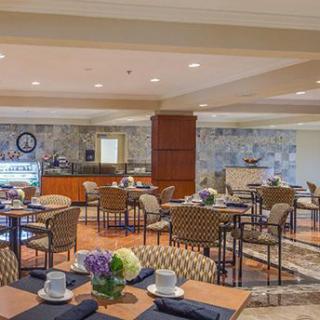
 Meal preparation and service
 Medication management
 Diabetes diet
 Special dietary restrictions
 Weight Training for Seniors: Building Strength and Vitality
 Understanding the Sandwich Generation: Stress and Responsibilities for Multigenerational Caregivers
 8 Essential Assistive Devices for Older Adults