

76 Passaic Avenue, Livingston, NJ 07039
For more information about senior living options: (866) 208-4318
Overall Review of CareOne at Livingston
Pros
 The sub-acute side offered a great stay, with all departments trying their best to meet the mom’s care needs.
- The physical therapy (PT) staff is good.
- There were a few very committed and friendly staff members.
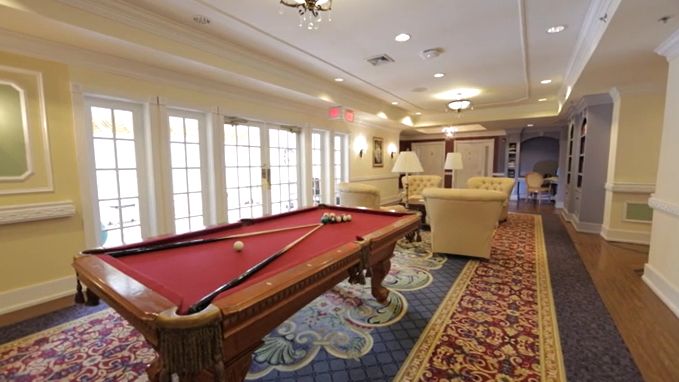
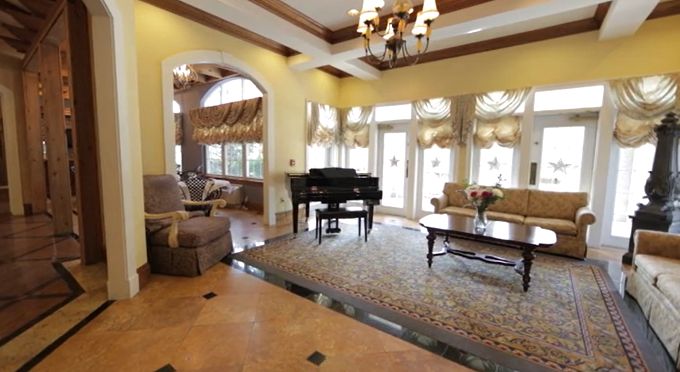
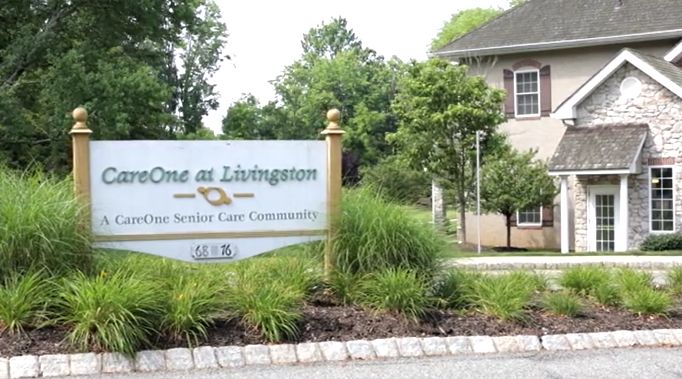
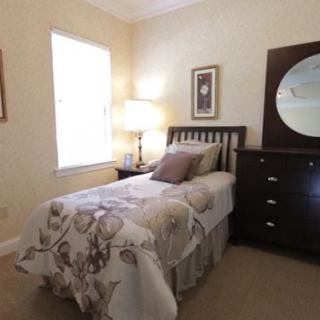
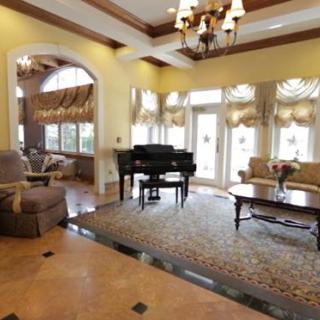
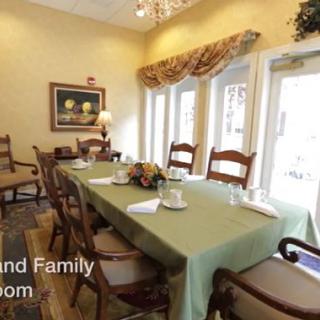
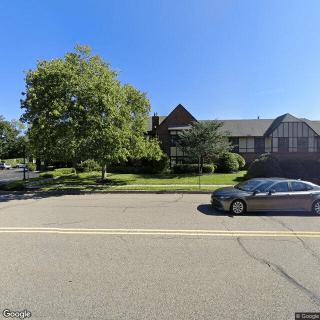
- It looks nice from the outside.
- The previous facility was wonderful.
Cons
 The reviewer calls the place the worst they have ever been to, with horrible care and horrible upper management.
- It is noted that a husband’s meds were not given for hours and no rounds were performed for a fall-risk patient.
- Nurses are described as lacking knowledge and directing questions to supervisors who never show up.
- The reviewer states there is no respect for residents and that residents’ rights are ignored.
- Oxygen was often left uncharged and the patient did not receive the required oxygen.
- Care One in Livingston is described as the absolute worst place to put a family member, with a patient suffering bedsores, pneumonia, sepsis, and staff deemed horrendous and incompetent.
- A patient was left alone in a dark room upon arrival.
- Sanitary conditions are described as horrible, with stained bedding, dirty bathrooms, and patients sitting in waste for extended periods.
- Service is described as horrible, with patients neglected when family members are not present and nurse assistance taking 30 to 60 minutes.
- Medication delivery is noted as sporadic and inaccurate, with help requests met very slowly.
- The food in the rehab section is described as terrible in both quality and quantity, and staff assistance is slow.
- The facility appeared nice on the outside but is criticized as not meeting expectations overall.
- The environment is described as unprofessional, and the reviewer would not recommend the place.
- There are claims of overnight neglect and long wait times for assistance (30–60 minutes).
- The reviewer strongly warns others not to place a loved one there.
Review
CareOne at Livingston in Livingston, NJ is best suited for families seeking a short-term, post-acute rehabilitation stay rather than a reliable long-term residence. The strongest thread points to a rehab-focused experience where the therapy team can deliver tangible progress when engaged. However, the broader senior-living environment is defined by serious gaps that make sustained custodial care risky. For residents who require constant supervision, steady medication administration, and rigorous daily nursing support, alternatives should be the default starting point. The facility may be workable for a brief recovery window if families are prepared to supervise closely and press for timely care, but it is not a dependable home for ongoing living.
Those considering alternatives include families prioritizing consistent nurse responsiveness, clean and safe environments, and predictable care routines. Reviews describe chronic, systemic issues: delays in medication administration, uncharged oxygen, and incomplete rounds; sanitation problems with stained bedding and distressed bathrooms; and a perception that management offers only lip service rather than real accountability. For a loved one with high fall risk, chronic pain, wounds, or cognitive needs requiring steady oversight, the risk profile outweighs any rehab convenience. In short, the overall experience signals that a facility with stronger staffing, oversight, and housekeeping practices is a better match for long-term care.
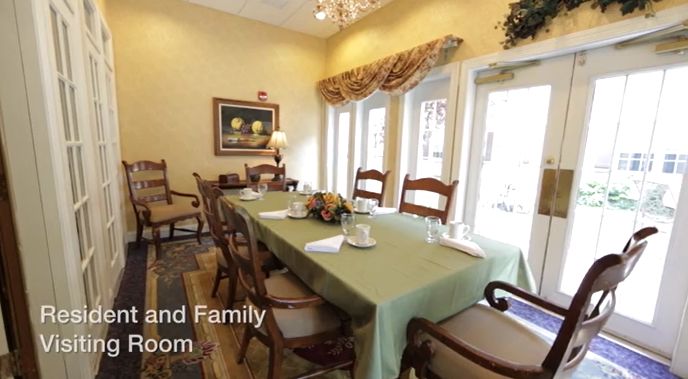
On the pro side, the rehab-oriented staff are described as capable and responsive when it counts, with some aides and therapists delivering genuine care. The rehab area can appear appealing on the surface, and the physical therapy team is repeatedly cited as the strongest link in care. Yet these positives do not offset the core liabilities. Gains from skilled rehabilitation can be undermined by inconsistent nursing coverage, delayed meds, and a culture that fails to uphold basic resident rights and hygiene standards. When the main care grid is unreliable, even effective therapy sessions cannot compensate for safety and comfort gaps that recur daily.
The cons permeate every dimension of the operation: oxygen systems left uncharged, bedsores and infections developing before escalation, and delays in X-ray or medical review. Living spaces are described as unhygienic or poorly maintained, with bedding stained and bathrooms in distress. Overnight responsiveness is a chronic weakness, with call buttons yielding 30 to 60-minute waits. Management is repeatedly described as unresponsive, offering reassurance without measurable improvement. These patterns create a high-stress environment where residents endure avoidable discomfort and families lose confidence in the facility’s ability to protect basic needs.
Families evaluating this community should take an assertive, upfront approach. Request meetings with the director of nursing, the medical director, and frontline supervisors; demand a tour of both subacute and long-term wings; review current night-shift staffing ratios; and ask for concrete med-pass schedules, response times, and daily care plans. Bring a concrete care plan and insist on daily family updates while a stay is ongoing. For rehab goals, verify reliable access to physical therapy and confirm oxygen management procedures in writing. If possible, trial a weekend overnight stay to observe responsiveness and cleanliness. When expectations cannot be met, pivot to facilities with proven nursing reliability, hygiene standards, and clear accountability.
Overall, CareOne at Livingston delivers a bifurcated experience: competent rehab personnel in a setting that at times looks appealing, but with deep-seated care risks that undermine daily welfare. The best fit is a short-term, tightly supervised rehab stay for a physically capable elder whose family can advocate vigorously on their behalf. For those seeking stable, long-term care with predictable nursing attention, rigorous infection control, and consistently clean environments, alternatives should be pursued without hesitation. The decision should hinge on whether the family can tolerate and actively manage substantial gaps in responsiveness, safety, and daily living standards, or whether a facility with a stronger track record of resident welfare would be a wiser permanent home.
 93 resident community capacity
 Assisted Living
 Memory Care
 Respite Care
 Skilled Nursing Facility
 Activities on-site
 Air-conditioning
 Beauty salon
 Cable or satellite TV
 Computer center
 Devotional services off-site
 Dining room
 Fitness room
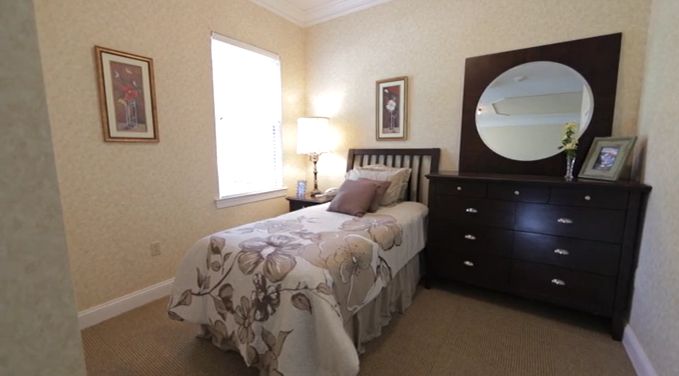
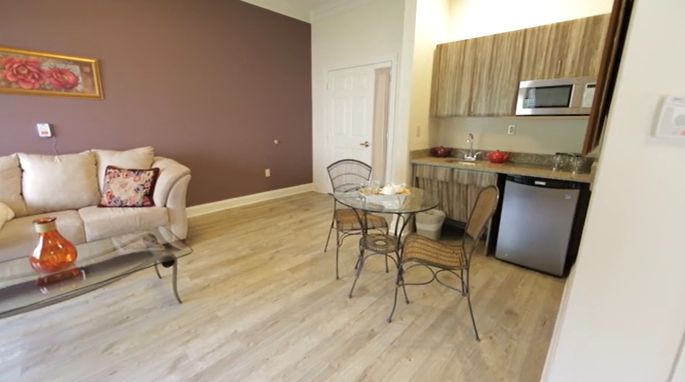
 Fully furnished
 Gaming room
 Garden
 Housekeeping services
 Indoor common areas
 Kitchenette
 Move-in coordination
 Outdoor space
 Private bathrooms
 Restaurant-style dining
 Small library
 Telephone
 Wellness center
 Wi-Fi/high-speed internet available
 Newark International (11 miles away)
 Community operated transportation
 12-16 hour nursing
 24-hour call system
 Ambulatory care
 Assistance with bathing
 Assistance with dressing
 Assistance with transfers
 Diabetes diet
 Diabetic care
 Medication management
 Mental wellness program
 Special dietary restrictions
 Concierge services
 Planned day trips





 Assisted Living and Memory Care: Understanding Their Core Differences
 Choosing the Right Senior Care: A Detailed Exploration of Assisted Living and Nursing Homes
 Safeguarding Your Memory Through the Golden Years: Eight Ways to Preserve Cognitive Health