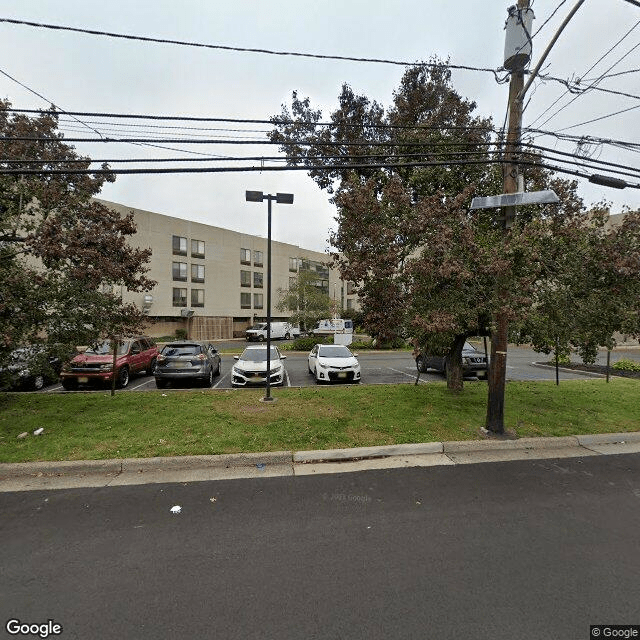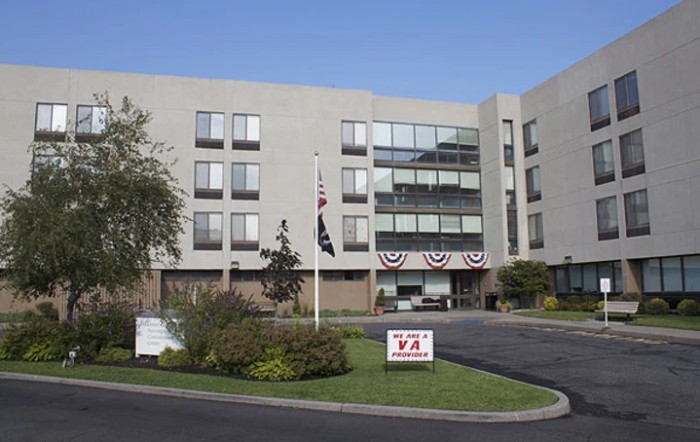
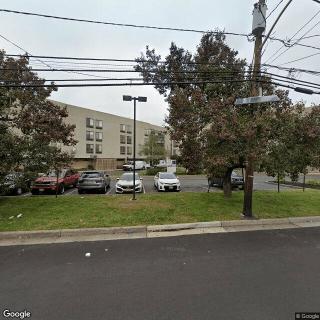
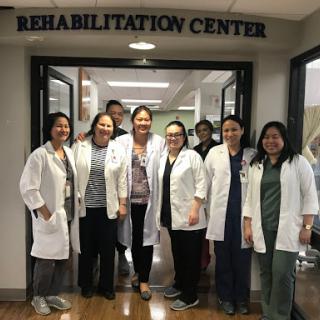
400 W Stimpson Ave, Linden, NJ 07036
To contact a resident: (908) 862-3399
For more information about senior living options: (866) 208-4318
Delaire Nursing and Convalescent Center Costs & Pricing
Delaire Nursing and Convalescent Center offers competitive pricing for its services compared to both Union County and the broader state of New Jersey. For a semi-private room, Delaire's rate is $3,050 per month, significantly lower than the county average of $6,083 and the state average of $5,068. The cost for a studio room at Delaire is $3,750, again more affordable than Union County's $5,680 and slightly below New Jersey's overall average of $5,286. However, when it comes to private rooms, Delaire's price of $8,100 surpasses both the county rate of $7,358 and the state average of $5,799. This data highlights that while Delaire provides economical options for shared accommodations and studios, their private room costs do not align as favorably within the local market.
| Floor plans | Delaire Nursing and Convalescent Center | Union County | New Jersey |
|---|---|---|---|
| Semi-Private | $3,050 | $6,083 | $5,068 |
| Studio | $3,750 | $5,680 | $5,286 |
| Private | $8,100 | $7,358 | $5,799 |
Skilled Nursing Facilities with a similar price nearby
-
from +$130 / mo
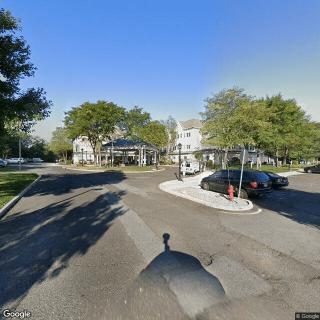
Whispering Knoll
$3,180 to $5,130 / month6.9 miles away -
from +$499 / mo
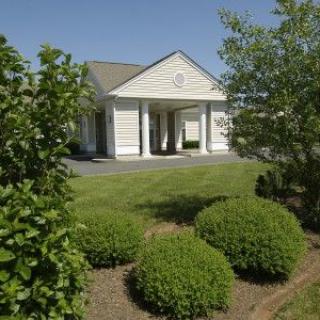
Spring Hills Somerset
$3,549 to $6,600 / month16.7 miles away -
from +$200 / mo

Harbour View Senior Living
$3,250 to $5,000 / month16.6 miles away -
from +$400 / mo

Victoria Mews Assisted Living
$3,450 to $6,750 / month21.8 miles away -
About the same
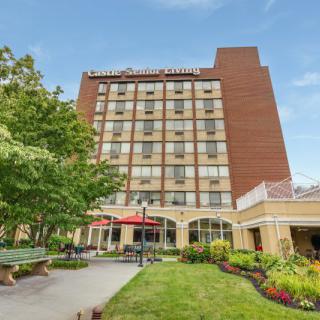
Castle Senior Living at Forest Hills
$2,970 to $5,100 / month22.3 miles away
Overall Review of Delaire Nursing and Convalescent Center
Pros
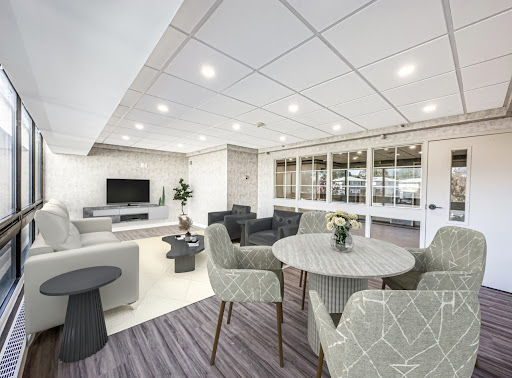
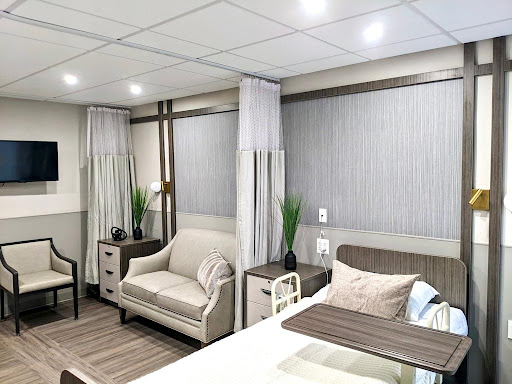
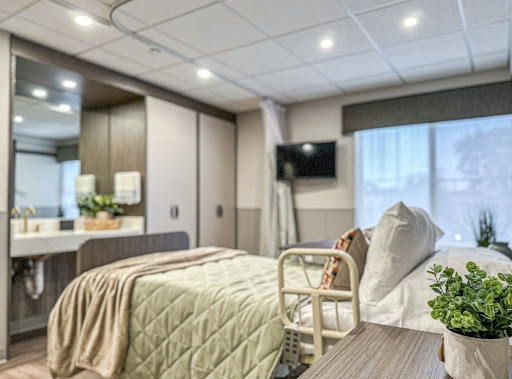
 The facility is clean, up-to-date, and welcoming.
 - The staff are friendly, helpful, and attentive to residents’ needs.
- There are plentiful daily activities and a robust calendar for residents.
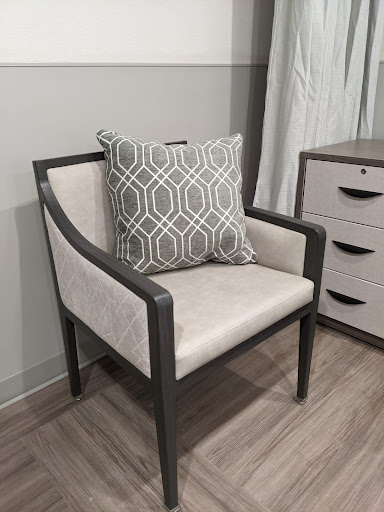
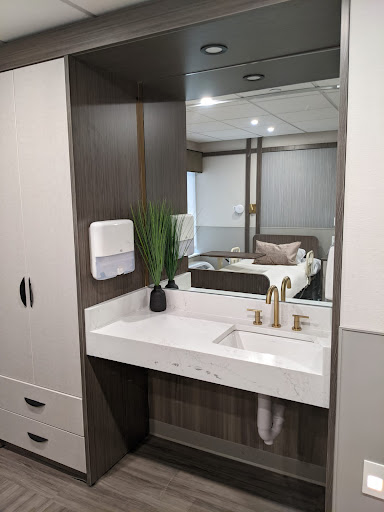
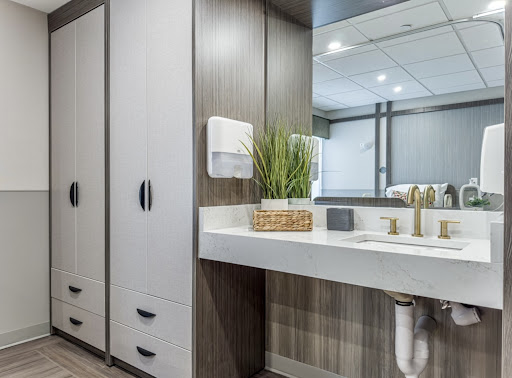
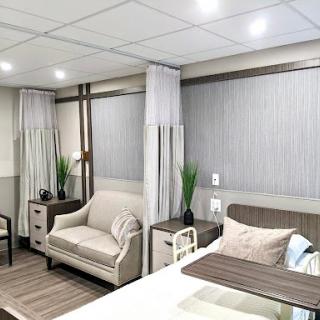
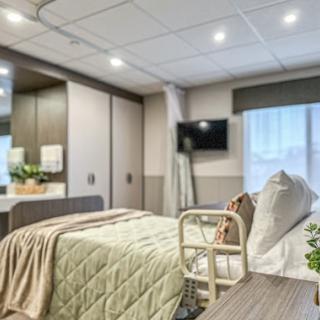
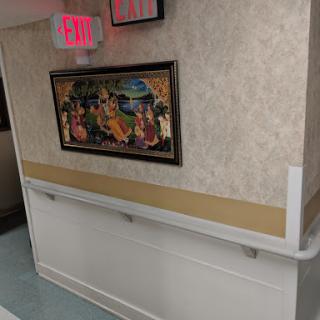
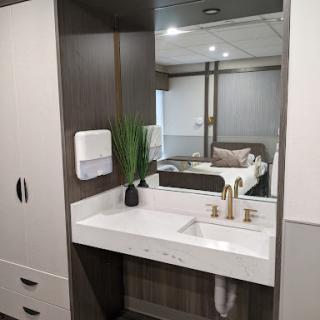
- The renovations are modernizing the building, with rooms and bathrooms becoming completely new.
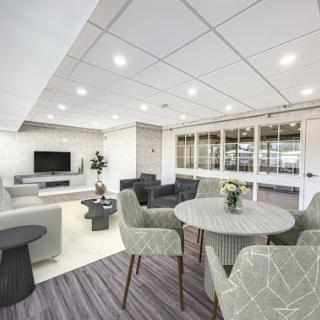
- There is an outdoor area with picnic tables and a large dining room to host family events.
- Visitors can take their loved ones out for the day, and the place isn’t described as a prison.
Cons
 There was no improvement in the resident's health after two months, and additional services were denied.
- The resident was never cleaned during visits, and family members had to constantly request the nurse's aide to clean her.
- The medical machines were broken and made loud noises.
- Some nurses smiled during visits, but it wasn't genuine.
- The resident had several fall accidents while in this facility.
- They refused to provide her with physical or occupational therapy due to her insurance.
- Showers were only once a week, linens were hard to obtain, and the food was cold and horrible.
- Billing problems persisted after her death, with continued charges.
Review
Delaire Nursing and Convalescent Center in Linden is best suited for seniors who need daily wound-care oversight and appreciate a campus that is being modernized, combined with an active social calendar and flexible visiting options. The facility is actively remodeling, with residents benefiting from refreshed rooms and bathrooms once the work is completed. An outdoor with picnic areas and a large dining room that staff will help families use for celebrations signals a plan to foster engagement and connection. For families who want to visit freely, arrange activities, and see tangible improvements in infrastructure, this community preserves a sense of openness that many comparable homes lack.
Those who may want to consider alternatives are families prioritizing consistent, high-touch clinical care and airtight management. Several reviews flag ongoing concerns around staffing reliability, infection control, and responsive care, including instances of odors, delayed cleaning, or gaps in basic daily duties. When a loved one relies on physical therapy, occupational therapy, or speech therapy, questions about insurance coverage and timely access become decisive. Billing clarity, transparent communication, and a track record of preventing hospital transfers are other factors that push families to compare other options more closely.
The strongest positives center on the remodeling momentum, the emphasis on outdoor and social spaces, and hands-on care elements that can support comfort and transition. A well-maintained environment without pervasive odors is repeatedly noted, and staff are described as friendly, proactive about facilitating calls or visits, and capable of coordinating practical touches such as keeping a resident’s phone connected. Wound care is cited as a meaningful benefit, with professionals attending to healing tasks multiple times daily, which can relieve families from day-to-day burdens and potential safety risks at home. The ability to host family gatherings in a supportive dining setting also stands out as a meaningful perk.
Yet the main drawbacks consistently shadow these positives. Some residents experience limited activity engagement or delayed responses to care needs, and reports of falls or hospital transfers raise legitimate safety concerns. There are mentions of broken medical equipment and the perception that certain therapies are denied due to insurance constraints, along with episodes where housekeeping or cleanliness did not meet expectations, including odor issues or inconsistent cleaning schedules. Billing disputes and alarming anecdotes about management responsiveness further complicate the decision, underscoring the risk of unresolved concerns impacting the resident’s well-being.
These pros and cons illuminate a nuanced calculus: the renovation-forward environment and the strong social framework can offset several practical gains for families who value engagement and visible facility upgrades. The dedicated wound-care routine provides a clear, tangible advantage for seniors with healing needs, and flexible access to loved ones reduces isolation and supports emotional well-being. However, for families whose priority is unwavering reliability in daily care, rigorous safety cultures, and transparent operations, the concerns raised about staffing, cleanliness, and therapy access cannot be dismissed. In short, the positives offer meaningful dividends when the care team is consistently present and responsive; the negatives become prohibitive when attention to basic safety, infection control, and clear communication frays.
Practical next steps for families assessing Delaire are to look beyond the renovated shell and insist on concrete guarantees. Schedule a candid tour during ongoing remodeling to see current conditions, and request direct conversations about staffing ratios, nurse availability, and the frequency of wound-check routines. Probe the facility’s PT/OT/Speech therapy access, insurance constraints, and any recent incident history, including falls or hospital transfers, to gauge risk. Ask for recent inspection results, incident logs, and a clear plan for ensuring cleanliness and odor control. If these assurances align with priorities, especially for families who value visible daily care and communal life, Delaire can be a strong fit; if not, a tighter focus on facilities with proven, consistent clinical performance may be warranted.
 Assisted Living
 Memory Care
 Skilled Nursing Facility
 Activities on-site
 Devotional services off-site
 Indoor common areas
 Private
 Newark International (6 miles away)
 Ambulatory care
 Diabetic care
 Meals provided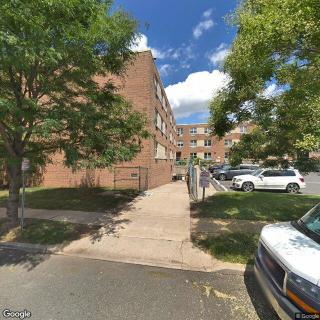





 22 Remarkable Caregiver Support Groups Available Online and In-Person
 Understanding Medicaid Coverage for Assisted Living: A Comprehensive Guide
 How and When Medicaid May Cover Assisted Living Costs