Atria Cranford offers competitive pricing for its residents, particularly when compared to both Union County and the broader New Jersey market. For instance, the monthly cost of a studio at Atria Cranford is $4,195, significantly lower than the county's average of $5,680 and the state average of $5,286. Similarly, their semi-private rooms are priced at $4,600, which is more affordable than Union County's rate of $6,083 while being slightly above the state average of $5,068. However, it's worth noting that Atria's one-bedroom option stands out at $10,095 - a price that exceeds both Union County and New Jersey averages considerably. This varied pricing structure suggests that Atria Cranford may cater to different budget levels while still providing quality care in a desirable location.
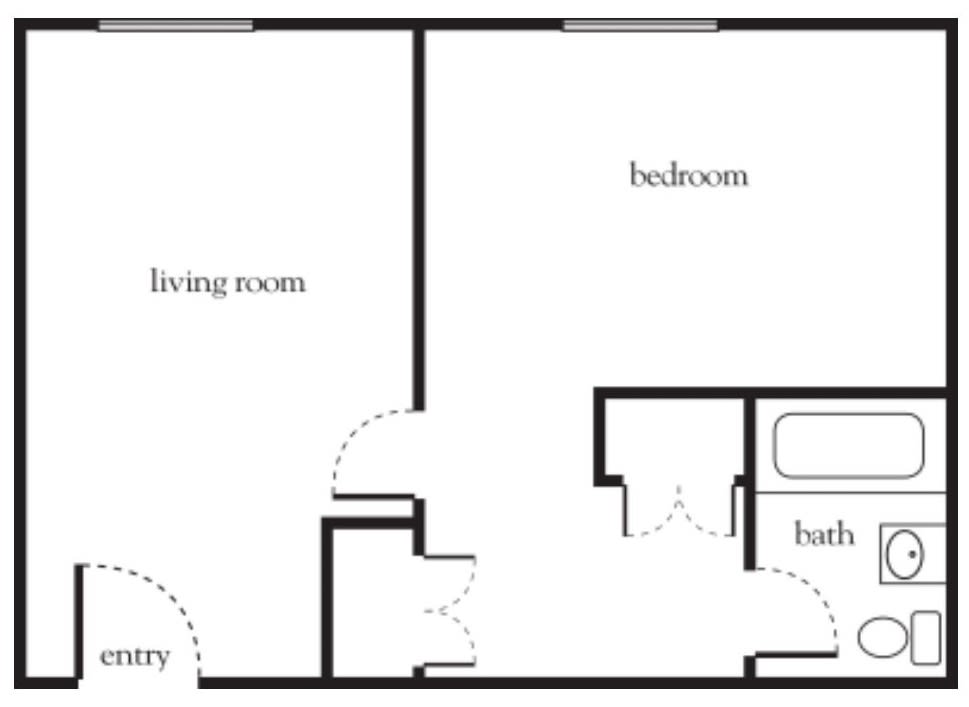
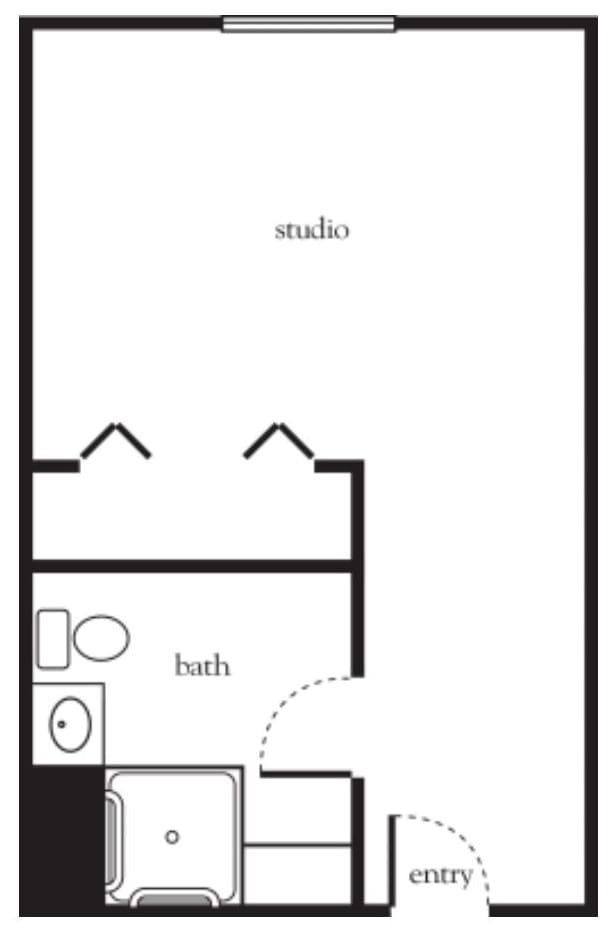
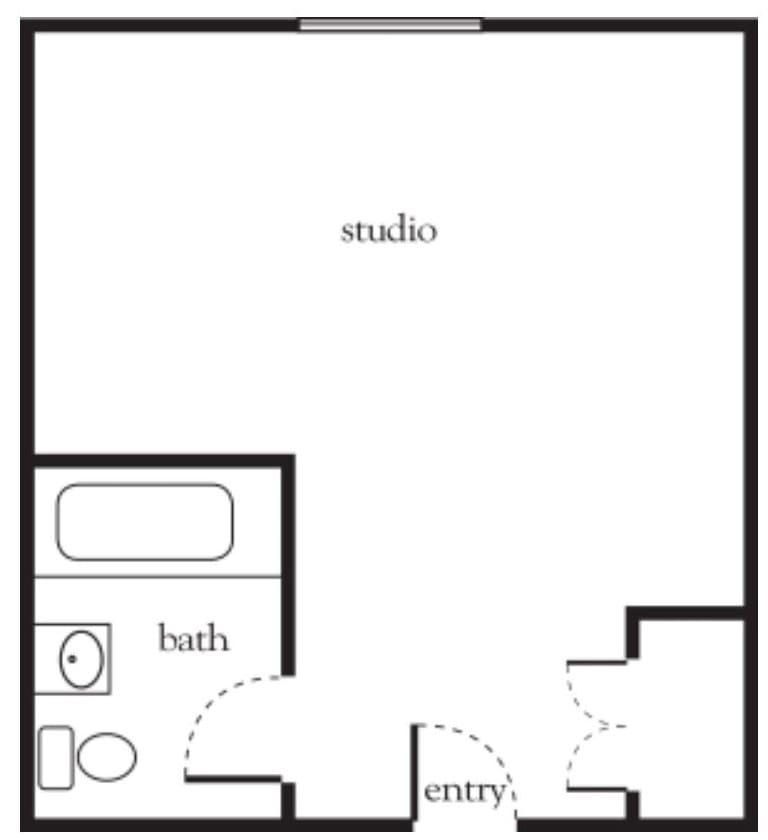
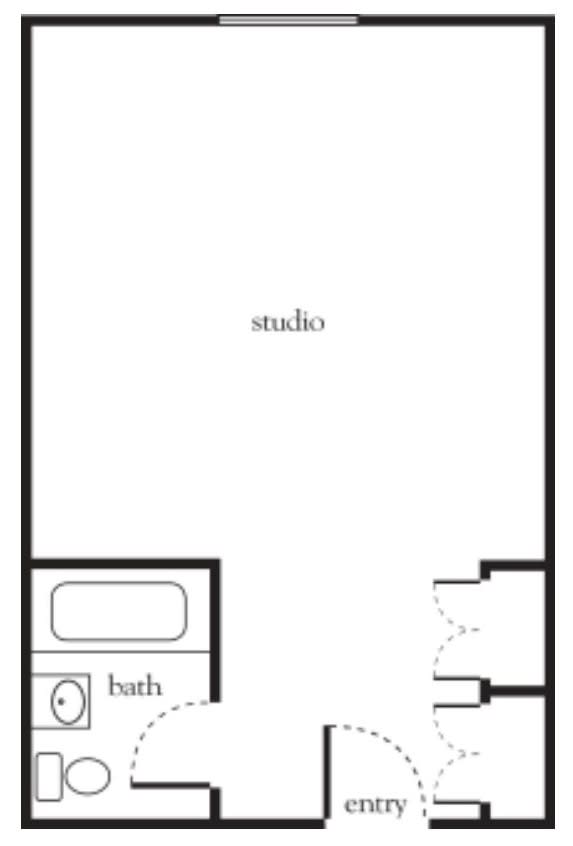
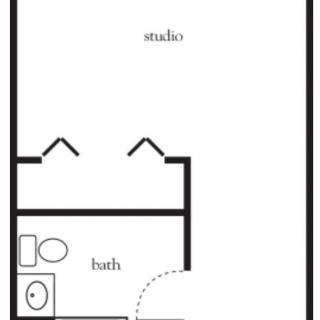
Floor plans
Atria Cranford
Union County
New Jersey
Studio
$4,195
$5,680
$5,286
Semi-Private
$4,600
$6,083
$5,068
1 Bedroom
$10,095
$7,862
$5,994
Memory care communities with a similar price nearby
from -$206 / mo
The Willows At Holmdel
5 from 30 reviews
$3,989 to $5,570 / month
16.8 miles away
from -$715 / mo
The Avalon at Bridgewater
4.9 from 36 reviews
$3,480 to $6,960 / month
19.2 miles away
from +$532 / mo
Merry Heart Assisted Living, LLC
4.7 from 12 reviews
$4,727 to $7,716 / month
24.4 miles away
About the same
Arbor Terrace Morris Plains
4.8 from 121 reviews
$4,300 to $9,460 / month
16.1 miles away
About the same
Brandywine Assisted Living at Middlebrook Crossing
Residents repeatedly describe a clean, well-kept facility.
Many reviewers mention cleanliness, including no lingering smells and rooms and common areas kept in good condition. Several also describe the building as bright and well maintained, with a clean dining environment and tidy spaces throughout the day. A few negative reviews raise cleanliness and maintenance concerns, including reports of dirty floors in memory care areas and room cleanliness lapses.
common
Food quality and dining experience
Dining is a frequent reason families feel comfortable.
Across the reviews, residents and visitors often comment that the food tastes good and that meals are enjoyable. Some specifically highlight the dining room and describe it as restaurant-like, and others mention room service when needed. A smaller number of reviewers raise concerns about value and meal variety, and one notes that meals can feel more limited than expected for the price.
common
Activities keep residents engaged
A steady schedule of activities stands out in reviews.
Many reviewers say there are always activities happening, with residents staying busy and social. Several mention day trips, religious or devotional services, and regular entertainment or performances, as well as support getting residents involved. Some reviews also compare the activity pace to what they expected—praising variety in many cases, while a few express disappointment that engagement or options were not enough for them.
common
Staff support is a recurring theme
Residents and families often describe the staff as responsive and caring.
A large share of reviewers highlight staff warmth, professionalism, and helpfulness, including nurses, reception, housekeeping, and caregivers working across the community. Multiple comments describe good communication with families and confidence that needs are addressed. On the other hand, several critical reviews describe staffing and communication problems, including turnover and concerns about care consistency, especially when medical needs increase.
caveat
Pricing can be a challenge
Pricing is a frequent concern, especially as needs change.
Several reviewers call out high costs and describe surprise increases after move-in, including concerns about added charges. Some also mention budget constraints as a reason they could not proceed or moved elsewhere. The community does list pricing across studio and apartment types and includes care services, but reviews show that families may still want clarity on what is included as care needs evolve.
How we summarize
We summarize when many written reviews mention each theme; a review can touch several themes, and only frequently mentioned themes are displayed.
Features
Housing
308 resident community capacity
1-bedroom apartments
Studio apartments
Types of Care
Assisted Living
Independent Living
Memory Care
Pets
Cats allowed
Dogs allowed
Amenities
Activities off-site
Activities on-site
Air-conditioning
Beautician on-site
Beauty salon
Cable or satellite TV
Cafe
Computer center
Devotional services on-site
Dining room
Financing advice
Fitness room
Full kitchen
Fully furnished
Gaming room
Garden
Guasts at mealtime
Guest parking
Housekeeping services
Indoor common areas
Kitchenette
Laundry
Move-in coordination
Outdoor common areas
Outdoor space
Overnight guests
Party space
Private bathrooms
Private cleaning services
Resident parking
Respite or short term stays offered
Restaurant-style dining
Security gate
Small library
TV room
Telephone
VA Benefits Consultation
Wellness center
Wi-Fi/high-speed internet available
Transportation
Newark International (7 miles away)
LaGuardia (24 miles away)
Community operated transportation
Transportation & parking
Transportation arrangement
Transportation arrangement (non-medical)
Care Services
12-16 hour nursing
24-hour call system
24-hour supervision
Activities of daily living assistance
Ambulatory care
Assistance with bathing
Assistance with dressing
Assistance with transfers
Coordination with health care providers
Dementia waiver
Diabetes diet
Diabetic care
Hospice care
Hospice waiver
Incontinence care
Meal preparation and service
Medication management
Mental wellness program
Mild cognitive impairment
Physical therapy
Special dietary restrictions
Specialized memory care programming
Transportation arrangement (medical)
Transportation to doctors appointments
Dining
Anytime dining
Diabetes diet
Guest meals
Low / no sodium
Meals provided
No Sugar
Restaurant style dining
Special dietary restrictions
Activities
Activities off-site
Art classes
Arts and crafts
Book club
Catholic services
Community-sponsored activities
Concierge services
Cooking club
Day trips and outings
Devotional activities on-site
Educational speakers / life long learning
Fitness programs
Games
Gardening club
Happy hour
Jewish services
Live dance or theater performances
Live musical performances
Planned day trips
Protestant services
Religious services
Resident-run activities
Scheduled daily activities
Stories
Visiting chaplain or priest
Yoga / chair yoga
Languages Spoken
English
Nearby Places of Interest
Welcome to Cranford, New Jersey, a charming town with a variety of amenities for seniors to enjoy. With several parks such as Winfield Park and Mindowaskin Park nearby, residents can easily take advantage of the beautiful outdoor spaces for leisurely walks or picnics. The town also offers convenient access to healthcare facilities like Premier Urology Group and Kenilworth Primary Care, ensuring that medical needs are easily met. In terms of dining options, there are plenty of restaurants to choose from including Bond Street Cafe and Huck Finn Diner. Transportation is accessible with NJ Transit stations like Rahway Station and Maplewood Station nearby, making it easy to get around the area. Additionally, there are cafes like Starbucks and True Salvage Cafe for relaxing outings with friends. Overall, Cranford provides a peaceful and convenient setting for senior living.
Parks
Winfield Park (0.6 miles)
Milton Lake Park (2.4 miles)
Mindowaskin Park (3.3 miles)
Ponderosa Farm Park (4.3 miles)
Merrill Park (4.6 miles)
Forest Road Park (5.4 miles)
Memorial Park (6.2 miles)
Physicians
Premier Urology Group (0.9 miles)
Kenilworth Primary Care (2.2 miles)
Merck (2.5 miles)
Kartan Saritha Summit Medical Group Westfield (3.5 miles)
Summit Medical Group (6.1 miles)
Pharmacies
CVS Speciality (1.2 miles)
Walgreens (1.2 miles)
Walgreens (1.4 miles)
Walgreens (1.5 miles)
ACME Markets Pharmacy (2.5 miles)
CVS Pharmacy (3.6 miles)
Walgreens (3.9 miles)
Restaurants
Bond Street Cafe (2.3 miles)
El Gordo (4 miles)
Huck Finn Diner (4.2 miles)
Big Shots Sports Bar & Grill (5.4 miles)
Jose Tejas (5.6 miles)
Millburn Delicatessen (5.8 miles)
Bagels 4 U of Short Hills (5.9 miles)
Transportation
NJT - Rahway Station (2.5 miles)
New Jersey Transit - Metropark Station (5.6 miles)
NJT - Millburn Station (5.9 miles)
NJT - Short Hills Station (6.1 miles)
Avis Rent A Car (6.2 miles)
NJT - Maplewood Station (6.2 miles)
Hertz Rent A Car (6.2 miles)
Cafes
Starbucks (3.4 miles)
The Bread Stand (5.5 miles)
True Salvage Cafe (6.2 miles)
Dunkin (6.3 miles)
Wegmans Food Markets (6.5 miles)
Starbucks (7 miles)
Starbucks (7.3 miles)
Places of Worship
Morrow Memorial United Methodist Church (6.1 miles)
Atria Cranford offers competitive pricing for its residents, particularly when compared to both Union County and the broader New Jersey market. For instance, the monthly cost of a studio at Atria Cranford is $4,195, significantly lower than the county's average of $5,680 and the state average of $5,286. Similarly, their semi-private rooms are priced at $4,600, which is more affordable than Union County's rate of $6,083 while being slightly above the state average of $5,068. However, it's worth noting that Atria's one-bedroom option stands out at $10,095 - a price that exceeds both Union County and New Jersey averages considerably. This varied pricing structure suggests that Atria Cranford may cater to different budget levels while still providing quality care in a desirable location.
The features offered at Atria Cranford are specifically designed to support residents with dementia or Alzheimer's disease, ensuring their safety and enhancing their quality of life. The 24-hour supervision provides constant support and security, while assistance with activities of daily living--including bathing, dressing, and transfers--ensures that residents maintain dignity and comfort in their routines. Coordination with healthcare providers facilitates comprehensive care tailored to individual needs, and the dementia waiver allows for specialized attention essential for those with cognitive impairments. Incontinence care addresses a common concern among residents, promoting hygiene and confidence, while meal preparation and service deliver balanced nutrition in an environment that respects individual preferences. Medication management helps prevent complications by ensuring adherence to prescribed regimens, alongside a mental wellness program that fosters engagement and cognitive stimulation. Physical therapy supports mobility and overall physical health, while specialized memory care programming offers targeted activities that cater to varying levels of cognitive ability. Finally, transportation arrangements for medical appointments ensure continuity in healthcare access, rounding out a holistic approach to memory care that prioritizes both physical well-being and emotional stability.
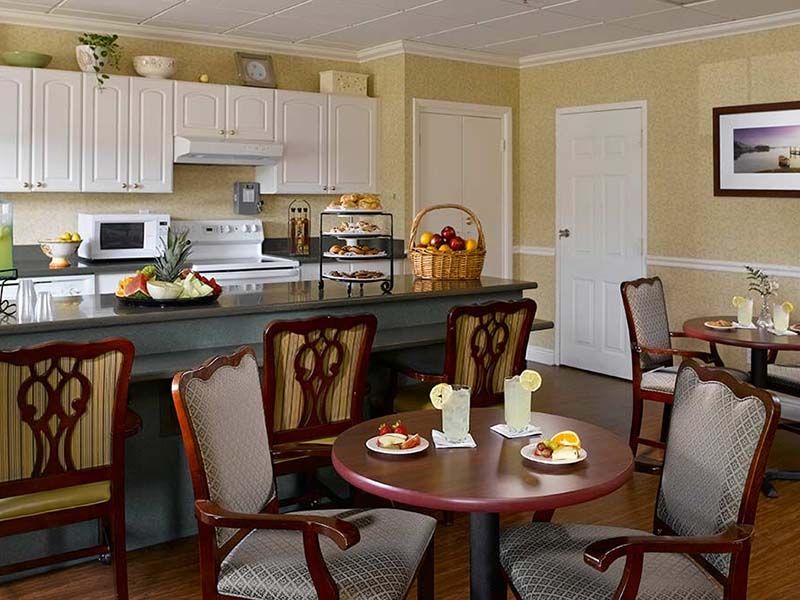
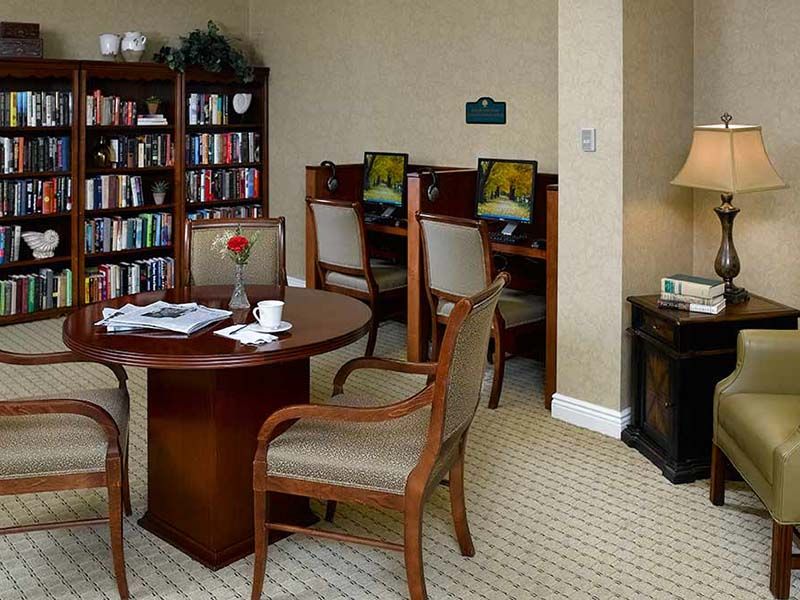
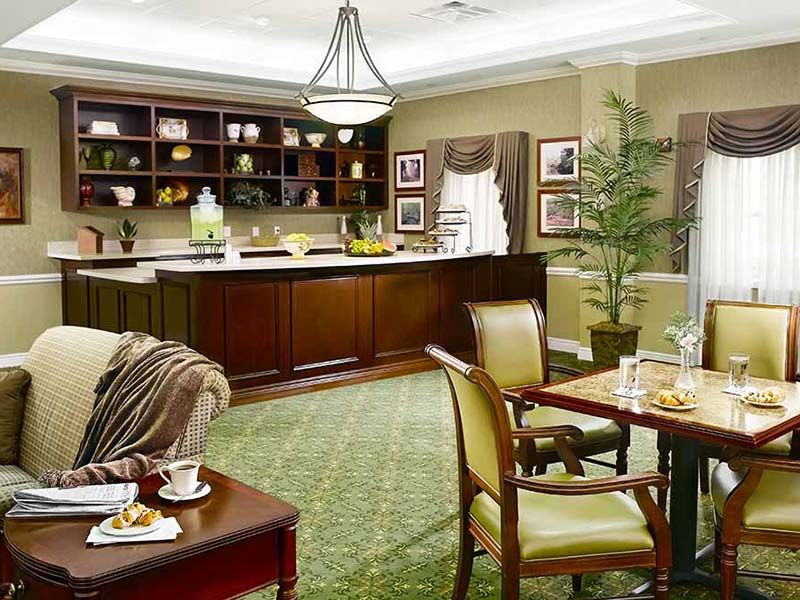
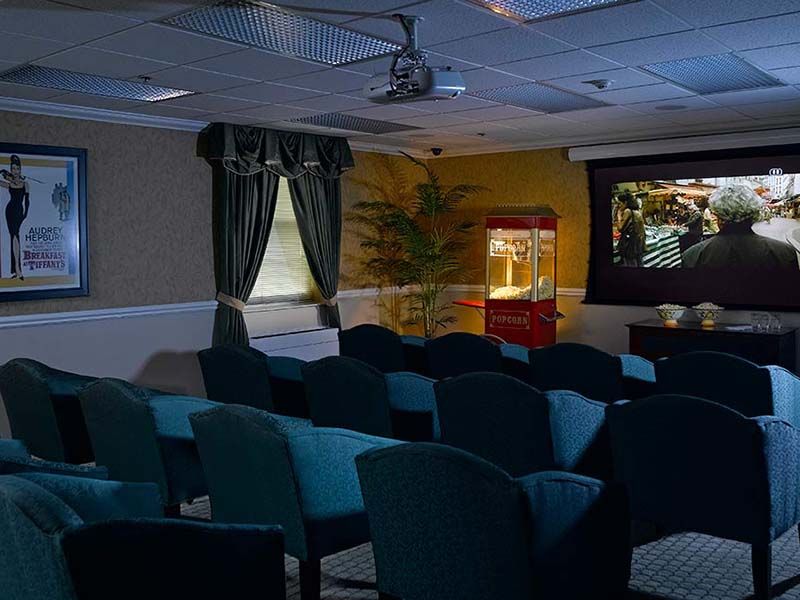
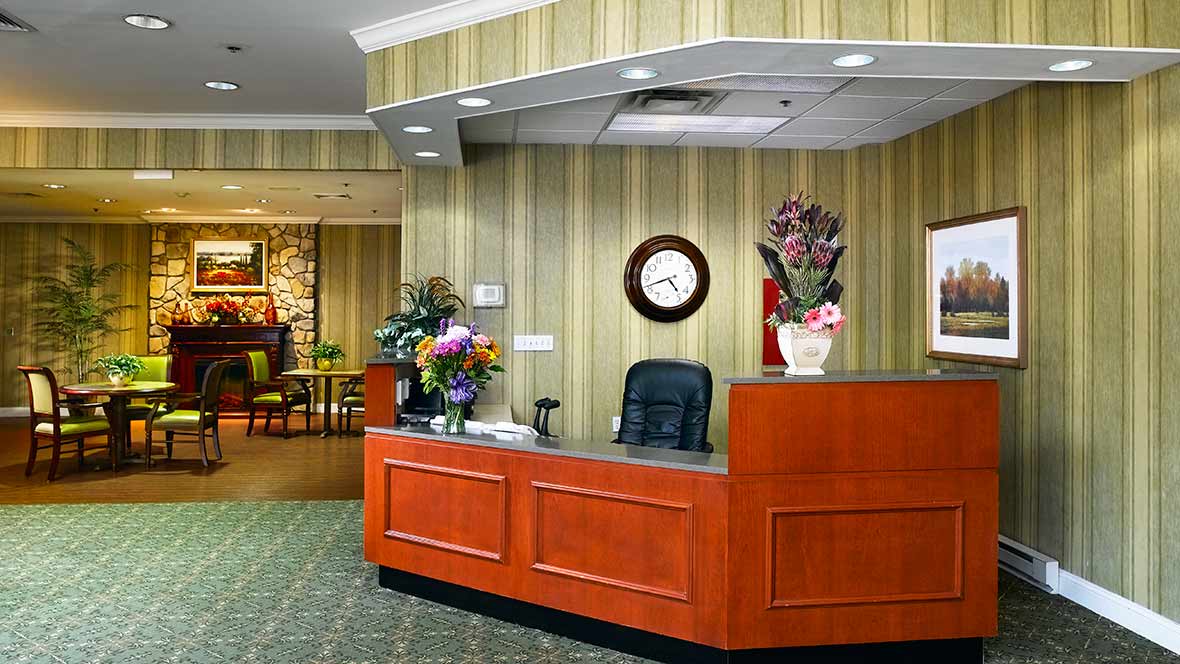
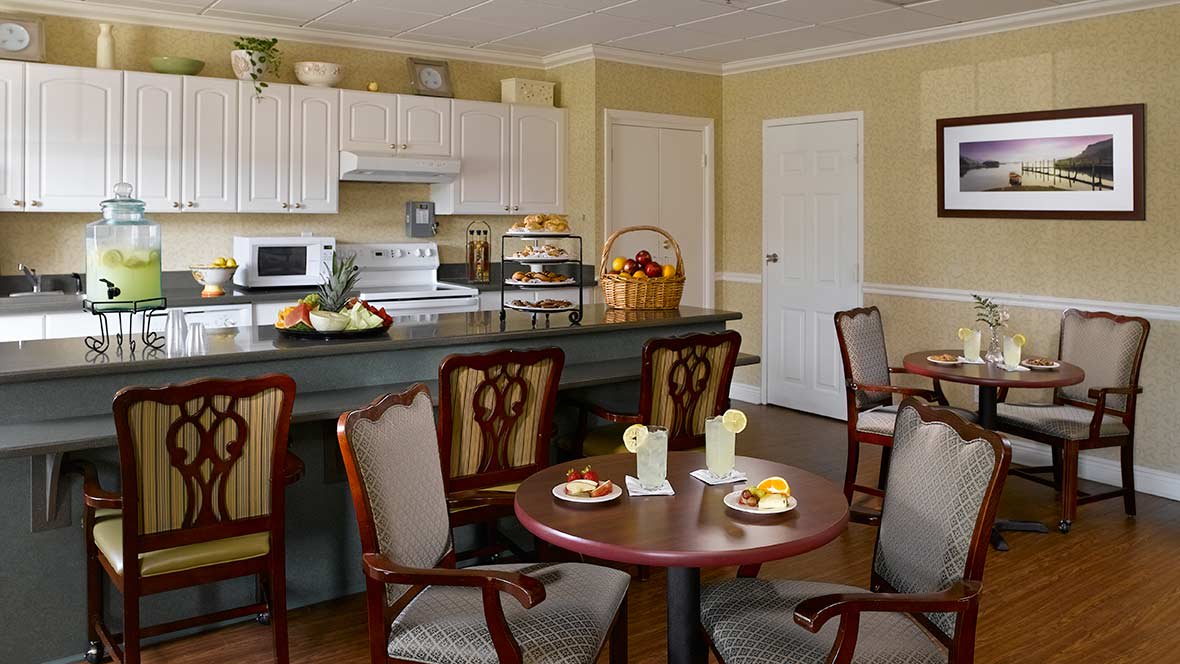
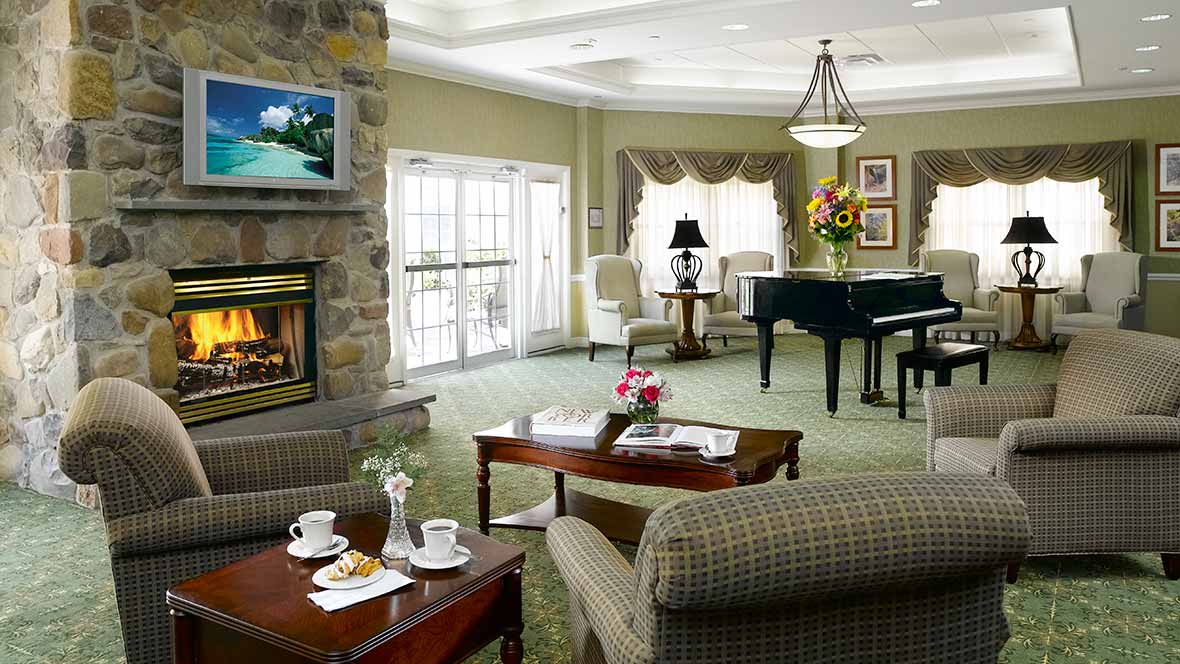
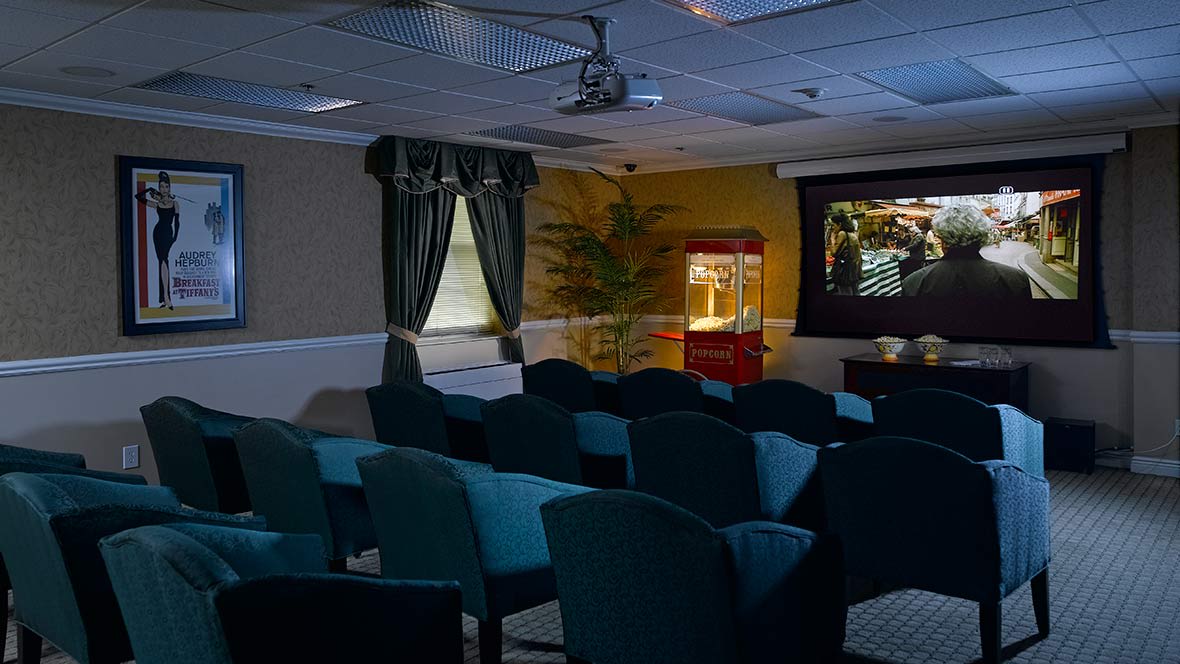
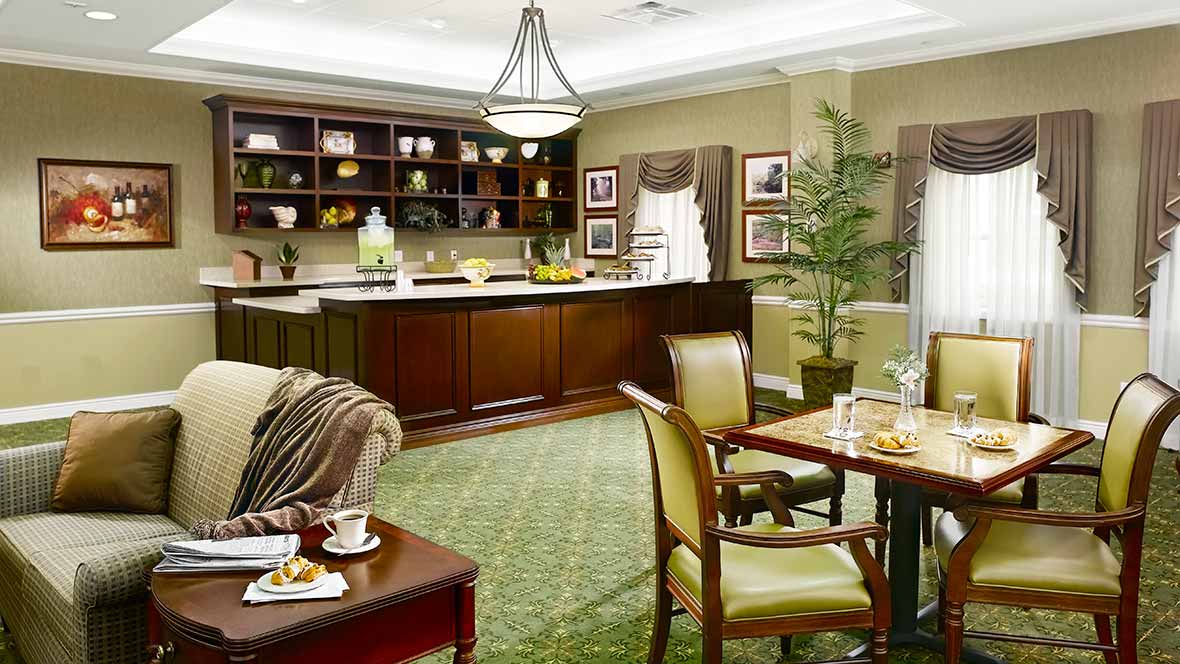
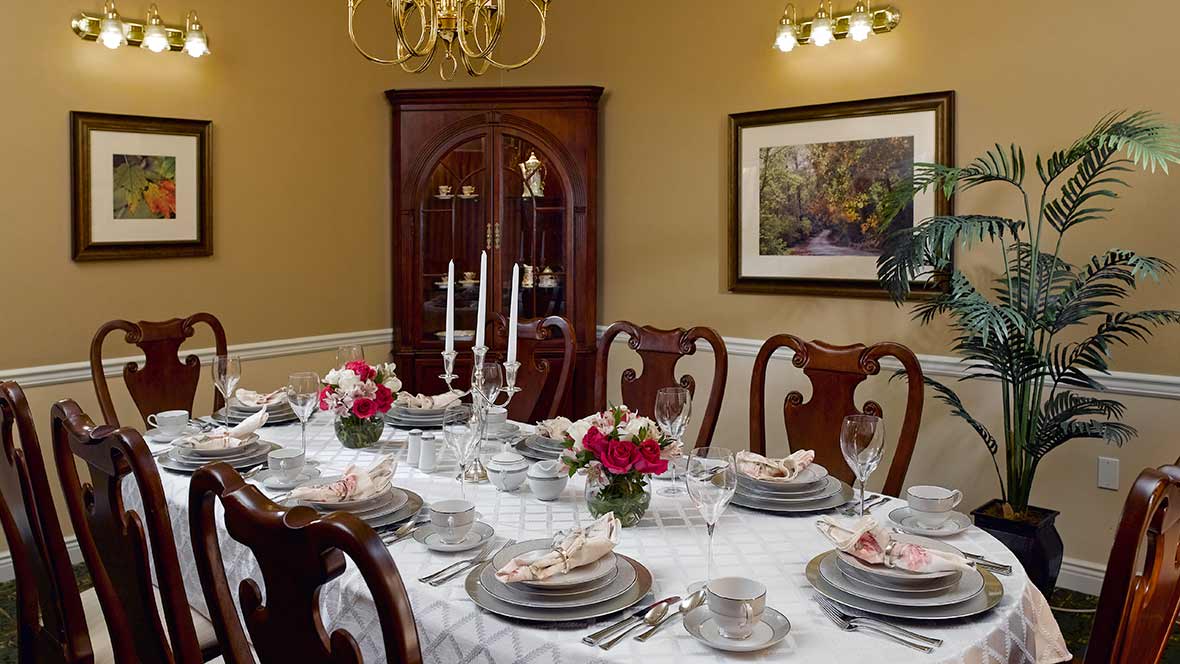
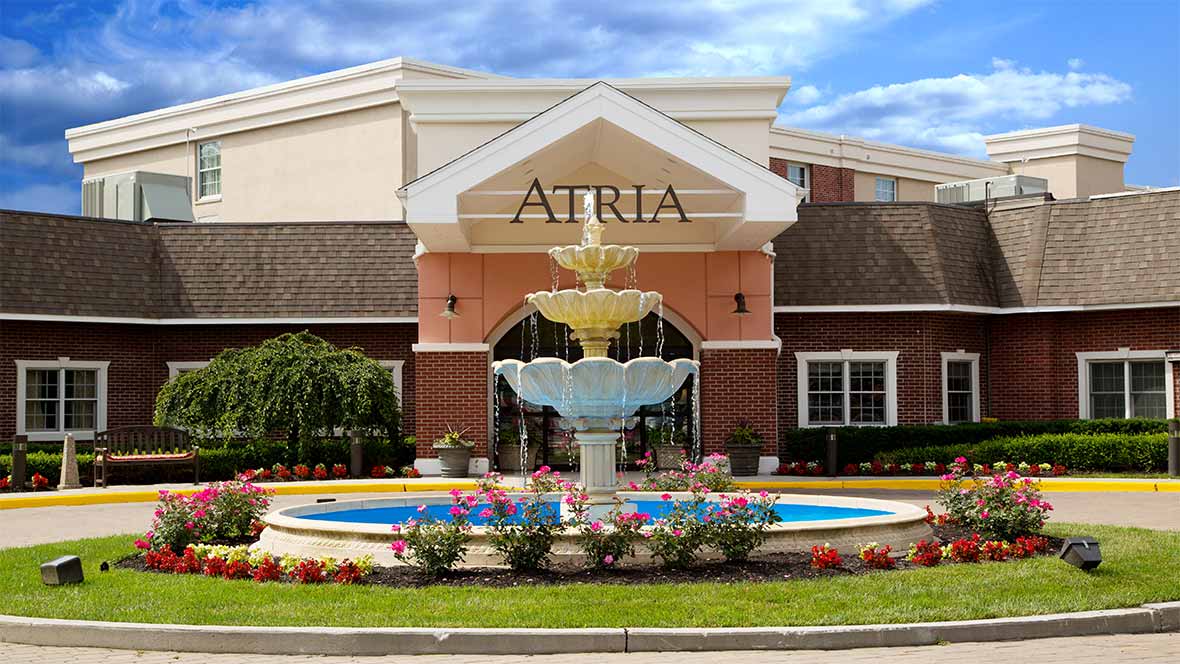
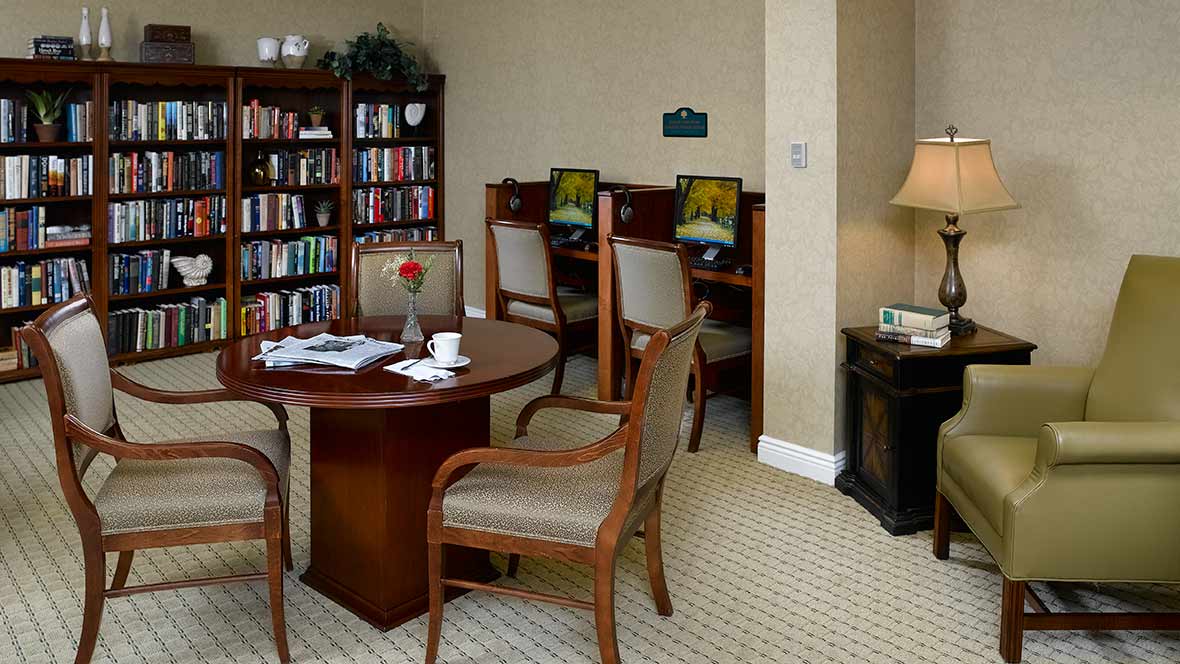
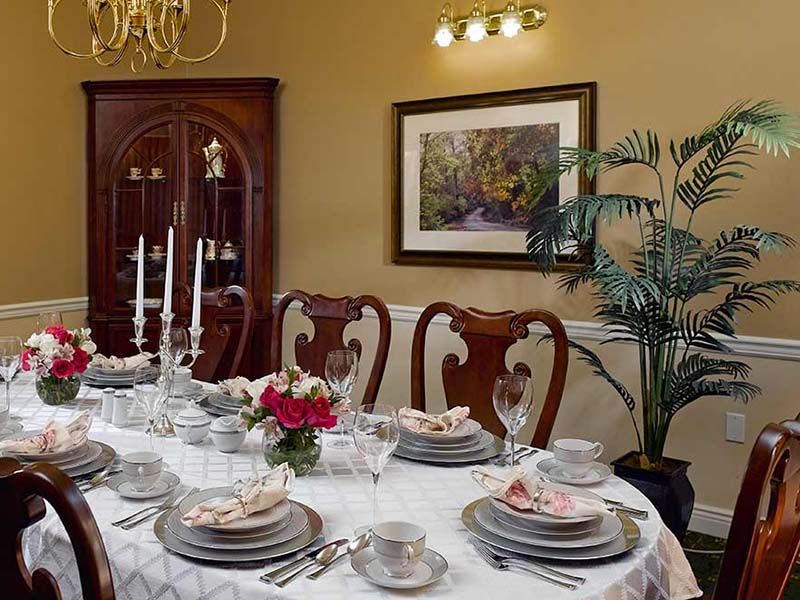
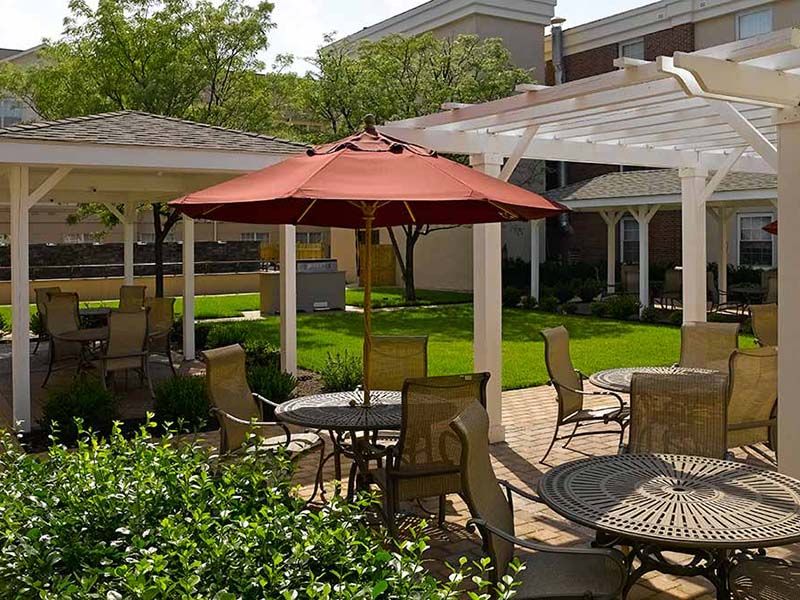
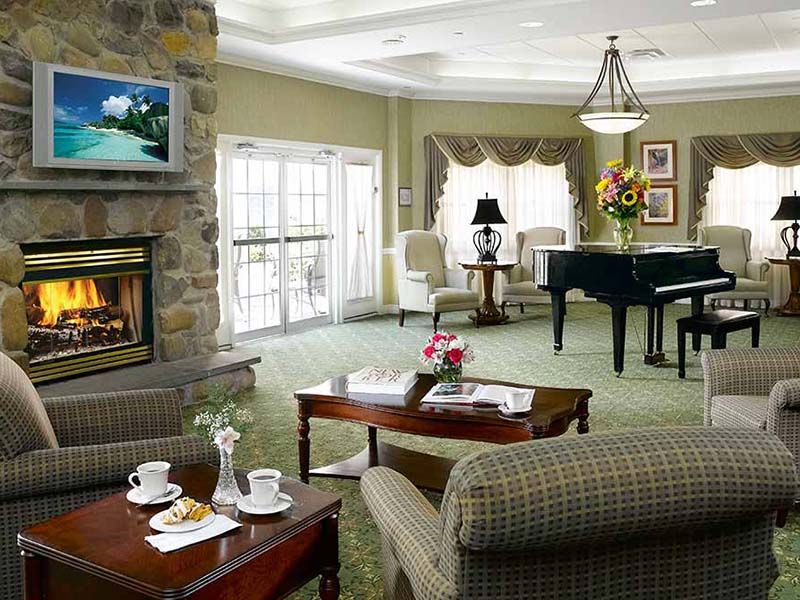
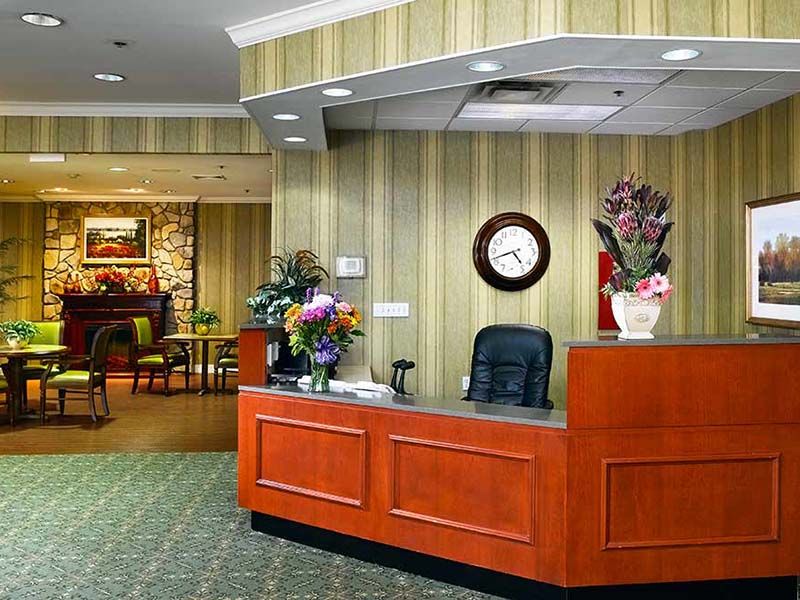
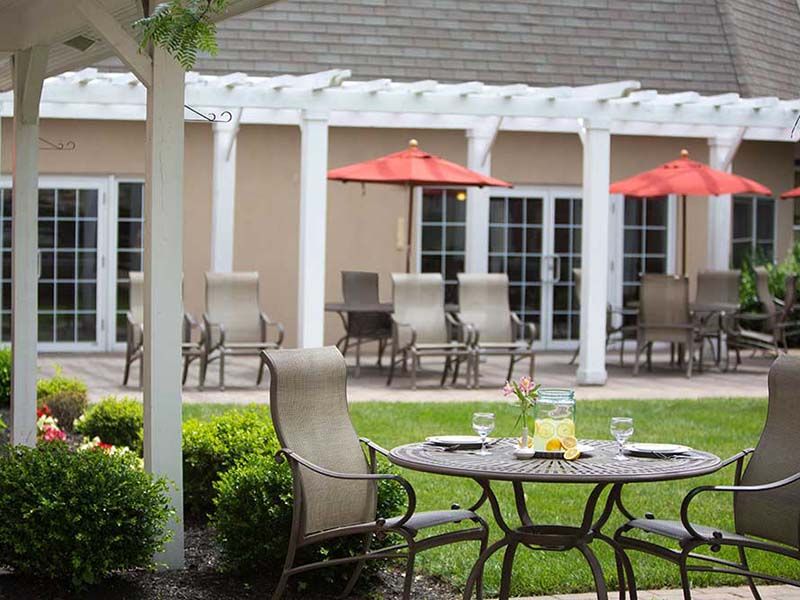
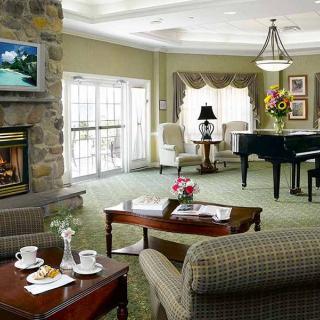
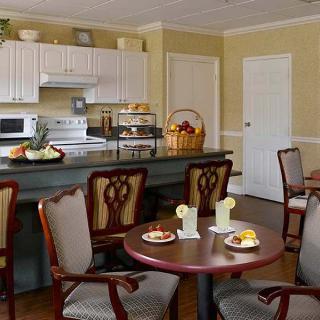
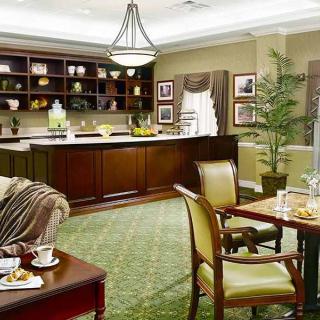
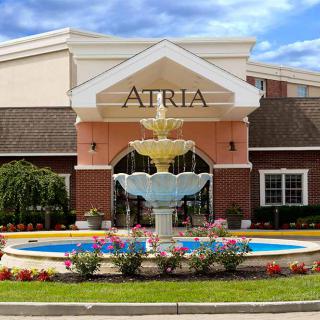
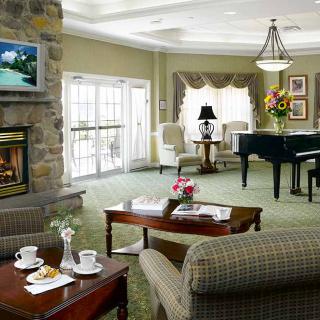
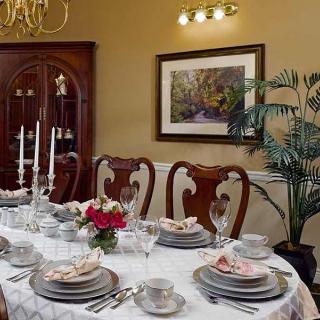
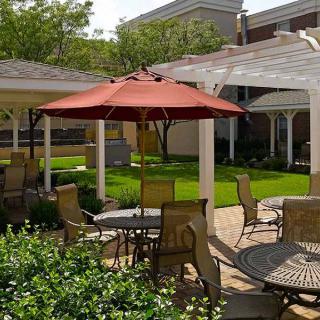
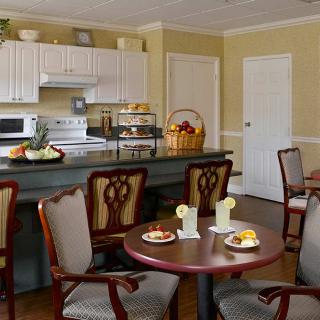
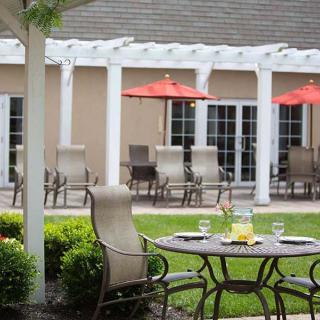
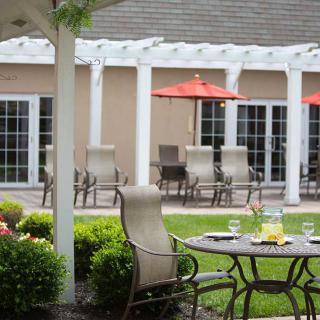
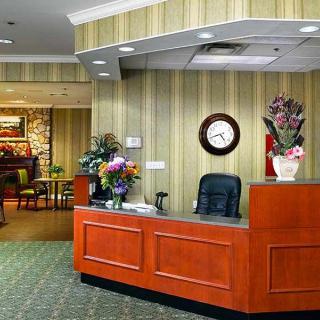
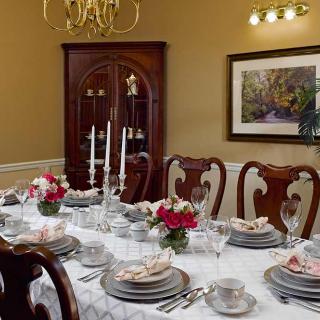
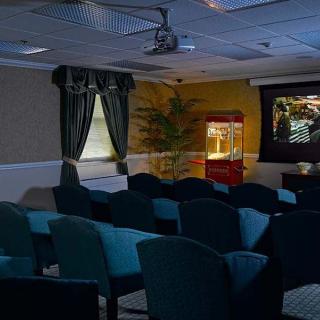
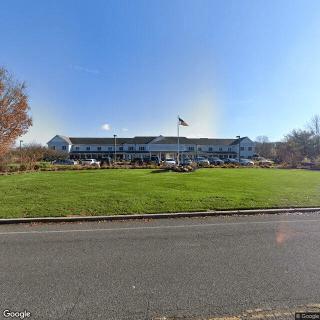
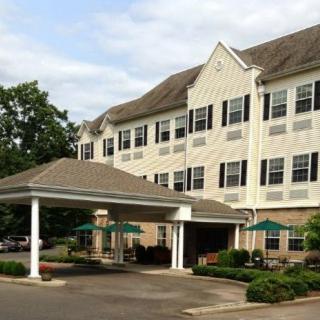
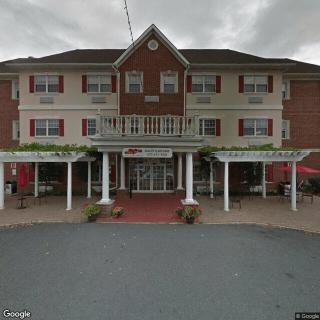
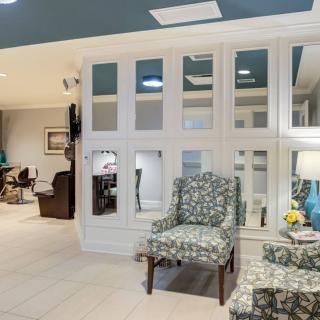
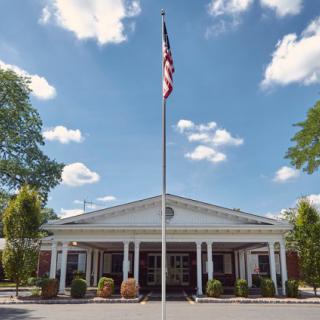
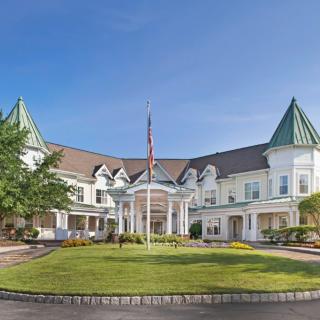
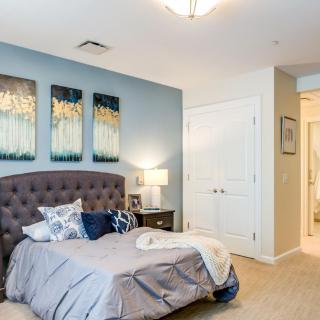
Atria Cranford on seniors.fyi includes 24 photos including images showing interior, floor plan, dining, decor, kitchen, architecture, living room, studio apartment, and more.
Nearby Communities
Care Alternatives
Cranford, NJ
Convenient Cranford location with nearby parks, pharmacies, physicians, dining, and transit.
Cranford Hall Nursing Home Inc
Cranford, NJ
Excellent access to nearby amenities and healthcare.
Cranford Park Rehabilitation & Healthcare Center
Cranford, NJ
4.2 from 109 reviews
Attentive, caring staff and a clean environment.
Independent Home Care, LLC
Cranford, NJ
Nutritious, customizable dining with gluten-free, low-sodium, no-sugar, organic, and vegan options.
Amada Senior Care of North Central New Jersey - Cranford, NJ
Cranford, NJ
5 from 43 reviews
Peaceful location with easy access to shops, healthcare, dining, and transportation.
Helping Hands Homecare
Clark, NJ
4.2 from 19 reviews
Caring, responsive staff with reliable caregiver coverage.
Cornell Hall Care & Rehabilitation Center
Union, NJ
4.1 from 127 reviews
Caring staff and engaging activities in a clean, welcoming environment.
Sunrise of Westfield
Westfield, NJ
4.4 from 68 reviews
$7,000 to $10,680 / month
Caring, attentive staff and engaging activities.
Arbor Terrace Mountainside
Mountainside, NJ
4.6 from 101 reviews
$5,800 to $10,545 / month
Beautiful, well-maintained facility with caring staff and engaging activities.
The article discusses the late stages of dementia, detailing the progression from mild to severe impairment and highlighting key characteristics such as profound cognitive decline and dependency in daily activities. It emphasizes care strategies focused on comfort and dignity, the importance of advance directives, and the emotional support needed for family caregivers facing this challenging journey.
The article examines the link between certain medications and increased dementia risk, particularly in older adults, emphasizing that long-term or high-dose use of anticholinergics, benzodiazepines, and other drug classes can exacerbate cognitive impairment. It calls for careful medication evaluation and shared decision-making to mitigate these risks while managing treatment efficacy.
The article emphasizes the significance of establishing a power of attorney for elderly parents to enable an agent to make decisions on their behalf regarding health and finances, especially during cognitive or physical decline. It outlines various types of power of attorney, the importance of consulting legal professionals, and the responsibilities and challenges faced by agents, while also discussing alternatives and common misconceptions.
Get PricingAsk A QuestionSchedule A TourContact Senior Advisor
By clicking submit, you agree to our Partner's Terms of Use. You
also consent to receive calls and texts, which may be autodialed, from our Partner. Your consent is not a condition to
using our Partner's service. Please visit our Partner's Privacy Policy for information about their privacy practices.

 308 resident community capacity
 1-bedroom apartments
 Assisted Living
 Independent Living
 Memory Care
 Cats allowed
 Dogs allowed
 Activities off-site
 Air-conditioning
 Beautician on-site
 Cable or satellite TV
 Cafe
Cafe Computer center
 Devotional services on-site
 Dining room
 Financing advice
 Fitness room
 Full kitchen
 Fully furnished
 Gaming room
 Garden
 Guest parking
 Housekeeping services
 Indoor common areas
 Laundry
 Move-in coordination
 Outdoor common areas
 Overnight guests
 Party space
 Private bathrooms
 Respite or short term stays offered
 Restaurant-style dining
 Security gate
 Small library
 Telephone
 Wellness center
 Wi-Fi/high-speed internet available
 Newark International (7 miles away)
 Community operated transportation
 12-16 hour nursing
 24-hour call system
 Ambulatory care
 Assistance with bathing
 Assistance with dressing
 Assistance with transfers
 Diabetes diet
 Diabetic care
 Hospice care
 Incontinence care
 Medication management
 Mental wellness program
 Physical therapy
 Special dietary restrictions
 Transportation arrangement (medical)
 Art classes
 Book club
 Catholic services
 Concierge services
 Cooking club
 Day trips and outings
 Educational speakers / life long learning
 Games
Games Happy hour
 Jewish services
 Live dance or theater performances
 Live musical performances
 English
 Convenient Cranford location with nearby parks, pharmacies, physicians, dining, and transit.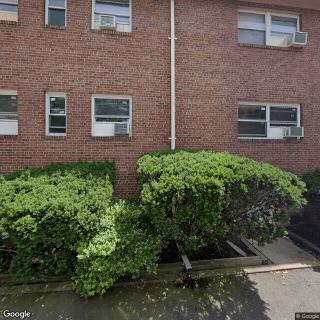

 Comprehensive Insights on the Late Stages of Dementia: What to Expect and How to Provide Care
 Medications Associated with Dementia Risk: A Comprehensive Overview
 Guiding Your Journey: Understanding Power of Attorney for Elderly Parents