Cranford Park Rehabilitation & Healthcare Center in Cranford, NJ

Save

  • Interior

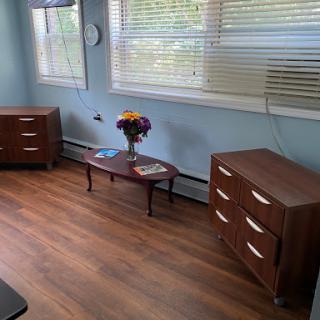
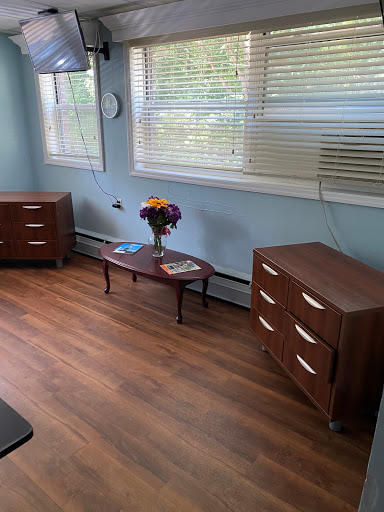
    A well-lit living room featuring modern wooden furniture and a vase of flowers.
  • Outdoors

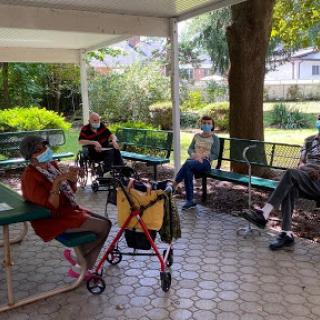
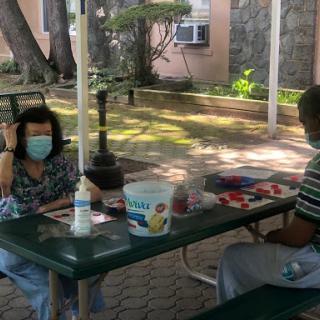
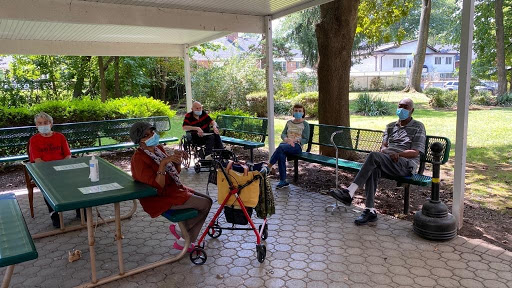
    Elderly individuals enjoying a social gathering in a shaded outdoor area.
  • Building

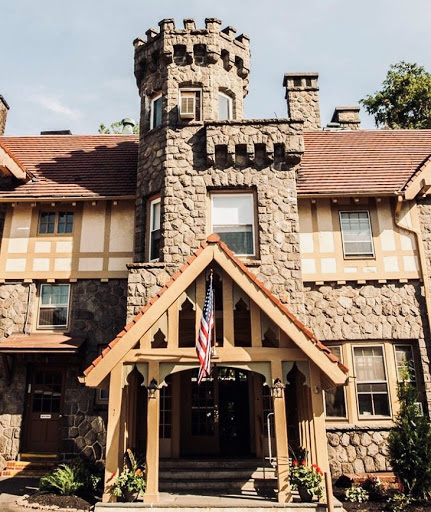
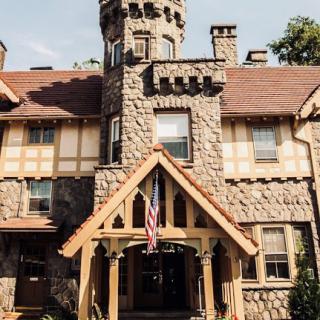
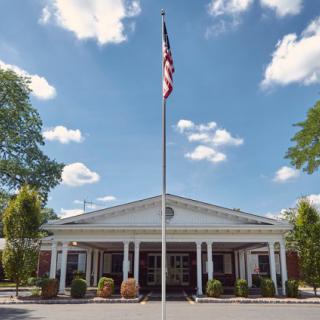
    A vintage-style building entrance adorned with an American flag.
  • Architecture

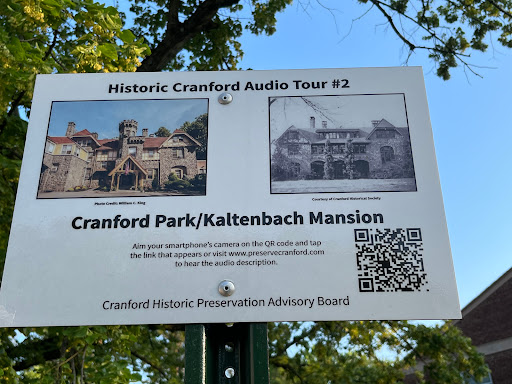
    A beautiful castle-like mansion featuring a stone facade and a decorative tower.
  • Bedroom

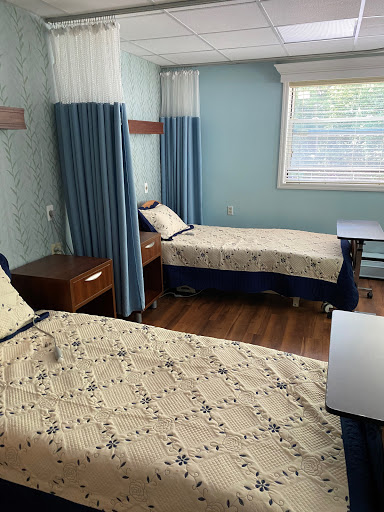
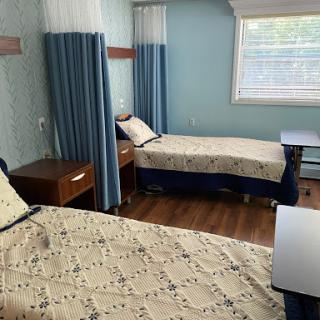
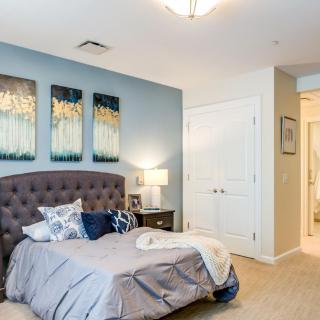
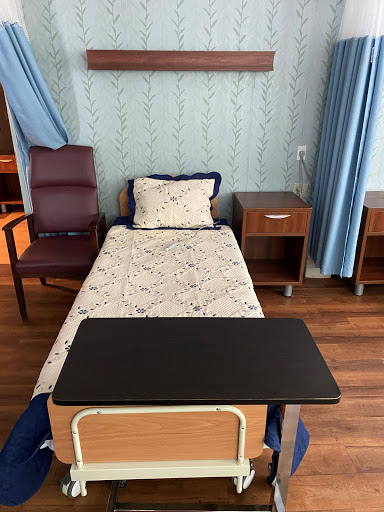
    A cozy shared bedroom with two beds, dressed in patterned bedding and surrounded by curtains in a calming blue environment.
  • Trees

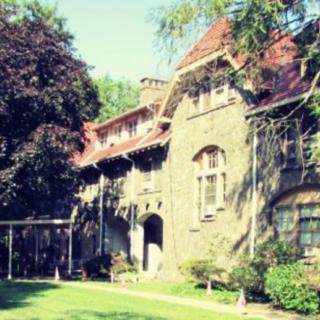
    A charming historic building surrounded by lush greenery on a bright, sunny day.
  • Landscaping

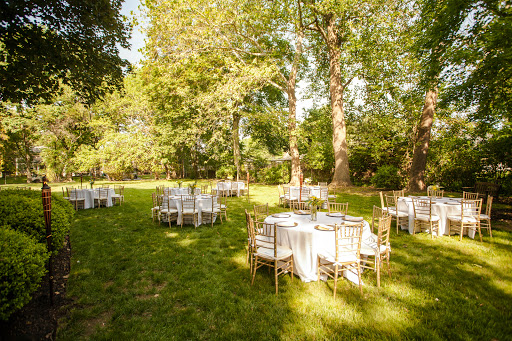
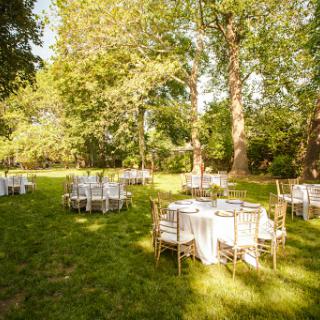
    A beautifully set outdoor venue for a celebration, surrounded by lush greenery.
  • Garden

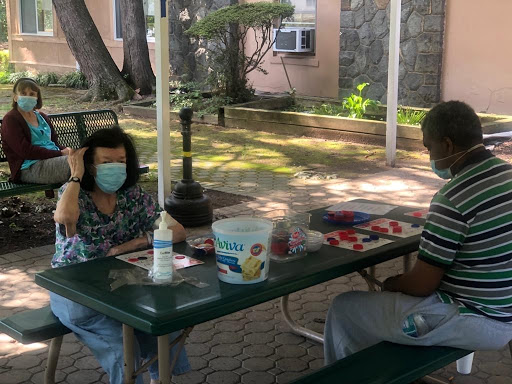
    Two individuals enjoying a conversation at a park table, both wearing face masks.
  • Outdoor

    An elderly man wearing a mask stands outdoors, holding a blue object and posing in front of a stone wall.

Cranford Park Rehabilitation & Healthcare Center in Cranford, NJ

600 Lincoln Park East, Cranford, NJ 07016

For more information about senior living options: (844) 490-3973

4.3 from 89 reviews
5 stars
63
4 stars
10
3 stars
4
2 stars
0
1 stars
12

Skilled Nursing Facility

Overall Review of Cranford Park Rehabilitation & Healthcare Center

Pros

  • pro The staff are incredibly nice and accommodating.
  • pro Residents are treated warmly from the moment they arrive.
  • pro The reception, admissions director, and administrators truly care about their residents.
  • pro The facility feels warm and homey, and residents become like family.
  • pro The sub-acute wing provides extraordinary care during difficult times.
  • pro The nursing staff's dedication and kindness go above and beyond to help patients adjust physically and emotionally.
  • pro The physical therapists bring exceptional skill and genuine enthusiasm to every session.
  • pro The case manager becomes a true advocate for residents.
  • pro The social activities director provides thoughtful programs that bring comfort, joy, and connection.
  • pro The rehabilitation department is outstanding and the team works well together to support recovery.
  • pro The private rooms and ambiance contribute to comfort and privacy during recovery.
  • pro The Director of Nursing and leadership maintain high standards of care.
  • pro The facility is clean, well-maintained, and welcoming.

Cons

  • pro The Cranford Park Care nursing home portion of the facility is disgraceful.
  • pro The nurses and staff are inexperienced, apathetic, uncaring, negligent.
  • pro Absolute NIGHTMARE. Do not send your loved ones here as they will be abused, neglected and given the wrong meds.
  • pro The staff is rude and negligent, and the place is filthy.
  • pro This place needs to be shut down immediately and investigated.
  • pro Worst place you can put your loved one.
  • pro They overmedicated her and did not monitor medications or report side effects.
  • pro The administration lacks follow-up to assure patients' needs are met.
  • pro The menu was limited and meals were often over- or undercooked.
  • pro The facility is dismal and dark.

Review

Cranford Park Rehabilitation & Healthcare Center is best suited for families seeking a rehab-forward, warm, and genuinely caring environment for an older adult who needs sub-acute recovery or dementia-focused care, with an emphasis on hands-on therapy and sustained nursing support. The community tends to shine for residents transitioning home after surgery or acute illness, where mobility restoration and individualized care plans are central. Those prioritizing a modern, pristine hospital-like setting or an overseen, ultra-tight clinical control may want alternatives with a more clinical footprint. Families who value a strong local nursing and therapy team, plus a homey atmosphere, will find Cranford Park particularly compelling.

The strongest selling points center on the staff and the rehab program. Repeated remarks praise the kindness and accommodation of front-line teams, from nurses to CNAs and reception staff, who create a welcoming, almost family-like mood. The rehab department is frequently described as a standout, with therapists who are not only skilled but genuinely engaged in patient goals. Case managers and social workers are cited as proactive advocates, navigating insurance and discharge planning with persistence. The facility also earns praise for meaningful activity programming and a social-work emphasis that keeps families informed and involved. In short, where rehab outcomes and relational care matter most, Cranford Park often delivers decisively.

But the collective experience is not uniformly rosy. A persistent thread in the reviews highlights serious concerns about safety, communication, and consistency. Some families recount situations that raised alarms about medical oversight, timely responses, and appropriate monitoring, including allegations of medication issues and delayed attention to emergencies. Other accounts describe a facility that can feel understaffed at times, with gaps in information sharing between shifts or teams. Critics point to older sections of the building and some maintenance challenges, which can amplify dissatisfaction when medical care feels uneven or when amenities don't meet expectations. These contrasts mean that outcomes and experiences can diverge sharply from unit to unit and from week to week.

The favorable aspects do carry substantial weight in offsetting the drawbacks, particularly for families prioritizing rehab gains and personalized attention. When the rehab team is aligned - Taylor as the director of rehab, Lorraine and her therapists, and the supportive nursing staff - the path to meaningful functional improvement can be rapid and measurable. Several residents report successful weanings, improved mobility, and smoother transitions home, aided by attentive discharge planning and careful coordination with home health services. Even amidst criticism, the presence of a strong wound-care focus, effective pain management, and consistent nursing engagement emerges as a common denominator for many positive chapters at Cranford Park.

For families evaluating options, practical steps sharpen the decision. Schedule a tour during a time when rehab services are running to observe therapy sessions, talk directly with the director of rehab, and meet the lead nurses who will be responsible for daily care. Inquire about staffing ratios on shifts, escalation procedures for concerns, and how communication with families is handled daily. Request a candid briefing on infection-control history and any recent state survey results, and ask for concrete examples of discharge outcomes and post-acute support. If dementia or Alzheimer's care is a priority, seek firsthand impressions of the dedicated unit and its security protocols, and ask about daily activity availability tailored to cognitive needs.

Overall, Cranford Park stands out as a principled choice for families seeking high-quality rehabilitation and a compassionate, engaged staff in a homey setting. The facility can produce outstanding recovery stories when the rehab team operates at peak performance, backed by attentive nursing and hands-on case management. However, potential visitors should be mindful of the serious caveats voiced by a subset of families: experiences can be highly variable, and safety and communication gaps have been reported. If the priority is a consistently flawless clinical record, alternatives may be warranted; for those who value an energetic rehab culture, a supportive care team, and a strong advocacy framework, Cranford Park warrants serious consideration and a rigorous, in-person evaluation. Names to request during tours include Taylor (rehab director), Lorraine (PT), Justin (nursing), Terri (admissions/case management), and Mark (social work) to see how their collaboration translates into care on the ground.

Features

Housing

  • 100 resident community capacity 100 resident community capacity

Types of Care

  • Skilled Nursing Facility Skilled Nursing FacilitySkilled Nursing Facilities are crucial for seniors as they provide round-the-clock medical care, rehabilitation services, and assistance with daily activities. These facilities ensure that seniors receive the specialized care they need to maintain their health and well-being as they age.

Amenities

  • Air-conditioning Air-conditioningAir conditioning is important for seniors as they are more vulnerable to heat-related illnesses and may have underlying health conditions that make it difficult for them to regulate their body temperature. It helps to keep them comfortable, safe, and healthy in hot weather.
  • Beauty salon Beauty salonBeauty salons are important for seniors because they provide a space for them to feel pampered, socialize, and maintain their personal grooming and hygiene. Regular visits to a beauty salon can help boost seniors' self-esteem and overall well-being.
  • Cable or satellite TV Cable or satellite TVCable or satellite TV is important for seniors because it provides entertainment, news, and companionship, helping to combat loneliness and boredom. It also offers a wide range of programming options tailored to different interests and preferences.
  • Computer center Computer centerA computer center is essential for seniors as it provides access to technology, communication tools, and resources that can enhance their daily lives. It allows them to stay connected with loved ones, engage in online activities, and learn new skills, ultimately promoting socialization and mental stimulation.
  • Dining room Dining roomDining rooms are important for seniors as they provide a space for socialization, connection, and nutritious meals. They offer opportunities for residents to bond over shared meals, foster a sense of community, and promote healthy eating habits. Dining rooms also ensure that seniors have access to well-balanced meals tailored to their dietary needs and preferences.
  • Fitness room Fitness roomHaving a fitness room in a senior living community is essential for seniors to stay active, maintain their physical health, and improve their overall well-being. Regular exercise can help prevent falls, reduce the risk of chronic diseases, and promote mental sharpness. It also provides social opportunities for residents to connect with others and enjoy a sense of community.
  • Fully furnished Fully furnishedFully furnished senior living communities are important for seniors because they provide convenience, comfort, and a hassle-free moving experience. Seniors can easily settle into their new living space without the stress of having to buy and move furniture. This allows them to focus on enjoying their new home and community.
  • Gaming room Gaming roomGaming rooms are important for seniors as they provide a fun and engaging environment for socializing, cognitive stimulation, and physical activity. Games can improve memory, problem-solving skills, and overall mental well-being while fostering friendships and reducing feelings of isolation.
  • Garden GardenGardens are important for seniors as they provide a peaceful and therapeutic environment for relaxation, physical activity, and socialization. Being in nature has been shown to reduce stress, improve mood, and promote overall well-being. Gardens also offer opportunities for seniors to engage in gardening activities, which can improve mobility, flexibility, and cognitive function. Additionally, gardens create a sense of community and connection with others who share a passion for plants and outdoor spaces.
  • Housekeeping services Housekeeping servicesHousekeeping services are important for seniors because they help maintain a clean and safe living environment, promote independence, and reduce the risk of accidents or illnesses. Additionally, having assistance with household chores can alleviate physical strain and allow seniors to focus on other aspects of their well-being.
  • Kitchenette KitchenetteKitchenettes are important for seniors living in senior living communities because they provide the convenience and independence of being able to prepare simple meals and snacks in the comfort of their own living space. This can help promote a sense of autonomy and well-being for seniors, allowing them to maintain some level of control over their dietary choices and daily routines.
  • Move-in coordination Move-in coordinationMove-in coordination is important for seniors because it helps ease the transition into their new living environment. It ensures that all logistics, such as packing, organizing movers, and setting up utilities are taken care of, allowing seniors to focus on settling in and adjusting to their new home. Having a smooth move-in process can alleviate stress and anxiety, making the transition smoother and more enjoyable for seniors.
  • Outdoor space Outdoor spaceOutdoor spaces are important for seniors as they provide opportunities for physical activity, social interaction, exposure to natural light and fresh air, and a sense of connection to nature. Having access to outdoor spaces can improve overall well-being and quality of life for older adults living in senior communities.
  • Private bathrooms Private bathroomsPrivate bathrooms are important for seniors in senior living communities because they provide independence, dignity, and comfort. Having a private bathroom allows seniors to maintain their personal hygiene routines without the need for assistance, promoting a sense of autonomy and privacy. Additionally, private bathrooms help prevent the spread of infections and provide a safe and clean environment for seniors to navigate safely.
  • Restaurant-style dining Restaurant-style diningRestaurant-style dining is important for seniors because it allows them to enjoy delicious, nutritious meals in a social and upscale setting. This enhances their dining experience, promotes healthy eating habits, and fosters socialization with fellow residents, ultimately contributing to their overall well-being and quality of life.
  • Small library Small librarySmall libraries are important for seniors as they provide access to a variety of reading materials, including books, newspapers, and magazines. This can help stimulate their minds, keep them engaged, and provide a sense of community through book clubs and other social activities. Additionally, reading has been shown to improve cognitive function and overall mental well-being in older adults.
  • Telephone TelephoneTelephones are important for seniors as they provide a lifeline for communication with loved ones, emergency services, and healthcare providers. They offer a sense of security and independence, enabling seniors to stay connected and access assistance when needed.
  • Wellness center Wellness centerWellness centers are important for seniors because they offer a variety of programs and services that promote physical, mental, and emotional well-being. These centers provide opportunities for exercise, socialization, education, and relaxation, helping seniors maintain their overall health and quality of life.
  • Wi-Fi/high-speed internet available Wi-Fi/high-speed internet availableWi-Fi/high-speed internet is important for seniors to stay connected with loved ones, access online resources, and participate in virtual activities to combat feelings of loneliness and isolation. It also allows them to easily manage healthcare needs, access entertainment, and engage in lifelong learning opportunities.

Transportation

  • Newark International (7 miles away) Newark International (7 miles away)
  • LaGuardia (24 miles away) LaGuardia (24 miles away)
  • Community operated transportation Community operated transportationCommunity operated transportation is crucial for seniors as it provides them with the means to access essential services, social activities, and medical appointments. It allows seniors to maintain their independence and quality of life by ensuring they can participate in activities outside of their homes. Additionally, community-operated transportation services offer a safe and reliable way for seniors to travel without having to rely on family or friends for assistance.
  • Transportation arrangement Transportation arrangementTransportation arrangements are crucial for seniors as they may face challenges with driving, mobility, or access to public transportation. Having reliable transportation services ensures that seniors can easily attend appointments, social activities, and maintain their independence and quality of life.
  • Transportation arrangement (non-medical) Transportation arrangement (non-medical)Transportation arrangements are essential for seniors as they provide access to essential services, activities, and social interactions outside the home. This service helps maintain independence, mobility, and overall well-being for seniors who may have limited transportation options.
  • Transportation to doctors appointments Transportation to doctors appointmentsTransportation to doctors appointments is crucial for seniors as it ensures they have access to necessary medical care and support, promoting their health and well-being. It allows them to receive timely treatment, monitor existing conditions, and address any new health concerns efficiently. Additionally, transportation services can help seniors maintain their independence and quality of life by enabling them to stay connected with their healthcare providers.

Care Services

  • 12-16 hour nursing 12-16 hour nursing12-16 hour nursing care is crucial for seniors in order to ensure around-the-clock monitoring, timely medication administration, and prompt response to any health concerns or emergencies. This level of care helps to promote the overall well-being and safety of seniors living in senior living communities.
  • 24-hour call system 24-hour call system24-hour call systems are important for seniors because they provide peace of mind and immediate assistance in case of emergencies. This technology ensures that help is always available, promoting safety and security for elderly individuals living alone or in assisted living facilities.
  • 24-hour supervision 24-hour supervision24-hour supervision is important for seniors to ensure their safety, well-being, and access to immediate assistance in case of emergencies or health issues. This constant support provides peace of mind for both seniors and their loved ones, allowing them to age in place with dignity and security.
  • Activities of daily living assistance Activities of daily living assistanceActivities of daily living assistance are important for seniors because they provide essential support with tasks such as eating, bathing, dressing, and mobility. This assistance helps seniors maintain their independence, dignity, and overall quality of life as they age.
  • Assistance with bathing Assistance with bathingAssistance with bathing is crucial for seniors as it helps maintain personal hygiene, prevents infections, and ensures their overall well-being and comfort. It also provides a sense of dignity and independence for seniors who may struggle with this task on their own.
  • Assistance with dressing Assistance with dressingAssistance with dressing is important for seniors because it helps maintain their independence, promotes personal hygiene, prevents accidents and injuries, and improves overall quality of life. This service ensures that seniors can continue to dress comfortably and confidently, despite any physical limitations they may have.
  • Assistance with transfers Assistance with transfersAssistance with transfers is crucial for seniors as it helps prevent falls and injuries, maintains their independence, and ensures they can safely navigate their living environment. It also provides peace of mind for both seniors and their loved ones.
  • Diabetes diet Diabetes dietA diabetes diet is crucial for seniors as it helps manage blood sugar levels, reduce risks of complications, and improve overall health and well-being. By following a balanced and nutritious diet tailored to their specific needs, seniors can better control their diabetes and enhance their quality of life.
  • Meal preparation and service Meal preparation and serviceMeal preparation and service are crucial for seniors as they may have limited mobility or energy to cook nutritious meals. Having access to healthy and convenient food options can ensure they are getting the proper nutrition needed to maintain their overall health and well-being.
  • Medication management Medication managementMedication management is crucial for seniors to ensure they are taking the right medications at the correct dosages and times. This helps prevent adverse drug interactions, reduces the risk of medication errors, and promotes overall health and well-being. Proactive management also allows for adjustments as needed based on changing health conditions or new prescriptions.
  • Mental wellness program Mental wellness programMental wellness programs are essential for seniors as they promote cognitive stimulation, emotional support, and social engagement. These programs help prevent isolation, depression, and cognitive decline, ultimately enhancing the overall quality of life for older adults.
  • Special dietary restrictions Special dietary restrictionsSpecial dietary restrictions are important for seniors because age-related changes in metabolism and health conditions can make it difficult for their bodies to process certain foods. By following a diet tailored to their specific needs, seniors can maintain their overall health and well-being, manage chronic conditions, and reduce the risk of complications such as malnutrition or food interactions with medications.

Dining

  • Diabetes diet Diabetes dietA diabetes diet is crucial for seniors as it helps manage blood sugar levels, reduce risks of complications, and improve overall health and well-being. By following a balanced and nutritious diet tailored to their specific needs, seniors can better control their diabetes and enhance their quality of life.
  • Special dietary restrictions Special dietary restrictionsSpecial dietary restrictions are important for seniors because age-related changes in metabolism and health conditions can make it difficult for their bodies to process certain foods. By following a diet tailored to their specific needs, seniors can maintain their overall health and well-being, manage chronic conditions, and reduce the risk of complications such as malnutrition or food interactions with medications.

Activities

  • Community-sponsored activities Community-sponsored activitiesCommunity-sponsored activities are important for seniors as they provide opportunities for social interaction, mental stimulation, and physical activity. These activities can help improve overall well-being, combat loneliness and isolation, and promote a sense of belonging and purpose among older adults.
  • Concierge services Concierge servicesConcierge services are essential for seniors as they provide assistance with daily tasks and errands, enhance their quality of life by offering convenience and personalized care, and promote a sense of safety and security.
  • Fitness programs Fitness programsFitness programs are crucial for seniors as they help improve strength, flexibility, balance, and overall well-being. Staying active can reduce the risk of chronic diseases, improve mental health, and enhance quality of life in older adults.
  • Planned day trips Planned day tripsPlanned day trips are important for seniors because they offer opportunities for socialization, mental stimulation, and physical activity. They provide a change of scenery and help seniors stay engaged and connected to their community, promoting overall well-being and quality of life.
  • Resident-run activities Resident-run activitiesResident-run activities are important for seniors as they encourage social interaction, creativity, and a sense of autonomy. These activities empower seniors to stay engaged and active in their community while fostering meaningful connections with their peers.
  • Scheduled daily activities Scheduled daily activitiesScheduled daily activities are important for seniors because they provide structure, socialization, mental stimulation, and physical activity. Engaging in regular activities can improve overall well-being and quality of life for seniors living in a community setting.

Description

Cranford Park Rehabilitation & Healthcare Center is an assisted living community located in Cranford, NJ. Our community offers a wide range of amenities to enhance the lives of our residents. In terms of entertainment and relaxation, we have a beauty salon for hair care needs, cable or satellite TV in each room, a gaming room for recreational activities, and a small library for quiet reading time. Our residents can also enjoy the beautiful outdoor space and garden.

We understand the importance of staying connected in today's digital age, which is why we provide Wi-Fi/high-speed internet access throughout the community. For those who need transportation assistance, we offer community operated transportation as well as arrangements for non-medical transportation and transportation to doctors' appointments.

At Cranford Park Rehabilitation & Healthcare Center, we prioritize the comfort and well-being of our residents. Each room is fully furnished with private bathrooms and housekeeping services are provided. Our dining options include restaurant-style dining with special dietary restrictions taken into consideration. Meals are prepared and served by our staff to ensure proper nutrition.

Care services at our community are comprehensive and designed to meet individual needs. We have a 24-hour call system for immediate assistance and supervision for added safety. Our trained caregivers provide assistance with activities of daily living such as bathing, dressing, and transfers. We also offer medication management to ensure that residents take their prescribed medications on time.

To promote mental wellness, we have a dedicated program that focuses on the mental health of our residents. Additionally, exercise programs are available in our fitness room along with planned day trips to keep residents engaged and active.

In terms of nearby amenities, Cranford Park Rehabilitation & Healthcare Center is conveniently located near cafes, parks, pharmacies, physicians' offices, restaurants, and transportation services.

Overall, Cranford Park Rehabilitation & Healthcare Center provides a comfortable and enriching environment for seniors seeking assisted living care in Cranford, NJ.

Nearby Places of Interest

Pharmacies

  • Walgreens (0.6 miles)
  • Walgreens (1.6 miles)
  • ACME Markets Pharmacy (2 miles)
  • Walgreens (2.2 miles)
  • CVS Speciality (2.2 miles)
  • Walgreens (3.3 miles)
  • CVS Pharmacy (3.4 miles)

Physicians

  • Premier Urology Group (0.6 miles)
  • Kenilworth Primary Care (1.6 miles)
  • Merck (2.1 miles)
  • Kartan Saritha Summit Medical Group Westfield (2.5 miles)
  • Summit Medical Group (5.2 miles)
  • New Jersey Spine Center (7.1 miles)

Parks

  • Winfield Park (1.4 miles)
  • Mindowaskin Park (2.5 miles)
  • Milton Lake Park (3.3 miles)
  • Ponderosa Farm Park (4 miles)
  • Forest Road Park (4.7 miles)
  • Merrill Park (5.2 miles)
  • Memorial Park (5.6 miles)

Cafes

  • Starbucks (2.5 miles)
  • The Bread Stand (5.1 miles)
  • True Salvage Cafe (5.8 miles)
  • Starbucks (6.2 miles)
  • Dunkin (6.6 miles)
  • Wegmans Food Markets (7.2 miles)

Restaurants

  • Bond Street Cafe (3.3 miles)
  • El Gordo (3.4 miles)
  • Huck Finn Diner (3.5 miles)
  • Millburn Delicatessen (5 miles)
  • Bagels 4 U of Short Hills (5 miles)
  • Stage House Tavern (5.2 miles)
  • Scotchwood Diner (5.3 miles)

Transportation

  • NJT - Rahway Station (3.4 miles)
  • NJT - Millburn Station (5.1 miles)
  • NJT - Short Hills Station (5.2 miles)
  • NJT - Summit Station (5.4 miles)
  • NJT - Maplewood Station (5.6 miles)
  • New Jersey Transit - Metropark Station (6.1 miles)
  • Avis Rent A Car (6.4 miles)

Places of Worship

  • Morrow Memorial United Methodist Church (5.5 miles)
  • Church of the Little Flower (7.6 miles)

Theaters

  • 2198 Amc Jersey Garden (6.9 miles)
  • AMC DINE-IN Menlo Park 12 (7.6 miles)

Hospitals

  • Saint Barnabas Medical Center (7.7 miles)

Frequently Asked Questions

Where is Cranford Park Rehabilitation & Healthcare Center?
What photos are available for Cranford Park Rehabilitation & Healthcare Center in Cranford, New Jersey?

Nearby Communities

  • Cranford Hall Nursing Home Inc

    Cranford Hall Nursing Home Inc

    Cranford, NJ


    pro Excellent access to nearby amenities and healthcare.
  • Independent Home Care,  LLC

    Independent Home Care, LLC

    Cranford, NJ


    pro Nutritious, customizable dining with gluten-free, low-sodium, no-sugar, organic, and vegan options.

  • Amada Senior Care of North Central New Jersey - Cranford,  NJ

    Amada Senior Care of North Central New Jersey - Cranford, NJ

    Cranford, NJ

    5 from 40 reviews
     

    pro Peaceful location with easy access to shops, healthcare, dining, and transportation.

  • Care Alternatives

    Care Alternatives

    Cranford, NJ


    pro Convenient Cranford location with nearby parks, pharmacies, physicians, dining, and transit.

  • Atria Cranford

    Atria Cranford

    Cranford, NJ

    4.3 from 176 reviews
    $4,195 to $10,095 / month

    pro Caring staff and a diverse, engaging activity calendar in a welcoming, well-maintained setting.

  • Cranford Rehab and Nursing Center

    Cranford Rehab and Nursing Center

    Cranford, NJ


    pro Fully furnished rooms, restaurant-style dining, and engaging activities with mental wellness support.

  • Sunrise of Westfield

    Sunrise of Westfield

    Westfield, NJ

    4.4 from 60 reviews
    $7,000 to $10,680 / month

    pro Caring, attentive staff and engaging activities.

  • Cornell Hall Care & Rehabilitation Center

    Cornell Hall Care & Rehabilitation Center

    Union, NJ

    4 from 110 reviews
     

    pro Caring staff and engaging activities in a clean, welcoming environment.

  • Arbor Terrace Mountainside

    Arbor Terrace Mountainside

    Mountainside, NJ

    4.5 from 84 reviews
    $5,800 to $10,545 / month

    pro Beautiful, well-maintained facility with caring staff and engaging activities.

Related Resources

  • does medicare cover hospiceComprehensive Guide to Medicare Coverage for Hospice Care

    Hospice care focuses on providing comfort and support for individuals nearing the end of life, with Medicare Part A covering services like nursing care and counseling for patients with a terminal illness and a life expectancy of six months or less. While most hospice services are low-cost for eligible patients, families should be aware that certain expenses, such as room and board, may not be covered.

  • caregiver burnoutCaring for Those Who Care: Recognizing, Understanding, and Overcoming Caregiver Burnout

    Caregiver burnout is a common issue resulting from the intense physical, emotional, and mental demands of caregiving, leading to symptoms like fatigue and social withdrawal. To prevent burnout, caregivers should recognize early warning signs and implement self-care strategies, seek support, and prioritize their own well-being alongside that of those they care for.

  • caregiver burnoutCaregiver Exhaustion: Recognizing the Signs and Restoring Your Well-Being
    Caregiver exhaustion, or burnout, stems from the relentless demands of caregiving, leading to emotional and physical depletion characterized by stress, frustration, and neglect of personal needs. Addressing this burden is essential to prevent long-term consequences, with early recognition and support being crucial for caregivers to maintain balance and implement self-care.