
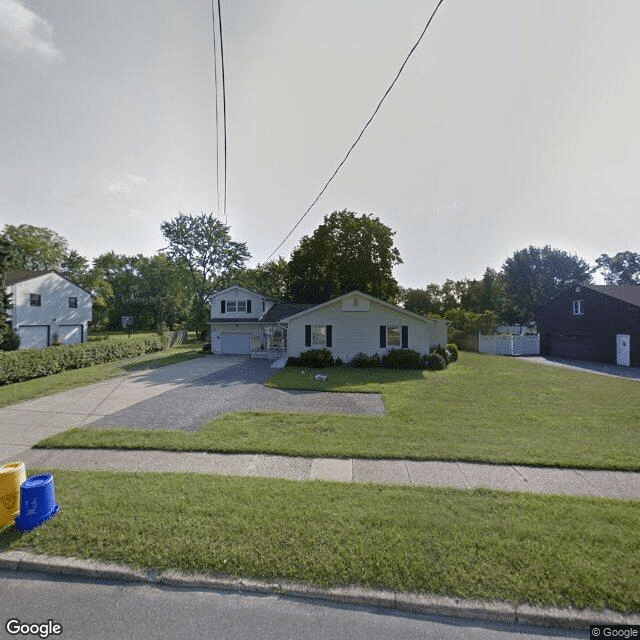
71 Comly Rd, Lincoln Park, NJ 07035
To contact a resident: (973) 641-1075
For more information about senior living options: (866) 208-4318
The Carriage House of Lincoln Park Costs & Pricing
The Carriage House of Lincoln Park offers competitive pricing for its care services when compared to the broader market in Morris County and the state of New Jersey. For those seeking semi-private accommodations, The Carriage House charges $3,750 per month, significantly lower than the average costs in Morris County at $5,850 and the state average of $5,068. Similarly, for private room options, residents benefit from a monthly rate of $4,050, which again falls below both the county's average rate of $5,919 and New Jersey's statewide average of $5,799. This cost-effective approach allows residents and their families to receive quality care without compromising on comfort or financial stability.
| Floor plans | The Carriage House of Lincoln Park | Morris County | New Jersey |
|---|---|---|---|
| Semi-Private | $3,750 | $5,850 | $5,068 |
| Private | $4,050 | $5,919 | $5,799 |
Senior living communities with a similar price nearby
-
from +$450 / mo
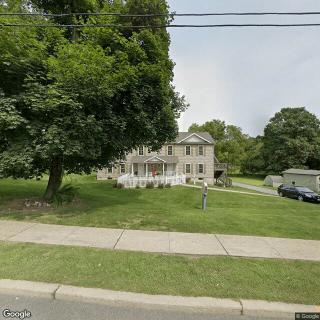
Ave Care at Newton
$4,200 to $5,200 / month24.6 miles away -
from +$550 / mo
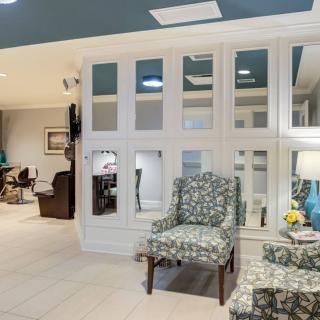
Arbor Terrace Morris Plains
$4,300 to $9,460 / month12.2 miles away -
from -$350 / mo
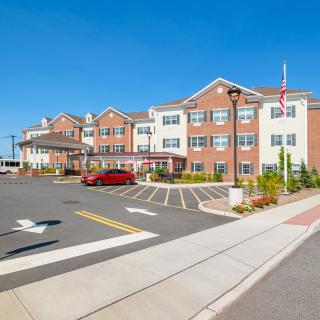
The Chelsea at Fair Lawn
$3,400 to $6,600 / month8.6 miles away -
from -$250 / mo

The Society House
$3,500 to $5,818 / month10.3 miles away -
from -$655 / mo
Pine Valley Center For Rehabilitation And Nursing
$3,095 to $7,395 / month19.5 miles away
Overall Review of The Carriage House of Lincoln Park
Pros
 The Carriage House is a small, very nice facility that houses about five residents.
- The staff is easy to communicate with and knowledgeable about their work.
- The director/owner is awesome and goes out of her way to accommodate families and provide high-quality care.
- The facility is clean and well-kept by housekeeping.
- The level of care meets residents’ needs and offers good value for the price.
- The overall experience demonstrates a strong commitment to care and a welcoming environment.
- Families would be encouraged to recommend Carriage House to others.
Cons
 The facility wasn’t equipped for the level of care her mother needed.
- They had to pay extra to hire a CNA to care for her.
- The food needed more seasoning.
Review
The Carriage House of Lincoln Park is best suited for families seeking an intimate, home‑like assisted living option where a resident roster is small enough for highly personalized care. With roughly five residents at a time, this community allows caregivers to know each person deeply, monitor subtle changes quickly, and tailor daily routines to individual preferences. The setting rewards families that value direct access to an engaged administrator and a hands‑on staff who can pivot as needs evolve. When a loved one benefits from constant, visible attention and a partner in care rather than a large, impersonal campus, this community becomes a compelling match.
That said, potential buyers should consider alternatives for residents who require higher acuity medical support or broader clinical oversight. If continuous skilled nursing, complex rehabilitation, or memory‑care programming is essential, a larger community or a dedicated memory unit may deliver the consistent level of medical staffing and structured programming those needs demand. Families on a tight budget or seeking included CNA coverage within the base rate will also want to compare options, as the Carriage House relies on adding a paid CNA to meet specific care requirements. Additionally, if a robust activity calendar and expansive social opportunities are non‑negotiable, a bigger setting might be a better fit.
The standout advantages revolve around communication, leadership, and cleanliness. Staff are described as easy to talk with and knowledgeable, delivering care with confidence. The director/owner’s commitment is a defining feature, she goes out of her way to accommodate families and demonstrates a level of dedication that translates into dependable continuity of care. Cleanliness is consistently noted, with housekeeping and laundry handled on site and rooms kept tidy. Nutrition is solid, supporting daily energy with a well‑balanced menu, even if one resident joked that seasoning could be improved. Taken together, these elements create an atmosphere of reliability and respect for residents’ dignity.
The main drawbacks center on the mismatch between base care and individual needs, plus the cost implications of filling gaps with private support. The initial admission may reveal that the standard level of care isn’t sufficient for every resident, necessitating a separate CNA arrangement. That reality introduces ongoing expenses beyond the base rate. The small scale, while intimate, can constrain activity variety and the density of on‑site services on any given day, potentially leaving some residents longing for more stimulation or a wider pool of peers to socialize with.
Despite these tradeoffs, the pros substantially offset the cons for families who prioritize bespoke attention and a caregiver team that can be nimble. The premium placed on staff accessibility, transparent communication, and a director who actively shapes care plans translates into a safer, more reassuring experience for relatives. Cleanliness, dietary quality, and visible stewardship further reinforce trust that a loved one is being looked after with shared accountability. For families willing to invest in targeted supports to complement a small‑scale model, the value delivered can exceed expectations relative to the price.
Bottom line: The Carriage House of Lincoln Park stands out as a strong choice for those needing an exceptionally attentive, small‑scale setting with a hands‑on administrator at the helm. It suits residents who can thrive with flexible, personalized assistance and who are prepared to pay for added CNA support when necessary. Those seeking deep medical oversight, an extensive activity program, or included comprehensive caregiving within the base rate should evaluate larger communities or skilled‑nursing options. A focused visit and a candid discussion about escalation plans and CNA arrangements will clarify whether this setting aligns with the loved one’s trajectory and family goals.
 Board and Care Home
 Private
 Respite or short term stays offered
 Newark International (18 miles away)
 Diabetic care
 High acuity care
 Incontinence care
 Medication management
 Light therapy programs







 9 Stimulating Memory Activities for Seniors: Puzzles, Cards, and Much More
 Managing Nursing Home Expenses After Medicare Coverage Ends
 Is a Geriatric Care Manager the Right Choice for Your Family?