
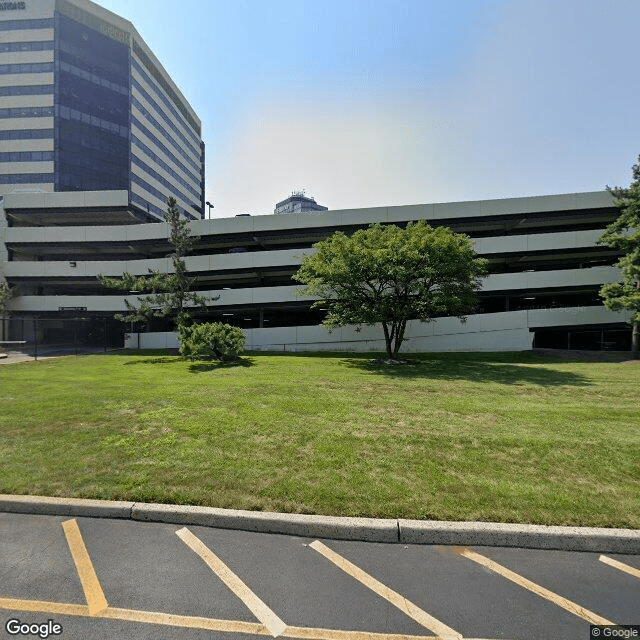
1 Meadowlands Plaza Suite 200, Rutherford, NJ 07073
To contact a resident: (201) 340-2641
For more information about senior living options: (866) 208-4318
Overall Review of Golden Heart Senior Care
Pros
 GoldenHearts LLC goes above and beyond in caring for children with disabilities, especially those on the autism spectrum.
- The team at Golden Hearts is professional, well-trained, deeply compassionate, and patient, qualities that make all the difference.
- GoldenHearts LLC creates a safe, nurturing, and joyful environment where every child is treated with dignity, love, and respect.
- Golden Hearts focuses on each child’s unique needs and strengths, helping them grow, thrive, and gain confidence in their abilities.
- Golden Hearts is a rare place that feels like both a support system and a second home for families.
- Golden Hearts is highly recommended for trustworthy, heart-centered care.
Review
This community is best suited for families seeking a safe, nurturing, and highly individualized care setting for children with disabilities, especially those on the autism spectrum. The most persuasive indicators are staff who are described as professional, well-trained, deeply compassionate, and patient. When combined with a consistently safe and joyful environment, these traits create a shoreline of trust for families who need reliable, long-term care that honors each child’s dignity and unique strengths. In short, the model shines where a family wants a supportive, home-like tone in caregiving.
For families focused on senior living, this may not be the optimal fit. The reviews center on pediatric care and family dynamics around children, and there is little to no evidence of elder-specific services such as memory care, routine nursing oversight, or adult-focused therapies. Prospective residents with chronic medical needs, complex medication regimens, or mobility challenges typical of aging populations should look for communities with explicit elder-care credentials, licensed nursing on site, and programs designed for seniors. The décor and routines that feel like a “second home” for families of children may not translate into the right atmosphere for older adults with distinct safety and medical requirements.
The strengths highlighted by the reviews are unmistakable and meaningful. Staff are described as professional, well-trained, compassionate, and patient, qualities that underpin skilled caregiving in any setting. The environment is characterized as safe, nurturing, and joyful, with residents treated with dignity, love, and respect. A clear focus on each child’s unique needs and strengths is framed as a pathway for growth, resilience, and growing self-confidence. Families consistently find reassurance in the sense of a dependable support system that feels like a true extension of home, which can be a compelling benefit in any caregiving decision.
However, the primary drawback is the uncertain fit for elder care. The absence of documented elder-specific services raises questions about how medication management, nurse availability, fall prevention, and age-appropriate social or cognitive programming would be handled. Without explicit evidence that the facility can accommodate common senior needs, especially for residents with dementia or advanced medical conditions, the risk of misalignment remains a substantial consideration. This gap does not negate the caregiving strengths described, but it does limit applicability for most families evaluating traditional assisted living with memory care.
When the positive caregiving values translate to an elder setting, they can still be compelling. The core virtues, dignity, respect, individualized attention, and a closely knit caregiving team, align with what many seniors and families seek in assisted living. If senior care can be delivered with the same level of compassion and a similarly structured, stable staff environment, these advantages would offer meaningful quality of life gains for residents who value consistency and a warm, family-like culture. Yet, without a proven elder-care framework, the advantages do not automatically overcome the missing adult-focused services.
For families weighing options in Rutherford, NJ, the practical path is clear. Treat this community as an exemplar of what highly attentive, child-centered caregiving can look like, and compare it against senior-focused facilities that provide explicit elder-care programs, licensed nursing, medication management, and memory-care options. Request concrete evidence of elder-oriented capabilities: on-site RNs or LPNs, 24/7 mediation of medications, safety adaptations for falls, mobility assistance, and clearly defined activity plans for adults. If those elements exist and are robust, the baseline strengths in staffing culture and personalized care become strong complements. If not, prefer alternatives that clearly address the full spectrum of senior needs.
 Newark International (11 miles away)
 6 Crucial Ways an Elder Law Attorney Assists Families
 Navigating the Tax Landscape of Caregiving: Credits, Deductions, and Beyond
 Highly Beneficial Low-Impact Exercises for Senior Living Residents