
11 Wycoff Way East, East Brunswick, NJ 08816
For more information about senior living options: (866) 208-4318
Overall Review of The Club at East Brunswick
Pros
 The pool is very clean, and visitors enjoyed their day.
- It is a very nice, peaceful place to live.
- They do an excellent job maintaining the property all year round.
- It is a great place for seniors to live.
- The facility is nice, quiet, and clean, and is worth a visit.
- It is wonderful.
- The restaurant offers delicious food at an affordable price.
Review
The Club at East Brunswick is best suited for a quiet, self-directed retirement experience where residents prioritize a well-kept, low-traffic environment over high-touch services. It works best for those who want 55+ security and a clean, tranquil setting with predictable maintenance of common areas and surroundings, and who are willing to accept relatively limited on-site assistance. In short, this community serves seniors who value a serene, contained atmosphere, a cohesive age-restricted enclave, and the peace of mind that comes with well-maintained grounds and a straightforward lifestyle. It is not aimed at those seeking robust, hands-on service, rich social programming, or highly responsive management; it functions more as a stable, independent-leaning option within a controlled community setting.
Those who may want to consider alternatives include residents who rely on frequent, proactive staff support or who require stronger social engagement. Several reviews point to unfriendly sentiments among neighbors, limited staff coverage, and a sense that maintenance and administrative responsiveness do not keep pace with needs. The combination of high monthly fees and comparatively sparse on-site services can feel misaligned for buyers expecting a more comprehensive amenity package or a warmer, more collaborative community culture. Families and older adults who prize easy access to responsive management, active resident interaction, and a consistently welcoming frontline team may find better fits elsewhere.
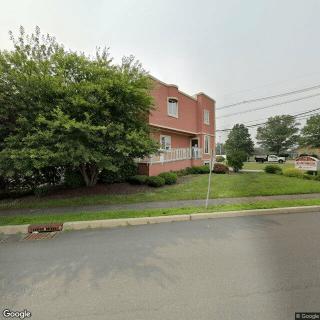
Among the definite positives, the grounds and facilities stand out as a recurring strength. Descriptions consistently call the property quiet and clean, with year-round upkeep that helps residents feel secure in a tidy, orderly environment. The residential atmosphere is repeatedly praised as peaceful, and the overall maintenance of exterior spaces and common areas earns favorable notes. The presence of a pool, reportedly kept in clean condition, adds a recreational option that can support light social and physical activity without demanding intensive upkeep. For seniors seeking a calm, orderly living experience with dependable outdoor presentation, these elements carry meaningful weight.
Yet the main drawbacks are both visible and persistent. The most cited concerns include insufficient snow and ice management that creates safety risks for elderly residents, and a perception that HOA-required tasks and general maintenance are not commensurate with the fees charged. The sense that office staff and the managing board may be unfriendly or disconnected from resident needs compounds dissatisfaction, as does the perception of a shrill or superficial social climate within the community. Reports of old, mildew-prone equipment and a byzantine feeling around governance contribute to a perception that value may erode over time if responsiveness and upkeep do not improve. In short, logistical and social frictions outweigh some of the aesthetic and stability benefits.
When weighing pros against cons, the favorable factors still matter, cleanliness, quiet, and steady property upkeep can offset a surprising amount of daily friction for residents who can tolerate or overlook administrative gaps and a certain social stiffness. For someone who prioritizes a safe, low-stress environment and values a well-kept exterior over an active social calendar, the pros can decisively offset the cons. The pool amenity and the calm daily rhythm offer tangible quality-of-life gains that make the community feel predictable and manageable, provided the resident’s expectations are aligned with what the management model delivers. However, for those who demand warmth in governance, proactive, consistent staffing, and a more neighborly culture, the offset does not fully compensate.
The practical takeaway is clear: The Club at East Brunswick serves well as a stable, maintenance-conscious choice for seniors who value consistency, cleanliness, and a quiet pace of life, while accepting that management responsiveness and social warmth may vary. Prospective residents should verify snow removal standards, current maintenance commitments, and fee structure in detail before committing, and should speak directly with several residents about daily interactions with office staff and the board. If the aim is a genuinely supportive community with a robust social milieu and highly responsive management, alternatives that emphasize higher staff ratios, stronger resident engagement, and more proactive amenities deserve serious consideration. This is a community that delivers steadiness and order; it requires discipline in expectations and a clear-eyed assessment of personal tolerance for governance dynamics and social climate.
 6 resident community capacity
 Active Adult Communities (55+)
 Housekeeping services
 Telephone
 Wi-Fi/high-speed internet available
 Newark International (22 miles away)
 Assistance with dressing
 Meal preparation and service
 Medication management
 Diabetes diet
 Special dietary restrictions



 Fecal Incontinence in Older Adults: A Comprehensive Guide
 Recognizing the Journey: Understanding and Navigating Anticipatory Grief
 Encouraging Participation in Adult Day Care: A Guide to Supporting a Hesitant Parent