For more information about senior living options: (866) 208-4318
4.6 from 51 reviews
5 stars
35
4 stars
12
3 stars
2
2 stars
2
1 stars
0
The Chelsea at East Brunswick Costs & Pricing
The Chelsea at East Brunswick offers competitive pricing for its various room types when compared to both Middlesex County and the broader New Jersey market. For those considering semi-private accommodations, the monthly rate of $4,680 is slightly lower than the county average of $4,878 and significantly more attractive than the state average of $5,068. When it comes to studio apartments, The Chelsea's rate of $5,700 is closely aligned with the county's average of $5,815 while remaining below New Jersey's overall average of $5,286. Notably, however, the one-bedroom option at The Chelsea stands out at $7,800 - substantially higher than Middlesex County's average of $4,450 and above the state's mean of $5,994. This pricing landscape highlights The Chelsea at East Brunswick as a valuable choice for individuals seeking quality residency options in a vibrant community setting.
Floor plans
The Chelsea at East Brunswick
Middlesex County
New Jersey
Semi-Private
$4,680
$4,878
$5,068
Studio
$5,700
$5,815
$5,286
1 Bedroom
$7,800
$4,450
$5,994
Skilled Nursing Facilities with a similar price nearby
Residents and families consistently describe a caring, attentive staff presence day to day.
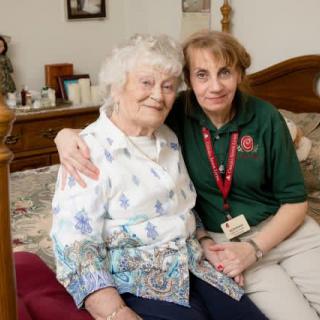
Across multiple reviews, people emphasize that staff members are responsive and supportive, with caregivers checking in and helping residents feel safe and at home. Several mentions highlight named team members in memory care and wellness roles, including nurses, aides, and leadership that families say answers questions and addresses concerns. Visitors also describe friendly interactions they saw during visits, not just during tours.
common20 reviews mention this
Activities keep residents engaged
Daily programming and social activities are a frequent reason families feel confident here.
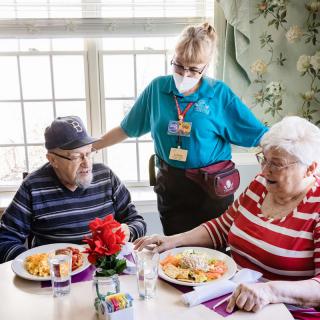
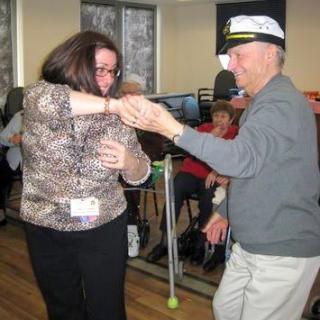
Many reviews point to structured activities like bingo, crafts, movie nights, and scheduled events that help residents stay engaged. Families also describe bus rides, trips, and outings to places like malls and museums, plus ongoing engagement opportunities for different interests. In memory care specifically, at least one reviewer credits staff for getting a loved one involved in both physical and mentally stimulating activities.
caveat6 reviews mention this
Food quality is mixed
Food receives mixed feedback, with some residents saying it is enjoyable while others want an upgrade.
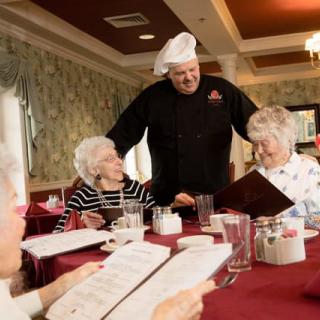
Some families say their loved one enjoys the food or the dining experience, and one reviewer mentions a chef-prepared focus. Others describe food as not great and suggest the community needs a new chef. A separate review also frames dining as a concern by calling the overall dining expensive, even though food may be acceptable for some residents.
caveat3 reviews mention this
Pricing and entrance fees draw pushback
Cost is a recurring concern, including the overall price level and move-in charges.
Several reviews characterize the community as expensive, with one family calling out expense as a clear downside. Another reviewer strongly questions pricing after discussing an entrance-style signup amount. At least one other review mentions families working through the cost conversation, but the pricing criticism remains consistent across the negative mentions.
common3 reviews mention this
Close to medical care
Families appreciate the area’s nearby medical options and visit convenience.
At least two reviews mention that local hospitals are close by, which supports peace of mind for families in case something happens. Another reviewer also describes the setting as convenient for family members to visit. Reviews also mention access to everyday destinations like shopping and restaurants, with transportation support referenced in at least one account.
How we summarize
Counts show how many written reviews mention each theme; a review can touch several themes, and only frequently mentioned themes are displayed.
Features
Housing
102 resident community capacity
Detached homes
Studio apartments
Types of Care
Assisted Living
Day Program
Memory Care
Respite Care
Skilled Nursing Facility
Amenities
Activities off-site
Activities on-site
Air-conditioning
Beautician on-site
Beauty salon
Cable or satellite TV
Computer center
Devotional services off-site
Devotional services on-site
Dining room
Fitness room
Fully furnished
Gaming room
Garden
Ground floor units
Guasts at mealtime
Handicap accessible
Housekeeping services
Indoor common areas
Kitchenette
Laundry
Move-in coordination
Outdoor space
Party space
Private bathrooms
Respite or short term stays offered
Restaurant-style dining
Small library
Telephone
Wellness center
Wheelchair accessible showers
Wi-Fi/high-speed internet available
Transportation
Trenton-Mercer County (23 miles away)
Newark International (24 miles away)
Community operated transportation
Transportation & parking
Transportation arrangement
Transportation arrangement (non-medical)
Transportation to doctors appointments
Care Services
12-16 hour nursing
24-hour call system
24-hour supervision
Activities of daily living assistance
Assistance with bathing
Assistance with dressing
Assistance with transfers
Coordination with health care providers
Dementia waiver
Diabetes diet
Diabetic care
High acuity care
Hospice waiver
Incontinence care
Meal preparation and service
Medication management
Mental wellness program
Mild cognitive impairment
Physical therapy
Special dietary restrictions
Specialized memory care programming
Transportation arrangement (medical)
Transportation to doctors appointments
Dining
Diabetes diet
Gluten-free
Guest meals
Low / no sodium
Meals provided
No Sugar
Professional chef
Restaurant style dining
Room service
Special dietary restrictions
Special dining programs
Vegan
Vegetarian
Activities
Activities off-site
Art classes
Bible study group
Catholic services
Community-sponsored activities
Concierge services
Cooking classes
Devotional activities offsite
Devotional activities on-site
Educational speakers / life long learning
Fitness programs
Jewish services
Planned day trips
Protestant services
Religious services
Resident-run activities
Scheduled daily activities
Visiting Rabbi
Visiting chaplain or priest
Languages Spoken
English
Nearby Places of Interest
This part of East Brunswick, New Jersey, offers a variety of healthcare options with several physician and pharmacy locations within a few miles. There are multiple parks nearby, providing opportunities for outdoor recreation and relaxation. Additionally, there are cafes and restaurants for dining out or grabbing a quick bite to eat. Places of worship cater to various religious preferences, and there are theaters for entertainment purposes. Hospitals and emergency departments are accessible within a reasonable distance in case of medical emergencies. Public transportation options such as train stations and bus stops provide convenient travel options for residents without personal vehicles. Overall, this area provides a well-rounded community with an array of amenities and services suitable for senior living.
The Chelsea at East Brunswick offers competitive pricing for its various room types when compared to both Middlesex County and the broader New Jersey market. For those considering semi-private accommodations, the monthly rate of $4,680 is slightly lower than the county average of $4,878 and significantly more attractive than the state average of $5,068. When it comes to studio apartments, The Chelsea's rate of $5,700 is closely aligned with the county's average of $5,815 while remaining below New Jersey's overall average of $5,286. Notably, however, the one-bedroom option at The Chelsea stands out at $7,800 - substantially higher than Middlesex County's average of $4,450 and above the state's mean of $5,994. This pricing landscape highlights The Chelsea at East Brunswick as a valuable choice for individuals seeking quality residency options in a vibrant community setting.
The Chelsea at East Brunswick offers a comprehensive suite of features tailored to support residents with dementia or Alzheimer's, promoting their safety and well-being. With 24-hour supervision, staff can promptly address the needs of individuals experiencing memory loss, ensuring they navigate daily life with confidence. Assistance with activities of daily living, including bathing, dressing, and transfers, helps maintain personal dignity while accommodating physical limitations. Coordination with healthcare providers ensures that residents receive consistent medical care, which is particularly vital given their unique health requirements. The specialized memory care programming and mental wellness initiatives are designed to stimulate cognitive function and emotional health, while meal preparation and medication management guarantee that dietary needs and medication schedules are met. Additionally, incontinence care and transportation arrangements further enhance quality of life by providing both comfort and access to essential services. Overall, these elements work synergistically to create a supportive environment conducive to the unique challenges faced by individuals living with dementia.
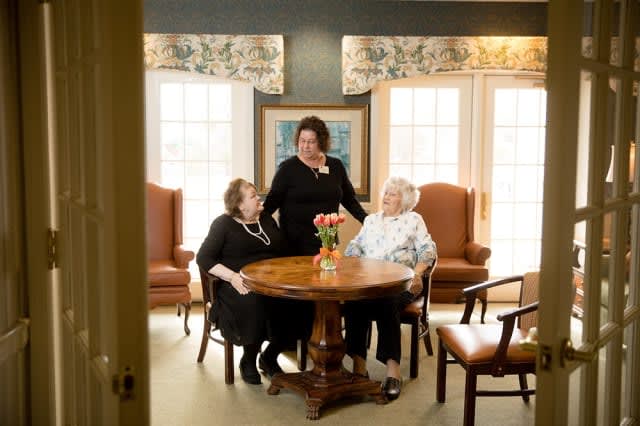
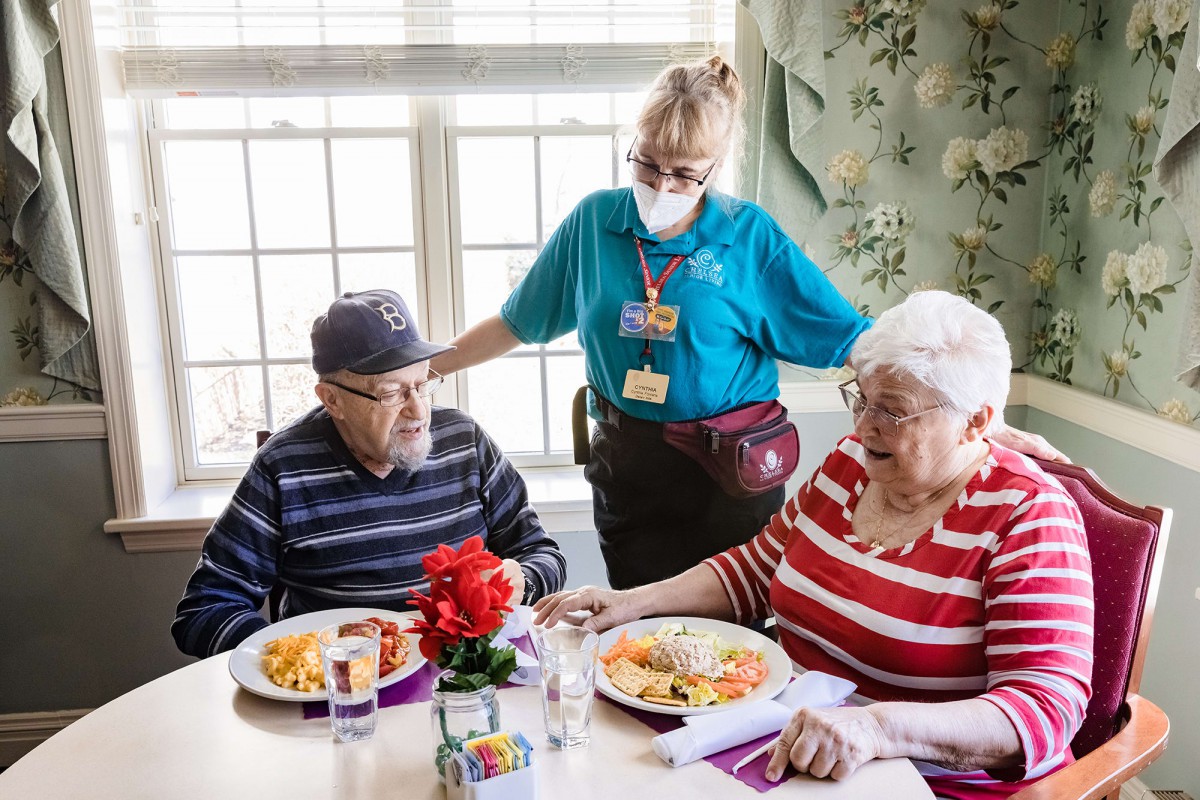
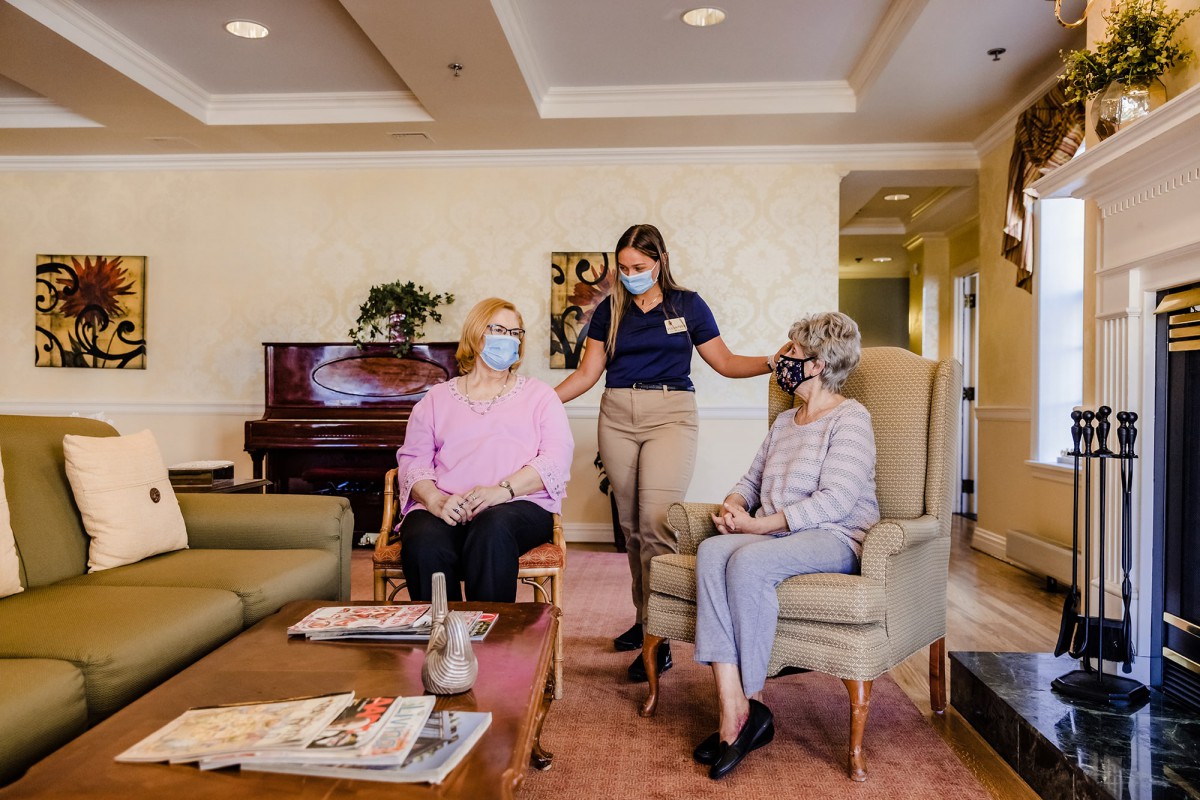
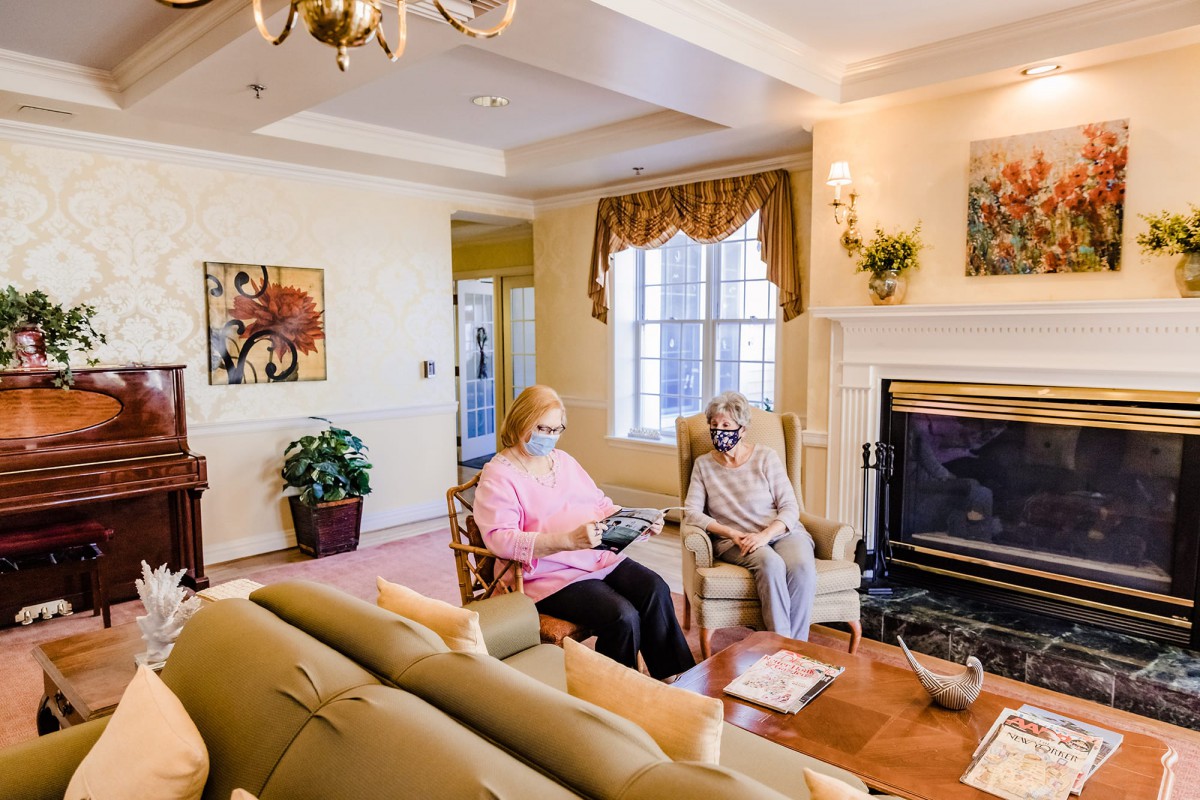
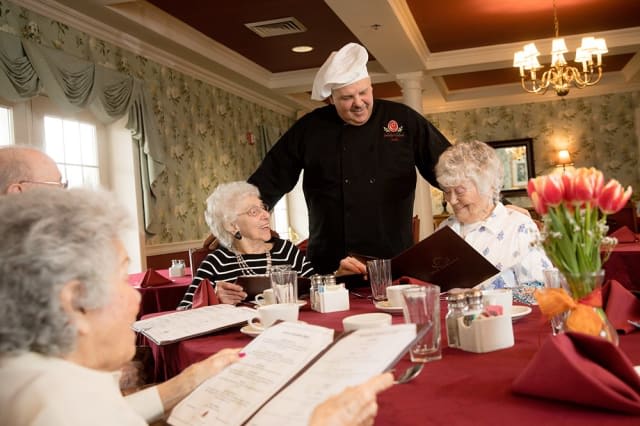
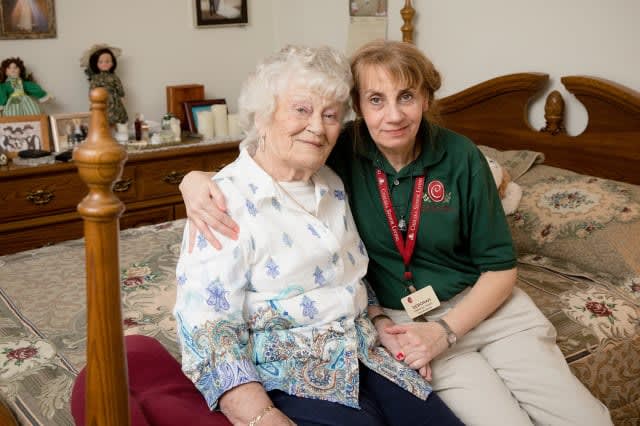
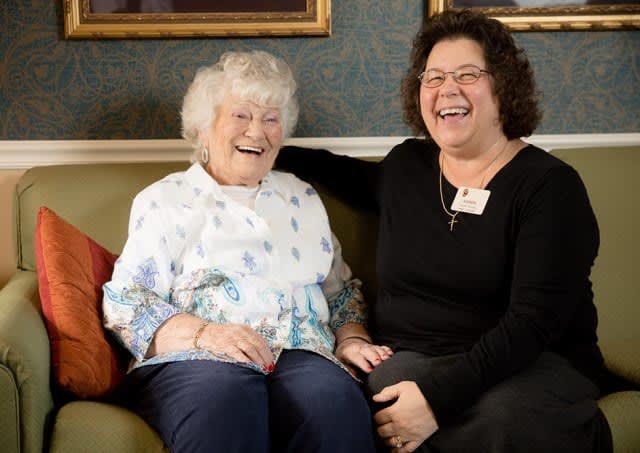
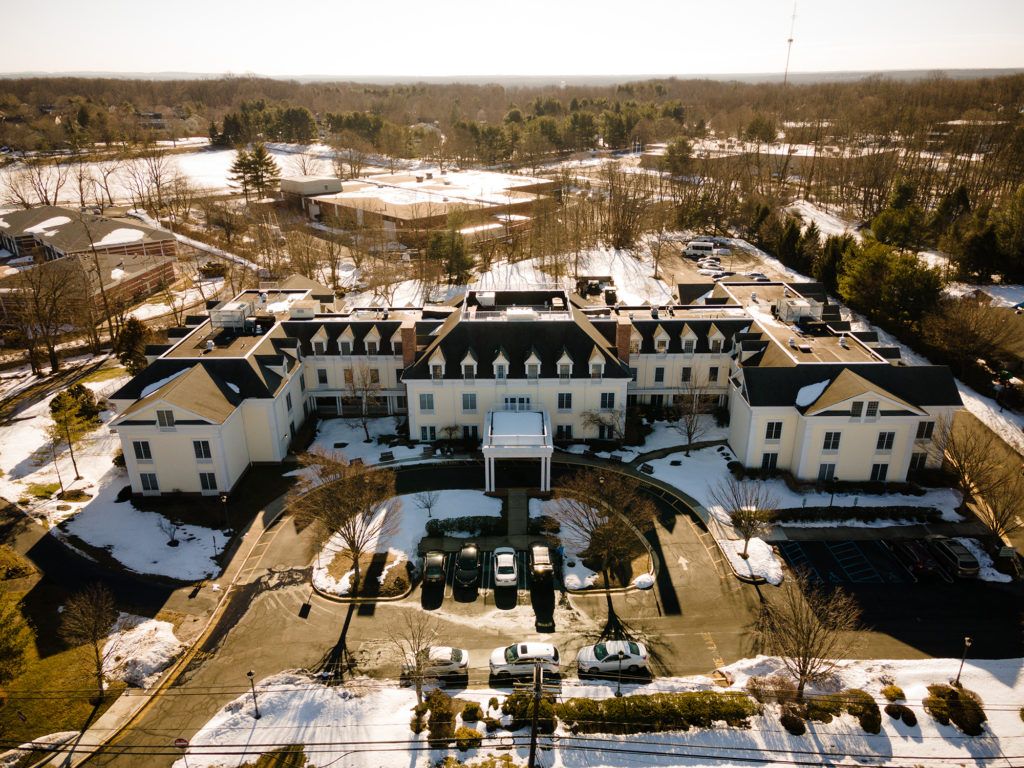
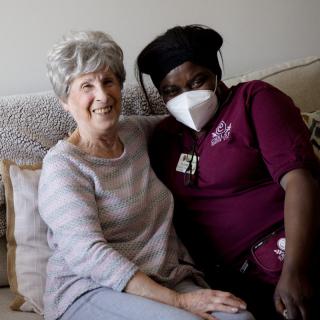
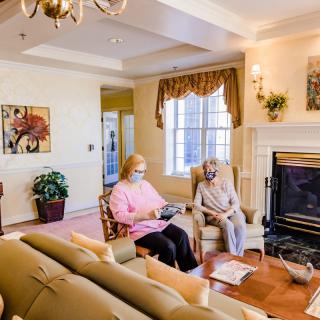
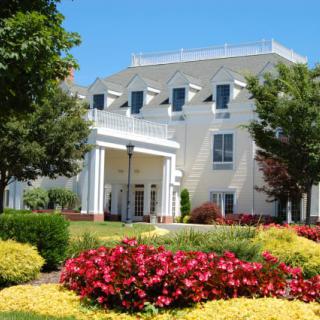
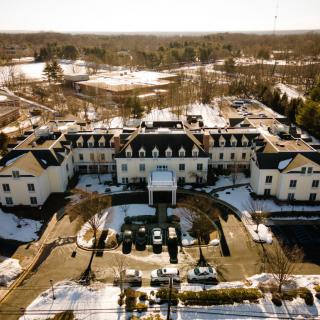
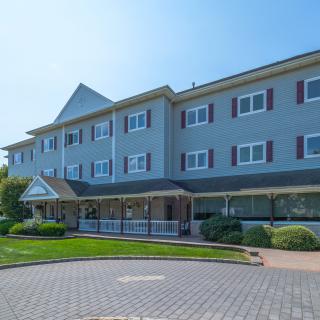
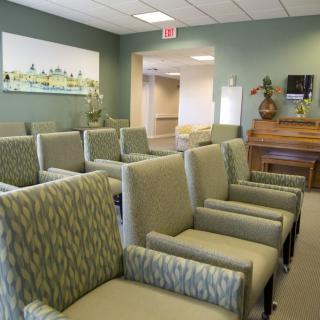
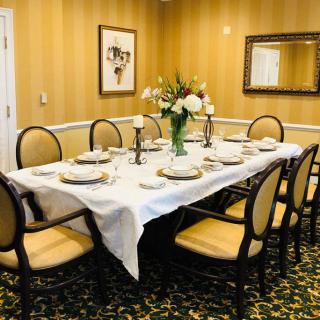
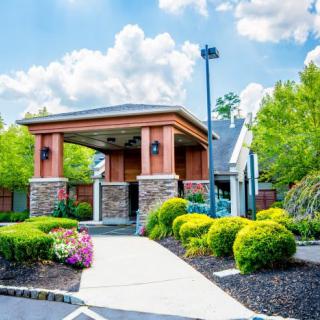
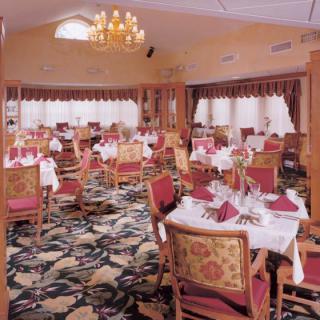
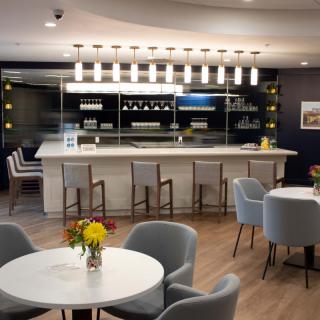
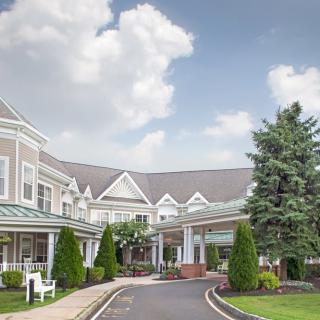
The Chelsea at East Brunswick on seniors.fyi includes 14 photos including images showing interior, caregiver, dining, nursing home, dining table, kitchen, cooking, living room, and more.
Nearby Communities
CareOne at East Brunswick
East Brunswick, NJ
2.9 from 143 reviews
$10,650 to $11,800 / month
Caring staff and a clean, well-equipped environment with engaging activities.
Waterford at East Brunswick
East Brunswick, NJ
4.8 from 19 reviews
Modern amenities with personalized care in a vibrant community.
CareMinders Home Care
East Brunswick, NJ
4.9 from 56 reviews
Warm, reliable caregiver with attentive care and emotional support.
The Club at East Brunswick
East Brunswick, NJ
4.3 from 33 reviews
Comprehensive care services (meal prep, medication management) and convenient nearby amenities.
Advanced Senior Care Services
East Brunswick, NJ
CareOne East Brunswick Assisted Living
East Brunswick, NJ
4.8 from 74 reviews
$5,850 / month
Friendly staff, engaging activities, and a well-maintained, welcoming environment.
Sunrise of East Brunswick
East Brunswick, NJ
4.3 from 101 reviews
$3,810 to $7,440 / month
Compassionate memory care staff and a clean, welcoming environment with engaging activities and good dining.
Preferred Care at Old Bridge
Old Bridge, NJ
4.7 from 120 reviews
$6,673 to $7,217 / month
Comprehensive rehab (PT/OT/ST) with attentive staff and good meals.
Reformed Church Home
Old Bridge, NJ
4.4 from 96 reviews
$4,723 to $7,025 / month
Clean, bright, and welcoming environment with caring staff and good communication.
Sundown syndrome, or sundowning, is a phenomenon in dementia patients characterized by increased confusion and agitation during late afternoon and evening, influenced by factors like disrupted circadian rhythms and fatigue. Effective caregiver strategies include establishing routines and managing environmental light while addressing caregiver stress through support services.
Delirium is a rapidly onset, reversible cognitive disturbance often caused by acute medical issues, while dementia is a gradual and irreversible decline due to chronic neurodegenerative diseases. Accurate differentiation between the two is essential for appropriate treatment and management in older adults.
Dementia, including Alzheimer’s disease, is often mischaracterized in terms of lethality as it leads to complications that can be fatal rather than being a direct cause of death; it causes a progressive decline in cognitive and physical health, making patients vulnerable to infections and other health crises. Effective management of nutrition, hydration, and communication is crucial in patient care, with palliative care becoming vital in advanced stages to enhance comfort and quality of life while caregivers play a key role amidst the challenges posed by the disease.
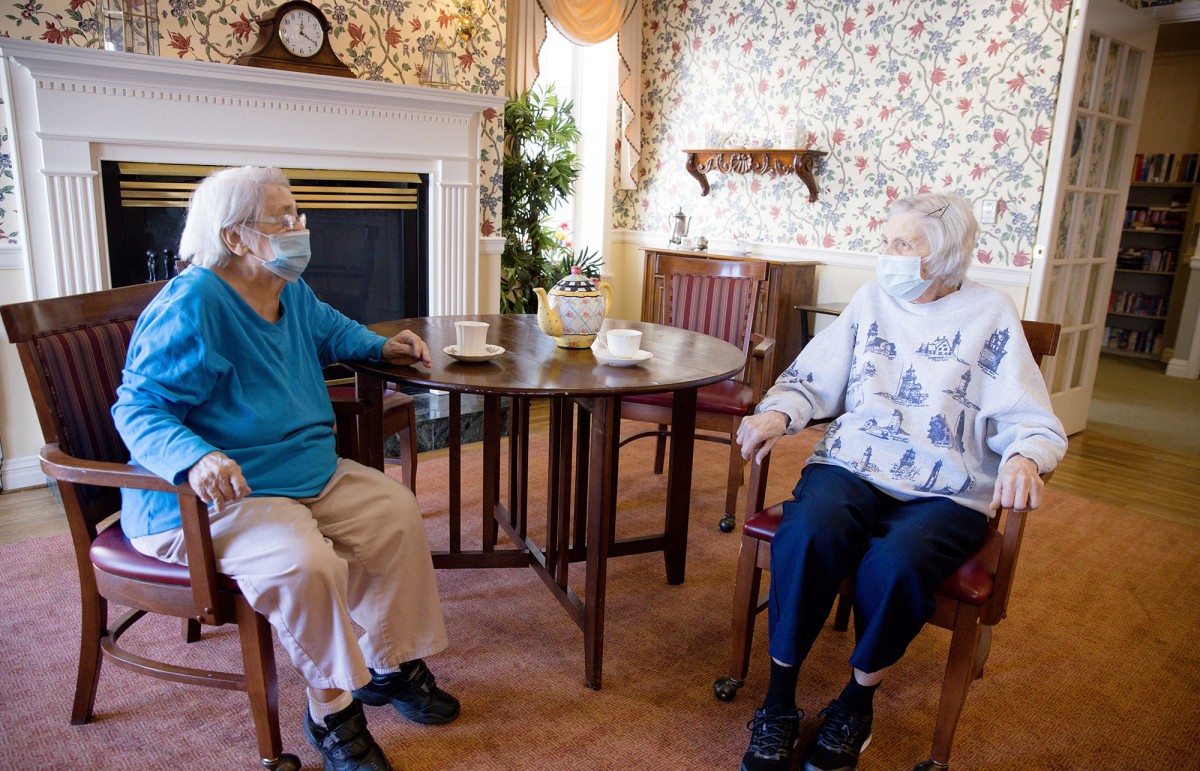
Living Room, Windows, Fireplace, and Natural Light
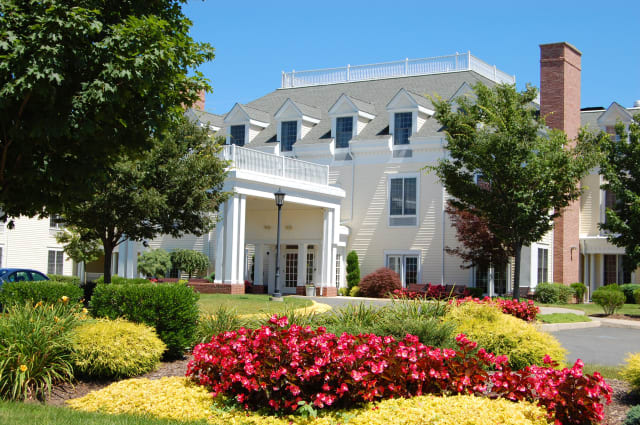
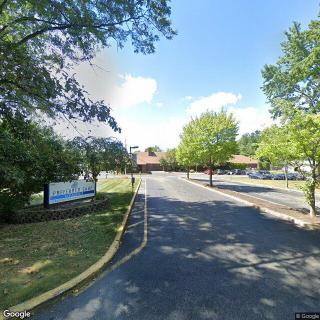
Landscaping, Building, Architecture, and Garden
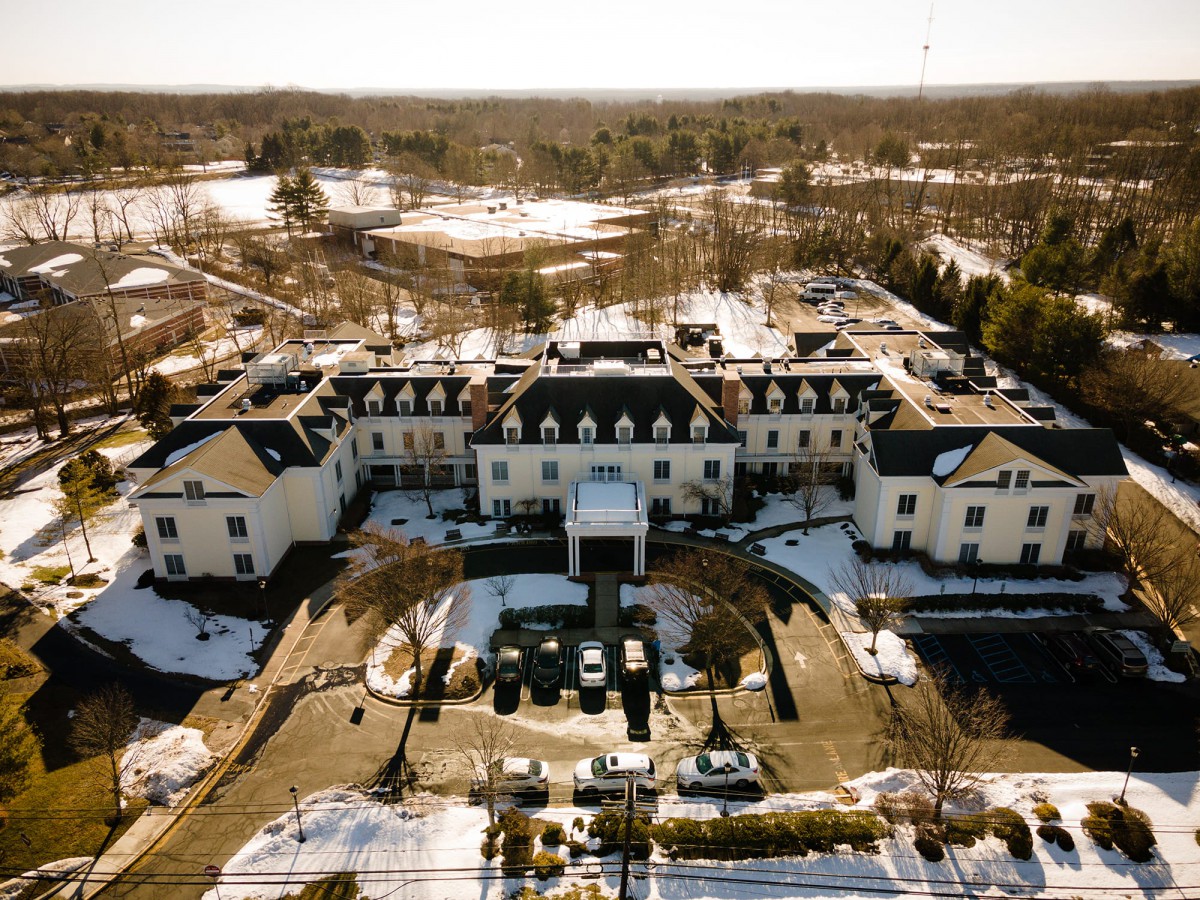
Trees and Aerial View
Kitchen and Cooking
Dining Table and Nursing Home
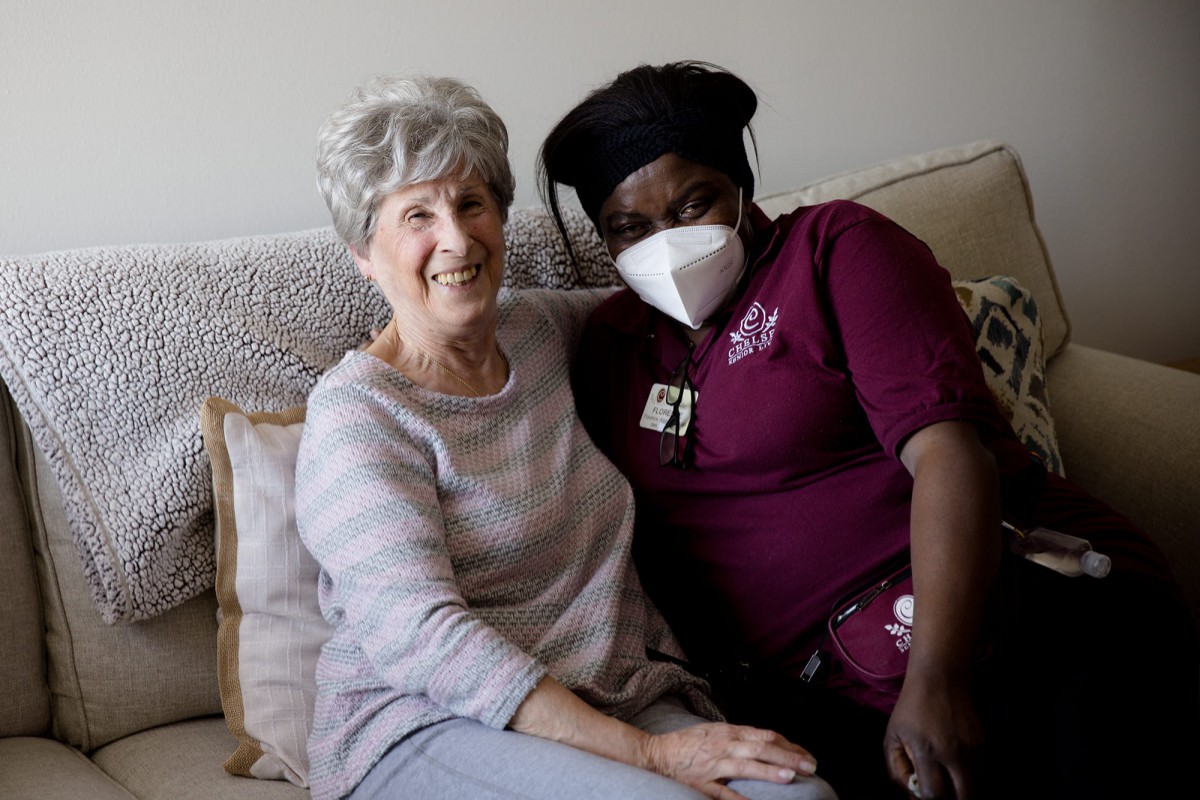
Caregiver
Additional Photos
Get PricingAsk A QuestionSchedule A TourContact Senior Advisor
By clicking submit, you agree to our Partner's Terms of Use. You
also consent to receive calls and texts, which may be autodialed, from our Partner. Your consent is not a condition to
using our Partner's service. Please visit our Partner's Privacy Policy for information about their privacy practices.


 102 resident community capacity
 Detached homes
 Studio apartments
 Assisted Living
 Day Program
 Memory Care
 Respite Care
 Skilled Nursing Facility
 Air-conditioning
 Beautician on-site
 Cable or satellite TV
 Computer center
 Devotional services off-site
 Dining room
 Fitness room
 Fully furnished
 Gaming room
 Garden
 Ground floor units
 Handicap accessible
 Housekeeping services
 Indoor common areas
 Kitchenette
 Laundry
 Move-in coordination
 Outdoor space
 Party space
 Private bathrooms
 Restaurant-style dining
 Small library
 Telephone
 Wellness center
 Wheelchair accessible showers
 Wi-Fi/high-speed internet available
 Trenton-Mercer County (23 miles away)
 Community operated transportation
 12-16 hour nursing
 24-hour call system
 Assistance with bathing
 Assistance with dressing
 Assistance with transfers
 Diabetes diet
 Diabetic care
 High acuity care
 Hospice waiver
 Incontinence care
 Medication management
 Mental wellness program
 Physical therapy
 Special dietary restrictions
 Transportation arrangement (medical)
 Art classes
 Bible study group
 Concierge services
 Cooking classes
 Educational speakers / life long learning
 Jewish services
 Planned day trips
 English
 Caring staff and a clean, well-equipped environment with engaging activities.
 Comprehending Evening Confusion in Dementia: Causes, Manifestations, and Support
 Delirium and Dementia: Unraveling the Key Differences
 Are Dementia and Alzheimer's Disease Lethal? A Comprehensive Exploration