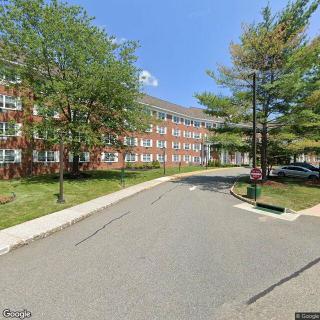
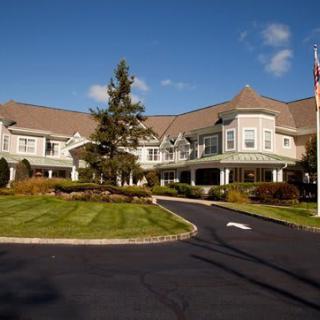
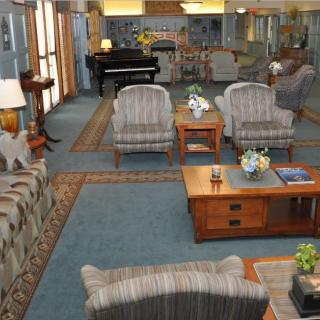
Crane's Mill at West Caldwell

Save

  • Interior

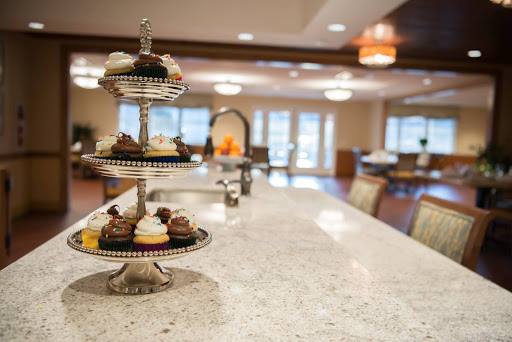
    An elegant display of assorted desserts on a tiered stand in a modern kitchen setting.
  • Outdoors

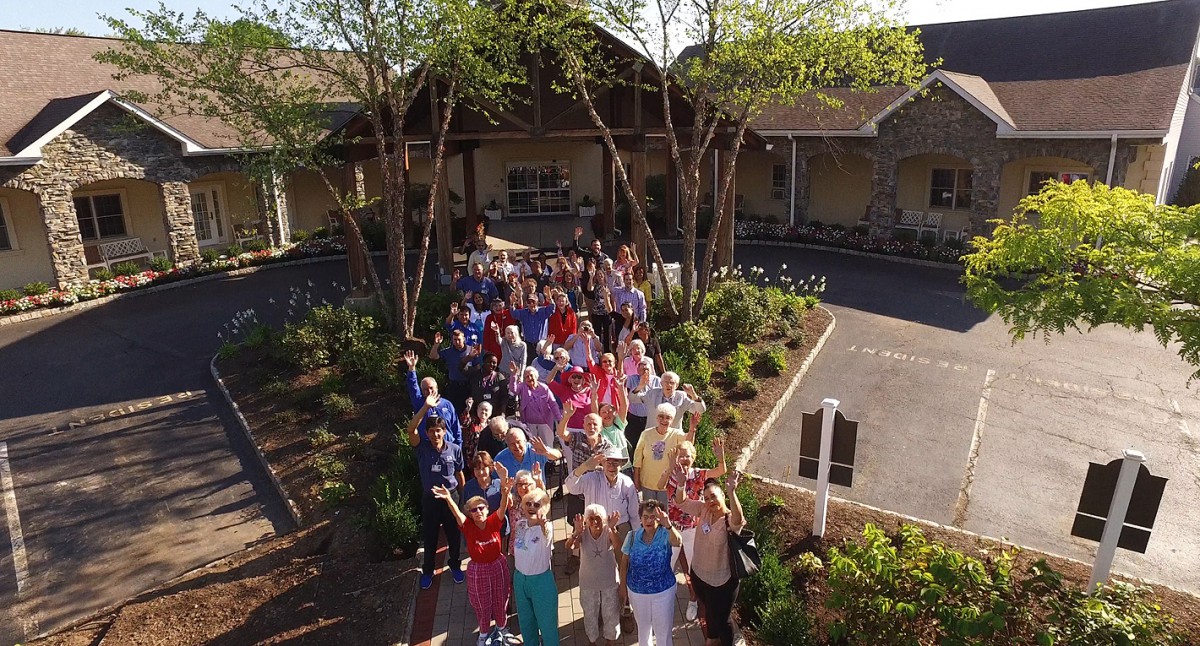
    A large group of people gathers outside a building, waving and smiling at the camera.
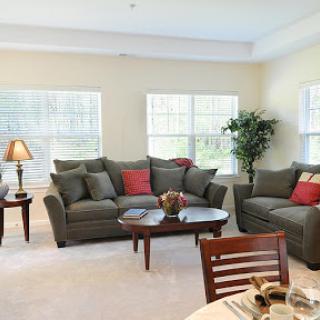
  • Living Room

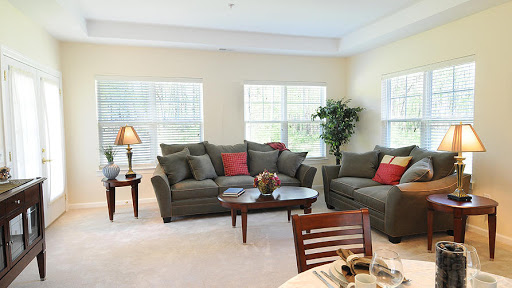
    A cozy living room featuring comfortable seating, natural light, and a touch of greenery.
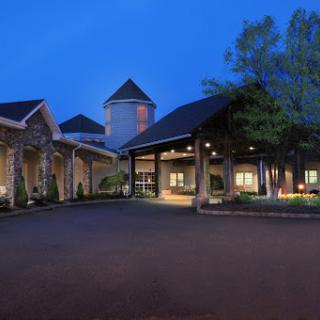
  • Architecture

    A welcoming hotel entrance illuminated at dusk.
  • Dining

    A beautifully grilled steak served with fresh herbs on a stylish plate.
  • Natural Light

    A serene indoor pool area featuring modern design and ample natural light.

Crane's Mill at West Caldwell

Information last verified:

459 Passaic Avenue, Caldwell, NJ 07006

For more information about senior living options: (844) 490-3973

3.8 from 60 reviews
5 stars
34
4 stars
8
3 stars
2
2 stars
2
1 stars
14

Overall Review of Crane's Mill at West Caldwell

Pros

  • pro Crane’s Mill is fabulous; the property is lovely, and the staff make it wonderful.
  • pro The staff are cheerful, residents are welcoming, activities are varied, and the food is good.
  • pro The transition coordinator, Jay Crozier, provides unparalleled expertise and empathy, making transitions smooth.
  • pro Crane’s Mill is an outstanding assisted living facility with caring, professional staff.
  • pro The gym and pool are state-of-the-art, and the grounds are beautiful.
  • pro The dining staff are friendly and caring, and the PT staff are warm and encouraging.
  • pro The facility offers an expansive fitness program, a wide range of activities, and exquisite dining options.
  • pro Living there provides a stress-free lifestyle and a strong sense of community.
  • pro The staff and residents are described as friendly, smart, and welcoming, creating a positive living environment.

Cons

  • pro Reviewers describe Crane’s Mill as severely understaffed, with aides who are often rude, indifferent, or unprofessional toward residents and visitors.
  • pro They report doctors failing to show up as promised and medication dispensation being erratic.
  • pro They accuse the facility of a lack of transparency and mismanagement of funds and resident-related property.
  • pro They state call buttons are frequently unanswered and residents are left unattended for hours.
  • pro They claim oxygen tanks are emptied and not replaced, with patients left in hallways.
  • pro They argue independent living is prohibitively expensive and that the operation is profit-driven rather than resident-focused.

Review

Crane’s Mill at West Caldwell is best suited for families seeking a true campus-style senior living option that offers a full continuum of care on one site. The place shines for independent living residents who want room to grow into assisted living or skilled nursing without moving homes, while still enjoying a lively social calendar, on-site dining, and easy access to shops and city outings. The community’s two-bedroom apartments, cottages, a gym, pool, multiple dining venues, a library, and a broad slate of activities create a compelling lifestyle for those who prize engagement, routine, and a sense of belonging. For families prioritizing financial clarity and consistently high nursing oversight, Crane’s Mill can still be a strong match, provided the prospective resident’s needs align with the trajectory of care offered on campus. Yet, a clear caveat remains: the continuum will prove most satisfying when the initial level of care fits long enough to avoid frequent moves.

Alternatives merit serious consideration for several profiles. Those who require predictable, highly attentive care in skilled nursing with unwavering staffing support may wish to compare facilities known for more consistent nurse-to-resident ratios. Likewise, families with tight budgets or those who fear opaque financial processes should scrutinize the community’s accounting practices and resale dynamics before committing. Several reviews flag concerns about administrative transparency and the handling of funds tied to a resident’s property, suggesting that any family entering Crane’s Mill should insist on written, routine financial reporting and explicit timelines for settling accounts. In short, Crane’s Mill rewards those who value a robust campus environment, but it may not be the best fit for families demanding a frictionless, ultra-tight financial and clinical oversight.

On the positive side, the community’s strongest selling points are the breadth of amenities and the quality of interactions with staff who consistently elevate daily living. Residents and families routinely praise the campus atmosphere, the dining options, and the depth of programming, from fitness modalities and wellness services to cultural outings and live performances. The staff, across roles, is frequently described as professional, approachable, and caring, with transitions into residency and ongoing support punctuating many favorable experiences. The presence of a strong social fabric, clubs, committees, and abundant opportunities to connect with neighbors, helps offset the inevitable limits of aging by maintaining purpose and routine. For independent and life-plan residents who want richness of experience without leaving the campus, Crane’s Mill delivers.

Yet the same reviews illuminate meaningful gaps that cannot be dismissed, particularly around skilled nursing and day-to-day caregiving. When injuries or illness demand subacute or skilled services, a pattern emerges: understaffing, inconsistent attention, and, in some cases, care that feels impersonal or reactive rather than proactive. Reports of late or irregular medication dispensation, staff shortages at night, and moments of perceived indifference carry substantial weight for families evaluating risk, especially for residents with complex medical needs. Add in accounts of poor responsiveness to emergencies and gaps in doctor visibility, and the nursing experience appears less reliable than the public-facing promise suggests. These are not minor frictions; they are potential barriers to peace of mind when a loved one requires steady, dependable clinical support.

Still, the cons do not erase the proven strengths for residents who remain in the independent or light-assisted spectrum on this campus. For those who can stay within the campus’ long, interconnected care ladder, the positives, strong community ties, meaningful activities, and an ongoing sense of safety and belonging, often translate into a high quality of life. The environment’s beauty, pet-friendly residences, and the ability to stay with familiar staff sources (like transition coordinators and consistent front-desk teams) add real emotional and practical value. When care needs escalate, the risk calculus shifts, but for many residents who navigate life within the continuum without frequent SNF transitions, Crane’s Mill offers a compelling, well-rounded living experience.

To maximize safety and satisfy due diligence, families should treat Crane’s Mill as a facility demanding careful scrutiny, especially around finances and nursing care reliability. Prospective residents should request detailed explanations of finances, including timelines for any settlements, and obtain a written policy on access to emergency contacts and family communication. Visiting patterns matter: demand transparent reporting on staffing levels by shift, and seek out independent residents’ references beyond corporate marketing. Engage the transitions team early, test the responsiveness of the front desk, and verify that doctors and therapists maintain consistent presence within the care plan. If these elements align with the family’s expectations, Crane’s Mill stands out as a top-tier option for a complete, self-contained senior living experience.

In the end, Crane’s Mill remains a powerful choice for families who prize a vibrant, activity-rich campus with a proven track record of engagement and long-term residency. The best-fit resident is one who plans to traverse the continuum on site, value the social dimension, and can tolerate the possibility that skilled-nursing experiences may vary in perceived attentiveness. Those needing rapid, flawless financial settlements or unwavering, day-to-day nursing excellence should compare alternatives with equal diligence and demand clear assurances before committing. Crane’s Mill is not a generic retirement community; it is a complex, performance-driven environment where excellent teamwork and lively programming coexist with substantive questions about nursing consistency and financial transparency. With careful planning and prudent expectations, it can be the right home for a well-supported chapter of life.

Features

Housing

  • 60 resident community capacity 60 resident community capacity

Types of Care

  • Assisted Living Assisted LivingAssisted living facilities provide crucial support and care for seniors who may need help with daily tasks such as medication management, bathing, and meal preparation. These communities offer a safe and comfortable environment where seniors can maintain their independence while receiving the assistance they need to thrive in their golden years.
  • Continuing Care Retirement Community (CCRC) Continuing Care Retirement Community (CCRC)Continuing Care Retirement Communities (CCRCs) are important for seniors because they provide a range of housing options and care services all in one location. This allows seniors to age in place and receive the level of care they need as their health changes, without having to move to a new facility. CCRCs provide a sense of security and peace of mind for seniors and their families, knowing that they will be taken care of no matter what the future holds.
  • Independent Living Independent LivingIndependent living communities are important for seniors because they offer a safe and supportive environment where older adults can live independently while still having access to amenities and services that enhance their quality of life. These communities provide social opportunities, recreational activities, and assistance with daily tasks, promoting overall well-being and allowing seniors to maintain their independence for as long as possible.
  • Memory Care Memory CareMemory care is crucial for seniors as it provides specialized support and services for individuals with dementia or Alzheimer's disease. These programs offer a safe and secure environment where residents receive personalized care, cognitive stimulation, and help with daily activities. Memory care helps seniors maintain their independence, quality of life, and dignity while also providing peace of mind for their families.
  • Skilled Nursing Facility Skilled Nursing FacilitySkilled Nursing Facilities are crucial for seniors as they provide round-the-clock medical care, rehabilitation services, and assistance with daily activities. These facilities ensure that seniors receive the specialized care they need to maintain their health and well-being as they age.

Amenities

  • Air-conditioning Air-conditioningAir conditioning is important for seniors as they are more vulnerable to heat-related illnesses and may have underlying health conditions that make it difficult for them to regulate their body temperature. It helps to keep them comfortable, safe, and healthy in hot weather.
  • Beauty salon Beauty salonBeauty salons are important for seniors because they provide a space for them to feel pampered, socialize, and maintain their personal grooming and hygiene. Regular visits to a beauty salon can help boost seniors' self-esteem and overall well-being.
  • Cable or satellite TV Cable or satellite TVCable or satellite TV is important for seniors because it provides entertainment, news, and companionship, helping to combat loneliness and boredom. It also offers a wide range of programming options tailored to different interests and preferences.
  • Computer center Computer centerA computer center is essential for seniors as it provides access to technology, communication tools, and resources that can enhance their daily lives. It allows them to stay connected with loved ones, engage in online activities, and learn new skills, ultimately promoting socialization and mental stimulation.
  • Fitness room Fitness roomHaving a fitness room in a senior living community is essential for seniors to stay active, maintain their physical health, and improve their overall well-being. Regular exercise can help prevent falls, reduce the risk of chronic diseases, and promote mental sharpness. It also provides social opportunities for residents to connect with others and enjoy a sense of community.
  • Fully furnished Fully furnishedFully furnished senior living communities are important for seniors because they provide convenience, comfort, and a hassle-free moving experience. Seniors can easily settle into their new living space without the stress of having to buy and move furniture. This allows them to focus on enjoying their new home and community.
  • Gaming room Gaming roomGaming rooms are important for seniors as they provide a fun and engaging environment for socializing, cognitive stimulation, and physical activity. Games can improve memory, problem-solving skills, and overall mental well-being while fostering friendships and reducing feelings of isolation.
  • Garden GardenGardens are important for seniors as they provide a peaceful and therapeutic environment for relaxation, physical activity, and socialization. Being in nature has been shown to reduce stress, improve mood, and promote overall well-being. Gardens also offer opportunities for seniors to engage in gardening activities, which can improve mobility, flexibility, and cognitive function. Additionally, gardens create a sense of community and connection with others who share a passion for plants and outdoor spaces.
  • Housekeeping services Housekeeping servicesHousekeeping services are important for seniors because they help maintain a clean and safe living environment, promote independence, and reduce the risk of accidents or illnesses. Additionally, having assistance with household chores can alleviate physical strain and allow seniors to focus on other aspects of their well-being.
  • Kitchenette KitchenetteKitchenettes are important for seniors living in senior living communities because they provide the convenience and independence of being able to prepare simple meals and snacks in the comfort of their own living space. This can help promote a sense of autonomy and well-being for seniors, allowing them to maintain some level of control over their dietary choices and daily routines.
  • Move-in coordination Move-in coordinationMove-in coordination is important for seniors because it helps ease the transition into their new living environment. It ensures that all logistics, such as packing, organizing movers, and setting up utilities are taken care of, allowing seniors to focus on settling in and adjusting to their new home. Having a smooth move-in process can alleviate stress and anxiety, making the transition smoother and more enjoyable for seniors.
  • Outdoor space Outdoor spaceOutdoor spaces are important for seniors as they provide opportunities for physical activity, social interaction, exposure to natural light and fresh air, and a sense of connection to nature. Having access to outdoor spaces can improve overall well-being and quality of life for older adults living in senior communities.
  • Private bathrooms Private bathroomsPrivate bathrooms are important for seniors in senior living communities because they provide independence, dignity, and comfort. Having a private bathroom allows seniors to maintain their personal hygiene routines without the need for assistance, promoting a sense of autonomy and privacy. Additionally, private bathrooms help prevent the spread of infections and provide a safe and clean environment for seniors to navigate safely.
  • Restaurant-style dining Restaurant-style diningRestaurant-style dining is important for seniors because it allows them to enjoy delicious, nutritious meals in a social and upscale setting. This enhances their dining experience, promotes healthy eating habits, and fosters socialization with fellow residents, ultimately contributing to their overall well-being and quality of life.
  • Small library Small librarySmall libraries are important for seniors as they provide access to a variety of reading materials, including books, newspapers, and magazines. This can help stimulate their minds, keep them engaged, and provide a sense of community through book clubs and other social activities. Additionally, reading has been shown to improve cognitive function and overall mental well-being in older adults.
  • Telephone TelephoneTelephones are important for seniors as they provide a lifeline for communication with loved ones, emergency services, and healthcare providers. They offer a sense of security and independence, enabling seniors to stay connected and access assistance when needed.
  • Wellness center Wellness centerWellness centers are important for seniors because they offer a variety of programs and services that promote physical, mental, and emotional well-being. These centers provide opportunities for exercise, socialization, education, and relaxation, helping seniors maintain their overall health and quality of life.
  • Wi-Fi/high-speed internet available Wi-Fi/high-speed internet availableWi-Fi/high-speed internet is important for seniors to stay connected with loved ones, access online resources, and participate in virtual activities to combat feelings of loneliness and isolation. It also allows them to easily manage healthcare needs, access entertainment, and engage in lifelong learning opportunities.

Transportation

  • Newark International (13 miles away) Newark International (13 miles away)
  • LaGuardia (23 miles away) LaGuardia (23 miles away)
  • Community operated transportation Community operated transportationCommunity operated transportation is crucial for seniors as it provides them with the means to access essential services, social activities, and medical appointments. It allows seniors to maintain their independence and quality of life by ensuring they can participate in activities outside of their homes. Additionally, community-operated transportation services offer a safe and reliable way for seniors to travel without having to rely on family or friends for assistance.
  • Transportation arrangement Transportation arrangementTransportation arrangements are crucial for seniors as they may face challenges with driving, mobility, or access to public transportation. Having reliable transportation services ensures that seniors can easily attend appointments, social activities, and maintain their independence and quality of life.
  • Transportation arrangement (non-medical) Transportation arrangement (non-medical)Transportation arrangements are essential for seniors as they provide access to essential services, activities, and social interactions outside the home. This service helps maintain independence, mobility, and overall well-being for seniors who may have limited transportation options.

Care Services

  • 24-hour call system 24-hour call system24-hour call systems are important for seniors because they provide peace of mind and immediate assistance in case of emergencies. This technology ensures that help is always available, promoting safety and security for elderly individuals living alone or in assisted living facilities.
  • 24-hour supervision 24-hour supervision24-hour supervision is important for seniors to ensure their safety, well-being, and access to immediate assistance in case of emergencies or health issues. This constant support provides peace of mind for both seniors and their loved ones, allowing them to age in place with dignity and security.
  • Activities of daily living assistance Activities of daily living assistanceActivities of daily living assistance are important for seniors because they provide essential support with tasks such as eating, bathing, dressing, and mobility. This assistance helps seniors maintain their independence, dignity, and overall quality of life as they age.
  • Assistance with bathing Assistance with bathingAssistance with bathing is crucial for seniors as it helps maintain personal hygiene, prevents infections, and ensures their overall well-being and comfort. It also provides a sense of dignity and independence for seniors who may struggle with this task on their own.
  • Assistance with dressing Assistance with dressingAssistance with dressing is important for seniors because it helps maintain their independence, promotes personal hygiene, prevents accidents and injuries, and improves overall quality of life. This service ensures that seniors can continue to dress comfortably and confidently, despite any physical limitations they may have.
  • Assistance with transfers Assistance with transfersAssistance with transfers is crucial for seniors as it helps prevent falls and injuries, maintains their independence, and ensures they can safely navigate their living environment. It also provides peace of mind for both seniors and their loved ones.
  • Diabetes diet Diabetes dietA diabetes diet is crucial for seniors as it helps manage blood sugar levels, reduce risks of complications, and improve overall health and well-being. By following a balanced and nutritious diet tailored to their specific needs, seniors can better control their diabetes and enhance their quality of life.
  • Meal preparation and service Meal preparation and serviceMeal preparation and service are crucial for seniors as they may have limited mobility or energy to cook nutritious meals. Having access to healthy and convenient food options can ensure they are getting the proper nutrition needed to maintain their overall health and well-being.
  • Medication management Medication managementMedication management is crucial for seniors to ensure they are taking the right medications at the correct dosages and times. This helps prevent adverse drug interactions, reduces the risk of medication errors, and promotes overall health and well-being. Proactive management also allows for adjustments as needed based on changing health conditions or new prescriptions.
  • Special dietary restrictions Special dietary restrictionsSpecial dietary restrictions are important for seniors because age-related changes in metabolism and health conditions can make it difficult for their bodies to process certain foods. By following a diet tailored to their specific needs, seniors can maintain their overall health and well-being, manage chronic conditions, and reduce the risk of complications such as malnutrition or food interactions with medications.

Dining

  • Diabetes diet Diabetes dietA diabetes diet is crucial for seniors as it helps manage blood sugar levels, reduce risks of complications, and improve overall health and well-being. By following a balanced and nutritious diet tailored to their specific needs, seniors can better control their diabetes and enhance their quality of life.
  • Special dietary restrictions Special dietary restrictionsSpecial dietary restrictions are important for seniors because age-related changes in metabolism and health conditions can make it difficult for their bodies to process certain foods. By following a diet tailored to their specific needs, seniors can maintain their overall health and well-being, manage chronic conditions, and reduce the risk of complications such as malnutrition or food interactions with medications.

Activities

  • Community-sponsored activities Community-sponsored activitiesCommunity-sponsored activities are important for seniors as they provide opportunities for social interaction, mental stimulation, and physical activity. These activities can help improve overall well-being, combat loneliness and isolation, and promote a sense of belonging and purpose among older adults.
  • Concierge services Concierge servicesConcierge services are essential for seniors as they provide assistance with daily tasks and errands, enhance their quality of life by offering convenience and personalized care, and promote a sense of safety and security.
  • Fitness programs Fitness programsFitness programs are crucial for seniors as they help improve strength, flexibility, balance, and overall well-being. Staying active can reduce the risk of chronic diseases, improve mental health, and enhance quality of life in older adults.
  • Planned day trips Planned day tripsPlanned day trips are important for seniors because they offer opportunities for socialization, mental stimulation, and physical activity. They provide a change of scenery and help seniors stay engaged and connected to their community, promoting overall well-being and quality of life.
  • Resident-run activities Resident-run activitiesResident-run activities are important for seniors as they encourage social interaction, creativity, and a sense of autonomy. These activities empower seniors to stay engaged and active in their community while fostering meaningful connections with their peers.
  • Scheduled daily activities Scheduled daily activitiesScheduled daily activities are important for seniors because they provide structure, socialization, mental stimulation, and physical activity. Engaging in regular activities can improve overall well-being and quality of life for seniors living in a community setting.

Description

Crane's Mill is a premier Continuing Care Retirement Community (CCRC) located in West Caldwell, NJ, offering a warm and inviting environment for seniors seeking a fulfilling and supportive lifestyle. This vibrant community caters to diverse needs with options for Independent Living, Memory Care, and Skilled Nursing Facilities, ensuring personalized care at every stage of life.

Residents enjoy an array of exceptional amenities designed to enhance comfort and promote wellness. From a beauty salon to a fully equipped fitness room, residents can engage in activities that nourish both the body and spirit. The community also features beautifully landscaped gardens, outdoor spaces for relaxation, a small library for quiet reading, and a gaming room for social interactions. Housekeeping services provide peace of mind while residents benefit from convenient services like cable or satellite TV and Wi-Fi/high-speed internet access.

Crane's Mill places great emphasis on comprehensive care services. With 24-hour supervision and assistance with daily living activities, including bathing, dressing, transfers, dietary needs, meal preparation, and medication management, residents have the support they need to maintain independence while enjoying their daily routines.

Dining experiences at Crane's Mill are designed to cater to special dietary restrictions with restaurant-style service that emphasizes nutrition without sacrificing flavor. Residents can gather in communal dining areas that foster connection and camaraderie.

A rich array of activities keeps the community lively. From planned day trips to resident-led initiatives and fitness programs, there’s always something happening at Crane's Mill. Concierge services help facilitate these outings while scheduled daily activities ensure engagement for every resident.

Situated near local attractions such as parks, theaters, pharmacies, cafes, physicians' offices, and restaurants means residents can easily explore the surrounding area or partake in organized excursions arranged by the community.

At Crane's Mill in West Caldwell, NJ, seniors experience not just care but also a thriving lifestyle filled with opportunities for growth, companionship, and joy, all within a safe and supportive environment.

Nearby Places of Interest

Pharmacies

  • Walgreens (0.8 miles)
  • CVS Pharmacy (3.8 miles)
  • CVS Pharmacy (3.8 miles)
  • CVS Pharmacy (3.9 miles)
  • CVS Pharmacy (3.9 miles)
  • CVS Pharmacy (4.9 miles)
  • Walgreens (5.2 miles)

Restaurants

  • Cloverleaf Tavern (1.2 miles)
  • Shake Shack (3.7 miles)
  • Mayfair Farms Banquet Facilities (3.7 miles)
  • Jose Tejas (3.8 miles)
  • Yard House (3.9 miles)
  • Wendy's (4 miles)
  • Faubourg (4.7 miles)

Physicians

  • Women First Health Center (3.2 miles)
  • Summit Medical Group (4.2 miles)
  • Care Station Medical Group (4.3 miles)
  • Changebridge Medical Associates (4.6 miles)
  • Summit Medical Group (4.9 miles)
  • Summit Medical Group (4.9 miles)
  • Retina Associates of New Jersey PA (5.7 miles)

Parks

  • Degnan Memorial Park (3.3 miles)
  • Volunteers Park (4.6 miles)
  • Eagle Rock Reservation (4.7 miles)
  • Edgemont Memorial Park (4.7 miles)
  • Anderson Park (4.9 miles)
  • South Mountain Reservation (5.1 miles)
  • Florham Park Recreation Department (6.6 miles)

Cafes

  • Starbucks (3.7 miles)
  • Panera Bread (4.1 miles)
  • Panera Bread (4.2 miles)
  • Panera Bread (4.4 miles)
  • Paper Plane Coffee Co. (4.9 miles)
  • Starbucks (4.9 miles)
  • Starbucks (5.2 miles)

Theaters

  • Cinemark (3.8 miles)
  • AMC East Hanover 12 (4.8 miles)

Transportation

  • NJT - Watchung Station (5 miles)
  • NJT - Brick Church Station (6.9 miles)
  • Signature Flight Support (7 miles)
  • East Orange Station (7.4 miles)
  • NJT - Maplewood Station (7.8 miles)
  • NJT - Millburn Station (8.1 miles)
  • NJT - Short Hills Station (8.2 miles)

Hospitals

  • Saint Barnabas Medical Center (5.5 miles)
  • Saint Clare's Hospital (7.9 miles)
  • Chilton Memorial Hospital (8 miles)
  • St Joseph's Regional Medical Center (8.2 miles)

Places of Worship

  • Liquid Church (6.1 miles)
  • Immaculate Heart Of Mary School (7.8 miles)
  • Morrow Memorial United Methodist Church (7.8 miles)

Frequently Asked Questions

Where is Crane's Mill at West Caldwell?
Does Crane's Mill at West Caldwell provide care for residents with dementia or Alzheimer's disease?
What photos are available for Crane's Mill at West Caldwell in Caldwell, New Jersey?

Nearby Communities

  • Crane's Mill

    Crane's Mill

    West Caldwell, NJ

    3.9 from 50 reviews
    $3,339 to $4,553 / month

    pro Friendly staff, welcoming community, and attractive apartments with robust amenities.

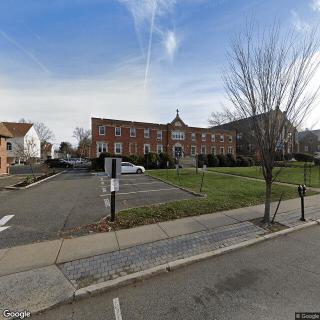
  • Hackensack Meridian Health Care - West Caldwell

    Hackensack Meridian Health Care - West Caldwell

    West Caldwell, NJ


    pro Extensive on-site amenities and 24/7 care services.

  • Monsignor Kelly Residence

    Monsignor Kelly Residence

    Caldwell, NJ


    pro Strong nearby amenities (cafes, parks, pharmacies, doctors, restaurants, transport, and theater) for convenience.

  • Arbor Terrace Roseland

    Arbor Terrace Roseland

    Roseland, NJ

    4.7 from 127 reviews
    $5,415 to $9,260 / month

    pro Caring, responsive staff in a warm, engaging environment.

  • St Catherine Of Siena

    St Catherine Of Siena

    Caldwell, NJ

    4.7 from 16 reviews
     

    pro Fully furnished spaces with 24-hour care and engaging activities.

  • Marian Manor Housing

    Marian Manor Housing

    Caldwell, NJ

    3.8 from 5 reviews
     

    pro Excellent access to nearby amenities (cafes, parks, pharmacies, physicians, restaurants, transportation, theater).

  • Four Seasons at North Caldwell

    Four Seasons at North Caldwell

    North Caldwell, NJ


    pro Small, intimate community with essential care and nearby conveniences.

  • Sunrise of West Essex

    Sunrise of West Essex

    Fairfield, NJ

    4.1 from 67 reviews
    $8,190 to $9,690 / month

    pro Caring, professional staff in a warm, home-like memory care setting with engaging on-site activities.

  • The Cliffs At Eagle Rock

    The Cliffs At Eagle Rock

    West Orange, NJ

    4.5 from 24 reviews
    $2,150 to $2,750 / month

    pro Compassionate, dedicated staff delivering personalized care in a welcoming, activity-rich environment.

Related Resources

  • assisted living vs memory careUnderstanding the Distinctions: Assisted Living and Memory Care Explained

    The article differentiates between assisted living and memory care, explaining that assisted living supports seniors with daily activities while promoting independence, whereas memory care provides specialized services for individuals with dementia, focusing on secure environments and cognitive support. It also addresses staff training, safety considerations, costs, family involvement, and transition strategies for families navigating these care options.

  • how to talk to someone with dementiaHow to Communicate with a Loved One Living with Dementia: 10 Supportive Strategies

    The article outlines effective communication strategies for interacting with loved ones with dementia, highlighting the need for empathy, patience, and understanding while emphasizing supportive approaches like using simple language, minimizing distractions, and focusing on feelings over facts to maintain dignity and foster connection. It also suggests seeking professional guidance when needed as communication challenges evolve.

  • va nursing homeComprehensive Guide to VA Nursing Homes: A Crucial Long-Term Care Resource for Veterans
    VA nursing homes, or Community Living Centers (CLCs), offer tailored long-term care for veterans, featuring medical attention and rehabilitation in a supportive environment. The guide covers facility types, eligibility criteria, financial assistance options, quality of care standards, and alternatives to full-time nursing home placement.