
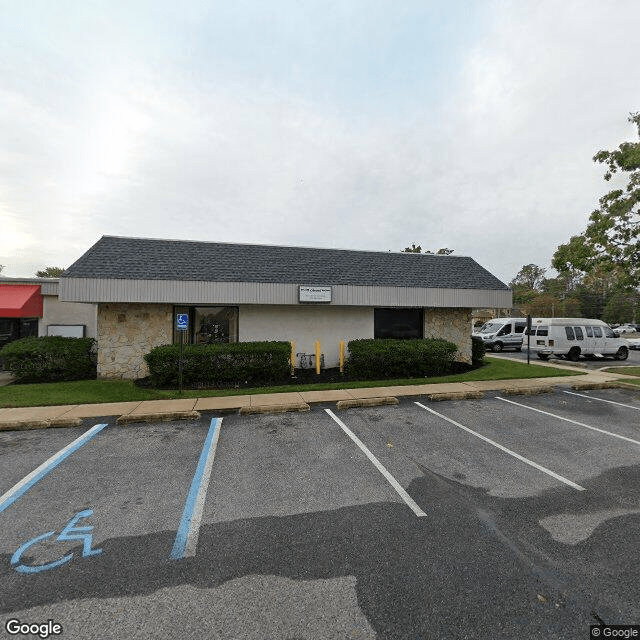
860 Route 168, Ste. 100, Turnersville, NJ 08012
To contact a resident: (856) 481-4066
For more information about senior living options: (866) 208-4318
Overall Review of Home Sweet Home Adult Medical Daycare
Pros
 The staff are lovely, and there are lots of great activities like bingo, a hair salon, and meals that create a welcoming community.
- The center provides attentive care, on-time transportation, and tasty meals that residents appreciate.
- The transportation is consistently on time, and residents receive individualized care along with engaging activities.
- The center is clean and organized, with a welcoming receptionist and varied activities that keep clients busy.
- The staff are well-liked by residents, who enjoy seeing their friends and staying active.
- The care is good, and the friendly workers help residents feel at home.
- The center is praised for its friendly staff, engaging activities, and overall cleanliness.
Cons
 The driver hit a parked car and the company refused to assist with the investigation into the driver's actions.
- The staff are rude, cannot answer simple questions, and become angry when questions are asked.
- The company has terrible reviews.
- The center is disorganized and mismanages patient care, including dropping off and losing patients.
- The care has declined with unprofessional staff, patients treated like cash cows, and underfeeding due to understaffing.
- The drivers ignore safety rules, failing to stop at signs and not using turn signals, nearly causing accidents.
- Elderly residents are left unattended or mistreated during transfers and outings.
- A receptionist is nasty and unprofessional and should be fired.
Review
Home Sweet Home Adult Medical Daycare in Turnersville is best suited for seniors who want a socially active daytime routine and dependable transportation, delivered in a clean, welcoming setting. It works particularly well for residents who need light supervision, enjoy a calendar of formal and informal activities (bingo, crafts, meals, socializing), and for families that value a community vibe and predictable ride schedules. This is not a good fit for seniors requiring high medical oversight, complex memory care, or strict safety protocols. For those with significant medical needs, cognitive challenges that demand vigilant supervision, or behaviors that require coordinated clinical intervention, other options will deliver more reliable coverage and peace of mind.
Alternatives deserve serious consideration when safety, consistency, and administration matter most. A number of reviews highlight transport as a friction point and point to inconsistent staffing, high turnover, and gaps in follow-through with families. For families that rely on tight coordination of medical appointments, clear accountability, and a stable caregiving team, the risk factors here can outweigh the social benefits. Likewise, for seniors who need dementia-specific programming, constant supervision, or more structured medical monitoring, exploring centers with on-site nursing support or dedicated memory-care pathways is prudent. The bottom line: this center can work for the right person, but the selection should rest on a plan for robust oversight and explicit expectations about care.
The strongest positives center on everyday liveliness and social engagement. Reviewers repeatedly describe a friendly staff, a broad slate of activities, edible meals, and a sense of community that makes attendees feel connected. A clean, organized environment and reliable transportation in favorable cases amplify the day-to-day experience, enabling workers to maintain routines and families to keep to work schedules. When operations run smoothly, the center delivers meaningful improvements in a participant’s mood and daytime purpose, turning what might be an indoor day into a shared, enjoyable experience. For attendees who value companionship and structured social time, these advantages translate into real quality-of-life gains.
Yet the cons are persistent and substantive. Transportation safety and driver conduct emerge as recurring concerns, including reports of near-misses and inadequate safeguards during transfers. Administrative and interpersonal issues surface as well, with critics describing rude interactions, inconsistent communication, and high staff turnover that break continuity of care. Several accounts portray a decline in care quality, insufficient staff engagement, and misalignment between advertised services and actual practice. A more troubling subset argues that attendees are not treated with consistent dignity, with claims that patients are overlooked, improperly supervised, or served meals that don’t meet basic nutritional standards. Taken together, these warnings create a risk profile where safety, trust, and dependable daily routines are not reliably guaranteed.
Given these realities, practical due diligence becomes non-negotiable. Prospective families should insist on a full, candid tour that goes beyond glossy marketing. Request current driver qualifications, accident history, and a transparent scheduling framework that demonstrates backups for missed pickups. Seek concrete staffing ratios, on-site nursing availability, and a solid incident-reporting process with timely family updates. Probe the intake flow for medical appointments and how memory-care needs would be managed on any given day. Ask for recent family references and permission to speak with attendees about the balance of activities, supervision, and safety practices around exits and mobility. Finally, obtain a precise, itemized cost structure, what is included, what triggers extra charges, and how disputes are resolved. A center with strong answers will welcome these questions and provide verifiable documentation.
The bottom-line conclusion is clear. Home Sweet Home Adult Medical Daycare can be a good fit for a segment of seniors who prize social stimulation, predictable transportation, and a welcoming atmosphere, all of which can produce tangible daily happiness. For families prioritizing ironclad safety, consistent caregiving, and professional administration, however, solid alternatives with stronger safety records and more stable staffing warrant serious consideration. The reviews coalesce into a cautious, practical verdict: visit multiple times, scrutinize safety and communication practices, and demand concrete proof of supervision standards before committing. If this center is chosen, couple the decision with a rigorous monitoring plan, explicit caregiver assignments, and a clear exit strategy should expectations not materialize. In the end, the decision should foreground daily wellbeing and safety, balancing the social enrichment on offer with the real-world need for dependable care and trustworthy leadership.
 Day Program
 Philadelphia International (12 miles away)







 Understanding Hospice Care at Home: Comprehensive Services, Key Benefits, and Eligibility
 Understanding the Full Cost of 24/7 In-Home Care: A Detailed Overview
 Exploring the World of Home Health Nurses: Qualifications, Roles, and Hiring Tips