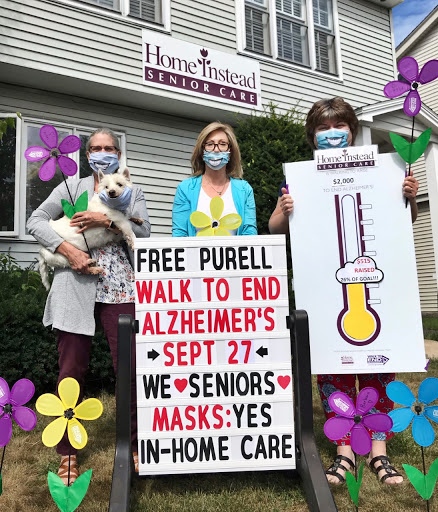
Home Instead Senior Care - Wolfeboro

Save

Home Instead Senior Care - Wolfeboro

Information last verified:

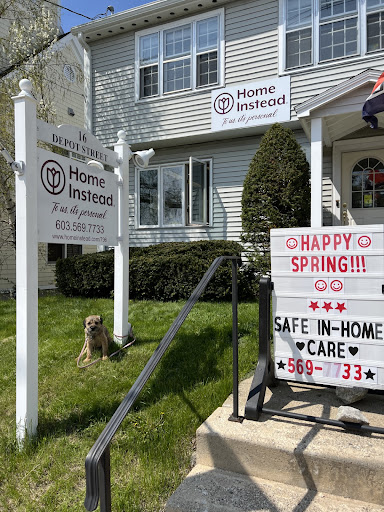
16 Depot Street, Wolfeboro, NH 03894

For more information about senior living options: (844) 490-3973

4.7 from 30 reviews
5 stars
28
4 stars
0
3 stars
0
2 stars
0
1 stars
2

Seniors.FYI Elite Community Awards

Top 5% Senior Living Community in 2021Top 5% Senior Living Community in 2022

Add this award to your website

Overall Review of Home Instead Senior Care - Wolfeboro

Pros

  • pro Home Instead is described as having caring, personable, and service-oriented personnel.
  • pro Home Instead caregivers go above and beyond to ensure loved ones are well taken care of, even in urgent situations.
  • pro The organization is highly recommended by clients and earns top marks for quality care.
  • pro Caregivers like Stacey are praised for thorough physical care and compassionate support of emotional and mental needs.
  • pro The Wolfeboro office staff are considered the BEST—helpful, understanding, and cooperative.
  • pro The home office staff are caring, helpful, and accommodating, and they excel at matching caregivers with clients.
  • pro The agency is a wonderful place to work, with owners who are respectful, supportive, and uphold high standards.
  • pro Interns and staff note a welcoming environment and a rewarding experience working with Home Instead Wolfeboro.

Cons

  • pro There was no caregiver from Home Instead present on the day of the baby shower, despite assurances.
  • pro The office blamed the mother-in-law for not making an appointment.
  • pro This was one of several letdowns attributed to Home Instead.
  • pro Administrators insisted planning would be based on an inaccurate assessment by an unlicensed and unqualified person.
  • pro That practice was described as dangerous and against the law.
  • pro Home Instead has consistently failed families and cannot be recommended.
  • pro One reviewer described it as the worst company to work for.

Review

Home Instead Wolfeboro is best suited for families seeking in-home senior care that prioritizes compassion, continuity, and hands-on family involvement. This community shines for elders who want to remain at home and for relatives who value caregiver matching, ongoing training, and a culture that treats care as a collaborative partnership. It works well for respite relief, smooth transitions to additional support, and flexible, day-to-day assistance that can adapt to changing needs. The strongest signal is a staff that often feels like an extended, caring team, willing to go beyond the call of duty to protect dignity, comfort, and independence in the home setting.

Those who may want to consider alternatives are clear: if licensed medical oversight, guaranteed coverage, or highly regulated environments are non-negotiable, this agency may not meet those expectations. A notable example within the client reports is a lapse in coverage on a scheduled day, followed by defensiveness about the scheduling mistake, which raises legitimate concerns about reliability in critical moments. Additionally, any care plan that depends on an unlicensed or noncompliant assessment would be unacceptable for families with substantial medical needs. For households requiring strict adherence to licensure, credentialed medical supervision, or unbroken staffing, exploring facilities or providers with explicit guarantees becomes prudent.

The positives here are substantive and repeatedly echoed by families. Caregivers are portrayed as deeply caring, personable, and reliable, with attention to nutrition, hygiene, and the living environment. Beyond routine tasks, reviews highlight emotional support and a gentle, respectful approach during difficult transitions, which matters when a loved one is adjusting to in-home care. The office team earns praise for responsive communication, thoughtful caregiver matching, and ongoing training that keeps staff current. The family-owned feel, owners and coordinators who are accessible and involved, translates into a sense of accountability and continuity that families value when navigating complex caregiving dynamics.

But the drawbacks cannot be ignored. Scheduling reliability is a recurring concern for a minority of clients, and miscommunications have led to care gaps and confusion about who is arriving and when. Safety questions arise when there are reports of unlicensed assessments or shifts staffed by personnel who may not meet expected regulatory standards. Although the overall sentiment among reviews remains strongly positive, these incidents illustrate real risk factors: a missed shift, last-minute changes, or a mismatch between expectations and what is delivered can destabilize an already fragile routine. For families, these are not abstract concerns but practical determinants of trust and safety.

The strongest resolution comes from the practical alignment of strengths to real-world needs. When a family places high value on compassionate, person-centered care delivered at home, and when flexibility and rapid communication with a local office are critical, the pros often offset the cons. The agency’s evident commitment to careful caregiver matching, the depth of staff training, and the emotional and practical support provided by caregivers create a robust support network that enables seniors to stay in familiar surroundings longer. This combination reduces stress for families, reduces hospital admissions for some conditions, and fosters a sustainable caregiving rhythm that adapts to evolving needs.

In the end, the recommendation is clear: Home Instead Wolfeboro represents a strong, practical choice for households prioritizing humane, home-based care with a high degree of family involvement. It is less suited for those who cannot tolerate any scheduling uncertainty or who demand uncompromising licensed medical oversight. Prospective clients should probe specifics before committing: the agency’s backup coverage policies, the caregiver matching process, the credentials of supervising staff, and the escalation plan when plans shift. With careful planning and clear expectations, this local franchise can deliver meaningful relief and continuity, helping elders live at home with dignity while keeping family members confidently engaged in the care journey.

Features

Housing

  • 21 resident community capacity 21 resident community capacity

Types of Care

  • Assisted Living Assisted LivingAssisted living facilities provide crucial support and care for seniors who may need help with daily tasks such as medication management, bathing, and meal preparation. These communities offer a safe and comfortable environment where seniors can maintain their independence while receiving the assistance they need to thrive in their golden years.

Amenities

  • Beauty salon Beauty salonBeauty salons are important for seniors because they provide a space for them to feel pampered, socialize, and maintain their personal grooming and hygiene. Regular visits to a beauty salon can help boost seniors' self-esteem and overall well-being.
  • Cable or satellite TV Cable or satellite TVCable or satellite TV is important for seniors because it provides entertainment, news, and companionship, helping to combat loneliness and boredom. It also offers a wide range of programming options tailored to different interests and preferences.
  • Dining room Dining roomDining rooms are important for seniors as they provide a space for socialization, connection, and nutritious meals. They offer opportunities for residents to bond over shared meals, foster a sense of community, and promote healthy eating habits. Dining rooms also ensure that seniors have access to well-balanced meals tailored to their dietary needs and preferences.
  • Fully furnished Fully furnishedFully furnished senior living communities are important for seniors because they provide convenience, comfort, and a hassle-free moving experience. Seniors can easily settle into their new living space without the stress of having to buy and move furniture. This allows them to focus on enjoying their new home and community.
  • Garden GardenGardens are important for seniors as they provide a peaceful and therapeutic environment for relaxation, physical activity, and socialization. Being in nature has been shown to reduce stress, improve mood, and promote overall well-being. Gardens also offer opportunities for seniors to engage in gardening activities, which can improve mobility, flexibility, and cognitive function. Additionally, gardens create a sense of community and connection with others who share a passion for plants and outdoor spaces.
  • Housekeeping services Housekeeping servicesHousekeeping services are important for seniors because they help maintain a clean and safe living environment, promote independence, and reduce the risk of accidents or illnesses. Additionally, having assistance with household chores can alleviate physical strain and allow seniors to focus on other aspects of their well-being.
  • Kitchenette KitchenetteKitchenettes are important for seniors living in senior living communities because they provide the convenience and independence of being able to prepare simple meals and snacks in the comfort of their own living space. This can help promote a sense of autonomy and well-being for seniors, allowing them to maintain some level of control over their dietary choices and daily routines.
  • Move-in coordination Move-in coordinationMove-in coordination is important for seniors because it helps ease the transition into their new living environment. It ensures that all logistics, such as packing, organizing movers, and setting up utilities are taken care of, allowing seniors to focus on settling in and adjusting to their new home. Having a smooth move-in process can alleviate stress and anxiety, making the transition smoother and more enjoyable for seniors.
  • Outdoor space Outdoor spaceOutdoor spaces are important for seniors as they provide opportunities for physical activity, social interaction, exposure to natural light and fresh air, and a sense of connection to nature. Having access to outdoor spaces can improve overall well-being and quality of life for older adults living in senior communities.
  • Restaurant-style dining Restaurant-style diningRestaurant-style dining is important for seniors because it allows them to enjoy delicious, nutritious meals in a social and upscale setting. This enhances their dining experience, promotes healthy eating habits, and fosters socialization with fellow residents, ultimately contributing to their overall well-being and quality of life.
  • Small library Small librarySmall libraries are important for seniors as they provide access to a variety of reading materials, including books, newspapers, and magazines. This can help stimulate their minds, keep them engaged, and provide a sense of community through book clubs and other social activities. Additionally, reading has been shown to improve cognitive function and overall mental well-being in older adults.
  • Telephone TelephoneTelephones are important for seniors as they provide a lifeline for communication with loved ones, emergency services, and healthcare providers. They offer a sense of security and independence, enabling seniors to stay connected and access assistance when needed.
  • Wi-Fi/high-speed internet available Wi-Fi/high-speed internet availableWi-Fi/high-speed internet is important for seniors to stay connected with loved ones, access online resources, and participate in virtual activities to combat feelings of loneliness and isolation. It also allows them to easily manage healthcare needs, access entertainment, and engage in lifelong learning opportunities.

Care Services

  • 24-hour call system 24-hour call system24-hour call systems are important for seniors because they provide peace of mind and immediate assistance in case of emergencies. This technology ensures that help is always available, promoting safety and security for elderly individuals living alone or in assisted living facilities.
  • 24-hour supervision 24-hour supervision24-hour supervision is important for seniors to ensure their safety, well-being, and access to immediate assistance in case of emergencies or health issues. This constant support provides peace of mind for both seniors and their loved ones, allowing them to age in place with dignity and security.
  • Activities of daily living assistance Activities of daily living assistanceActivities of daily living assistance are important for seniors because they provide essential support with tasks such as eating, bathing, dressing, and mobility. This assistance helps seniors maintain their independence, dignity, and overall quality of life as they age.
  • Assistance with bathing Assistance with bathingAssistance with bathing is crucial for seniors as it helps maintain personal hygiene, prevents infections, and ensures their overall well-being and comfort. It also provides a sense of dignity and independence for seniors who may struggle with this task on their own.
  • Assistance with dressing Assistance with dressingAssistance with dressing is important for seniors because it helps maintain their independence, promotes personal hygiene, prevents accidents and injuries, and improves overall quality of life. This service ensures that seniors can continue to dress comfortably and confidently, despite any physical limitations they may have.
  • Assistance with transfers Assistance with transfersAssistance with transfers is crucial for seniors as it helps prevent falls and injuries, maintains their independence, and ensures they can safely navigate their living environment. It also provides peace of mind for both seniors and their loved ones.
  • Diabetes diet Diabetes dietA diabetes diet is crucial for seniors as it helps manage blood sugar levels, reduce risks of complications, and improve overall health and well-being. By following a balanced and nutritious diet tailored to their specific needs, seniors can better control their diabetes and enhance their quality of life.
  • Meal preparation and service Meal preparation and serviceMeal preparation and service are crucial for seniors as they may have limited mobility or energy to cook nutritious meals. Having access to healthy and convenient food options can ensure they are getting the proper nutrition needed to maintain their overall health and well-being.
  • Medication management Medication managementMedication management is crucial for seniors to ensure they are taking the right medications at the correct dosages and times. This helps prevent adverse drug interactions, reduces the risk of medication errors, and promotes overall health and well-being. Proactive management also allows for adjustments as needed based on changing health conditions or new prescriptions.
  • Mental wellness program Mental wellness programMental wellness programs are essential for seniors as they promote cognitive stimulation, emotional support, and social engagement. These programs help prevent isolation, depression, and cognitive decline, ultimately enhancing the overall quality of life for older adults.
  • Special dietary restrictions Special dietary restrictionsSpecial dietary restrictions are important for seniors because age-related changes in metabolism and health conditions can make it difficult for their bodies to process certain foods. By following a diet tailored to their specific needs, seniors can maintain their overall health and well-being, manage chronic conditions, and reduce the risk of complications such as malnutrition or food interactions with medications.

Dining

  • Diabetes diet Diabetes dietA diabetes diet is crucial for seniors as it helps manage blood sugar levels, reduce risks of complications, and improve overall health and well-being. By following a balanced and nutritious diet tailored to their specific needs, seniors can better control their diabetes and enhance their quality of life.
  • Special dietary restrictions Special dietary restrictionsSpecial dietary restrictions are important for seniors because age-related changes in metabolism and health conditions can make it difficult for their bodies to process certain foods. By following a diet tailored to their specific needs, seniors can maintain their overall health and well-being, manage chronic conditions, and reduce the risk of complications such as malnutrition or food interactions with medications.

Activities

  • Community-sponsored activities Community-sponsored activitiesCommunity-sponsored activities are important for seniors as they provide opportunities for social interaction, mental stimulation, and physical activity. These activities can help improve overall well-being, combat loneliness and isolation, and promote a sense of belonging and purpose among older adults.
  • Resident-run activities Resident-run activitiesResident-run activities are important for seniors as they encourage social interaction, creativity, and a sense of autonomy. These activities empower seniors to stay engaged and active in their community while fostering meaningful connections with their peers.
  • Scheduled daily activities Scheduled daily activitiesScheduled daily activities are important for seniors because they provide structure, socialization, mental stimulation, and physical activity. Engaging in regular activities can improve overall well-being and quality of life for seniors living in a community setting.

Description

The Home Instead Senior Care - Wolfeboro in Wolfeboro, NH is a comfortable and welcoming assisted living community that offers a range of amenities and care services for seniors. The community provides residents with the option of cable or satellite TV in their fully furnished apartments, ensuring they can enjoy their favorite shows and movies.

The dining room offers restaurant-style dining, where residents can enjoy delicious meals prepared by the staff. Special dietary restrictions are also accommodated to ensure that everyone's nutritional needs are met. Additionally, the kitchenette allows residents to prepare their own meals if desired.

The community features beautiful outdoor spaces and gardens for residents to relax and enjoy nature. There is also a small library where residents can peruse books at their leisure. Wi-Fi/high-speed internet is available throughout the community, keeping residents connected with their loved ones and providing access to online resources.

The dedicated staff at Home Instead Senior Care - Wolfeboro provide 24-hour supervision and assistance with activities of daily living such as bathing, dressing, and transfers. They also offer medication management services to ensure that residents are taking their medications as prescribed. A mental wellness program is in place to support the emotional well-being of all residents.

Located conveniently near cafes, parks, pharmacies, physicians' offices, restaurants, places of worship, and hospitals, this community ensures that residents have easy access to necessary amenities and healthcare services. In addition to organized daily activities, there are resident-run activities for seniors to engage in social interactions with fellow community members.

Overall, Home Instead Senior Care - Wolfeboro provides a comfortable and supportive environment for seniors looking for assisted living options in Wolfeboro, NH.

Nearby Places of Interest

Pharmacies

  • Walgreens (0 miles)
  • Care Pharmacy (0.3 miles)
  • Walgreens (9.6 miles)
  • Walmart Pharmacy (11.5 miles)
  • Hannaford Pharmacy (11.7 miles)
  • CVS Pharmacy (11.9 miles)
  • Rite Aid (13.1 miles)

Restaurants

  • Downtown Grille Cafe (0.1 miles)
  • Wolfeboro Dockside Grille & Dairy Bar (0.1 miles)
  • Garwoods Restaurant (0.1 miles)
  • Wolfeboro Dockside Grille (0.1 miles)
  • Bayside Grill & Tavern (0.2 miles)
  • Burnt Timber Tavern (0.2 miles)
  • Wolfetrap Grill And Rawbar (0.2 miles)

Cafes

  • North Main Cafe (0.1 miles)
  • Nina's Coffee on Wheels (9.3 miles)
  • Tumbledown Cafe (9.5 miles)
  • Winnepesaukee Bay Gulls 2 (9.6 miles)
  • Wayfarer Coffee Lakeport (12.8 miles)
  • Aroma Joe's Coffee (13 miles)

Parks

  • Guy Foss Memorial Recreation Area (0.2 miles)
  • Foss Field (0.3 miles)
  • Wentworth State Park (4.3 miles)

Hospitals

  • Thomas Lynn (0.3 miles)
  • Huggins Hospital (0.6 miles)
  • Lakes Region General Hospital North 2/Cardiac (13.2 miles)

Places of Worship

  • Grace Point Church (0.4 miles)
  • Wakefield Church of Nazarene (8.9 miles)
  • Community Church Of Alton (9 miles)
  • The Episcopal Church of St John the Baptist (9.4 miles)
  • Sumitomo Machinery Corporation Of America (10.4 miles)
  • St André Bessette Parish (13.1 miles)
  • Congregational Church of Laconia (13.6 miles)

Physicians

  • Orthopedic Surgeons (0.6 miles)
  • Wolfeboro Family Medicine (0.7 miles)
  • Internal Medicine Of Wolfeboro (0.7 miles)
  • Wolfeboro Pediatrics (0.7 miles)
  • Adult & Pediatric Dermatology, PC (2.3 miles)
  • Rust Pond Family Medicine (2.5 miles)
  • Ossipee Family Medicine (8.3 miles)

Transportation

  • B18 Alton Bay Ice Runway (7.9 miles)

Theaters

  • Weirs Beach Drive-In Theater (12.5 miles)

Frequently Asked Questions

Where is Home Instead Senior Care - Wolfeboro?
What photos are available for Home Instead Senior Care - Wolfeboro in Wolfeboro, New Hampshire?

Nearby Communities

  • Whole Hearted Senior Home Care

    Whole Hearted Senior Home Care

    Wolfeboro, NH

    5 from 21 reviews
    $5,000 to $6,500 / month

    pro Warm, comfortable atmosphere with 24-hour care and engaging activities.

  • Home Instead - Wolfeboro ,  NH

    Home Instead - Wolfeboro , NH

    Wolfeboro, NH

    4.9 from 56 reviews
    $4,950 to $5,600 / month

    pro Compassionate, professional caregivers with strong communication.

  • Back Bay

    Back Bay

    Wolfeboro, NH

     
    $1,195 to $1,295 / month

    pro Affordable, amenity-rich location with convenient access to parks, pharmacies, physicians, restaurants, places of worship, and hospitals.

  • Huggins Hospital

    Huggins Hospital

    Wolfeboro, NH

    3.1 from 108 reviews
    $5,856 to $7,612 / month

    pro Prime location near Huggins Hospital with ample nearby amenities.

  • Huggins Hospital - Adult Day Care

    Huggins Hospital - Adult Day Care

    Wolfeboro, NH

    3.1 from 100 reviews
    $8,010 / month

    pro 24/7 supervision with ADL assistance and extensive on-site amenities (dining, garden, library, activities).

  • Jacqueline Grasso

    Jacqueline Grasso

    Wolfeboro, NH

    2.3 from 27 reviews
     

    pro Small, intimate 21-bed community with comprehensive care and dining options.

  • Sugar Hill Retirement Community Inc

    Sugar Hill Retirement Community Inc

    Wolfeboro, NH

    4.6 from 18 reviews
    $2,468 to $4,860 / month

    pro Friendly, professional staff in a clean, welcoming community with good meals.

  • Mountain View Community

    Mountain View Community

    Ossipee, NH

    4.7 from 12 reviews
     

    pro Comprehensive amenities and 24/7 care support

  • Taylor Community

    Taylor Community

    Laconia, NH

    3.4 from 41 reviews
    $1,195 to $5,100 / month

    pro Compassionate staff and engaging activities for residents.

Related Resources

  • active senior livingVibrant Senior Living: A Comprehensive Guide for Active Older Adults

    Vibrant Senior Living emphasizes active senior living communities that promote independence and engagement through diverse amenities and activities, fostering wellness and social interaction among older adults. These communities range from independent to assisted living, with a focus on personal growth, family involvement, financial planning, and leveraging technology to enhance residents' experiences.

  • when to move from assisted living to memory careWhen to Transition from Assisted Living to Memory Care: Key Indicators, Steps, and Finding the Right Community

    Transitioning from assisted living to memory care is driven by an individual's cognitive decline and specific needs, requiring careful evaluation of indicators like increased confusion and wandering. The process involves consulting medical professionals, researching suitable communities, considering financial and legal aspects, and ensuring effective communication for personalized care plans.

  • assisted living vs memory careAssisted Living and Memory Care: Understanding Their Core Differences


    Assisted living provides moderate support for seniors seeking independence, while memory care offers specialized support for individuals with dementia or cognitive impairments through structured routines and trained staff. Key differences include care approaches, environment security measures, staff training levels, activity types, and cost considerations.