
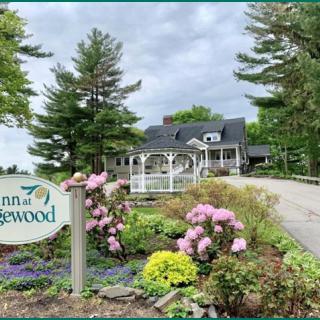
413 Lafayette Road, Portsmouth, NH 03801
For more information about senior living options: (866) 208-4318
Overall Review of Residential Facility II
Pros
 The place is amazing, with very nice, handicapped-accessible apartments.
- It feels like a little piece of heaven in Portsmouth, with wildlife to watch.
- The residents are incredibly nice, making the community clean and quiet.
- It is an excellent housing facility with friendly staff.
- The people living there are beautiful and the community is welcoming.
- It supports independent living for people with physical disabilities and is wheelchair-friendly.
- It is a god-sent facility where the reviewer loves interacting with the people.
Cons
 The facility is described as having a toxic environment fostered by the Portsmouth Housing Authority.
- The staff are not quick to address problems that may arise.
- It is not what the Betty's Dream Foundation wanted; it could be so much better.
Review
This community is best suited for adults with physical disabilities who want independent living in a fully accessible setting, backed by a welcoming, active resident community in Portsmouth, New Hampshire. The housing is described as completely wheelchair-friendly with apartments that are attractive and functional, and the environment supports ongoing independence without surrendering social connection. Residents routinely share that the setting feels like a safe, comfortable home where mobility challenges are met with thoughtful design, quiet surroundings, and opportunities to engage with neighbors. For families seeking a practical, live-in option that prioritizes accessibility and community, this is a compelling fit.
Those who may want to consider alternatives fall into a few clear categories. If priority is rapid problem resolution or flawless day-to-day operations, this community’s occasional maintenance delays and perceived gaps in responsiveness may be a deal-breaker. If the expectation includes robust, around-the-clock medical oversight or highly structured clinical support, other options with more intensive on-site care will be preferable. Additionally, if governance or external oversight feels unsettled or fraught with tension, prospective residents should investigate current leadership, resident councils, and funding relationships to ensure alignment with expectations.
The strongest pros here, notably, the accessibility, cleanliness, and peaceful atmosphere, do a solid job of offsetting the main drawbacks. The apartments are widely praised for being nice and wheelchair-friendly, and the overall environment is described as clean, quiet, and welcoming from the moment of arrival. The community’s social fabric stands out: friendly residents, opportunities to socialize, and activities such as painting and informal gatherings create a sense of belonging that makes independent living feel sustainable and rewarding. Where some communities struggle to balance independence with support, this one demonstrates a clear emphasis on empowering residents to participate fully in everyday life.
Yet the reviews do surface meaningful cautions. A portion of feedback points to slow problem-solving when issues arise, and a few remarks question how well management and the housing authority address concerns. There is also mention of governance tensions and the suggestion that the facility could function more effectively with greater volunteer involvement and clearer alignment with funding partners. These signals are not uniformly fatal, but they underscore the need for due diligence: verify current maintenance timelines, confirm who handles resident appeals, and understand the role volunteers play in sustaining programs and operations.
For decision-making, prospective residents should request concrete, up-to-date answers on maintenance response times, staff stability, and the organizational structure that supports residents day-to-day. Tours should include conversations with current residents about how quickly concerns are resolved, what kind of on-site assistance exists, and how opportunities for social engagement are cultivated. Inquire about volunteer programs, resident councils, and the process for integrating new amenities or activities. It is also prudent to verify the status of external funding relationships and how they influence programming and priorities, ensuring expectations align with what is realistically sustainable.
Overall, this community delivers a strong value proposition for those prioritizing independence within a highly accessible, socially vibrant setting. It is a genuine fit for adults with physical disabilities who want a practical home base that is welcoming, supportive, and full of life. Families should consider alternatives only if the need is for faster issue resolution or more intensive clinical oversight, or if governance dynamics raise concerns that could affect daily life. With a compelling resident culture, beautiful accommodations, and a clear commitment to accessibility, the decision to move forward should hinge on aligning personal care expectations with the proven strengths and the candid caveats reflected in current operations. A guided visit and frank conversations will reveal whether this is the right next chapter.
 12 resident community capacity
 Assisted Living
 Cable or satellite TV
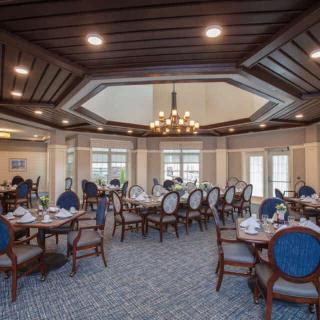
 Dining room
 Fully furnished
 Garden
 Housekeeping services
 Move-in coordination
 Outdoor space
 Telephone
 Wi-Fi/high-speed internet available
 24-hour supervision
 Activities of daily living assistance
 Assistance with bathing
 Assistance with dressing
 Assistance with transfers
 Diabetes diet
 Meal preparation and service
 Medication management
 Special dietary restrictions
 Transportation arrangement (medical)
 Transportation to doctors appointments





 Comprehensive Supportive Living Arrangements for Adults with Disabilities
 Funding and Affording Assisted Living: A Thorough Overview
 Assisted Living Expenses and Long-Term Care Insurance: A Comprehensive Exploration