

1016 John Stark Highway, Newport, NH 03773
For more information about senior living options: (866) 208-4318
Mccoy Home For The Elderly Costs & Pricing
McCoy Home For The Elderly offers competitive pricing for its residential care options, particularly when compared to the broader market rates in Sullivan County and across New Hampshire. The facility charges $3,000 per month for a semi-private room, significantly lower than the county average of approximately $4,895 and the state average of around $4,881. For private rooms, McCoy's pricing ranges from $3,500 to $4,600, which is also more affordable than the local and state averages of $3,934 and $5,170 respectively. These cost-effective offerings provide an appealing option for families seeking quality elder care without exceeding their financial means.
| Floor plans | Mccoy Home For The Elderly | Sullivan County | New Hampshire |
|---|---|---|---|
| Semi-Private | $3,000 | $4,895 | $4,881 |
| Private | $3,500 to $4,600 | $3,934 | $5,170 |
Assisted Living communities with a similar price nearby
-
About the same
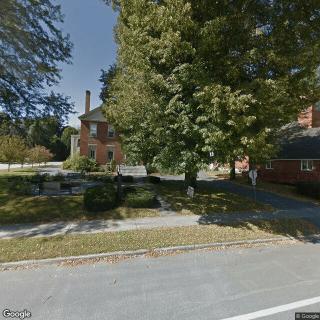
Historic Homes Of Runnemede - Stoughton House
$3,000 / month10.1 miles away
Overall Review of Mccoy Home For The Elderly
Pros
 Tammy and her staff are amazing.
- They treat residents with dignity, love and respect.
- There is a special place in heaven for these angels.
- The home is lovely and comfortable.
- The staff is amazing.
Review
McCoy Home For The Elderly in Newport, NH is best suited for seniors who want a warm, intimate, home-like setting where care feels personal and dignified. The environment prioritizes human connection over formality, and the staff are repeatedly praised for treating residents with dignity, love, and respect. In multiple accounts, the home comes across as a lovely, comfortable place where the caregiving staff feel like an extended family to the residents. This combination makes it an ideal match for seniors who flourish in close-knit, predictable routines and value genuine, ongoing relationships with caregivers rather than a more institutional atmosphere.
That said, families should consider alternatives if the situation demands more intensive medical oversight or a broader array of on-site services. Large assisted living campuses often pair stronger 24/7 nursing coverage, more formal memory-care environments, and a wider spectrum of therapies and activities. For residents with higher acuity needs, frequent physician visits, or particular clinical requirements, a bigger operation with greater clinical depth may reduce stress and logistical friction for families.
The strongest pros here, compassionate, consistent staff and a genuine home ambience, largely offset the usual concerns that accompany small, intimate elder-care settings. When staff are singled out for their kindness and the care feels personalized, residents receive daily attention that supports dignity, autonomy, and engagement. The home-like, comfortable atmosphere lowers the sense of separation many seniors feel from their own households and can improve mood, participation in activities, and overall satisfaction. The trade-off to monitor is the degree of clinical depth and program breadth available on-site; while those elements aren’t the focus of these reviews, they naturally come up when a community operates on a smaller scale.
There is one 3-star rating among six reviews, signaling that experiences can vary. That rating suggests the possibility of occasional inconsistencies, perhaps related to scheduling, communication, or momentary staffing pressures, factors common to smaller operations. However, the overwhelming majority of feedback emphasizes consistent warmth and respect, which anchors expectations about what daily life will feel like for residents and families. Prospective buyers should use this variance as a prompt to probe operational details during a visit and to verify how the home handles peak times and transitions in care.
To determine fit, families should pursue a focused, outcome-oriented tour. Ask about staff-to-resident ratios across different shifts, the level of clinical oversight available on-site, and how care plans are developed and updated. Seek clarity on meal quality, daily activities, transportation options, and opportunities for family involvement in planning and monitoring care. Inquire about respite care, continuity of care during weekend or holiday periods, and the process for escalating concerns. Most importantly, observe interactions in real time: the tone, pace, and warmth of responses to questions from residents and the attentiveness of caregivers.
In the end, McCoy Home For The Elderly stands out for seniors who prize a nurturing, intimate setting where caregivers build meaningful, respectful relationships and residents feel genuinely valued. It represents a compelling choice for families seeking a sincere, home-centered alternative to larger, more clinical environments. For those whose priorities include robust medical infrastructure, comprehensive memory-care capabilities, or a broad spectrum of on-site therapies, it is prudent to compare with other options and visit with specific, scenario-driven questions in hand. A guided tour, meeting Tammy, observing staff-resident dynamics, and sampling a day in the life, will reveal whether this community aligns with the resident’s needs and the family’s expectations.
 16 resident community capacity
 Assisted Living
 Board and Care Home
 Cable or satellite TV
 Dining room
 Fully furnished
 Garden
 Housekeeping services
 Move-in coordination
 Outdoor space
 Private
 Telephone
 Wi-Fi/high-speed internet available
 24-hour supervision
 Activities of daily living assistance
 Assistance with bathing
 Assistance with dressing
 Assistance with transfers
 Diabetes diet
 Meal preparation and service
 Medication management
 Special dietary restrictions
 Transportation arrangement (medical)
 Transportation to doctors appointments






 Assisted Living and Memory Care: Understanding Their Core Differences
 Beyond the Bingo Hall: 50+ Enriching Activities for Seniors in Assisted Living
 Understanding the Distinctions: Assisted Living and Memory Care Explained