
84 Pine Street, Newport, NH 03773
For more information about senior living options: (866) 208-4318
Woodlawn Care Center Costs & Pricing
Woodlawn Care Center offers a competitive pricing structure compared to the broader market in Sullivan County and the state of New Hampshire. For a studio room, residents can expect to pay $3,495 monthly, significantly lower than the county's average of $4,978 and the state average of $5,346. One-bedroom accommodations are also affordably priced at $3,995, notably more economical than both Sullivan County's average of $5,316 and New Hampshire's median of $4,444. However, for private rooms priced at $5,995, Woodlawn is higher than Sullivan County's $3,934 but slightly below the state's average. The semi-private option stands out at $7,500 per month; while this is considerably above both county ($4,895) and state ($4,881) averages, it underscores a commitment to providing an alternative that may be perceived as offering enhanced amenities or services. Overall, Woodlawn Care Center presents a compelling choice for those seeking value without compromising on quality in their living arrangements.
| Floor plans | Woodlawn Care Center | Sullivan County | New Hampshire |
|---|---|---|---|
| Studio | $3,495 | $4,978 | $5,346 |
| 1 Bedroom | $3,995 | $5,316 | $4,444 |
| Private | $5,995 | $3,934 | $5,170 |
| Semi-Private | $7,500 | $4,895 | $4,881 |
Overall Review of Woodlawn Care Center
Pros
 The staff here is taking great care of her and her needs.
- They are very accommodating to both the residents and their visitors.
- It is like being part of a family.
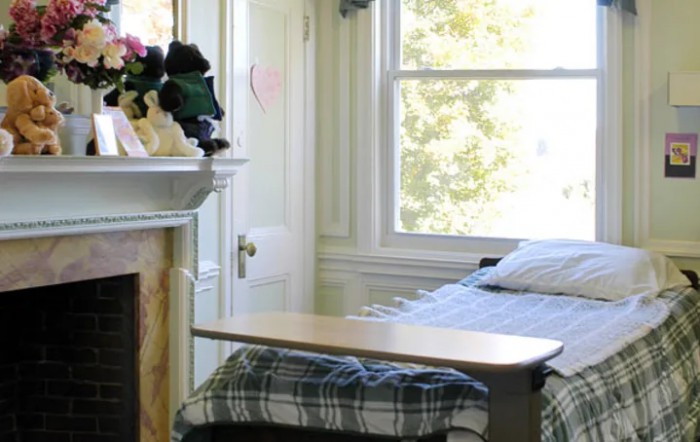
- He loved his room.
- He loved the food and the care.
- Mostly, he loved the staff, and the staff loved him.
- The atmosphere at Woodlawn is pleasant and collegial.
- Everyone works hard and is respectful to all others.
Cons
 He rated the care at 60 percent.
- At the end of his stay, he was rushed out of the home.
- Woodlawn was not a place for him.
Review
Woodlawn Care Center in Newport, NH is best suited for families seeking a practical, homey environment where attentive, long-tenured staff deliver around-the-clock care and a strong, family-like atmosphere. The community appears to work best for seniors who need ongoing personal care and medical oversight, not for those chasing luxury amenities or high-end rehabilitation programs. It’s especially appealing to relatives who want to feel welcomed and involved, with staff who are consistently described as caring and committed to residents’ well-being. For families prioritizing warmth, predictable routines, and a sense that care is rooted in genuine relationships, Woodlawn stands out as a dependable option.
That said, certain realities warrant careful consideration. Those aiming for a facility with upscale surroundings, resort-like features, or state-of-the-art, highly specialized clinical services should examine alternatives. If the priority is a pristine, modern setting or intensive memory-care protocols beyond what a smaller, traditional center typically offers, Woodlawn may fall short of expectations. For families with complex rehab needs, aggressive post-acute programs, or a desire for highly structured, comprehensive care plans tied to aggressive clinical pathways, it is prudent to compare multiple options before committing. The cadence of care and the environment here are anchored in warmth and continuity rather than showpiece polish, and that distinction matters in decision-making.
The strongest positives are the everyday interactions and the philosophy that underpins care. Multiple accounts highlight staff who show up consistently with genuine concern for residents. Families of long-term residents describe a culture of belonging, an atmosphere where residents feel seen, valued, and treated with respect. The care teams are praised for their willingness to accommodate visitors, which translates into smoother daily life for residents and less stress for families navigating transitions. Palliative and end-of-life care are framed as essential strengths here, with staff who understand the emotional and practical dimensions of declining health. In short, when a resident’s daily needs are steady, and caregivers are reliable and compassionate, the overall quality of life tends to remain steadier than in larger, more impersonal facilities.
Among the cautions, one review stands out as a counterpoint worth weighing. A brief stay described as distressing by a former occupant paints a stark contrast to the more common praise: a perception of inadequate care and a sense of being rushed out. While this represents a single, negative visitor experience, it cannot be dismissed, especially by families balancing safety, comfort, and timing of discharge after hospital events. Another reviewer expressed frustration with what seemed like overly rigid rules in comparison with a more relaxed environment at Woodlawn. Taken together, these voices suggest that care quality can feel uneven depending on the specific shift, unit, or episode of care, and that expectations about pace and rules should be clarified upfront. The presence of such experiences underscores the importance of direct observation and transparent dialogue with the staff before making a final decision.
How the community’s strengths offset the potential drawbacks hinges on priorities. For families prioritizing relational care, continuity, and a sense of “family” for their loved one, the pros are meaningful enough to outweigh the occasional dissonance in care experiences. The reputation for attentive staff and palliative-focused practice provides reassurance for families planning for longer-term care or end-of-life considerations. In addition, the unpretentious, non-luxury setting can be an advantage for seniors who thrive on familiarity and routine rather than novelty or opulence. Prospective residents should, however, verify daily caregiving ratios, responsiveness to call bells, and the consistency of care across weekends and holidays, because those factors most directly determine whether the positives hold steady over time.
Ultimately, Woodlawn Care Center serves as a solid, practical option for those who value care that feels personal and grounded in everyday kindness. It is especially well-suited for seniors who require steady assistance with daily living, attentive monitoring, and supportive, family-like staff relationships. The facility’s appeal diminishes for families chasing premium amenities or highly specialized rehab programs, or for those who demand ultra-tight control over discharge planning and rapid clinical escalation. For families weighing options, a firsthand tour is essential: observe meals, note how staff speak with residents, ask about staff-to-resident ratios during different shifts, and talk with several families about their experiences across seasons. If the priority is reliable, compassionate care delivered in a warm, unpretentious setting, Woodlawn deserves serious consideration, and with proper diligence, can align well with a loved one’s needs and a family’s expectations.
 53 resident community capacity
 Skilled Nursing Facility
 Air-conditioning
 Beauty salon
 Cable or satellite TV
 Computer center
 Dining room
 Fitness room
 Fully furnished
 Gaming room
 Garden
 Housekeeping services
 Kitchenette
 Move-in coordination
 Outdoor space
 Private bathrooms
 Restaurant-style dining
 Small library
 Telephone
 Wellness center
 Wi-Fi/high-speed internet available
 Community operated transportation
 12-16 hour nursing
 24-hour call system
 Activities of daily living assistance
 Assistance with bathing
 Assistance with dressing
 Assistance with transfers
 Diabetes diet
 Medication management
 Mental wellness program
 Special dietary restrictions
 Concierge services
 Planned day trips





 Recognizing the Journey: Understanding and Navigating Anticipatory Grief
 Encouraging Participation in Adult Day Care: A Guide to Supporting a Hesitant Parent
 Comprehensive Exploration of Living Wills and Other Advance Directives