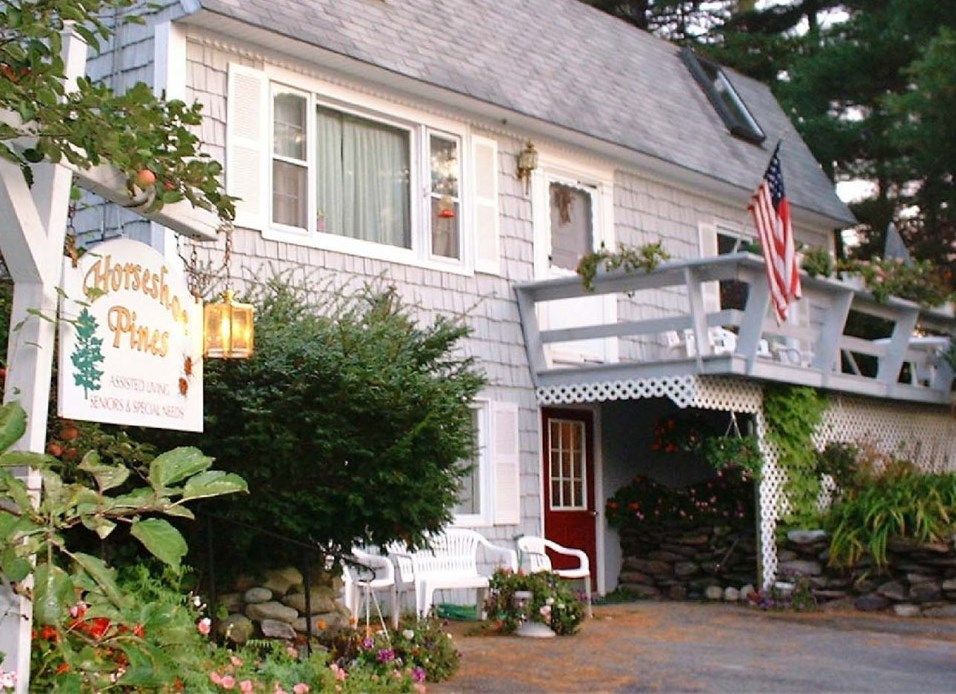
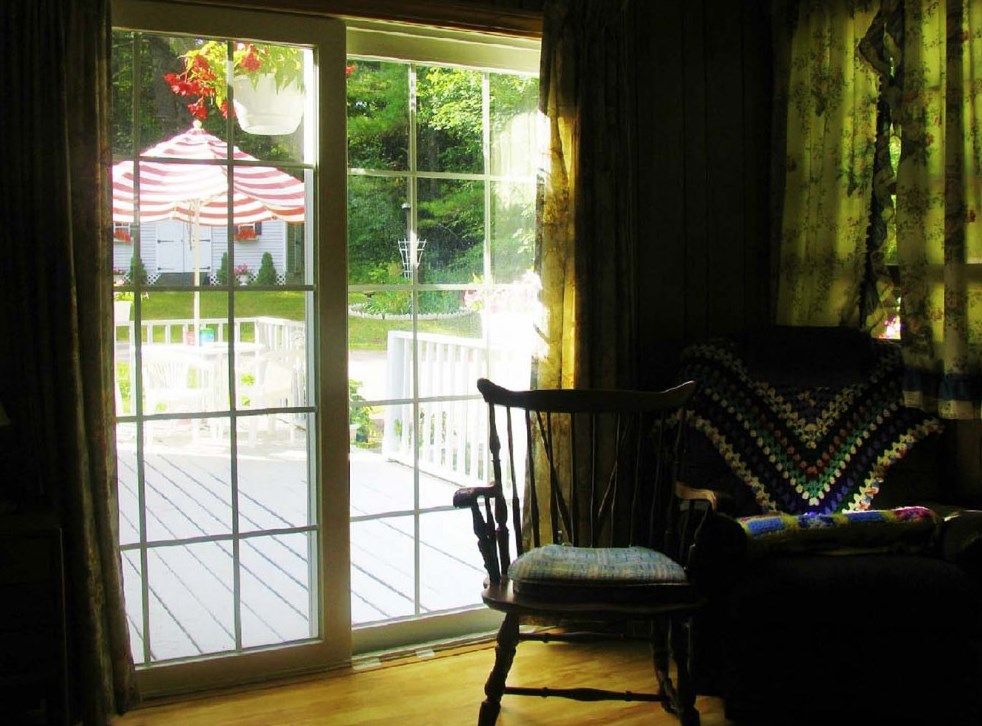
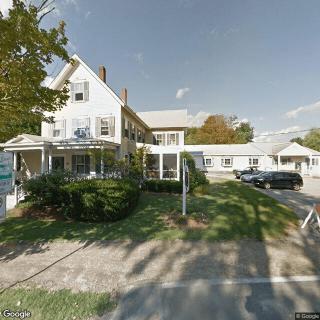
79 Province Road, Goshen, NH 03752
For more information about senior living options: (866) 208-4318
Horseshoe Pines Costs & Pricing
At Horseshoe Pines, the monthly costs for both private and semi-private rooms are notably competitive compared to the broader market in Sullivan County and across New Hampshire. Specifically, residents can secure a private room at Horseshoe Pines for $2,375, which is significantly lower than the county average of $3,934 and the state average of $5,170. Similarly, the cost for a semi-private room aligns with this affordability at $2,375 as well, while rates in Sullivan County soar to $4,895 and hover around $4,881 statewide. This positioning underscores Horseshoe Pines' commitment to offering quality care at accessible prices, making it an attractive option for families considering long-term care solutions.
| Floor plans | Horseshoe Pines | Sullivan County | New Hampshire |
|---|---|---|---|
| Private | $2,375 | $3,934 | $5,170 |
| Semi-Private | $2,375 | $4,895 | $4,881 |
Assisted Living communities with a similar price nearby
-
from -$335 / mo
Willows of Windsor
$2,040 / month17.3 miles away -
from -$375 / mo

Cedar Hill Health Care Center
$2,000 to $4,200 / month15.5 miles away
Overall Review of Horseshoe Pines
Pros
 The staff at Horseshoe Pines are friendly and caring.
- Residents enjoy meals prepared with love.
- Horseshoe Pines feels like a home for its residents.
- The care at Horseshoe Pines is affordable for families.
- Residents become more active after moving to Horseshoe Pines.
- Horseshoe Pines is described as offering excellent care for seniors.
- Loved ones express happiness and gratitude about the care at Horseshoe Pines.
Cons
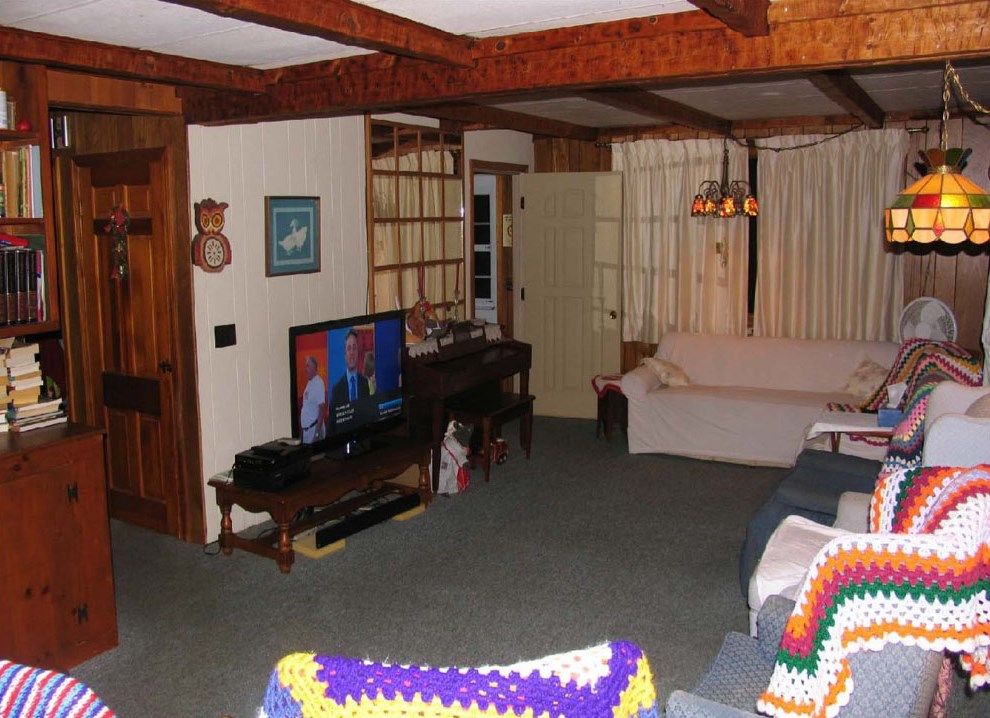
 Horseshoe Pines would benefit from some overall updating.
- It is a quiet community without a variety of activities offered.
- Horseshoe Pines is currently full.
- It was devastating for the family to have to place their mother in an assisted living facility.
Review
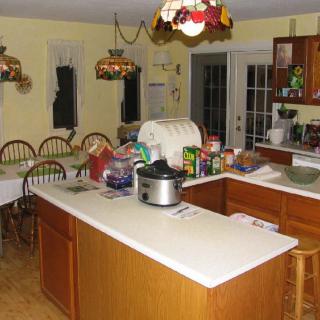
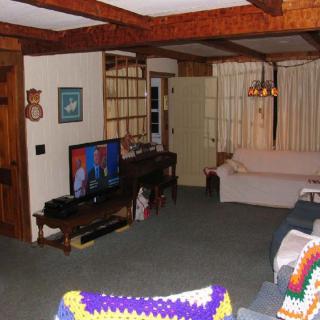
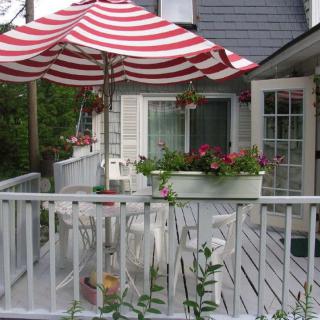
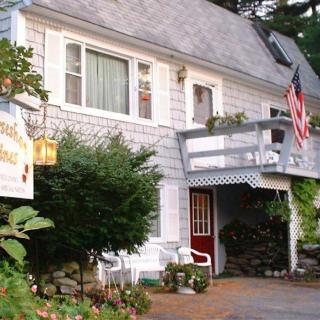
Horseshoe Pines is best suited for families seeking a small, home-like assisted living experience in Goshen, NH where warmth from the caregiving team and meals prepared with care drive daily life. It works well for residents who prioritize a quiet, intimate setting and predictable routines over a big calendar of activities or resort-style amenities. Those who want a lively, bustling social program or extensive on-site programming may want to explore larger campuses with more aggressive activity calendars. The tight, neighborhood feel supports close relationships with staff and neighbors, but it also means fewer options for variety and modernization.
The strongest positives here are the human elements: staff who come across as genuinely caring, a sense that staff are invested in each resident, and meals that feel homemade and thoughtfully prepared. Families repeatedly highlight the emotional comfort of a home-like atmosphere, where a loved one seems well cared for and content. The small scale often translates into more personalized attention, and several remarks emphasize that residents become more active and engaged than anticipated, despite the quieter setting. In short, the caregiving quality and the warmth of daily life provide a robust offset to the absence of high-end amenities.
On the downside, the community clearly would benefit from updating and modernization. The reviews consistently note a lack of variety in activities and a quieter, slower pace that may not satisfy someone seeking an expansive activity program or frequent organized outings. The small footprint means fewer on-site diversions, fewer concurrent programs, and a less grand campus feel. There are moments of practical concern, such as full occupancy at times, which can translate into waitlists for new residents. For families with a loved one who needs quick admission or a guaranteed space, this could complicate planning and require patience.
Nevertheless, the core strengths tend to offset these drawbacks for the right resident. The dependable, caring staff and the home-like atmosphere create emotional safety and continuity that often translates into real-world benefits: residents feel valued, cling to familiar routines, and families report happier visits and more genuine connection. The affordability angle also matters; when a family weighs budget against quality of daily life, Horseshoe Pines frequently emerges as a sensible, sustainable choice. The sense that a loved one is not just cared for, but truly happy and at ease, often overrides the absence of a glossy activity slate.
This community is a strong fit for seniors who want to live long-term in a setting that feels like family, where staff know residents by name and meals are a comforting daily ritual. It suits families who prioritize predictable care, consistent staffing, and a low-stress transition into assisted living, as opposed to those chasing a broad social calendar or hotel-like amenities. Alternatives should be considered for residents who require robust memory-care supports, more extensive medical oversight, or a programmatic schedule with frequent group activities and excursions. One recurring practical note: some inquiries report being told the community is full, with a courtesy call if space opens, plan around a waitlist and maintain flexibility.
In the end, Horseshoe Pines delivers dependable caregiving, a warm, homey atmosphere, and visible improvements in a loved one’s day-to-day life for households prioritizing stability and heartfelt staff engagement. It is not a fit for everyone, but for the right senior, with a desire for a calm, intimate environment and a value-driven price point, it stands out as a practical, trustworthy choice. Prospects should schedule a tour focused on staffing, dining, and the current activity rhythm, and ask candidly about modernization plans and wait times, then decide whether the comfort of a genuine, family-like setting outweighs the appeal of a more expansive, updated campus.
 22 resident community capacity
 Assisted Living
 Board and Care Home
 Cats allowed
 Activities off-site
 Beauty salon
 Cable or satellite TV
 Devotional services on-site
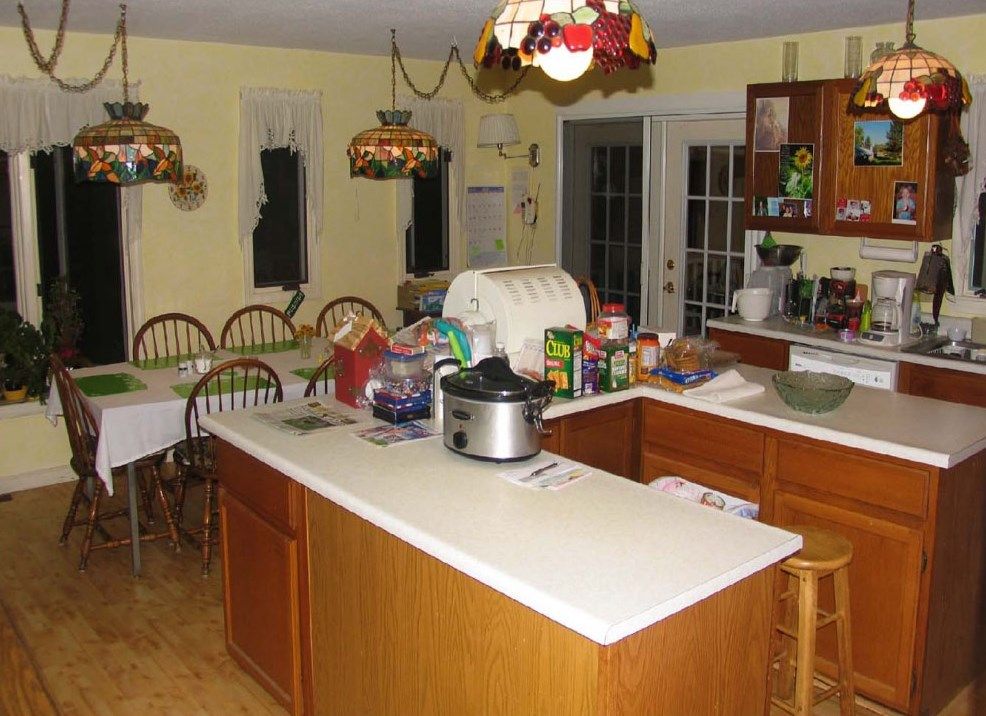
 Dining room
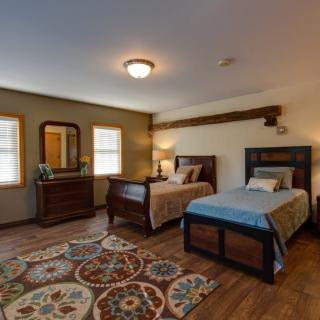
 Fully furnished
 Garden
 Housekeeping services
 Indoor common areas
 Kitchenette
 Move-in coordination
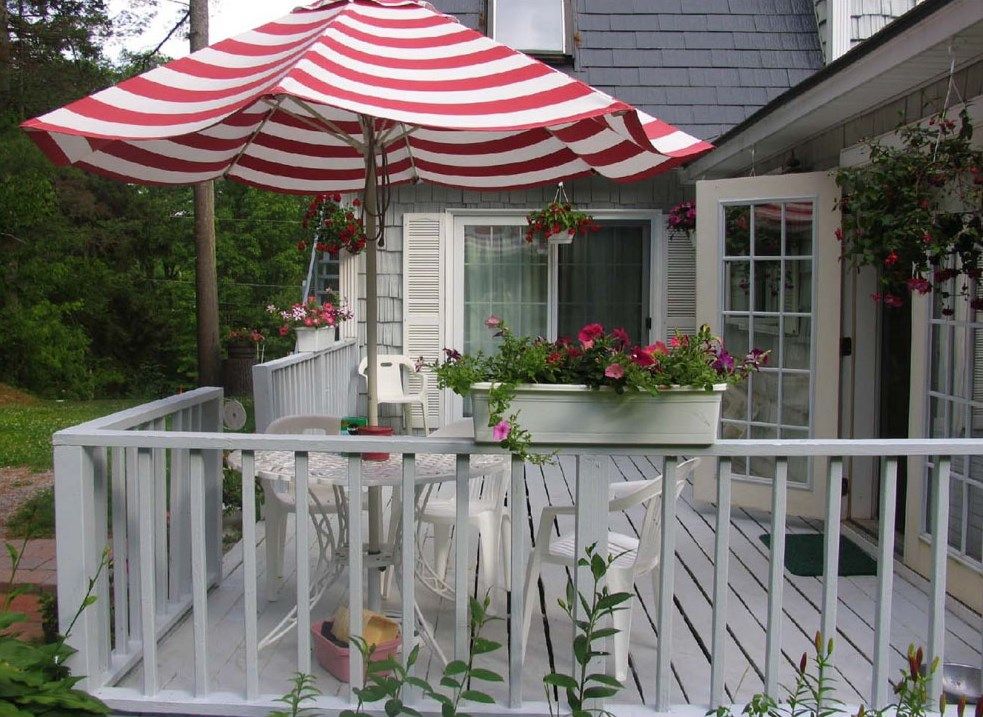
 Outdoor common areas
 Private
 Respite or short term stays offered
 Telephone
 Wi-Fi/high-speed internet available
 24-hour call system
 Ambulatory care
 Assistance with bathing
 Assistance with dressing
 Assistance with transfers
 Diabetes diet
 Diabetic care
 High acuity care
 Incontinence care
 Meal preparation and service
 Medication management
 Mental wellness program
 Special dietary restrictions
 Transportation arrangement (medical)
 Transportation to doctors appointments
 Christian services



 Beyond the Bingo Hall: 50+ Enriching Activities for Seniors in Assisted Living
 Understanding the Distinctions: Assisted Living and Memory Care Explained
 Guiding Elderly Parents Who Refuse Assisted Living: 6 Practical Steps