At Greenbriar Healthcare, the monthly cost for a private room is set at $6,120, which places it competitively within the larger financial landscape of Hillsborough County and the state of New Hampshire. When compared to Hillsborough County, where private room rates average around $7,437, Greenbriar offers a more economical option for residents seeking quality care. In contrast, the state average in New Hampshire is slightly lower at $5,170. This positioning suggests that Greenbriar Healthcare not only provides valuable services but also strives to maintain affordability for its residents while ensuring high-quality care standards.
Floor plans
Greenbriar Healthcare
Hillsborough County
New Hampshire
Private
$6,120
$7,437
$5,170
Skilled Nursing Facilities with a similar price nearby
Several residents and families describe slow or incomplete help when care is needed.
A recurring theme in the reviews is that help was delayed or inconsistent when residents needed assistance. Multiple reviewers mention long waits to get responses after calling for help, along with concerns about night coverage and overall staffing levels. Some reviews also describe missed basic care tasks, which led families to step in during visits. While a smaller set of reviews praise care as attentive, the negative stories about responsiveness are frequent enough to be a clear caution.
caveat13 reviews mention this
Food quality is a flashpoint
Food is a frequent point of frustration, including reports of poor temperature and hard-to-eat meals.
Reviews repeatedly raise concerns about meal quality, including food being served cold, appearing unappetizing, or being difficult to eat. Several reviewers also describe days when they felt residents were not getting enough to eat, or that snacks were not provided when needed. A few positive notes mention that residents liked the food, but most food-related comments are negative. This makes dining one of the strongest reasons reviewers either recommend with reservations or urge others to look elsewhere.
common9 reviews mention this
Therapy and rehab support get praise
Therapists and rehab discipline staff are often described as professional and encouraging.
Many positive reviews highlight physical, occupational, and speech therapy experiences, with families crediting therapists for guidance and progress. Several reviewers also describe feeling respected and communicated with during the rehab process. A few different reviews contrast that with negative experiences in rehab specifically, including claims that therapy time was limited or started late. Overall, the reviews suggest therapy quality can be a deciding factor, with clear admiration from multiple residents and families.
common7 reviews mention this
Activities help residents stay engaged
Residents frequently mention activities that keep them out of their rooms.
Reviews describe a range of resident activities, including group options like bingo and trivia and more one-on-one-style engagement for residents who prefer smaller settings. Several reviewers say activities staff helped them participate and made daily life feel more social. The community also offers planned day trips and resident-run and scheduled activities, which matches what families describe about keeping residents engaged. A few reviews focus on other concerns, but for many residents, activities are one of the more consistently positive parts of day-to-day life.
differentiator10 reviews mention this
Donna at the front desk stands out
Front desk interactions, especially with Donna, are described as consistently kind and helpful.
A notable theme in the reviews is praise for Donna’s support at the front desk, including answering questions, helping visitors, and making families feel more comfortable. Multiple reviewers describe her as thoughtful, responsive, and willing to step in when situations become difficult. That buying-experience support shows up in several stories, and it also appears as something families value during routine visits. While other parts of the experience vary widely across reviews, Donna is one of the most consistently recognized strengths.
How we summarize
Counts show how many written reviews mention each theme; a review can touch several themes, and only frequently mentioned themes are displayed.
Features
Housing
290 resident community capacity
Types of Care
Assisted Living
Memory Care
Skilled Nursing Facility
Amenities
Air-conditioning
Beauty salon
Cable or satellite TV
Computer center
Dining room
Fitness room
Fully furnished
Gaming room
Garden
Housekeeping services
Kitchenette
Move-in coordination
Outdoor space
Private
Private bathrooms
Restaurant-style dining
Small library
Telephone
Wellness center
Wi-Fi/high-speed internet available
Transportation
Manchester (14 miles away)
Community operated transportation
Transportation arrangement
Transportation arrangement (non-medical)
Transportation to doctors appointments
Care Services
12-16 hour nursing
24-hour call system
24-hour supervision
Activities of daily living assistance
Assistance with bathing
Assistance with dressing
Assistance with transfers
Diabetes diet
Meal preparation and service
Medication management
Mental wellness program
Special dietary restrictions
Dining
Diabetes diet
Special dietary restrictions
Activities
Community-sponsored activities
Concierge services
Fitness programs
Planned day trips
Resident-run activities
Scheduled daily activities
Nearby Places of Interest
Restaurants
McDonald's (0.1 miles)
Boston Billiards Club (0.6 miles)
Hayward's Ice Cream (0.9 miles)
Domino's Pizza (0.9 miles)
Bobolas restaurant (1.4 miles)
Popeyes Louisiana Kitchen (1.4 miles)
Lilac Blossom Restaurant (1.8 miles)
Physicians
IlluminEyes Vision Care (1.2 miles)
Full Circle Midwifery Care (1.3 miles)
St Joseph Medical Arts Building (1.3 miles)
Dental Smiles of Nashua (1.3 miles)
St. Joseph Hospital (1.3 miles)
St. Joseph Hospital Pediatrics - Nashua (1.3 miles)
At Greenbriar Healthcare, the monthly cost for a private room is set at $6,120, which places it competitively within the larger financial landscape of Hillsborough County and the state of New Hampshire. When compared to Hillsborough County, where private room rates average around $7,437, Greenbriar offers a more economical option for residents seeking quality care. In contrast, the state average in New Hampshire is slightly lower at $5,170. This positioning suggests that Greenbriar Healthcare not only provides valuable services but also strives to maintain affordability for its residents while ensuring high-quality care standards.
Greenbriar Healthcare's features are designed to comprehensively support residents with dementia or Alzheimer's disease, addressing their unique needs and promoting their well-being. Assistance with dressing helps individuals maintain dignity and self-esteem, while medication management ensures that necessary prescriptions are taken correctly, reducing health risks. Meal preparation and service cater to nutritional needs and personal preferences, fostering a sense of normalcy and enjoyment during mealtimes. Activities of daily living assistance enables residents to engage in essential tasks like bathing and transfers safely, which promotes independence and comfort. The provision of 24-hour supervision offers peace of mind for both residents and their families by ensuring safety at all times. Additionally, the mental wellness program addresses cognitive health through engaging activities, fostering social interaction, and stimulating memory retention, ultimately enhancing the overall quality of life for those in care.
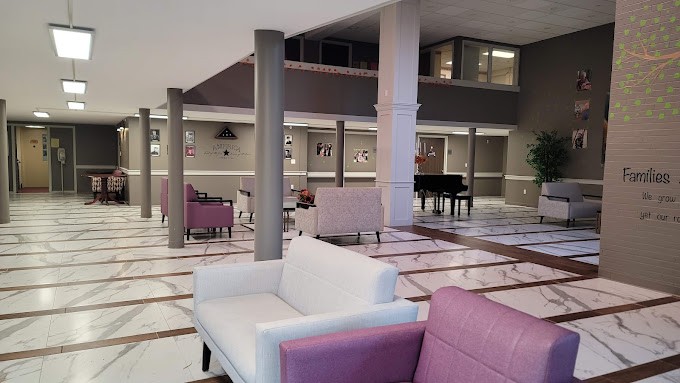
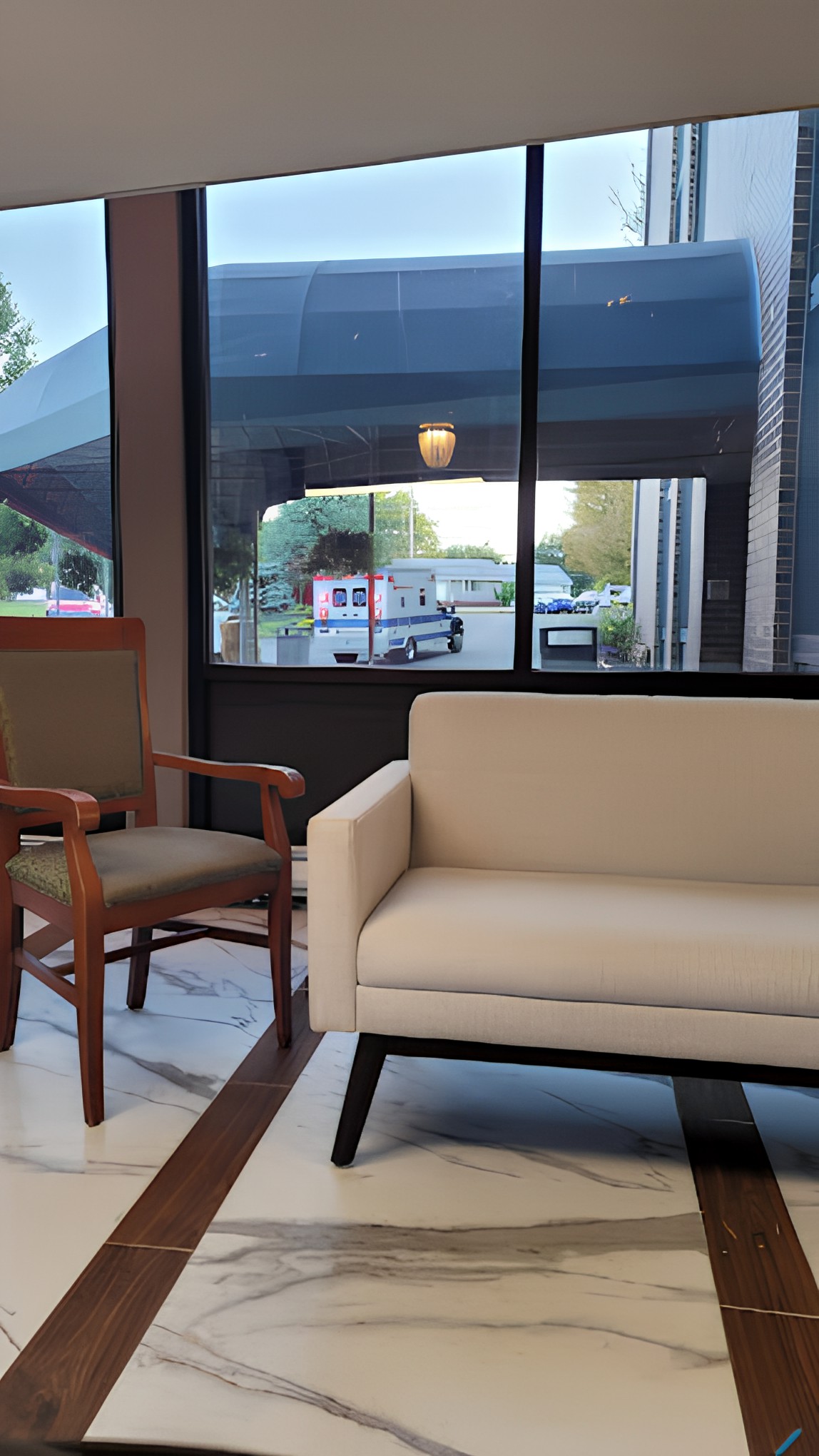
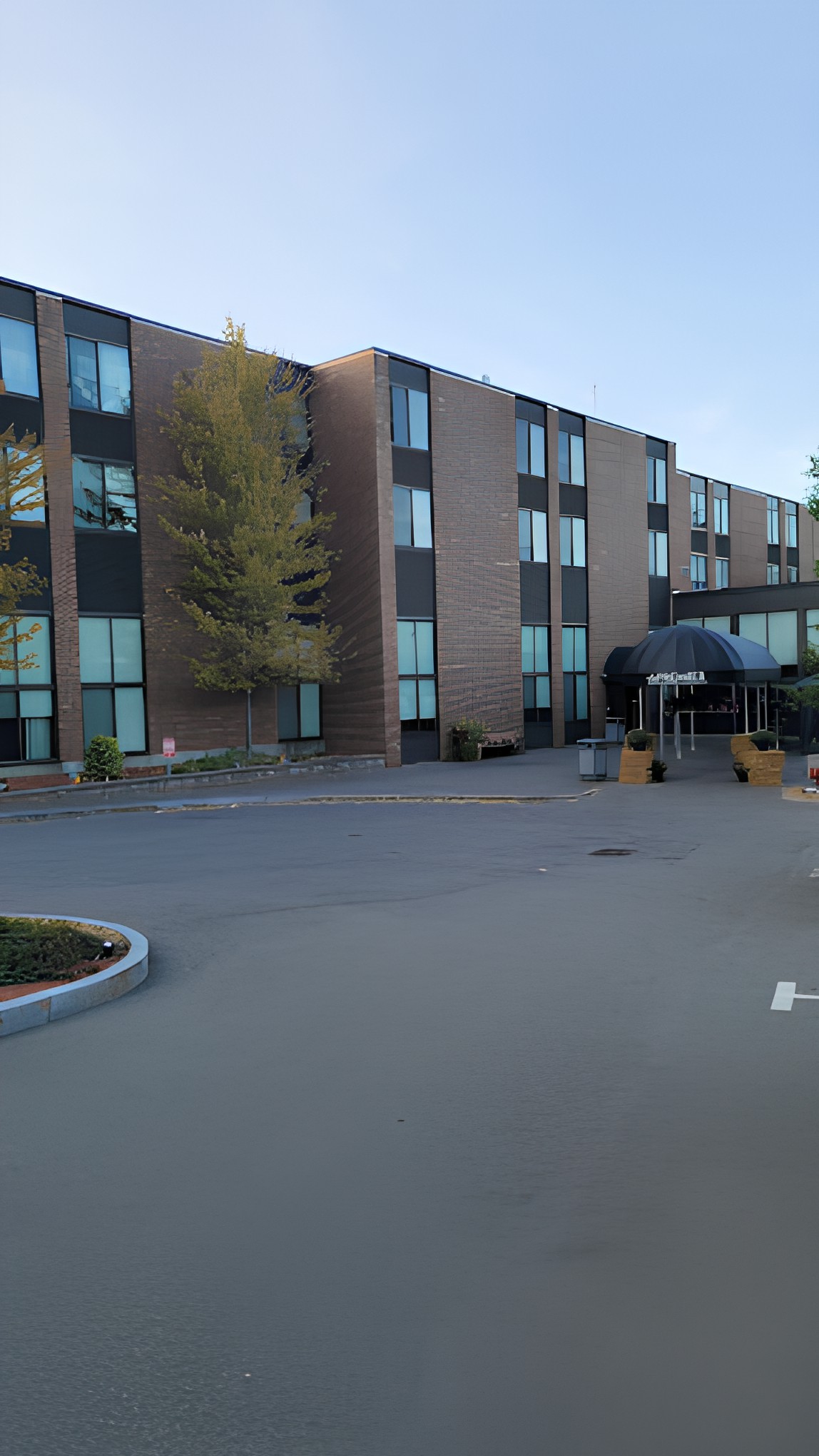
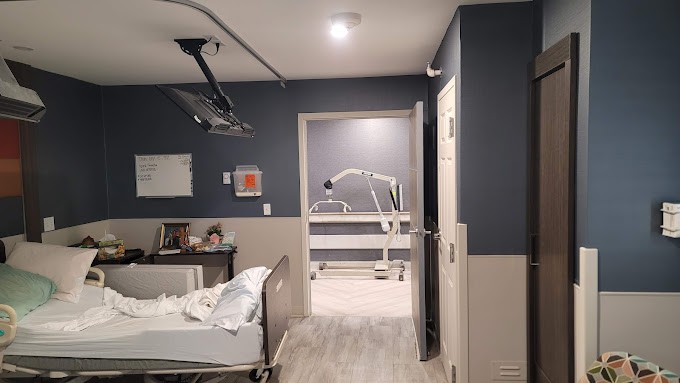
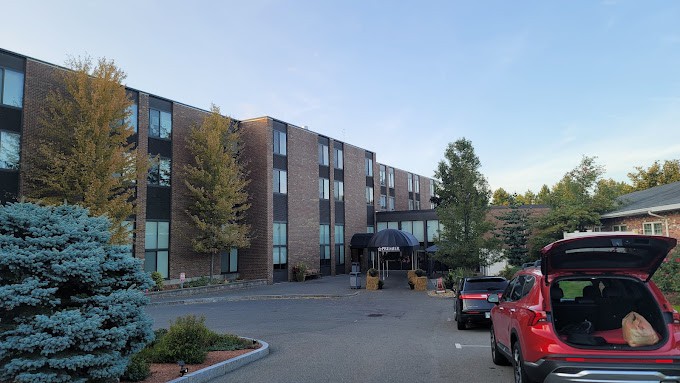
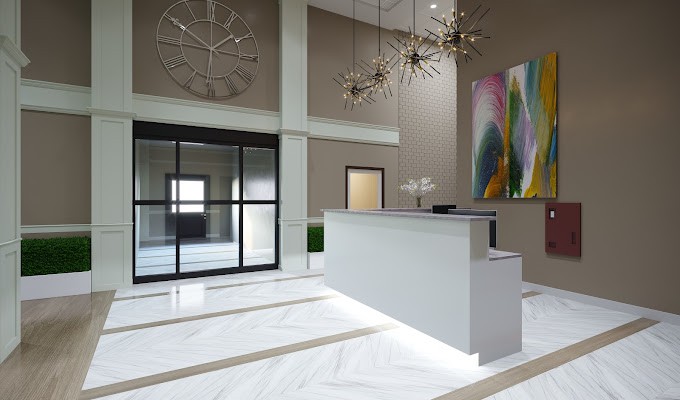
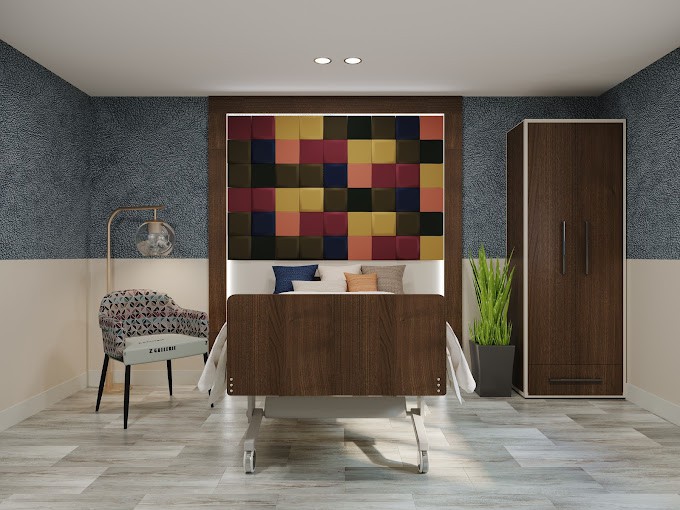
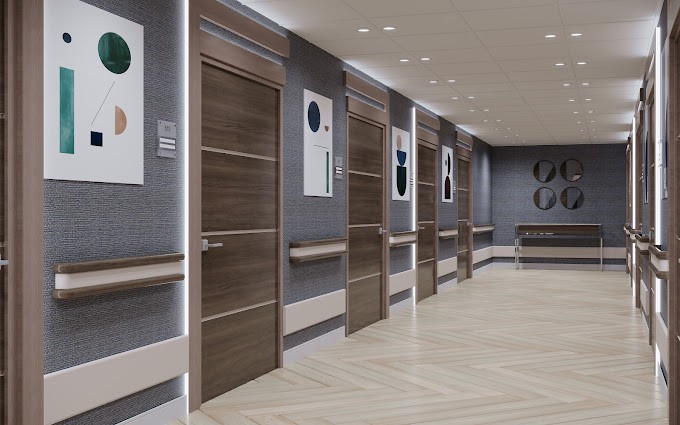
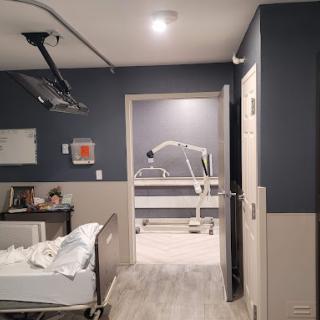
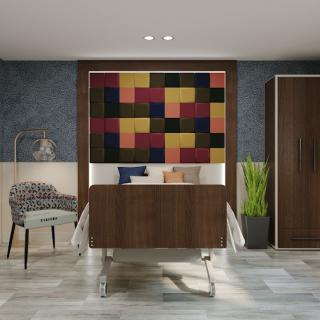
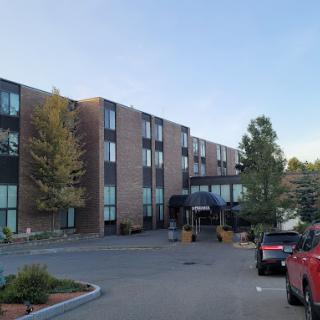
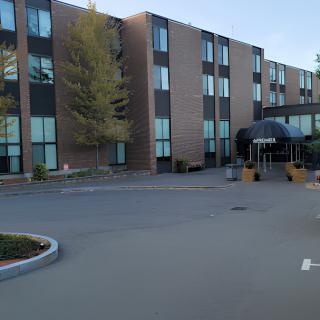
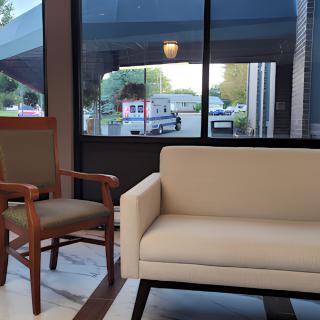
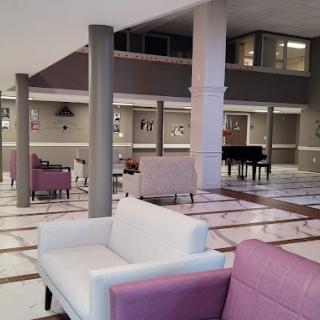
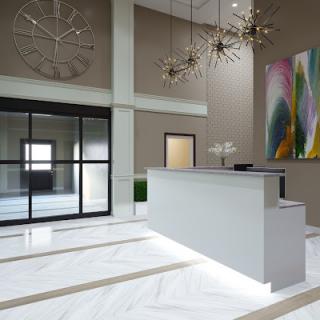
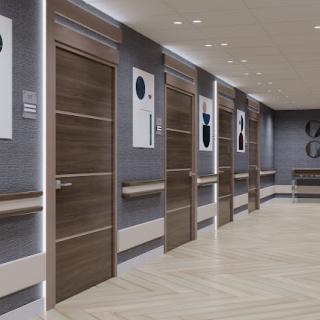
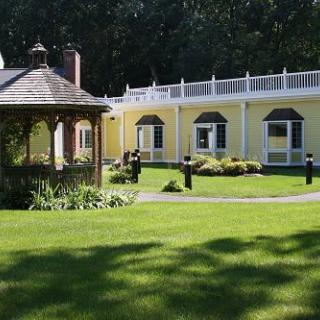
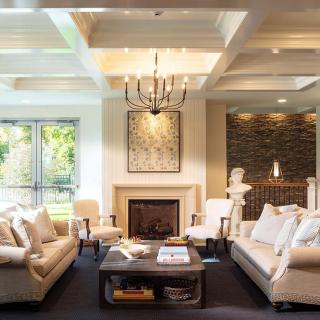
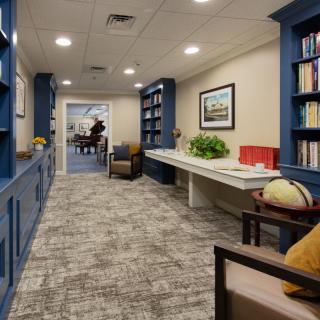
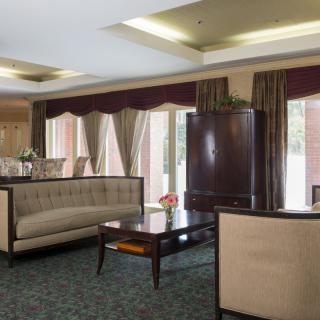
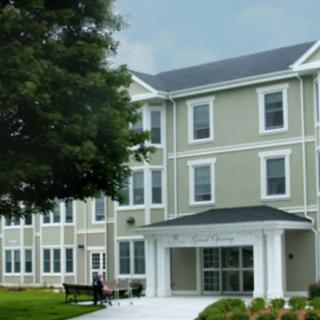
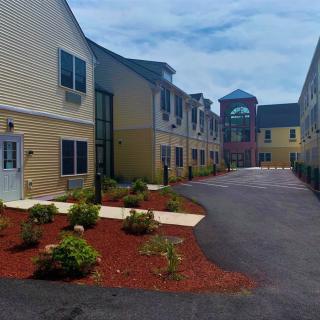
Greenbriar Healthcare on seniors.fyi includes 8 photos including images showing interior, lobby, building, trees, parking, chandelier, modern furniture, living room, and more.
Dementia causes cognitive decline and challenging behaviors that caregivers must manage, necessitating an understanding of the neurological basis of these issues. Effective strategies and self-care for caregivers can enhance support for those with dementia and improve their daily lives.
The content outlines five key early indicators of dementia, including significant memory loss and confusion about time and place, while emphasizing the need for professional evaluation and emotional support for both individuals showing symptoms and their caregivers. It encourages family members to monitor these signs closely and use online quizzes for initial awareness.
The article highlights eight indicators that a loved one with dementia may require specialized memory care, emphasizing the emotional and logistical challenges families encounter in this decision. It discusses signs such as difficulties with daily tasks, safety concerns, and caregiver burnout, suggesting that memory care facilities can provide the necessary support and structured environments for those experiencing cognitive decline.
Chandelier, Office, Minimalist, and Reception Area
Seating Area and Piano
Lobby
Hallway and Doors
Get PricingAsk A QuestionSchedule A TourContact Senior Advisor
By clicking submit, you agree to our Partner's Terms of Use. You
also consent to receive calls and texts, which may be autodialed, from our Partner. Your consent is not a condition to
using our Partner's service. Please visit our Partner's Privacy Policy for information about their privacy practices.

 290 resident community capacity
 Assisted Living
 Memory Care
 Skilled Nursing Facility
 Air-conditioning
 Beauty salon
 Cable or satellite TV
 Computer center
 Dining room
 Fitness room
 Fully furnished
 Gaming room
 Garden
 Housekeeping services
 Kitchenette
 Move-in coordination
 Outdoor space
 Private
 Private bathrooms
 Restaurant-style dining
 Small library
 Telephone
 Wellness center
 Wi-Fi/high-speed internet available
 Manchester (14 miles away)
 Community operated transportation
 12-16 hour nursing
 24-hour call system
 Activities of daily living assistance
 Assistance with bathing
 Assistance with dressing
 Assistance with transfers
 Diabetes diet
 Medication management
 Mental wellness program
 Special dietary restrictions
 Concierge services
 Planned day trips
 Professional, patient caregivers providing reliable overnight care.


 Dementia Behaviors: In-Depth Understanding and Effective Coping Strategies
 5 Early Indicators of Dementia and What You Can Do
 8 Important Indicators That Memory Care May Be Necessary