
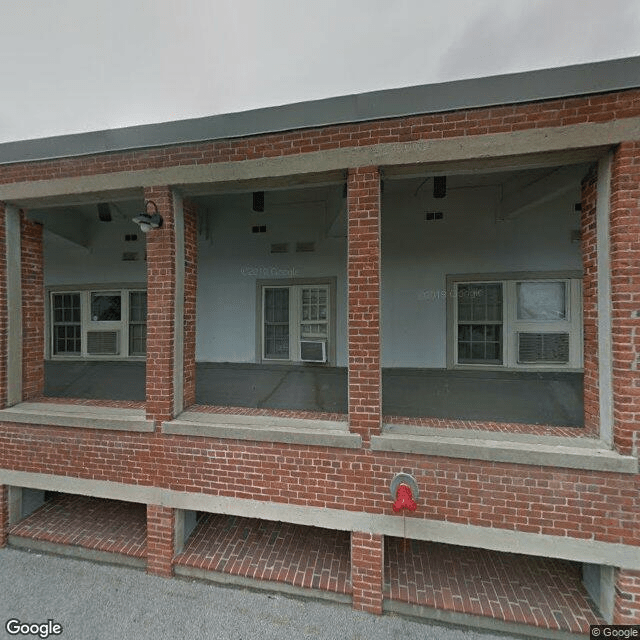
40 Bridge St., Milford, NH 03055
To contact a resident: (603) 641-2163
For more information about senior living options: (866) 208-4318
Linsey Landing Costs & Pricing
Linsey Landing presents a competitive pricing structure for its accommodations when compared to both Hillsborough County and the broader state of New Hampshire. For a one-bedroom unit, residents can enjoy a rate of $910, which is significantly lower than the county average of $5,096 and the state average of $4,444. The semi-private option at Linsey Landing is priced at $5,686; while this aligns closely with the county's average of $5,712, it remains notably more accessible than the state's average cost of $4,881. In terms of private accommodations, Linsey Landing charges $6,823 - more affordable than Hillsborough County's steep price of $7,437 yet higher than New Hampshire's statewide rate of $5,170. Similarly, studios at Linsey Landing are offered at $7,391, comparing favorably against both the county's average of $6,057 and the state's typical cost of $5,346. Overall, Linsey Landing demonstrates a strategic pricing advantage in several categories while maintaining quality options that cater to diverse resident needs.
| Floor plans | Linsey Landing | Hillsborough County | New Hampshire |
|---|---|---|---|
| 1 Bedroom | $910 | $5,096 | $4,444 |
| Semi-Private | $5,686 | $5,712 | $4,881 |
| Private | $6,823 | $7,437 | $5,170 |
| Studio | $7,391 | $6,057 | $5,346 |
Senior living communities with a similar price nearby
-
About the same

Anwelt Heritage Apartments
$910 to $1,100 / month19.7 miles away -
from +$105 / mo
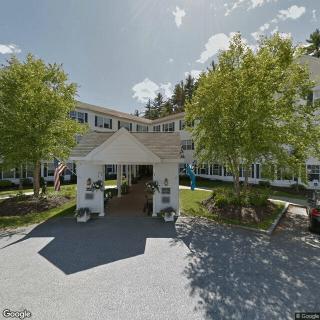
White Rock Senior Community
$1,015 to $1,300 / month22.6 miles away -
from +$45 / mo
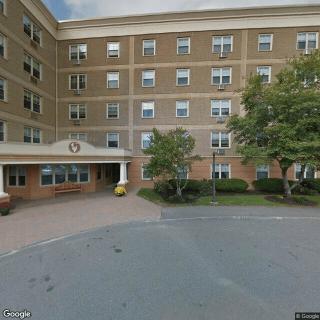
Coliseum Seniors II
$955 to $1,130 / month9.1 miles away
Overall Review of Linsey Landing
Pros
 The reviewer was very impressed with the building.
- The building offers a variety of nice amenities.
- The security is strong, with exterior doors locked 24/7 and a single key for both the building and the apartment.
- The apartments are very nice, with full kitchens including garbage disposals and large closets with shelving.
- The location is conveniently near a police station and a fire station.
Cons
 The management company is inadequate, to say the least.
- There are residents in the building who should never have passed the background check and should not be residing at the complex.
- Money speaks louder than actions or facts for this place, indicating a very sad situation.
- The affiliation with complexes owned by this management company should be removed to protect the complex's reputation; it is not a place for loved ones to call home.
- The complex only allows one pet, which would not be suitable for many families.
- It is not a place for loved ones to call home.
Review
Linsey Landing in Milford, NH is best suited for independent seniors who want a secure, amenity-forward apartment community without requiring ongoing assisted living services. The property presents as a polished, self-contained living option where residents manage day-to-day life in a building designed for autonomy. Those who prize strong physical security, in-unit amenities, and proximity to emergency services will find the core appeal compelling. However, this is not the right fit for households that require regular hands-on care, or for families with strict pet expectations beyond a single animal.
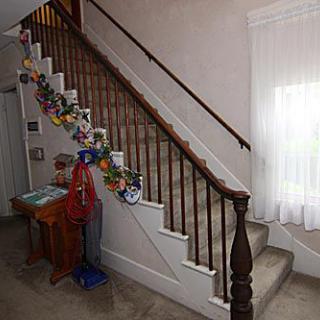
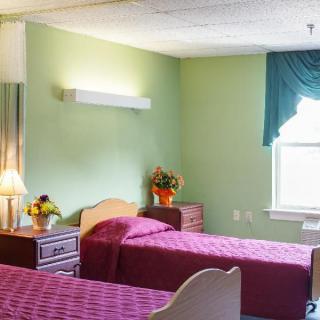
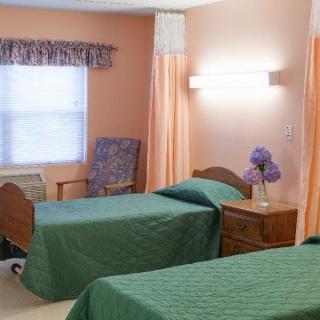
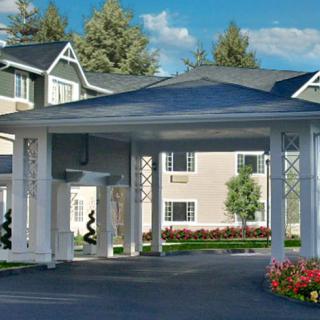
On the upside, the community shines in the basics that matter for independent living. The building is designed to feel modern and well-kept, with a security routine that truly locks exterior access 24/7 and uses a single key system that also serves the apartment. That level of controlled access reduces common-entry risks and creates a tangible sense of safety. Apartments themselves are described as attractive, with full kitchens and practical features like garbage disposals, plus sizable closets with built-in shelving. The location is emphasized for its convenience and civic proximity, neighborhood fire and police services nearby add a layer of reassurance about quick response and overall safety.
Despite these strengths, critical governance concerns temper the overall value proposition. Multiple reviews flag the managing company as inadequate, with specific warnings about resident screening and ongoing oversight. The impression is that background checks may not consistently differentiate between suitable and unsuitable residents, which can undermine the sense of safety and quiet enjoyment that independent living relies on. The repeated caution that the management affiliation could reflect poorly on the community’s reputation reinforces a sense of instability, especially for families expecting reliable, proactive administration and transparent operations.
Those security and apartment-quality advantages only go so far when weighed against the management gaps and resident mix. For a senior who intends to remain fully independent, the security features, clean apartments, and strong amenities do mitigate some drawbacks; a resident who does not rely on staff for daily help can largely self-manage, and the safe, self-contained environment supports that lifestyle. The proximity to emergency services also adds an extra layer of practical security that many families value. In short, the pros support a comfortable, autonomous lifestyle, but they do not erase the risks associated with management inconsistency and concerns about who is living in the building.
Alternatives become particularly relevant for anyone who anticipates needing even modest ongoing support, or who requires a more controlled, reliably managed environment. Families who want flexibility on pet policy beyond one animal will want to look elsewhere, as the one-pet rule is repeatedly noted and non-negotiable. Prospective residents who value highly responsive on-site management, transparent processes, and robust resident screening should consider other communities where care coordination, staff availability, and governance practices are clearer and more dependable. For those with multiple or complex care needs, or who seek a community with a proven track record of active resident care management, Linsey Landing should be passed in favor of options with stronger operating stability.
In the end, the decision hinges on priorities. If independence, security, and a solid apartment layout are the top criteria, Linsey Landing offers a solid platform, with tangible benefits that can support a comfortable lifestyle. If care needs may evolve, or if pet flexibility and management reliability sit higher on the list, it is prudent to explore alternatives. Prospective residents should press for candid conversations about management responsiveness, resident screening standards, and any upcoming changes in ownership or operations. A thorough visit, with targeted questions about comfort levels with current governance and the feasibility of remaining self-directed, will reveal whether this community can truly be trusted to meet long-term priorities.
 Active Adult Communities (55+)
 Cats allowed
 Dogs allowed
 Activities on-site
 Indoor common areas
 Outdoor common areas
 Wheelchair accessible showers
 Manchester (13 miles away)




 Navigating Medicare Coverage for In-Home Care Services
 In-Home Care Costs in 2025: A Detailed State-by-State Exploration
 Understanding Home Health Care: A Comprehensive Guide